What a Large Belt Conveyor Idler Does on Site
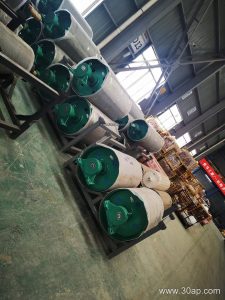
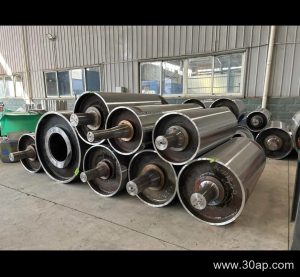
A large belt conveyor idler is the rotating support that carries the conveyor belt and its load along the length of a bulk handling system. In a quarry, limestone mine, or cement plant, these rollers keep the belt tracking smoothly and reduce friction between the belt and the frame. Unlike a conveyor pulley, which drives or redirects the belt at the ends, an idler roller works continuously along the carrying and return sides. The size and build of a large idler must suit the belt width, the material weight, and the operating environment.
Construction and Common Forms
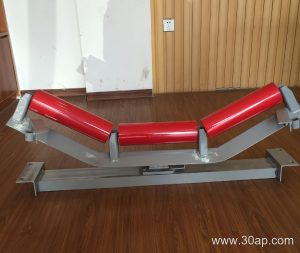
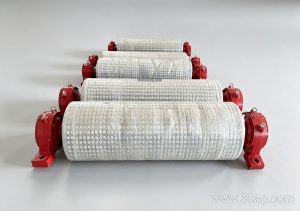
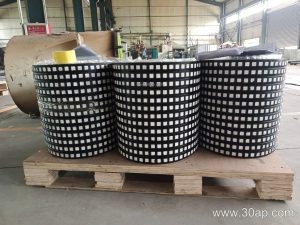
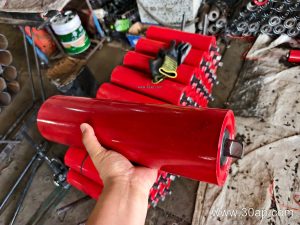
Most large belt conveyor idlers use a steel tube shell, sealed bearings, and a shaft mounted in a conveyor bracket. The roller surface may be plain steel, nylon, ceramic, or covered with rubber rings for impact absorption. Troughing idlers usually come as single-roll, two-roll, or three-roll assemblies. A three-roll troughing set is common on wide belts because it shapes the belt into a trough that keeps bulk material centered. Return idlers may be flat or V-shaped, and transition idlers help the belt move from flat to troughed without stress.
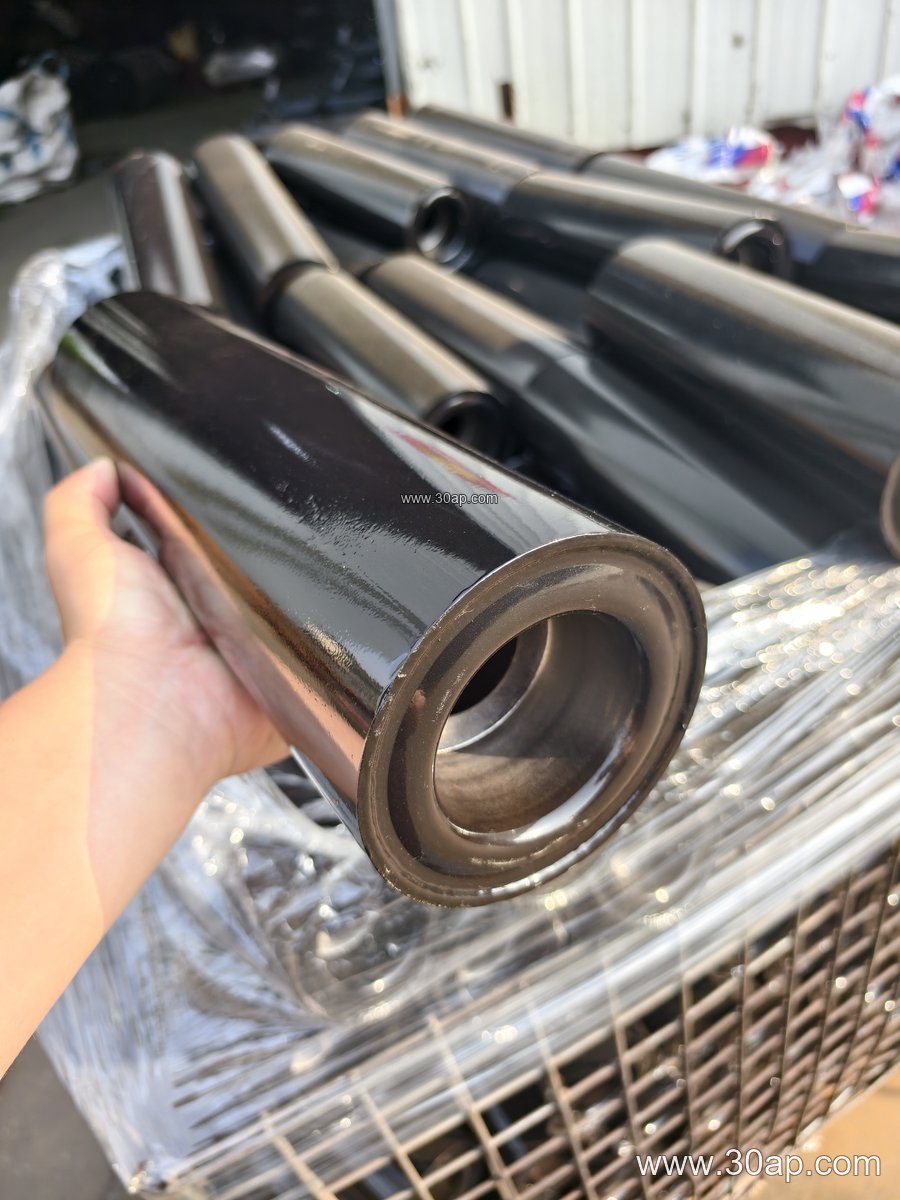
Roller diameter and bearing size are chosen together with belt speed and load. Common roller diameters include Ø89, Ø108, Ø127, Ø133, Ø159, and Ø178 mm, while bearings such as 6205, 6305, 6308, and 6310 appear in many assemblies. These are reference examples, not fixed rules. A large belt conveyor idler for a 1200 mm or 1400 mm belt may use a different roll length and bearing combination than a smaller installation, and the final choice should follow the conveyor design.
Where Large Idlers Are Used
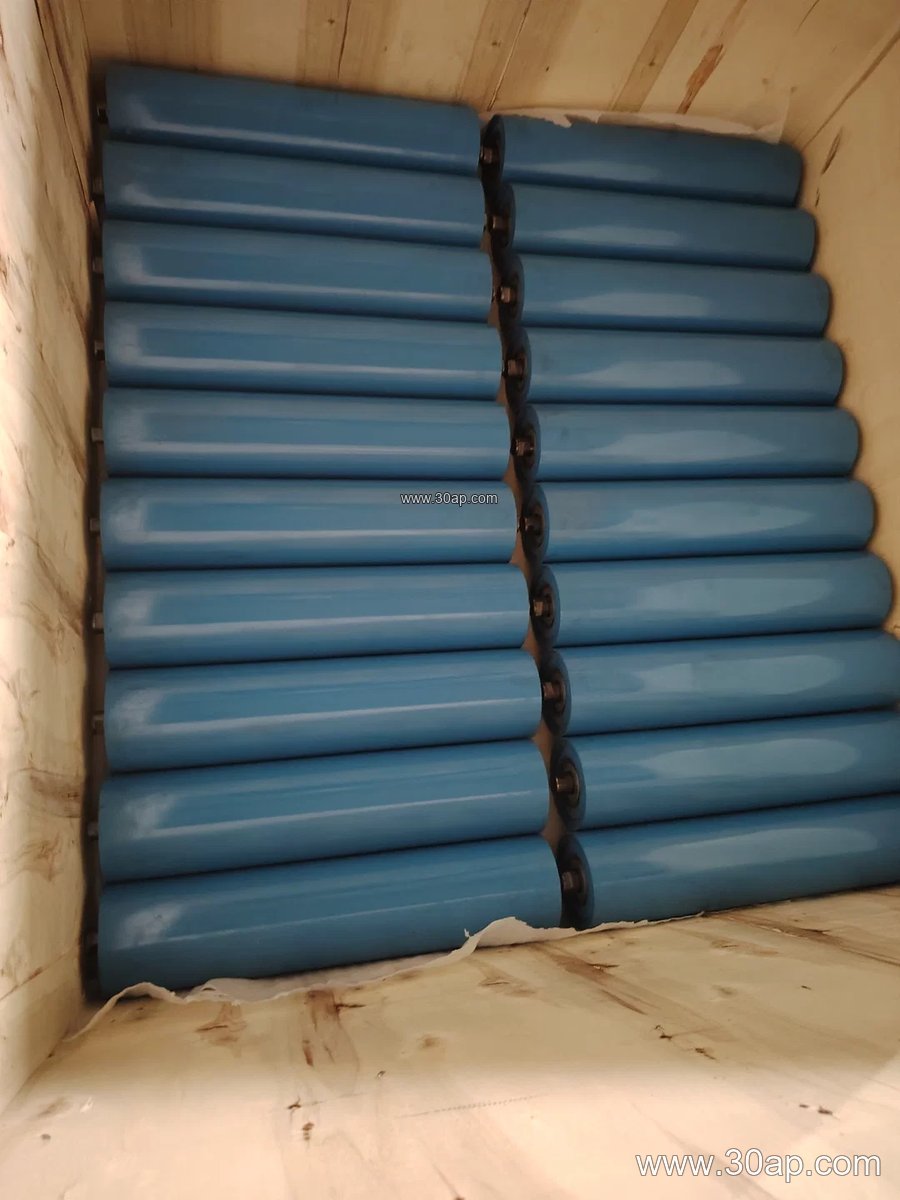
You will find large belt conveyor idlers in iron ore and copper ore handling, coal washing plants, power plant coal yards, and aggregate crushing lines. In a sand and gravel plant, a heavy-duty mining conveyor belt running over troughing idlers needs rollers that resist abrasion and keep alignment. In a cement plant, heat resistant conveyor belt sections may call for idlers with suitable bearing clearance and seals. The same idler roller type can appear in a port ship loading line or a tunnel spoil removal system, but the environment dictates the seal and surface choice.
Matching Idler to Belt and Load
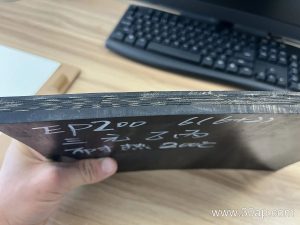
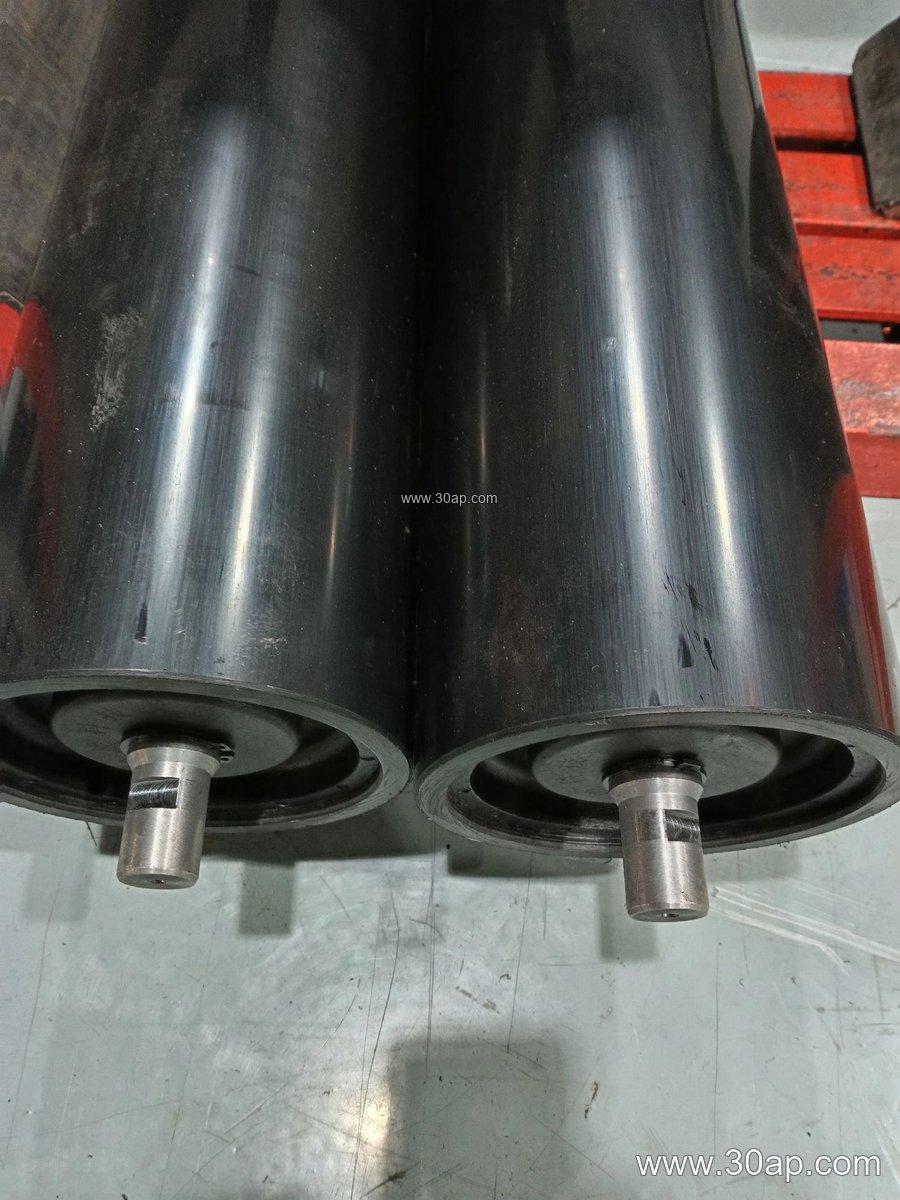
Belt width and trough angle strongly influence idler selection. A three-roll troughing set at 35 degrees is common on many bulk lines, while 20 degrees or 45 degrees may suit specific material characteristics. For a B800 belt, a common middle roll length is around 315 mm; for B1200, about 465 mm; for B1400, about 530 mm. These figures are examples only, and side rolls can differ from the center roll. The belt itself may be an EP conveyor belt, a steel cord conveyor belt, or a fabric core conveyor belt, and each has different flexibility and load distribution. A rigid, thick belt may need a different idler spacing than a lighter EP200 or NN200 belt.
Buyer Checklist for Large Belt Conveyor Idlers
- Confirm the belt width and trough angle before choosing roll length.
- Check the load per idler and select bearing size accordingly.
- Choose the roller surface for the environment: rubber rings for impact zones, ceramic or nylon where buildup is a concern.
- Verify sealing against dust and water, especially in coal mining conveyor belt and underground mining conveyor belt applications.
- Ask for dimensional drawings and bearing designations rather than relying on a single size table.
On a large installation, idler spacing and alignment affect belt life as much as the roller itself. A properly selected large belt conveyor idler helps a rubber conveyor belt, chevron conveyor belt, or pipe conveyor belt run with less wear and lower power draw. For heavy-duty mining conveyor belt lines, abrasion resistant conveyor belt and flame retardant conveyor belt grades are often paired with robust idlers to handle continuous service.
Maintenance and Replacement Notes
Inspect idlers for seized bearings, worn shells, and misalignment. Replace damaged rollers before they damage the belt edge or cause tracking problems. Keep spare idler rollers and brackets for critical conveyors, and record the roller diameter and bearing number for each position. A large belt conveyor idler that matches the original design will keep the conveyor belt running smoothly in quarry, cement, power, and mining operations.