What a Conveyor Bracket Does on a Belt System
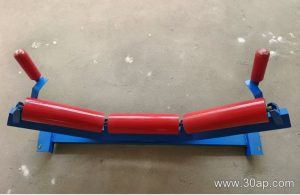
A conveyor bracket is the structural interface between the idler roller and the conveyor frame. It holds each roller at the correct position and trough angle so the belt keeps its shape under load. In practice, buyers often call this part a conveyor support bracket or idler mounting bracket, but it is the same product. Getting the bracket right matters because a loose or misaligned mount causes belt wander, edge damage, and premature roller failure.
On a quarry conveyor belt or a crusher conveyor belt, the bracket has to survive dust, impact, and continuous vibration. On a cement plant conveyor or a power plant coal line, it also has to tolerate heat and fine abrasive material. The bracket itself is simple, but the specification detail is what separates a smooth-running line from a maintenance headache.
How the Bracket Is Built
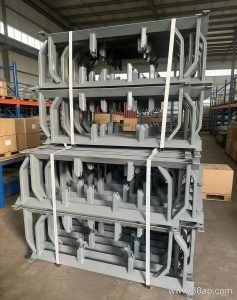
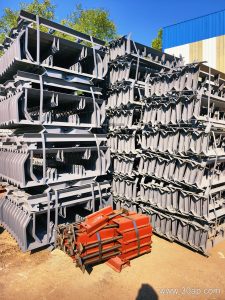
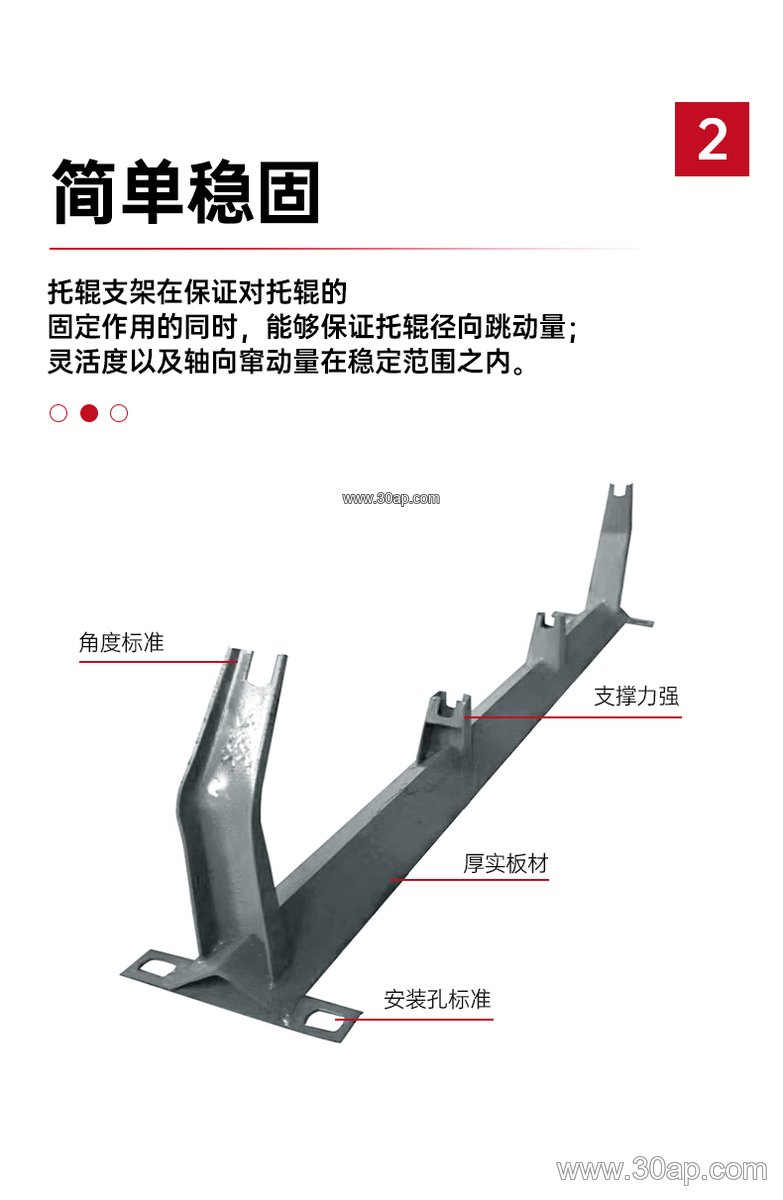
Most brackets are fabricated from angle steel, channel steel, or folded steel plate. The frame is cut, punched, and welded, then finished with paint or galvanized coating depending on the environment. Holes are positioned to match the idler shaft and the main frame beam. Because hole spacing and crossbeam length change with belt width and trough angle, these dimensions are set by design rather than treated as universal values.
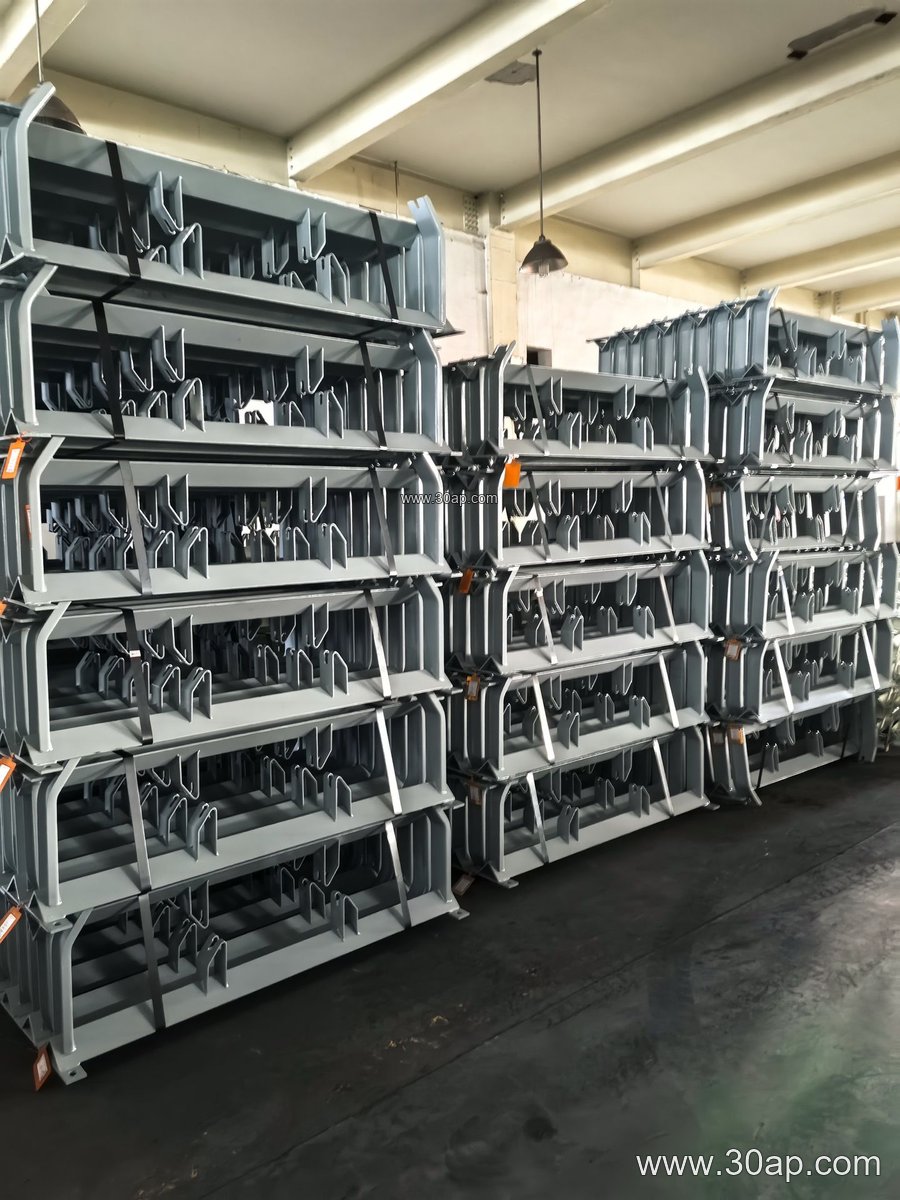
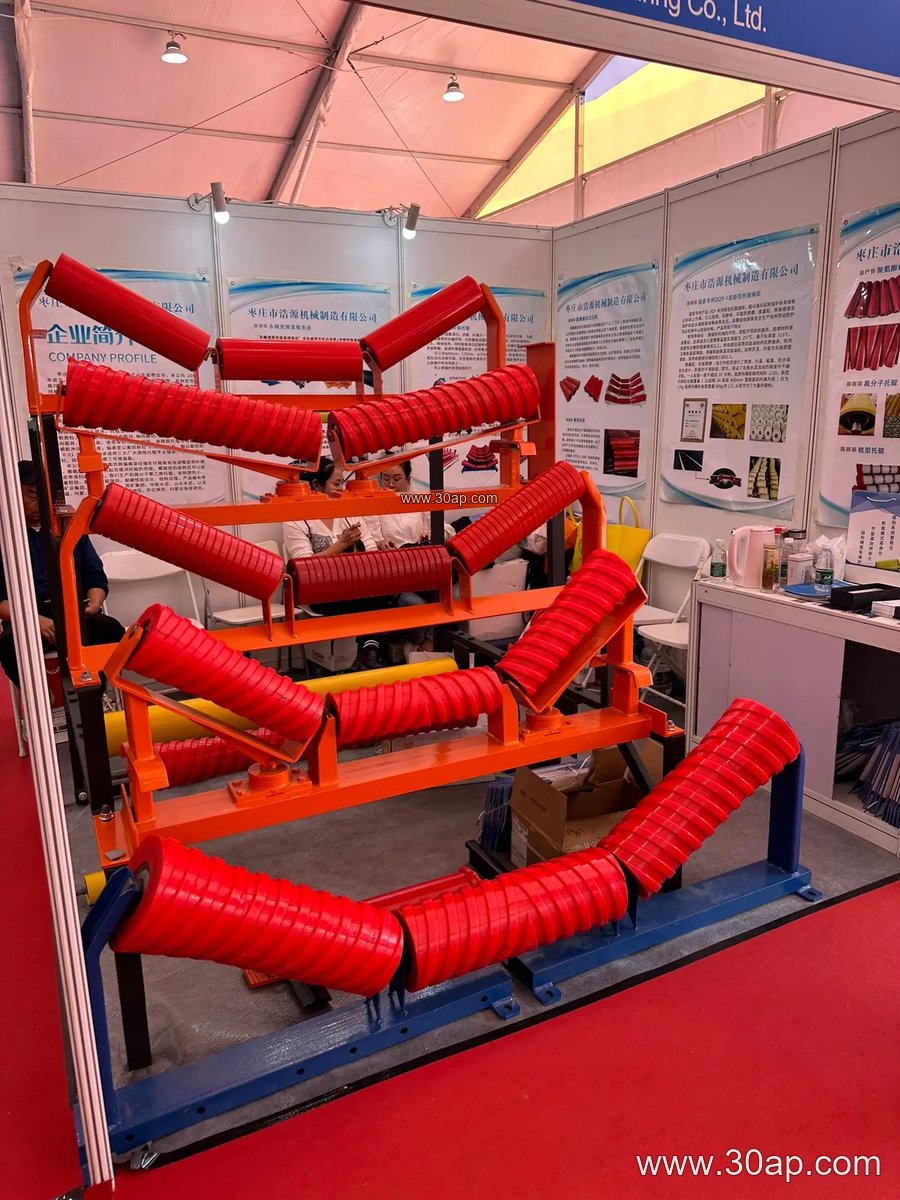
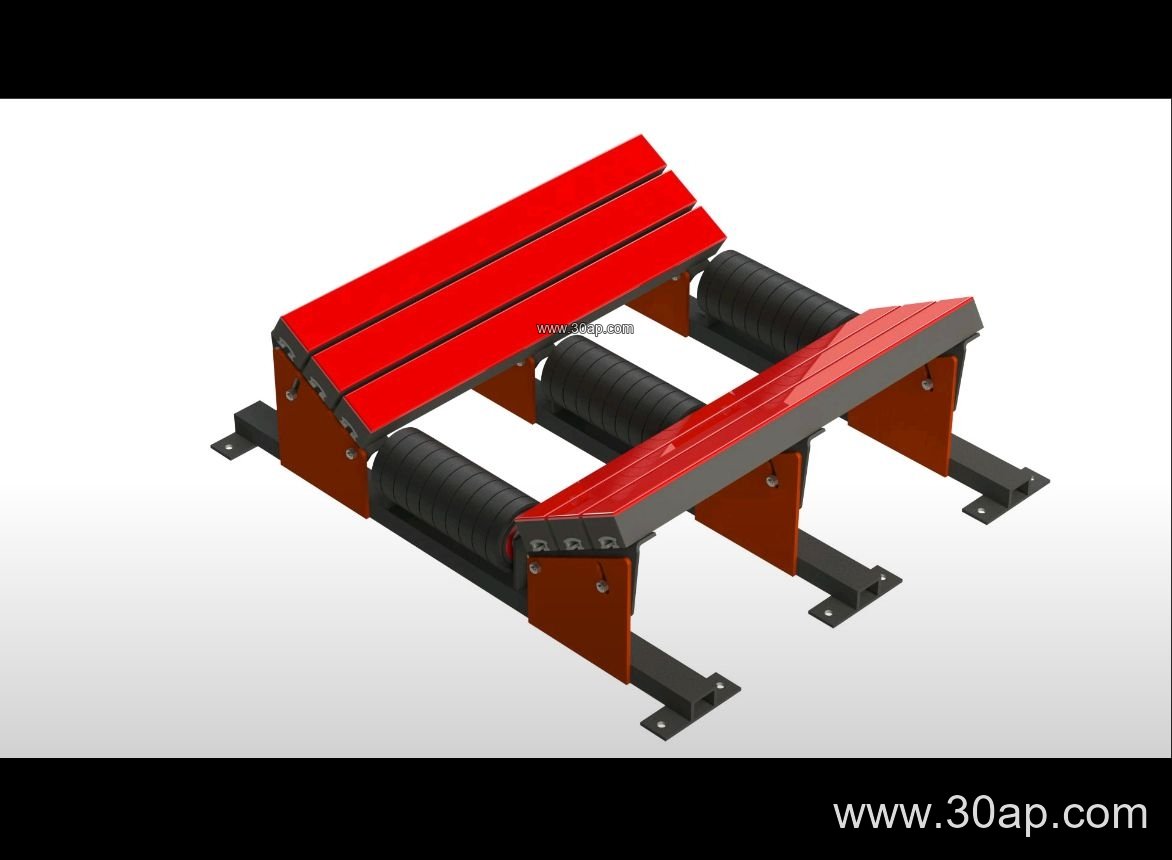
Common bracket families include trough brackets for the carrying side, return brackets for the lower run, impact brackets under loading points, self-aligning brackets, and adjustable brackets that allow the trough angle to be changed on site. A V-return bracket is a separate subtype used for belt training on the return strand; it is not a substitute for a trough bracket.
Matching Bracket, Belt Width, and Roller Diameter
The bracket must suit the belt width, the trough angle, and the roller diameter together. Typical belt widths run from B500 up to B2200, with B800, B1000, and B1200 common in aggregate and coal handling. Roller diameters are usually Ø89, Ø108, Ø133, Ø159, or Ø194. A bracket for a 35 degree trough is not the same as one for a 45 degree trough, and the two should not be swapped without checking the frame.
Some practical reference combinations appear below. These are examples, not fixed rules, and final values follow the conveyor design.
- B650 with 30 degree trough and Ø89 roller
- B800 with 35 degree trough and Ø108 roller
- B1200 with 45 degree trough and Ø133 roller
- B1400 with 35 degree trough and Ø159 roller
Adjustable brackets can move between 20, 30, 35, and 45 degree settings, which helps when material characteristics change. Forward-leaning brackets usually tilt about 1.5 to 2 degrees to help center the belt.
Where These Brackets Are Used
You will find them in limestone mines, iron ore plants, coal washing plants, sand and gravel lines, crushing and screening circuits, and port ship loading systems. In a coal mining conveyor belt installation, flame retardant conveyor belt and anti-static conveyor belt are often specified alongside heavy-duty brackets. In a steel plant or sintering line, heat resistant conveyor belt may run over brackets that must resist thermal cycling. The bracket choice follows the belt and the duty, not the other way around.
For high-tonnage lines using steel cord conveyor belt or a multi-ply fabric core conveyor belt, the bracket must be rigid enough to keep the trough shape under tension. On a pipe conveyor belt or a corrugated sidewall conveyor belt, bracket geometry is usually project-specific.
Procurement Checklist
Before ordering, confirm the belt width, trough angle, roller diameter, mounting hole pattern, and frame beam size. Ask for the material and surface finish, and check whether the bracket is fixed or adjustable. For corrosive or wet conditions, specify galvanized or suitably coated steel. For impact zones, use impact brackets rather than standard trough brackets.
Buyers should also confirm that brackets are supplied in matching sets and that spare units are available for routine replacement. A bracket is a low-cost part, but a wrong batch can stop a whole conveyor. Order against the drawing, not against a remembered size.
Whether the site is a limestone quarry, a coal preparation plant, or a port terminal, the conveyor bracket procurement decision should be based on measured dimensions and the actual duty of the line. Pair the brackets correctly with the conveyor belt, idler roller, and conveyor pulley, and the system will run straighter and last longer.