What an 800mm Conveyor Belt Is
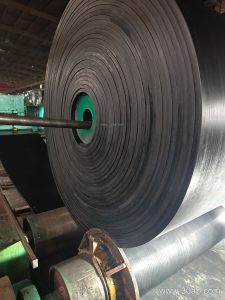
An 800mm conveyor belt is a belt with a nominal width of 800 millimeters, often written as B800 in specifications. It sits in the middle of the common width range, wider than a 650mm belt and narrower than a 1000mm belt, which makes it a practical choice for main haulage lines and medium-capacity transfer points. The width is only one part of the specification. The carcass, cover grade, and top and bottom cover thickness decide how the belt performs on a given conveyor.
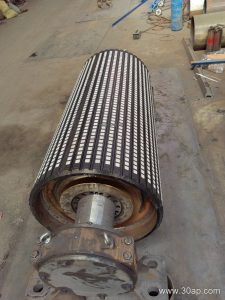
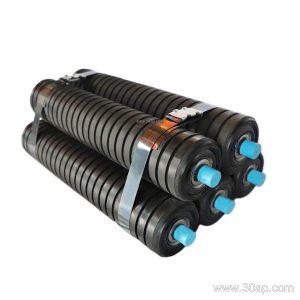
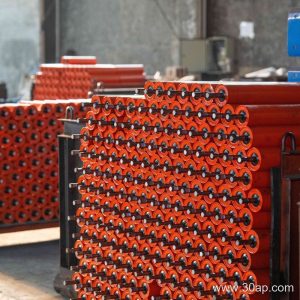
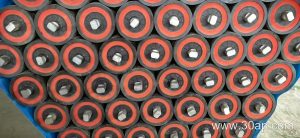
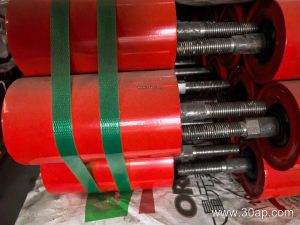
In a typical bulk handling circuit, the belt runs over idler rollers on the carrying side, returns on lower rollers, and wraps around a drive pulley at the head and a tail pulley at the loading end. Bend pulleys and take-up pulleys manage tension and direction. These components are selected separately from the belt width, so an 800mm belt can be paired with different pulley diameters depending on load, speed, and shaft design.
Construction and Common Specifications
Most 800mm belts use a fabric core or a steel cord carcass. Fabric core constructions include EP (polyester-cotton) and NN (nylon-nylon) plies, usually 2 to 6 layers. Steel cord belts are chosen when the conveyor is long or the duty is heavy. Cover compounds are matched to the cargo: abrasion resistant for stone and ore, heat resistant for clinker and sinter, oil resistant for certain industrial feeds, flame retardant for coal, and anti-static where dust and static build-up matter.
The table below shows reference values, not fixed supply promises. Actual construction follows the conveyor design and the manufacturer’s data sheet.
| Item | Common Reference Values |
|---|---|
| Belt width | 800 mm (B800) |
| Carcass type | EP, NN, steel cord |
| Strength grades (EP) | EP200, EP315, EP400, EP500, EP630, EP800 |
| Ply count | 2 to 6 layers, typical |
| Top and bottom cover | 4+2, 5+2, 6+2 mm, typical combinations |
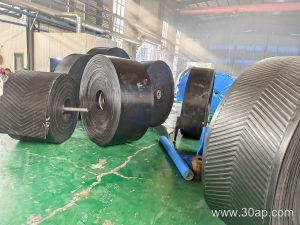
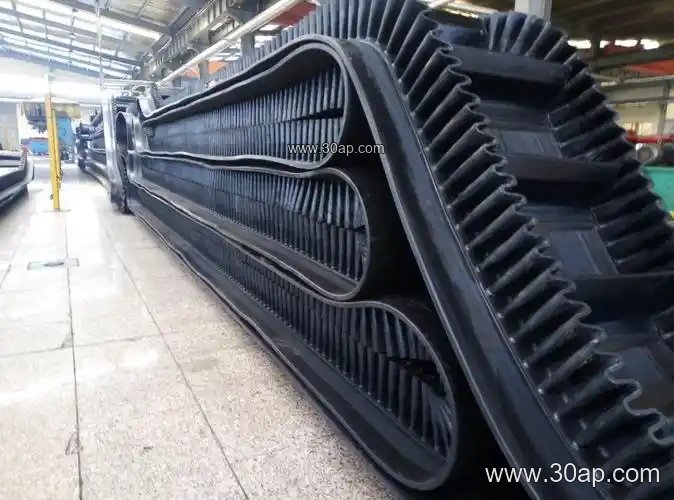
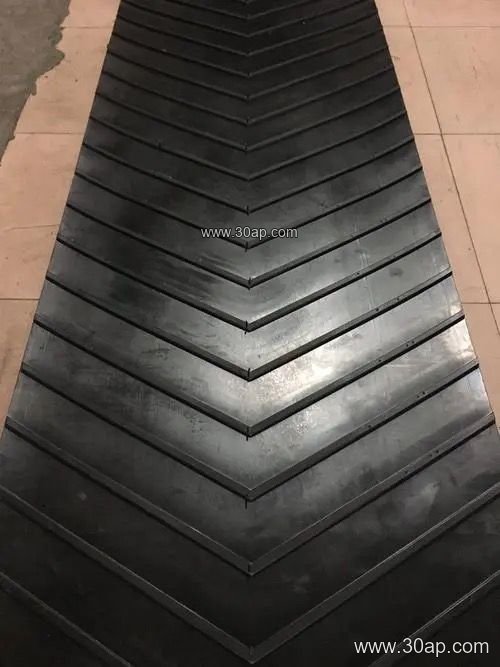
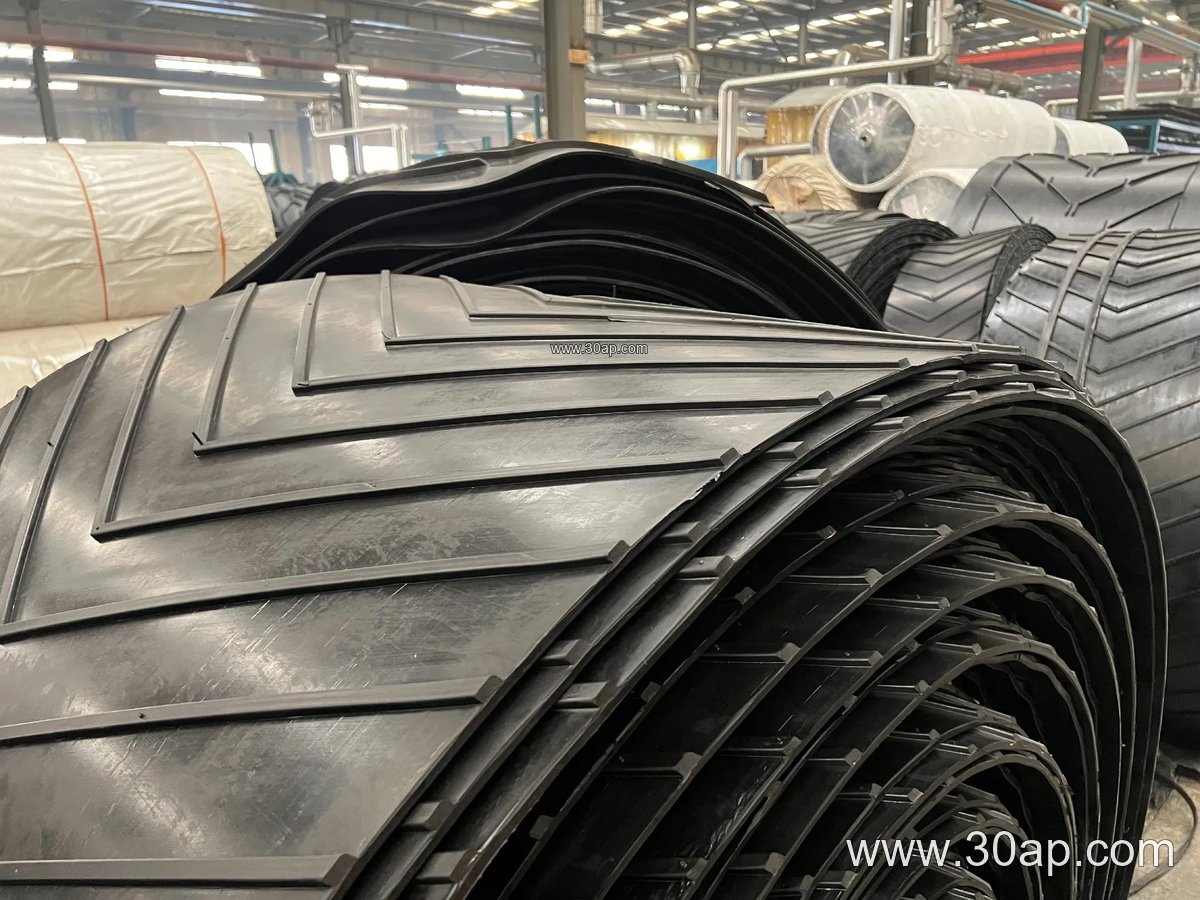
| Surface forms | Plain, chevron, corrugated sidewall, skirted |
An 800mm EP conveyor belt with a 5+2 cover is a common general-purpose build. For sharper rock and higher impact, a thicker top cover and a heavier carcass are usually specified. A steel cord belt in this width is less common than in wider belts but is used where tension and length demand it.
Where the Width Fits in Real Plants
In a quarry or sand and gravel plant, an 800mm belt often carries crushed stone from a secondary crusher to a screen house. The same width appears in cement plants on clinker and raw meal lines, in power plants on coal feeding circuits, and in iron ore and copper ore handling where abrasion is severe. Underground coal mining may use a flame retardant or PVG belt in this width for gate roads and trunk conveyors, while ports and ship loading systems use it on shorter transfer conveyors.
The width is not a rule for every line. A 650mm belt may suit a small feeder, and a 1000mm or 1200mm belt may be needed for high tonnage. The 800mm size is popular because it balances capacity against structural weight and pulley size.
Selection Points for Buyers
- Confirm the required strength grade and ply count from the conveyor tension calculation, not from the belt width alone.
- Match the cover compound to the material: abrasion resistant for aggregate and ore, heat resistant for hot clinker, flame retardant for coal, oil resistant where needed.
- Check the minimum pulley diameters recommended for the carcass, and confirm drive, tail, and bend pulley sizes with the conveyor designer.
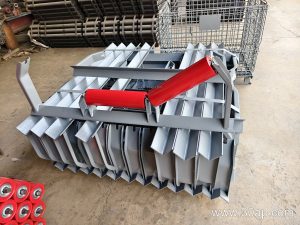
- Review idler roller spacing and trough angle, since an 800mm belt needs suitable troughing to hold the load without spillage.
- Ask about splice type, edge condition, and whether an endless belt is preferred for the application.
Maintenance also affects service life. Keep the belt tracking straight, inspect idler rollers for seized bearings, and check pulley lagging for wear. A small misalignment on an 800mm conveyor belt can cause edge damage that shortens the whole belt’s life.
Related Equipment and Final Notes
An 800mm conveyor belt works as part of a system. The conveyor pulley, idler roller, and conveyor bracket should be specified together with the belt so that the whole line runs smoothly. Buyers comparing an EP conveyor belt with a steel cord option should weigh initial cost against the tension and distance requirements of the route. For most medium-duty mining, cement, and aggregate duties, an 800mm belt with a well-matched carcass and cover remains a practical, widely used choice.