What a Port Conveyor Belt Does
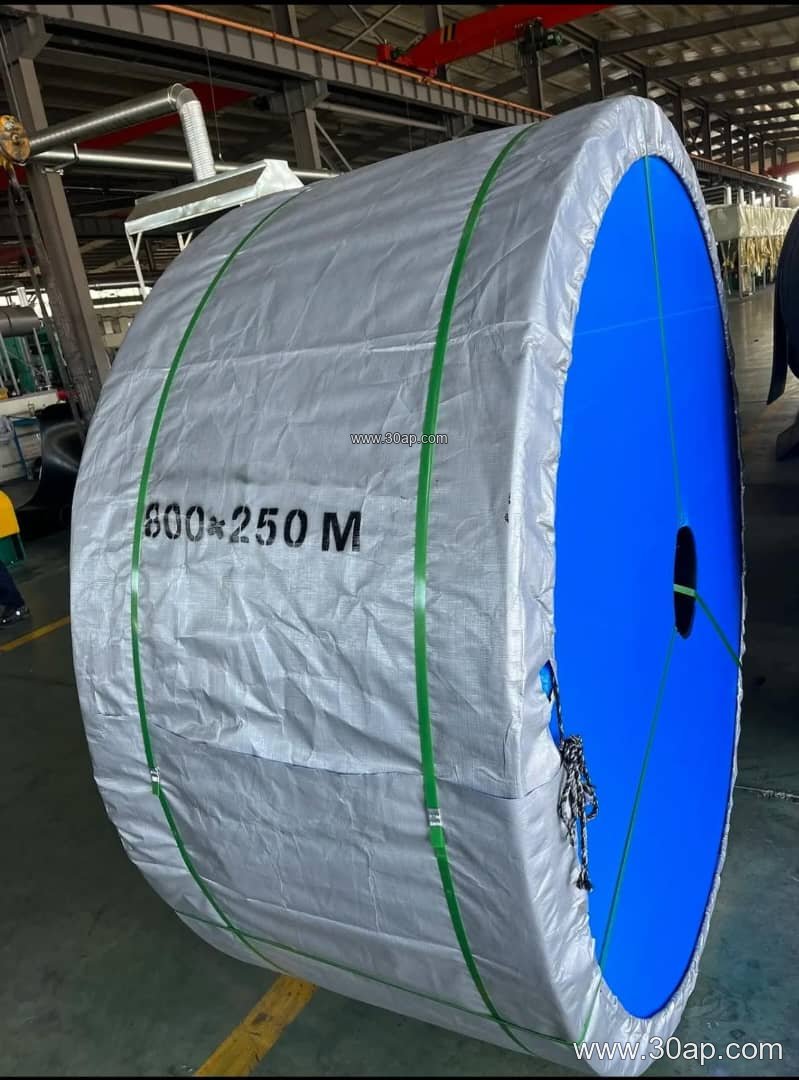
A port conveyor belt is the heavy-duty carrying surface used in bulk terminals, shiploading lines, stockyard systems and quay-side transfer stations. It moves coal, iron ore, copper ore, cement clinker, fertilizer, grain and similar loose materials between ship loaders, stackers, reclaimers, silos and truck or rail loading points. Compared with a general plant belt, the port belt usually faces long horizontal runs, high capacity, salt-laden air, variable weather and continuous shift operation. That combination makes the belt carcass, cover compound and splicing method more important than a single headline specification.
Buyers often describe the same product as a bulk material conveyor belt or a ship loading conveyor belt. These are usage descriptions, not different constructions. The core question is always the same: which carcass and cover will survive this terminal’s duty cycle at a sensible cost per tonne handled.
Construction and Carcass Options
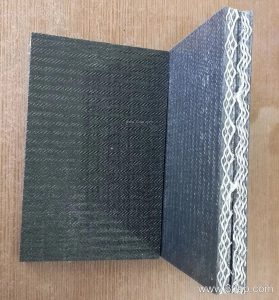
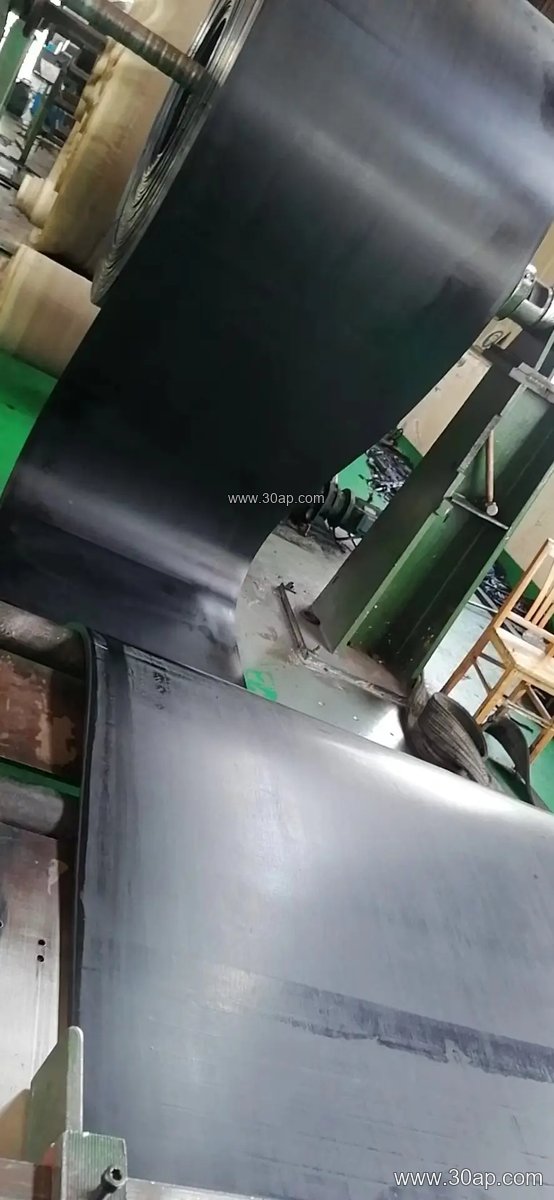
The belt is built from a tension-carrying carcass, top and bottom cover rubber, and edge protection. The carcass may be fabric or steel cord, and the choice drives almost every other decision.
- EP conveyor belt – polyester warp, polyamide weft fabric, common in multi-ply form for main terminal lines and yard conveyors. EP1000 and EP1250 are frequently seen on high-capacity port runs.
- NN conveyor belt – all-nylon fabric with good flexibility and impact absorption, often used where transfer points and smaller pulleys favour a more pliable carcass.
- Steel cord conveyor belt – single-layer steel cables for very long runs and high tension. ST1600, ST2000 and ST2500 appear on large shiploading and stockyard systems.
- Solid woven PVC or PVG belt – used in some enclosed or underground-adjacent transfer lines; PVG800S is a typical grade in coal handling.
Cover compounds are matched to the cargo. An abrasion resistant conveyor belt suits ore and clinker; a heat resistant conveyor belt handles cement or sinter; an oil resistant conveyor belt is chosen for certain fertilizers and oily cargo; a flame retardant conveyor belt or fire resistant conveyor belt is specified where regulations or fire risk demand it. Anti-static and cold resistant versions are available for dry, dusty or cold-climate terminals.
Typical Specifications at a Glance
The values below are reference ranges, not a fixed catalogue. Final figures depend on the conveyor design, duty and manufacturer.
| Parameter | Common reference |
|---|---|
| Belt width | B800, B1000, B1200, B1400, B1600, B1800, B2000 |
| EP strength grades | EP400, EP630, EP800, EP1000, EP1250, EP1600 |
| Steel cord grades | ST1250, ST1600, ST2000, ST2500 |
| Cover thickness | 4+2 mm, 5+2 mm, 6+2 mm, 8+3 mm |
| Fabric plies | 2 to 6 plies, depending on tension |
Width and pulley diameter are independent design choices. A 1200 mm belt may run on different pulley sizes in different terminals; shaft diameter must be calculated from the actual load case, never assumed from belt width alone.
Where It Fits in the Terminal
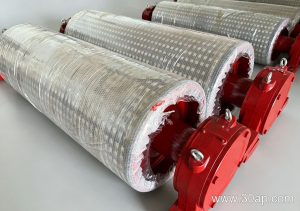
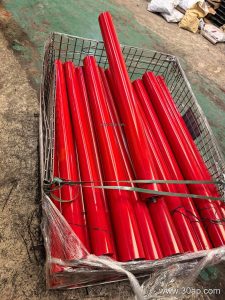
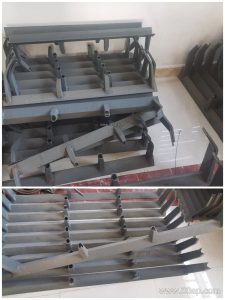
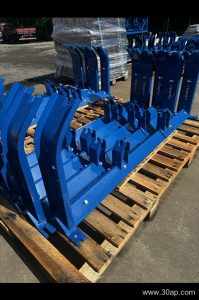
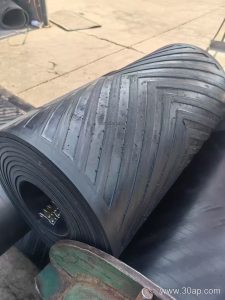
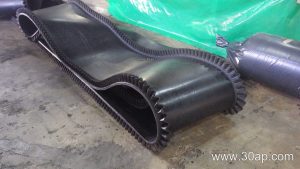
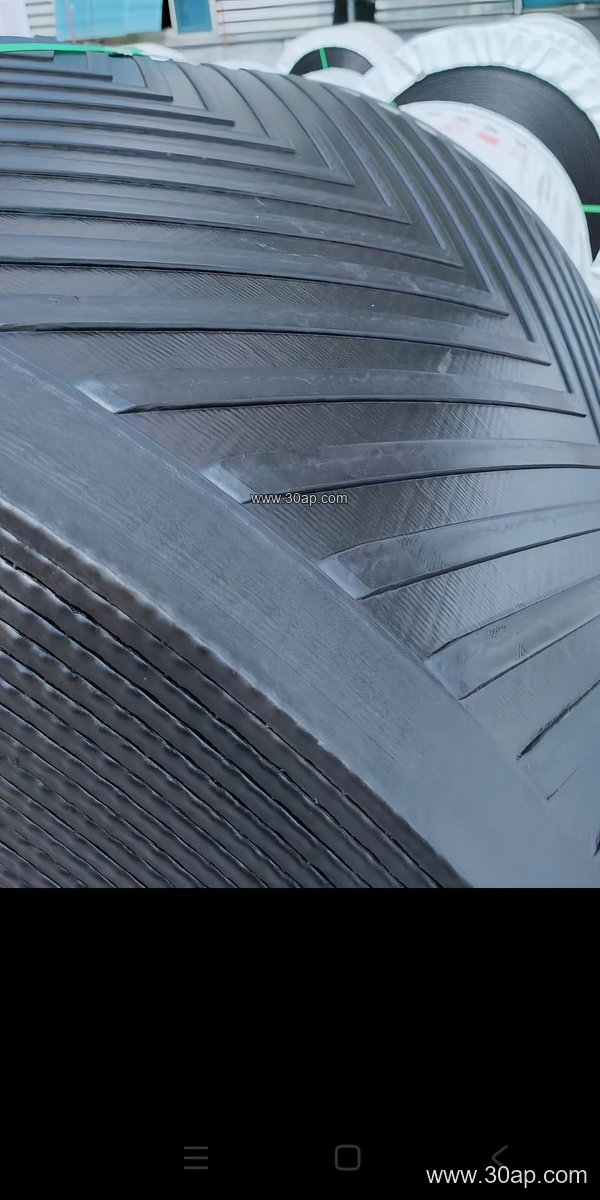
On a shiploader, the belt works with conveyor pulleys at the drive, tail and bend positions, idler rollers supporting the carrying and return strands, and conveyor brackets holding the frame. Impact beds and skirt rubber control material at transfer chutes. In stockyards, the same belt type may feed a stacker-reclaimer or a train loading station. Quarry and aggregate terminals use similar constructions, often with a chevron conveyor belt or corrugated sidewall conveyor belt on inclined sections to prevent roll-back or spillage.
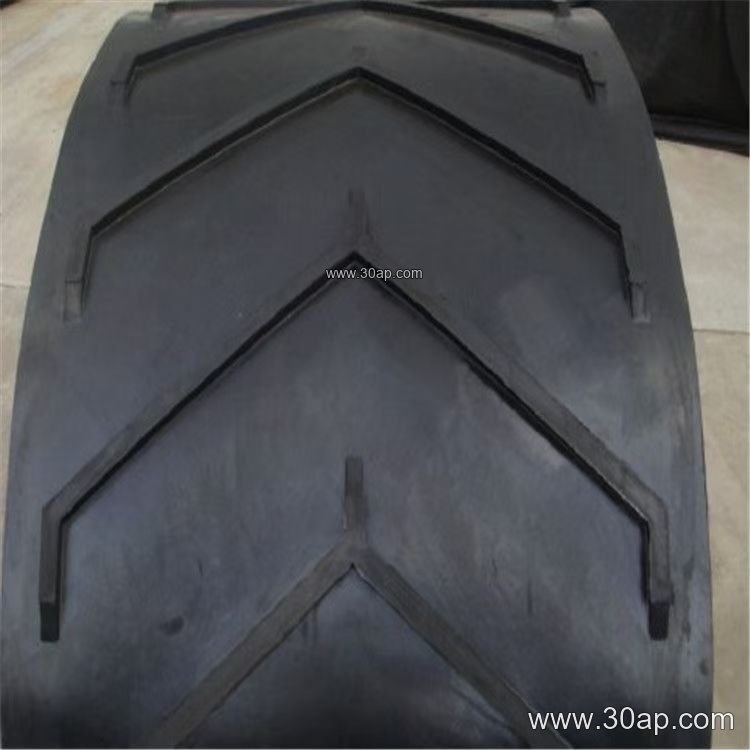
For enclosed routes, a pipe conveyor belt can curve around obstacles and contain dust, which matters near residential or protected areas. For steep inclines, a chevron or skirted belt is a practical comparison, though neither replaces the flat mainline belt on long horizontal runs.
Selection and Maintenance Notes
Start with the material: lump size, moisture, temperature, abrasiveness and oil content. Then confirm the required capacity and centre distance, which together set the belt tension and strength grade. Check the smallest pulley in the line, since fabric belts need adequate pulley diameter to avoid ply fatigue. Specify cover thickness for wear life, not only for initial price.
Endless conveyor belt splices are preferred on critical shiploading lines because a vulcanised joint reduces the risk of catching at pulleys and skirts. Keep idler rollers turning freely; a seized roller can damage the cover quickly. Track belt tracking, edge wear and splice condition during scheduled shutdowns, and keep spare belt sections matched to the installed grade so a repair does not mix incompatible carcasses.
A well-matched port conveyor belt is a system decision: cargo, tension, pulley geometry and climate all meet in one specification. Buyers who compare carcass type and cover compound against real operating conditions usually get longer service life than those who select on width and price alone.