Understanding the Parallel Idler Bracket
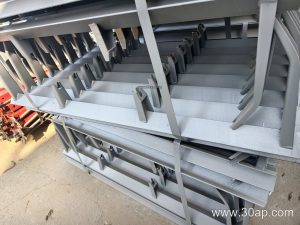
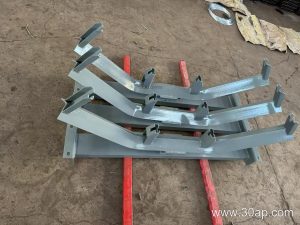
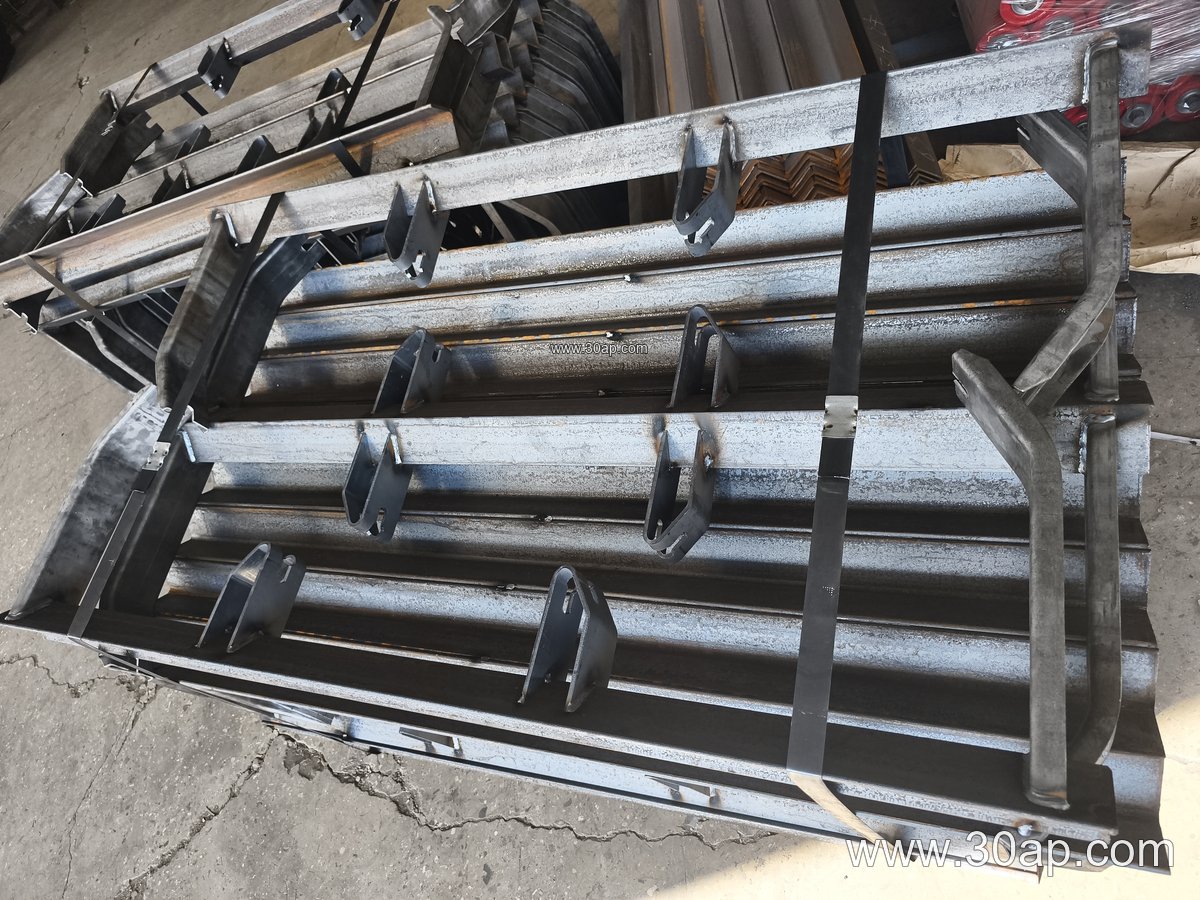
A parallel idler bracket, often simply called a parallel bracket or flat idler bracket, is a structural component that supports the idler roller on the return side of a conveyor belt. Unlike its troughed counterparts on the carrying side, this bracket holds the idler in a flat, horizontal position. This configuration is essential for guiding the empty belt as it travels back to the tail pulley, minimizing sag and maintaining proper belt tracking. In industries such as mining, cement plants, and power generation, the parallel idler bracket plays a critical role in the overall efficiency of the material handling system.
Construction and Design Features
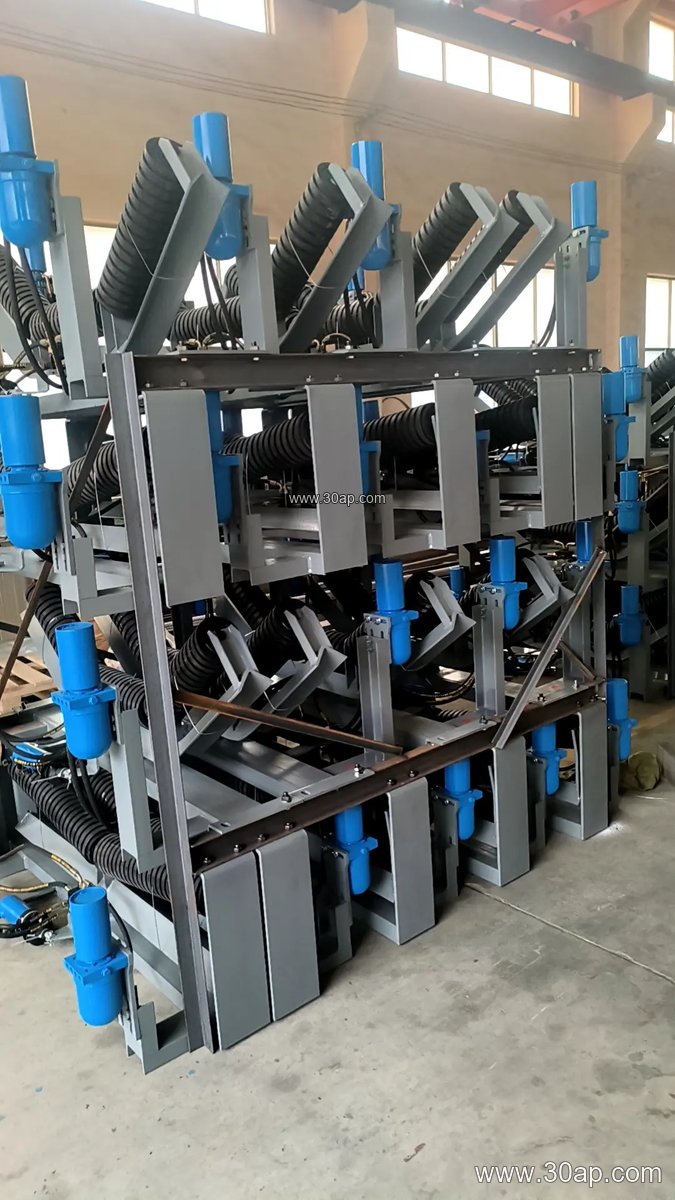
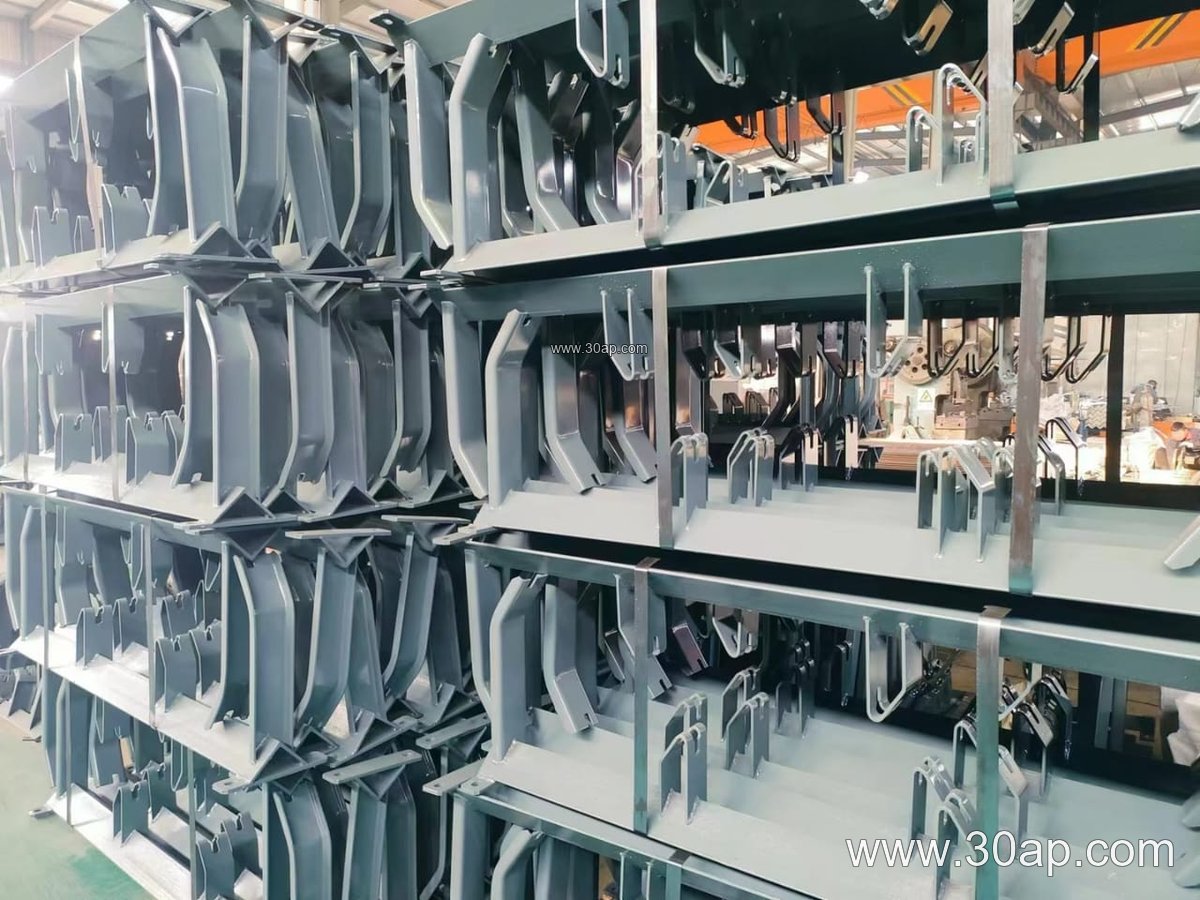
These brackets are typically fabricated from angle steel, channel steel, or bent steel plate, chosen for their strength and durability. The design focuses on rigidity to withstand the constant load of the return belt and any residual material. A key feature is the mounting arrangement: the bracket includes slots or holes that allow for precise alignment of the idler roller. Some parallel brackets are fixed, while others offer adjustable height to accommodate different belt thicknesses or to fine-tune belt training. The bracket must be compatible with the conveyor frame, and its dimensions, such as the distance between mounting holes, are determined by the belt width and the specific idler diameter used.
Materials and Fabrication
Common materials include mild steel with protective coatings like paint or galvanizing to resist corrosion. In harsh environments, such as coal mining or quarry operations, heavier gauges and robust welds are preferred. The fabrication process ensures that the bracket can support the dynamic forces exerted by the moving belt and idler without deformation.
Where Parallel Idler Brackets Are Used
You will find parallel idler brackets in a wide range of bulk material handling systems. They are particularly important in:
- Mining and Quarrying: For return strands of conveyor belts transporting ore, rock, or aggregate. Heavy-duty designs are common in iron ore and copper ore operations.
- Cement Plants: Supporting the return belt in clinker and raw material conveyors.
- Power Plants: In coal handling systems, where reliable belt support is crucial.
- Ports and Terminals: For ship loading and unloading conveyors that handle large volumes.
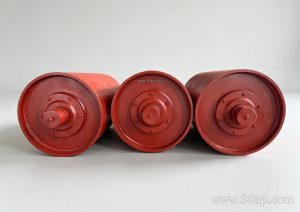
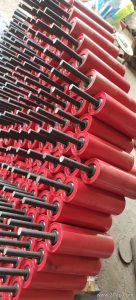
In these settings, the parallel bracket works in tandem with other components like the conveyor pulley and idler roller to ensure smooth operation. For instance, a well-aligned return bracket helps prevent belt mistracking, which can lead to edge damage and spillage.
Selection and Sizing Considerations
Choosing the right parallel idler bracket involves matching it to the conveyor’s specifications. Key parameters include the belt width, the idler diameter, and the required mounting configuration. Below is a reference table of common combinations; however, these are not fixed rules, and actual designs should be confirmed with the conveyor manufacturer.
| Belt Width (mm) | Typical Idler Diameter (mm) | Common Bracket Type |
|---|---|---|
| B500 | Ø89 | Fixed parallel bracket |
| B650 | Ø89 or Ø108 | Fixed or adjustable |
| B800 | Ø108 | Adjustable parallel bracket |
| B1000 | Ø108 or Ø133 | Heavy-duty fixed |
| B1200 | Ø133 | Adjustable or fixed |
| B1400 | Ø133 or Ø159 | Heavy-duty adjustable |
| B1600 | Ø159 | Heavy-duty fixed |
| B1800 | Ø159 or Ø194 | Extra heavy-duty |
Note that the bracket’s mounting hole spacing and crossbeam length vary with belt width and trough angle. For return side applications, the trough angle is not applicable, but the bracket must be designed for flat idler mounting. Adjustable brackets are useful when belt thickness or idler size may change, or to correct minor misalignment.
Compatibility with Conveyor Components
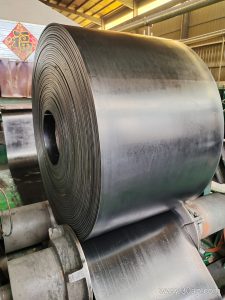
The parallel idler bracket must integrate seamlessly with the conveyor belt and idler roller. For example, when using an EP conveyor belt or a steel cord conveyor belt in a mining application, the bracket must be robust enough to handle the belt’s tension and weight. In coal mining, flame retardant conveyor belts are often required, and the bracket should be selected to match the fire safety requirements of the entire system. Similarly, in food processing or agricultural facilities, where food grade conveyor belts are used, the bracket may need to be easy to clean and resistant to washdown chemicals.
The bracket also interacts with the conveyor pulley at the tail end. Proper alignment between the parallel bracket and the tail pulley ensures the belt remains centered. In some cases, a bend pulley may be used to change the belt direction, and the parallel brackets leading to it must provide stable support.
Maintenance and Troubleshooting
Regular inspection of parallel idler brackets is straightforward but important. Check for signs of corrosion, wear at mounting points, and loose bolts. A misaligned or damaged bracket can cause the return idler to sit unevenly, leading to belt tracking issues and premature wear of the conveyor belt. In dusty environments like cement plants or quarries, accumulated material should be cleaned off to prevent imbalance. Adjustable brackets should be checked to ensure they remain locked at the set position.
When replacing a bracket, always verify the belt width and idler diameter to ensure compatibility. Using an incorrect bracket can compromise the entire conveyor’s performance.
Buyer’s Checklist
- Confirm the belt width and idler diameter for your conveyor.
- Decide between fixed and adjustable types based on maintenance needs.
- Check material thickness and coating for environmental conditions.
- Ensure mounting dimensions match your conveyor frame.
- Consider the weight and tension of your conveyor belt, especially for heavy-duty mining or bulk material applications.
By paying attention to these details, you can select a parallel idler bracket that enhances the reliability and longevity of your conveyor system, whether it operates in a sand and gravel plant, a fertilizer facility, or a tunnel boring project.