What an Ore Conveyor Belt Does in the Material Flow
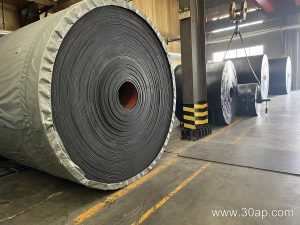
An ore conveyor belt is the load-carrying element of a bulk handling line that moves crushed or run-of-mine rock from a primary crusher, stockpile, or shaft station to the next stage of processing. In a quarry, a gold mining operation, or an iron ore conveyor belt circuit, the belt has to survive sharp edges, heavy impact at the loading point, and often wet or dusty conditions. It is not a single rubber sheet but a composite: a tension-bearing carcass, top and bottom covers, and usually an edge construction that keeps the whole assembly tracking straight.
Because the material is abrasive and sometimes hot or oily, the choice of belt construction matters more than the conveyor frame. A general-purpose black belt may run fine on a sand making plant conveyor, but a primary ore line usually needs a thicker abrasion resistant conveyor belt with a robust carcass.
How the Belt Is Built
Most ore belts fall into two carcass families. Fabric-reinforced belts use woven plies, while steel cord belts use brass-plated wires running longitudinally. The fabric group covers EP conveyor belt (polyester warp, nylon weft), NN conveyor belt (nylon warp and weft), and multi-ply fabric core conveyor belt constructions. Steel cord conveyor belt is chosen when the line is long or the tension is high, and it allows fewer splices over a long haul.
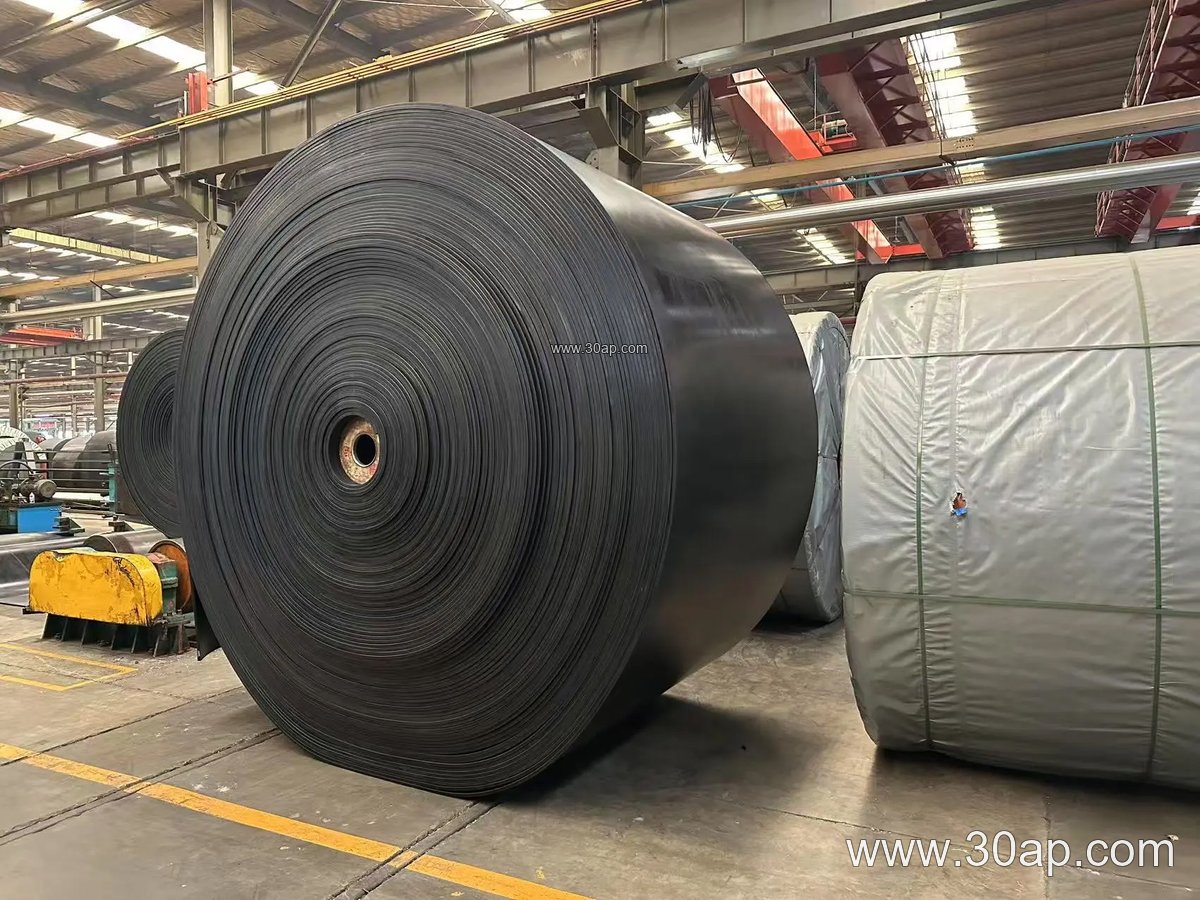
Cover compounds are selected for the duty. A high abrasion resistant conveyor belt handles sharp, dry rock; a heat resistant conveyor belt is used where sinter or clinker is present; oil resistant and flame retardant grades appear in coal mining conveyor belt and underground coal mining conveyor belt service. In metalliferous mines, anti-static and fire resistant properties are often specified together with abrasion resistance.
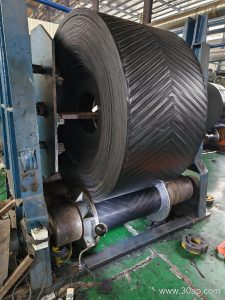
Edge profiles change the cross-section. A corrugated sidewall conveyor belt or skirted conveyor belt contains material on steep inclines, while a chevron conveyor belt improves grip on gradients. A pipe conveyor belt encloses the load for dust control and curved routes. These are different designs and are not interchangeable with a flat ore belt.
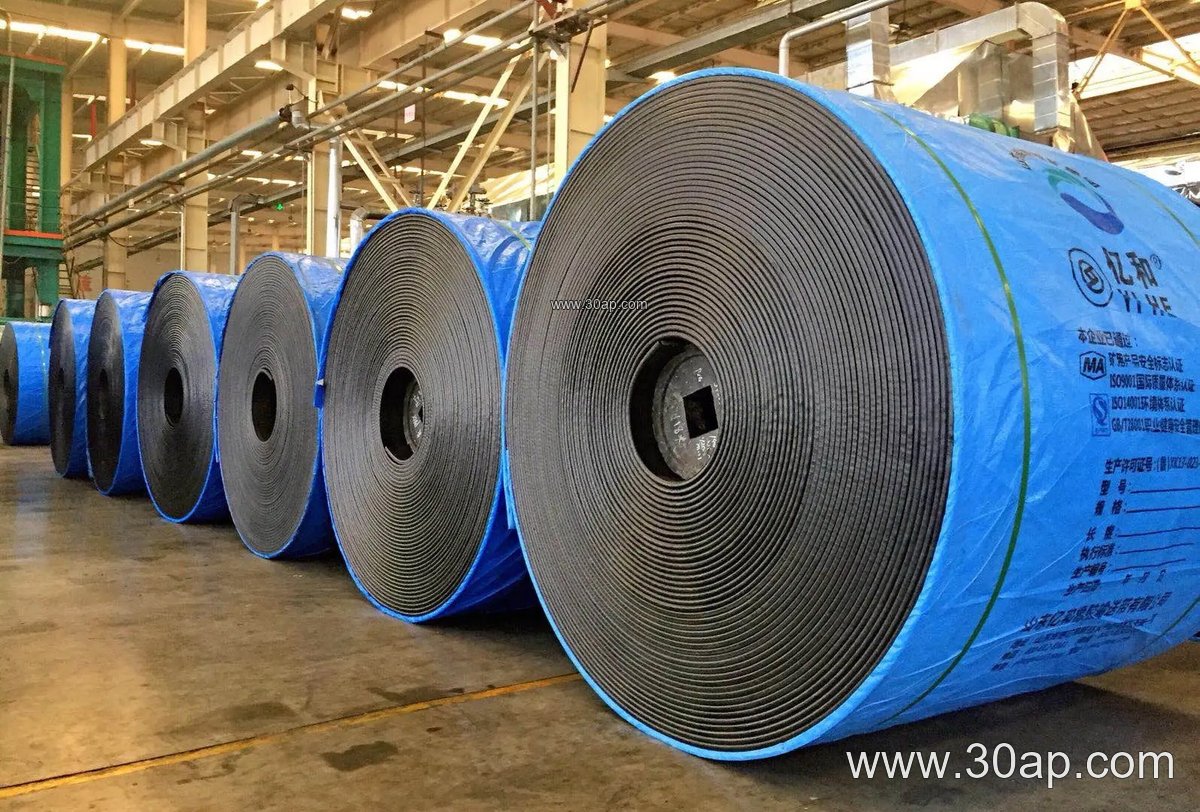
Typical Service Conditions
- Primary crushing discharge with high impact and large lumps
- Overland conveying from pit or shaft to the processing plant
- Stockyard and ship loading lines at ports
- Transfer points feeding screens, mills, and silos in cement and steel plants
- Underground haulage in coal and metal mines
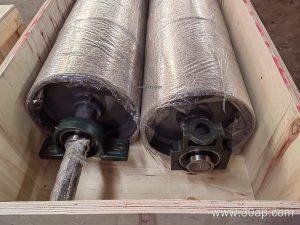
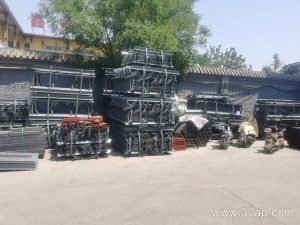
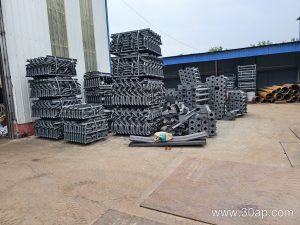
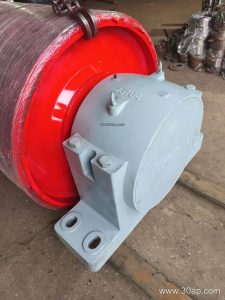
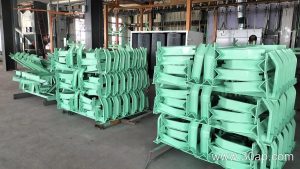
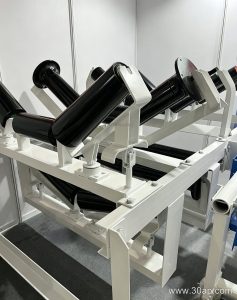
At each transfer point, a set of idler roller frames and a conveyor pulley work with the belt. The drive pulley provides traction, the tail pulley returns the belt, and bend pulleys route it around curves or take-up systems. A conveyor bracket holds the idlers and pulleys in alignment. These components are matched to the belt by the conveyor designer, not by a fixed rule linking one belt width to one pulley diameter.
Reference Dimensions and Grades
Values below are common reference ranges, not universal specifications. Final dimensions should follow the conveyor design and the supplier’s data sheet.
| Parameter | Common reference values |
|---|---|
| Belt width | B500, B650, B800, B1000, B1200, B1400, B1600, B1800, B2000 mm |
| EP strength grades | EP200, EP315, EP400, EP500, EP630, EP800, EP1000, EP1250, EP1600, EP2000 |
| Steel cord grades | ST1000, ST1250, ST1600, ST2000, ST2500, ST3150 |
| Cover thickness (top + bottom) | 3+1.5, 4+2, 5+2, 6+2, 8+3 mm |
| Fabric plies | Usually 2 to 6 layers |
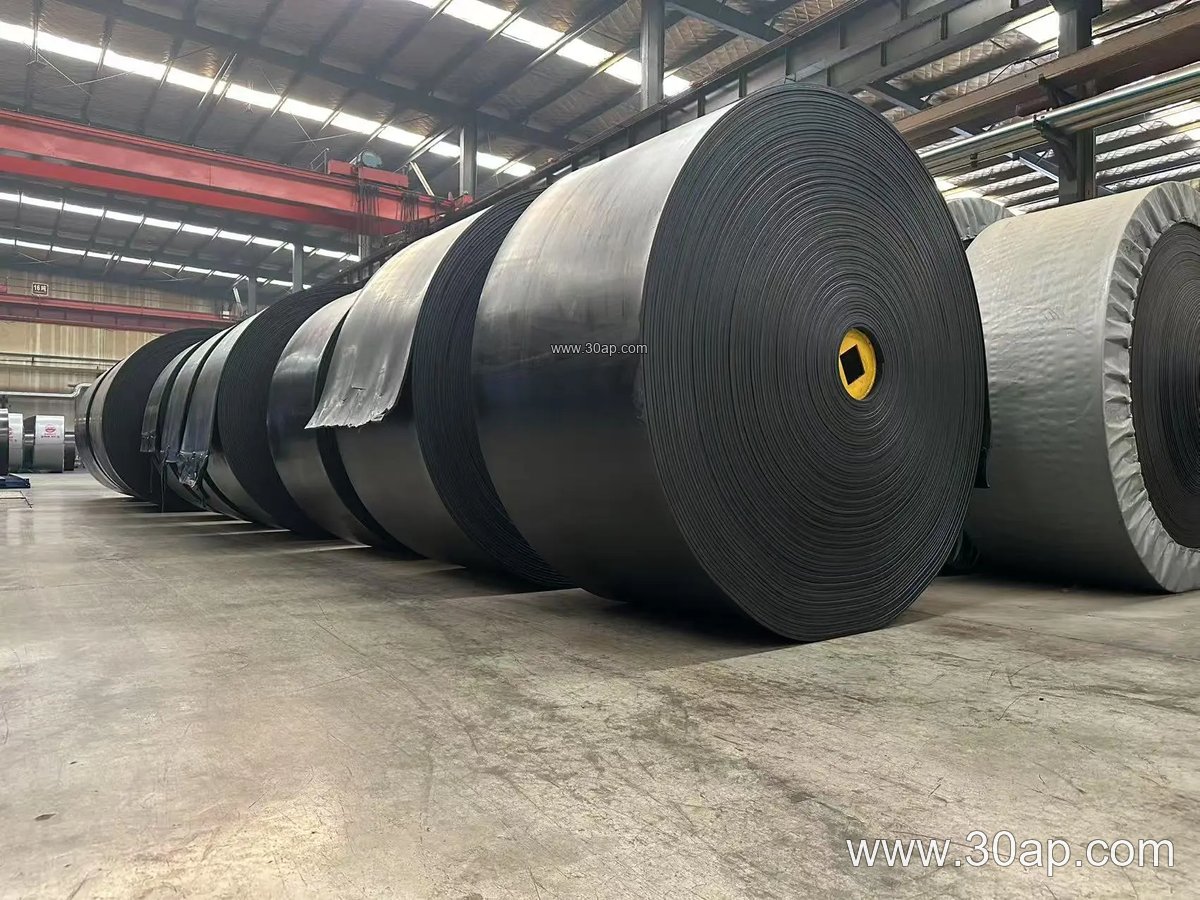
For example, an EP1000 belt at 1200 mm width is a common combination on medium-duty ore lines, while an EP1250 unit at 1800 mm may serve a high-capacity overland section. A thick conveyor belt with an 8+3 mm cover is often seen at primary crusher discharge. None of these pairings is mandatory; each is set by tension, capacity, and lump size.
What Buyers Should Check
Start with the duty: lump size, drop height, moisture, temperature, and whether the rock is oil-bearing or acidic. Confirm the required tension rating and carcass type before comparing cover thickness. Ask how the belt will be spliced, since a steel cord belt and a fabric belt need different splice methods and site skills. Check pulley and idler compatibility with the selected belt thickness and edge profile.
For a mine or quarry that runs several lines, it helps to standardize on one or two carcass families and a small set of widths, then vary the cover grade by station. Spare belt, splice materials, and a matching abrasion resistant conveyor belt for the crusher discharge can then be stocked with less duplication.
Finally, review tracking and loading details. A properly centered load, adequate impact idlers, and correct pulley lagging reduce edge damage and extend belt life more than any single upgrade.