What the Ø108 Conveyor Idler Actually Does
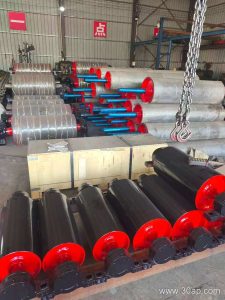
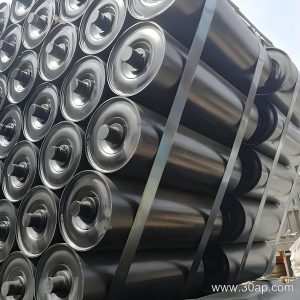
The Ø108 conveyor idler is a 108 mm diameter roller that supports the conveyor belt along its carrying and return runs. It is one of the most widely used roller diameters in bulk handling because it balances load capacity, rolling resistance and cost. In a quarry conveyor line, a cement plant clinker route or a power plant coal handling system, these idlers keep the belt tracking smoothly and protect both the belt cover and the splices. They are commonly called 108 mm idler rollers, and the name describes the roller shell diameter rather than the shaft or bearing size.
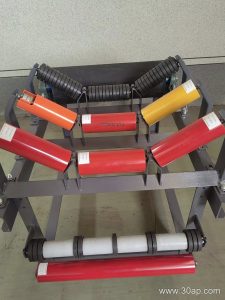
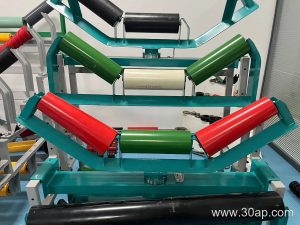
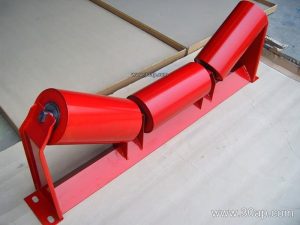
An idler roller works as part of a larger assembly. The roller body sits in a conveyor bracket or frame, and a group of rollers forms the trough that shapes the belt. The Ø108 size is often used in three-roll troughing sets, but it also appears in return, impact and training positions. The belt itself may be any construction suited to the duty, from an abrasion resistant conveyor belt in a stone crushing circuit to a flame retardant conveyor belt in a coal mining conveyor.
How a 108 mm Roller Is Built
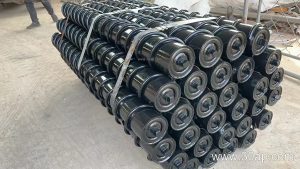
A typical Ø108 conveyor idler consists of a steel tube shell, welded bearing housings at each end, a through shaft, and sealed bearings. The seal arrangement matters as much as the tube thickness, because dust and water ingress are the main causes of premature seizure. Common bearing sizes used in this diameter class include 6205, 6305 and 6306, but the correct bearing depends on the load calculation and the manufacturer’s design, not on the roller diameter alone.
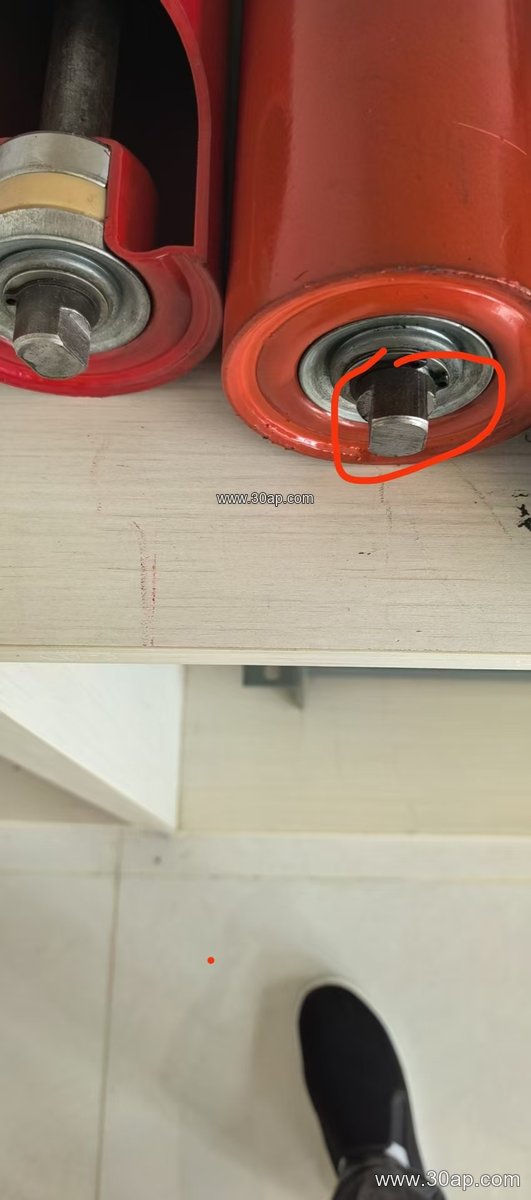
Roller surfaces vary by application. Plain steel is the standard choice for general bulk material. Rubber rings are added on impact idlers below crusher discharge points to absorb shock. Nylon or ceramic covers may be selected where sticky material builds up on the shell. The shaft diameter is determined by the frame design and the load on the idler, so a buyer should never assume a fixed shaft size from belt width.
Where It Fits on the Conveyor
On the carrying side, Ø108 idlers are usually arranged in three-roll troughing sets with trough angles of 20, 30, 35 or 45 degrees. A sharper trough holds a deeper material bed and reduces spillage, but it also increases the bending stress at the belt edges. Transition idlers with smaller trough angles are placed near the head and tail to ease the belt from flat to troughed profile.
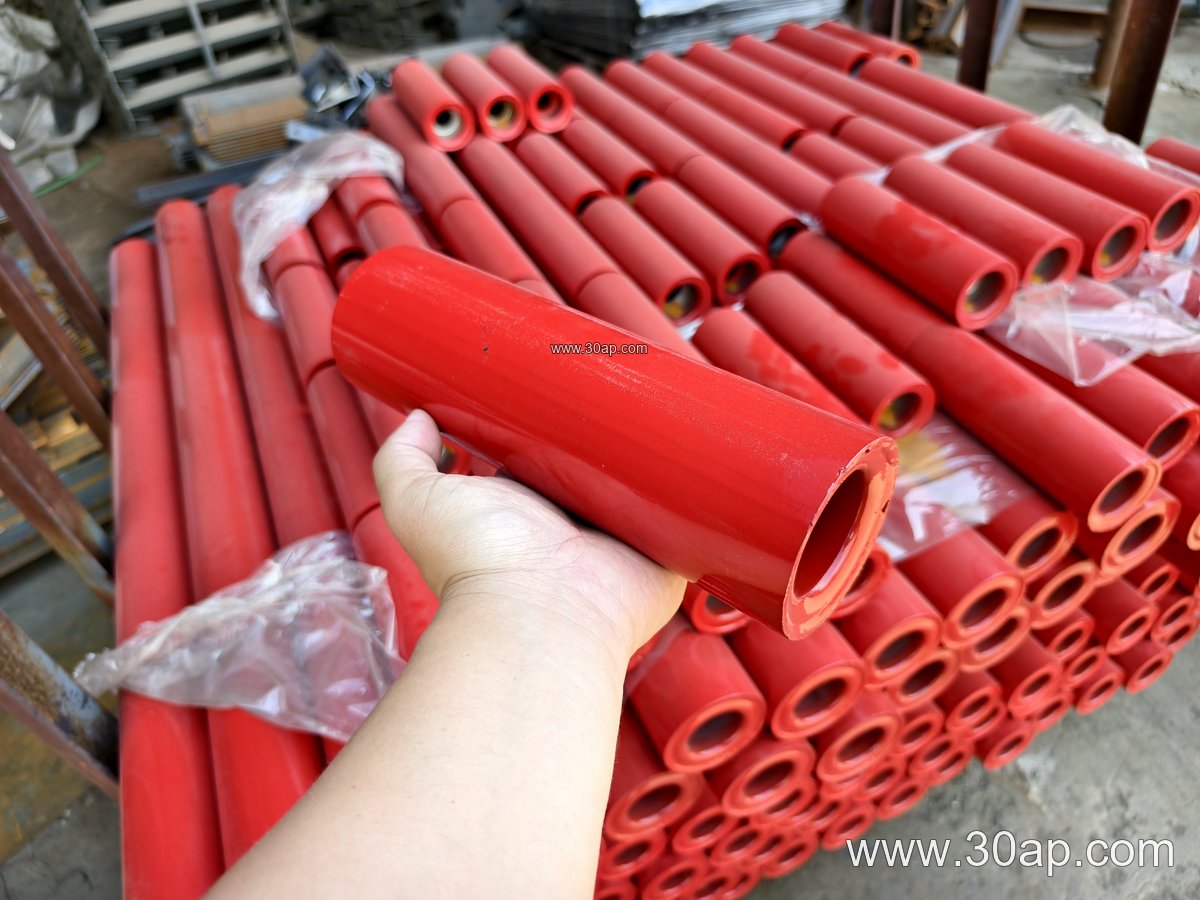
On the return side, flat or V-return rollers support the empty belt. Training idlers, including friction and tapered self-aligning types, correct belt drift on long runs. The same 108 mm shell can serve in all these positions, but the roll length, bracket type and bearing selection change with the duty.
- Troughing sets on the carrying run of a quarry or aggregate conveyor
- Impact sections below a crusher or transfer chute
- Return and V-return positions on the empty strand
- Self-aligning stations on long overland or plant conveyors
Common Size References
The table below gives typical roll lengths for three-roll troughing sets. These are common examples only; side rolls and center rolls can differ, and final dimensions are set by the conveyor design. A belt width does not dictate a single pulley diameter or shaft size.
| Belt width | Typical roll length, three-roll trough |
|---|---|
| B500 | about 200 mm |
| B650 | about 250 mm |
| B800 | about 315 mm |
| B1000 | about 380 mm |
| B1200 | about 465 mm |
| B1400 | about 530 mm |
| B1600 | about 600 mm |
| B1800 | about 670 mm |
| B2000 | about 750 mm |
For reference, other roller diameters in the same family include Ø63, Ø76, Ø89, Ø102, Ø127, Ø133, Ø159 and larger sizes. The 108 mm roller sits in the middle of this range and suits medium to heavy duties on belts from roughly B650 to B1400 in many plant layouts.
Selection Points for Buyers
Start with the belt width, the material density and the tonnage per hour. Then confirm the trough angle, the frame spacing and the environment. A dusty coal yard may call for extra sealing, while a sinter plant or cement kiln area may need heat-tolerant grease and careful clearance design. Where the conveyed material is abrasive, pair the idlers with a high abrasion resistant conveyor belt and check that the roller shell thickness matches the expected service life.
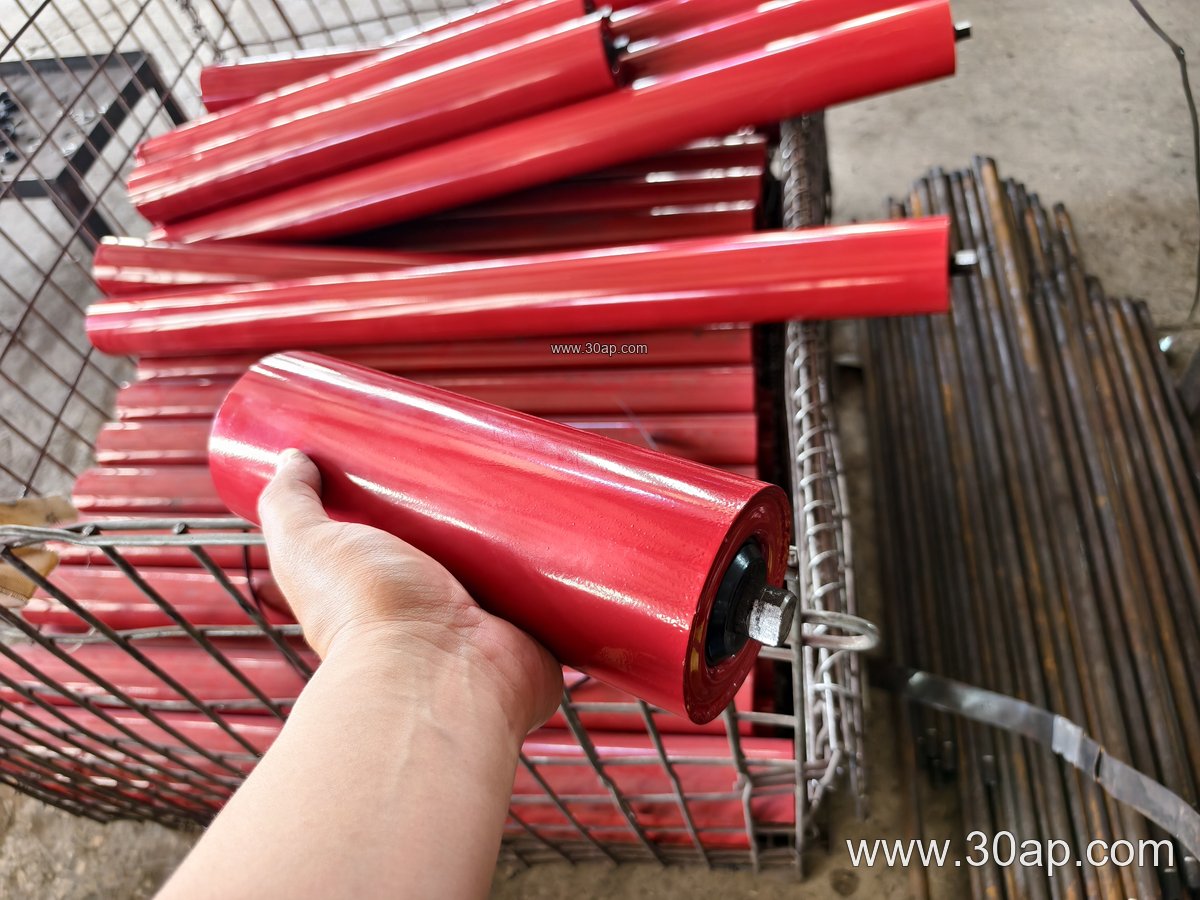
Ask for the bearing brand or grade, the seal type, the tube wall thickness and the shaft material. Confirm the bracket dimensions, because a 108 mm roller from one supplier may not drop into another maker’s frame. For replacement work, measure the existing roll length, shaft end and mounting slot before ordering.
Maintenance and Troubleshooting
Seized or noisy rollers increase belt drag and can wear through the bottom cover. Walk the conveyor regularly and listen for squealing, then check for wobble, shell wear and material build-up. Replace idlers in sets where alignment matters, and keep spares for the most loaded positions. On a gold mining conveyor or an iron ore conveyor, fine dust and moisture make seal quality the deciding factor in roller life.
For more on matching rollers with belts and frames, see the selection notes at trbelt.com and review typical idler roller and conveyor bracket data before finalizing an order.