What a 1000mm Diameter Conveyor Pulley Is
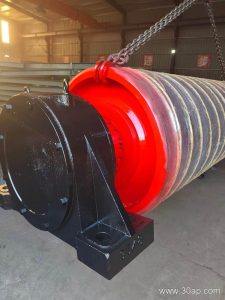
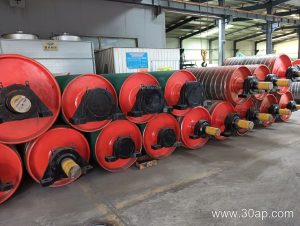
A 1000mm diameter conveyor pulley is a large rotating drum used to drive, tension, or redirect a conveyor belt in bulk material handling. With a nominal diameter of one meter, it falls into the heavy-duty range and is typically found at the head or drive position of high-capacity systems. In many plants, this one-meter pulley is simply called a Ø1000 drum or a 1000mm conveyor pulley, and it may serve as a drive pulley, a tail pulley, or a bend pulley depending on where it is installed. These roles are not interchangeable: a drive pulley transmits torque to the belt, a tail pulley sets belt tension and tracking at the return end, and a bend pulley changes belt direction without driving. The 1000mm diameter conveyor pulley should not be confused with smaller idler rollers or with other pulley subtypes that perform different duties.
Construction and Surface Options
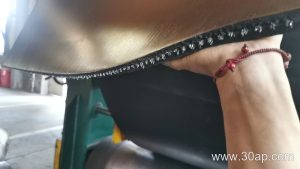
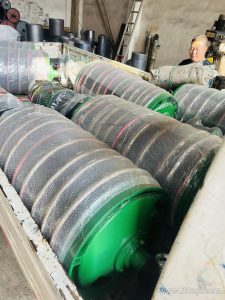
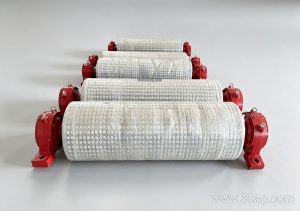
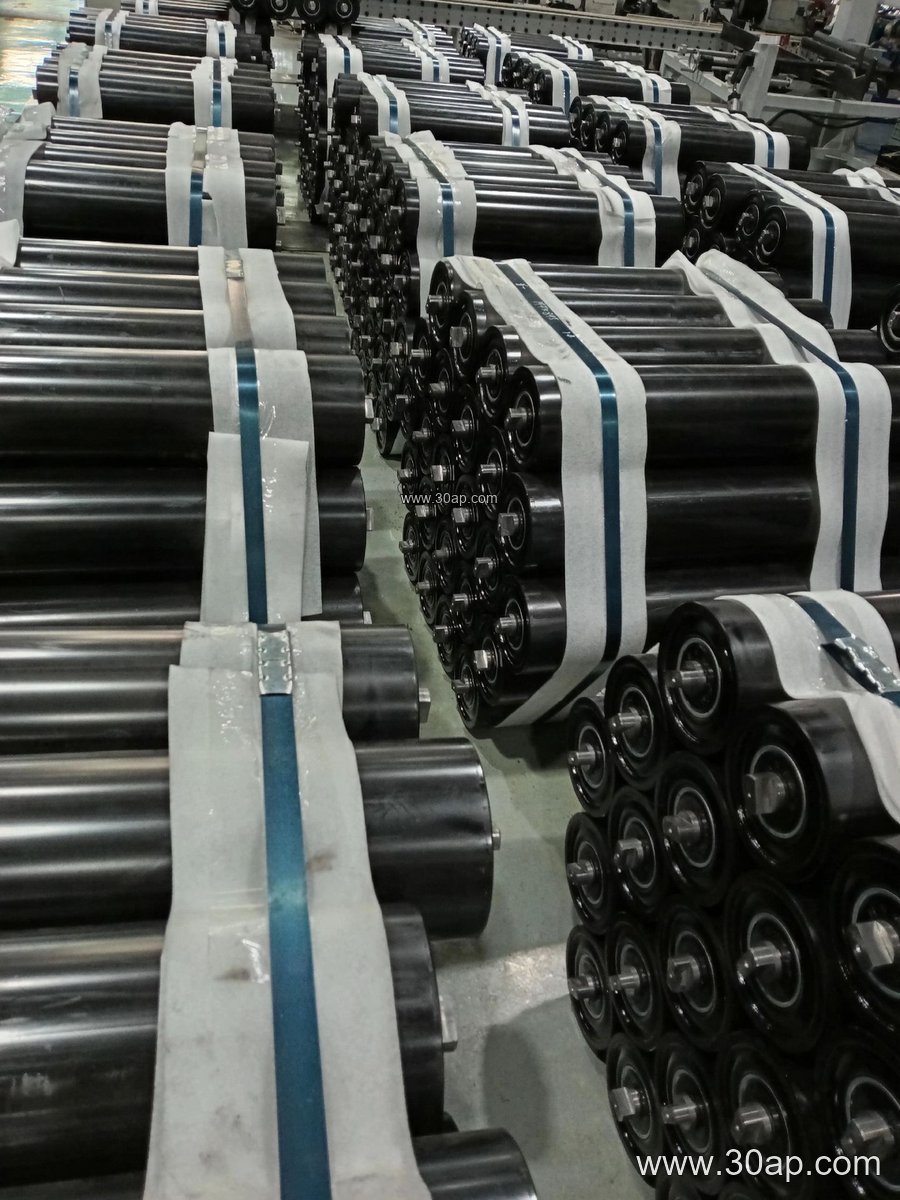
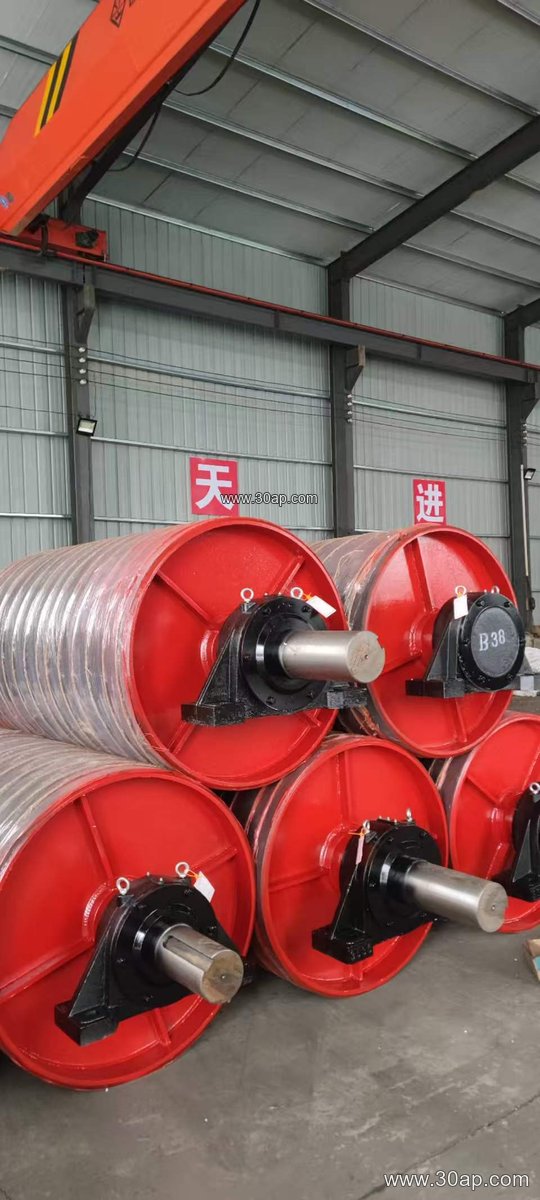
Most 1000mm diameter conveyor pulleys are built with a steel shell, welded end discs, a shaft, and bearing housings. The shell is machined to maintain concentricity, and the surface may be plain or covered with rubber, ceramic, or other lagging. Common lagging thicknesses are 8, 10, 12, 15, and 20 mm. For drive pulleys, diamond or herringbone grooving can improve grip and help shed water and fines. A rubber lagging is often chosen for abrasion resistance, while ceramic lagging may suit wet or oily conditions. The pulley is supported by bearings mounted in conveyor brackets or bearing pedestals, and the shaft diameter is determined by torque and load calculations. Typical shaft sizes range from Ø50 to Ø200 mm, but the exact value must be confirmed by the designer rather than assumed from belt width alone.
Where It Fits in a Conveyor System
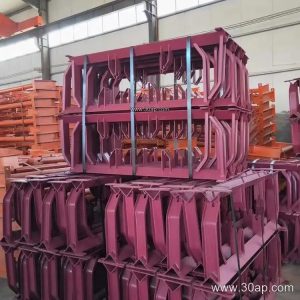
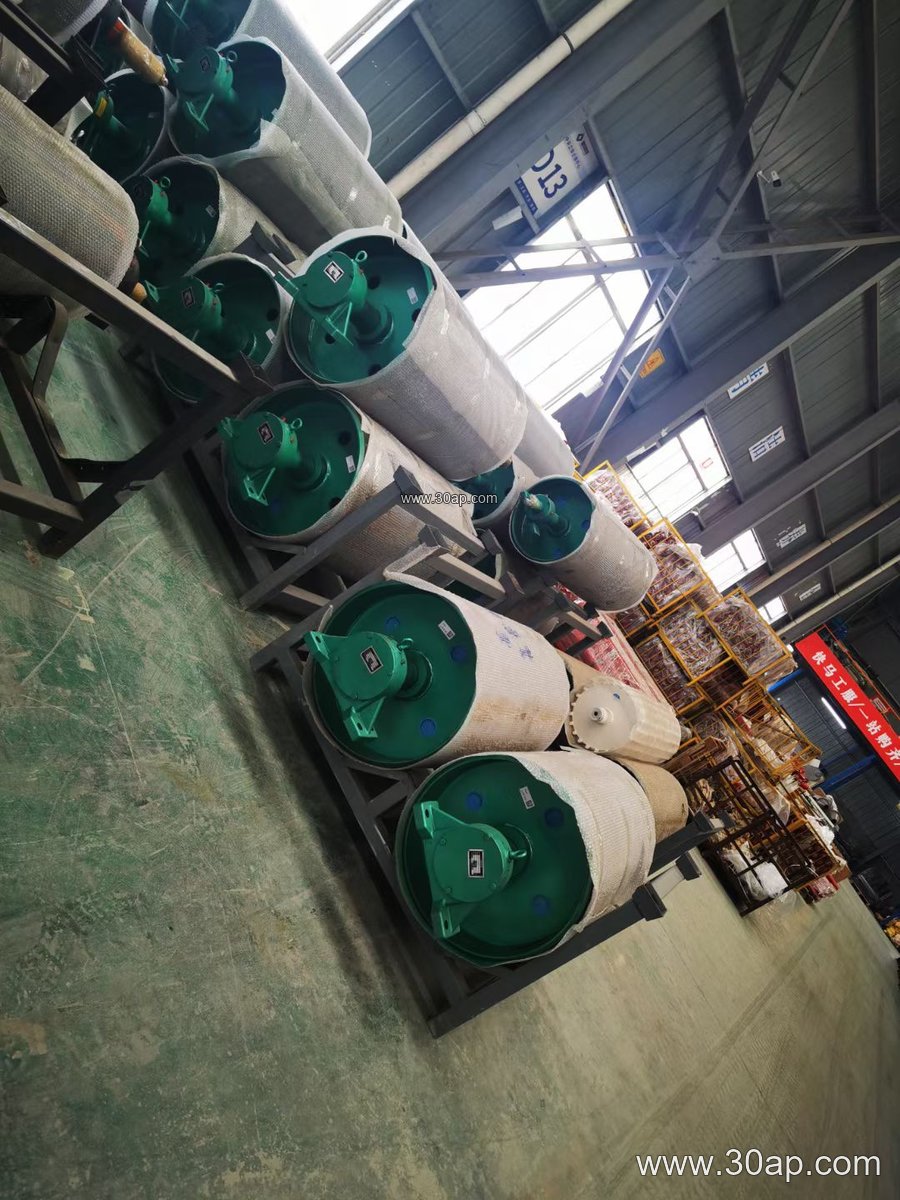
Large-diameter pulleys are often used in mining, coal preparation, cement plants, power station coal handling, and port bulk terminals. In a quarry or aggregate line, a 1000mm diameter conveyor pulley may drive a main haulage belt that carries crushed rock from a crusher to a screening station. In a coal mining or underground coal mining conveyor, a flame retardant conveyor belt may run over a Ø1000 drive pulley to handle high tonnage. The same pulley size can appear as a bend pulley at a transfer point where the belt must change direction, or as a tension pulley in a take-up system. The surrounding equipment usually includes a heavy-duty mining conveyor belt, idler rollers, and sturdy conveyor brackets. Whether the pulley is a drive, tail, or bend type, its location and function dictate the lagging choice and the bearing arrangement.
Matching the Pulley to Belt Width and Belt Type
A 1000mm diameter pulley can be paired with several belt widths, but there is no fixed rule that one belt width requires one pulley diameter. The pulley face width is usually slightly wider than the belt. For example, a B800 belt may run on a pulley with a face width of about 950 mm, while a B1000 belt may use a face width near 1150 mm. Belt construction also matters. A steel cord conveyor belt or a high-strength EP conveyor belt may require a larger pulley diameter to limit bending stress, whereas a multi-ply fabric core conveyor belt or an NN conveyor belt may tolerate a smaller diameter. In practice, a B1200 × Ø1000 combination is common in medium-to-large systems, and a B1400 × Ø800 arrangement might appear in a different duty. The final match depends on belt tension, load, and the conveyor designer’s specification.
Buyer Checklist for a 1000mm Diameter Conveyor Pulley
- Confirm the duty: State whether the pulley is for drive, tail, bend, or tension service. Each has different torque and lagging requirements.
- Specify belt width and type: Provide the belt width (for example, B800, B1000, B1200) and whether the belt is a rubber conveyor belt, EP conveyor belt, steel cord conveyor belt, or another construction.
- Define the lagging: Choose plain, rubber, diamond, herringbone, or ceramic lagging and the thickness, such as 10 mm or 15 mm.
- Check shaft and bearing details: Shaft diameter should follow the torque calculation, not a guess from belt width. Bearing type and mounting must suit the conveyor bracket.
- Consider the environment: For dusty or wet conditions, select lagging that maintains friction. For underground coal mining, a flame retardant conveyor belt may be used with the pulley, and the pulley itself should be compatible with the site’s safety requirements.
A well-specified 1000mm diameter conveyor pulley helps maintain belt tracking, reduce slip, and support reliable operation in demanding bulk handling industries.