What a Conveyor Idler Shaft Actually Does
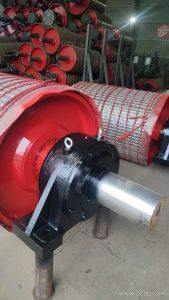
Every idler roller on a conveyor system rotates around a central component: the conveyor idler shaft. This shaft is the stationary axle that supports the roller shell, bearings, and seals. It does not spin with the shell—it stays fixed while the roller body turns on its bearings. The shaft transfers the weight of the conveyor belt and the material being carried down to the conveyor bracket and frame. In a quarry, a cement plant, or a coal mining operation, a worn or misaligned shaft can cause the roller to seize, which then damages the belt and increases power consumption. Understanding this small but critical part helps maintenance teams make better decisions.
Construction and Materials
A typical conveyor idler shaft is made from cold-drawn or turned steel bar. The ends are machined to fit bearing housings and are often flattened or drilled to lock into the bracket. Common shaft diameters follow the roller diameter—for example, a Ø89 roller may use a 20 mm shaft, while a Ø159 roller may use a 30 mm shaft. These are examples only; the actual shaft size is determined by load and design. The shaft surface is usually ground for smooth bearing seating, and some designs include a rust-preventive coating. Bearings such as 6204, 6205, or 6305 are mounted on the shaft, and the shaft’s shoulder and groove positions control bearing spacing. A well-made shaft ensures the roller runs true with minimal vibration.
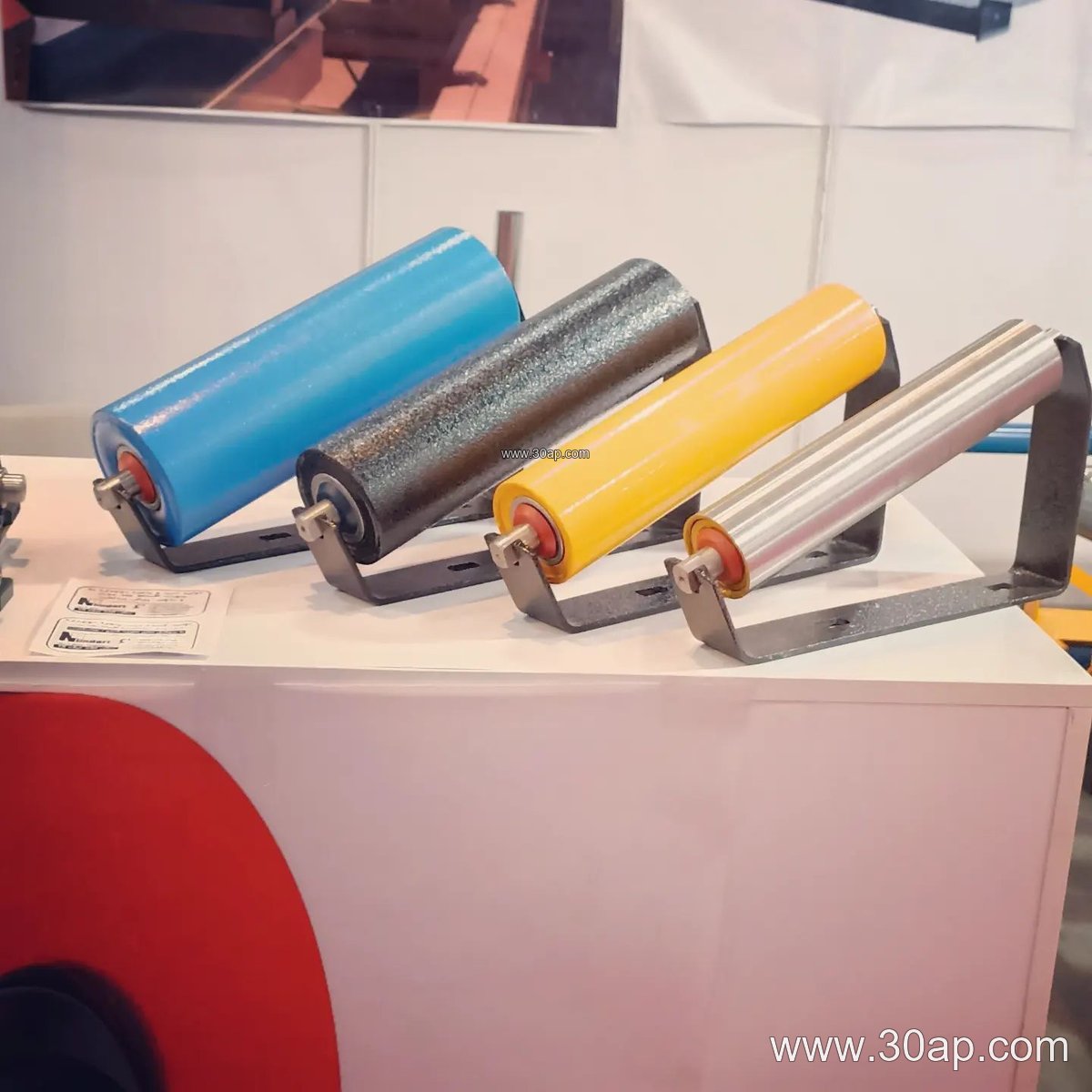
Where It Fits in the Conveyor System
Conveyor idler shafts appear in every idler type: carrying idlers, return idlers, impact idlers, and training idlers. In a sand and gravel line, you might find them in three-roll troughing sets with 30-degree trough angles. In a power plant coal handling system, they support the belt through transfer points. The shaft must match the roller shell length, which varies with belt width—for instance, a 1200 mm wide conveyor belt often uses 465 mm roller shells in a three-roll set. The shaft itself is usually shorter than the shell, with ends protruding to fit the bracket. Proper shaft fit prevents the roller from walking out of its bracket and reduces the risk of belt misalignment.
Parameters and Selection Reference
Use the following reference data as a starting point, not as fixed rules. Shaft dimensions are often matched to roller diameter and bearing size.
| Roller Diameter (mm) | Common Shaft Diameter (mm) | Typical Bearing |
|---|---|---|
| Ø63 | 15–20 | 6204 |
| Ø76 | 20 | 6204 |
| Ø89 | 20–25 | 6205 |
| Ø102 | 25 | 6205 |
| Ø108 | 25 | 6205 |
| Ø127 | 25–30 | 6305 |
| Ø133 | 30 | 6305 |
| Ø159 | 30 | 6306 |
| Ø178 | 30–35 | 6306 |
| Ø194 | 35 | 6308 |
| Ø219 | 35–40 | 6308 |
A buyer should confirm shaft length, end configuration, and material grade with the idler manufacturer. For a 1000 mm wide belt with 35-degree troughing idlers, the shaft may be longer than for a 650 mm belt. Do not assume a shaft that fits one belt width will fit another. Also check the bracket hole size and spacing.
Buyer Checklist for Conveyor Idler Shafts
- Verify shaft diameter matches bearing bore and roller housing.
- Check end machining: flat, drilled, or threaded ends must suit the bracket.
- Confirm material and surface finish for the environment—dusty cement plants may need better sealing, while a fertilizer plant may require corrosion protection.
- Ask for shaft runout tolerance; excessive runout shortens bearing life.
- When replacing a shaft, inspect the roller shell and bearing at the same time.
For heavy-duty mining conveyor belts, including steel cord conveyor belt or flame retardant conveyor belt systems, shaft strength becomes more critical. A well-chosen shaft reduces downtime and protects the conveyor belt investment. For more details on idler shafts or to match them with conveyor pulleys and brackets, visit our site at www.example.com/conveyor-idler-shaft.
Maintenance and Common Issues
Most idler shaft problems come from poor sealing or improper installation. Dust and water ingress can corrode the shaft under the bearing, causing the bearing to spin on the shaft and wear the seat. In a coal mining conveyor belt system, fine coal dust combined with moisture accelerates this. Regular inspection of idler rotation and shaft end play helps. If a roller squeals or runs hot, the shaft or bearing is likely worn. Replace the idler as a unit when possible, and always use the correct shaft for the roller type—do not substitute a shaft from a different idler design.
Choosing the right conveyor idler shaft is a small decision with a big impact on belt life and energy use. Keep belt width, roller diameter, bearing size, and bracket design in mind, and consult your supplier for exact dimensions.