What a Heavy-Load Idler Does on a Conveyor
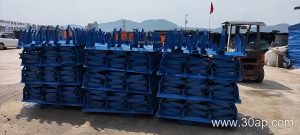
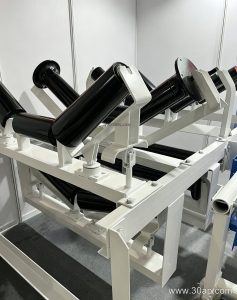
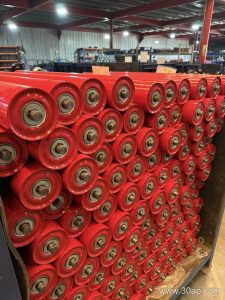
A heavy-load idler is the rolling support under a conveyor belt that carries the weight of the belt, the material, and the impact of loading. In a quarry, a limestone mine, or an iron ore transfer point, the belt may be 1200mm wide or more and the material may arrive in large lumps. Under those conditions, a standard idler can deflect, wear quickly, or seize. A heavy-load idler is built with thicker tube walls, larger bearings, and stronger sealing so the belt keeps tracking and the structure stays stable. You may also see it called a heavy-duty idler roller, which refers to the same product.
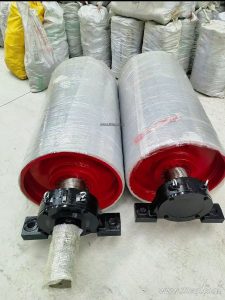
The idler is not the same as a conveyor pulley. Drive pulleys, tail pulleys, and bend pulleys transmit motion or change belt direction; they are not interchangeable with idlers and should not be specified as replacements for one another. A heavy-load idler simply supports the belt between those pulleys.
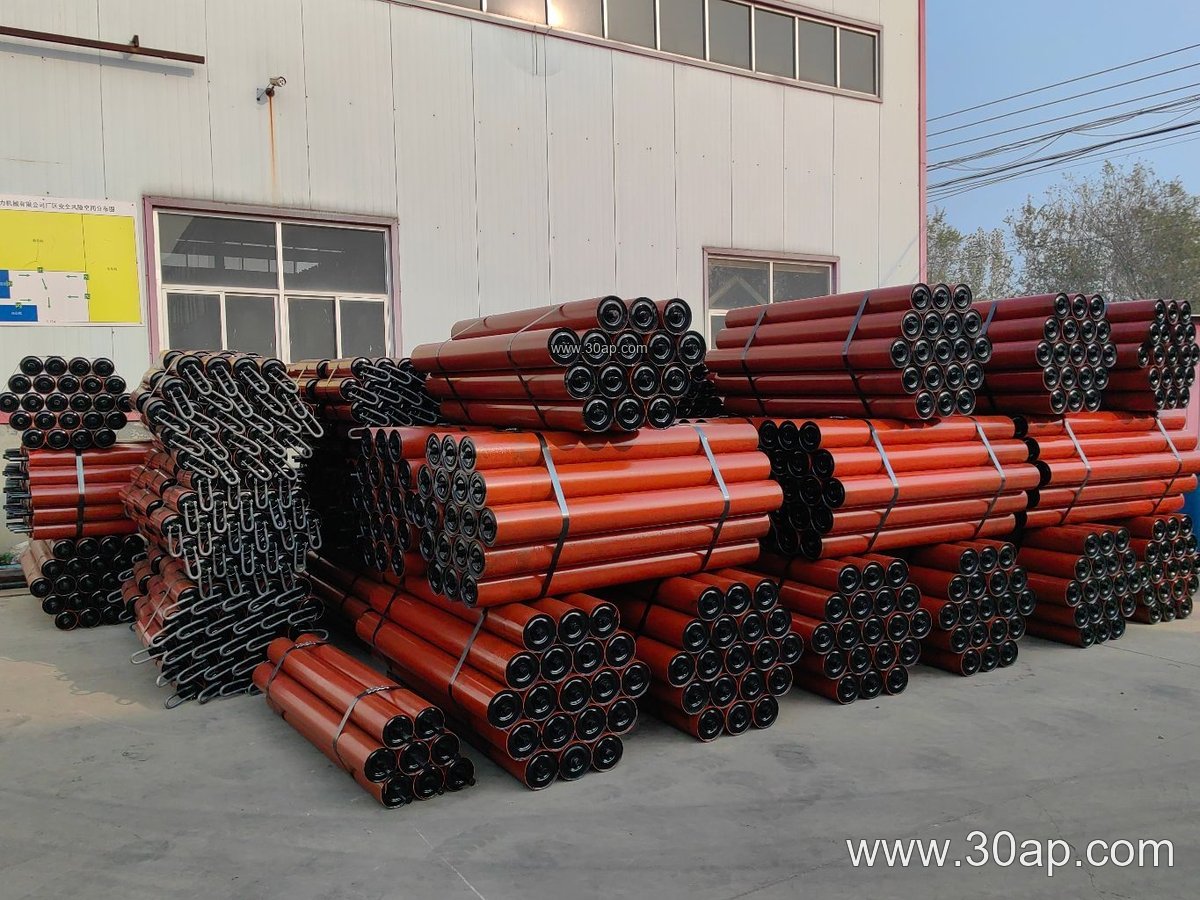
Construction Details That Matter
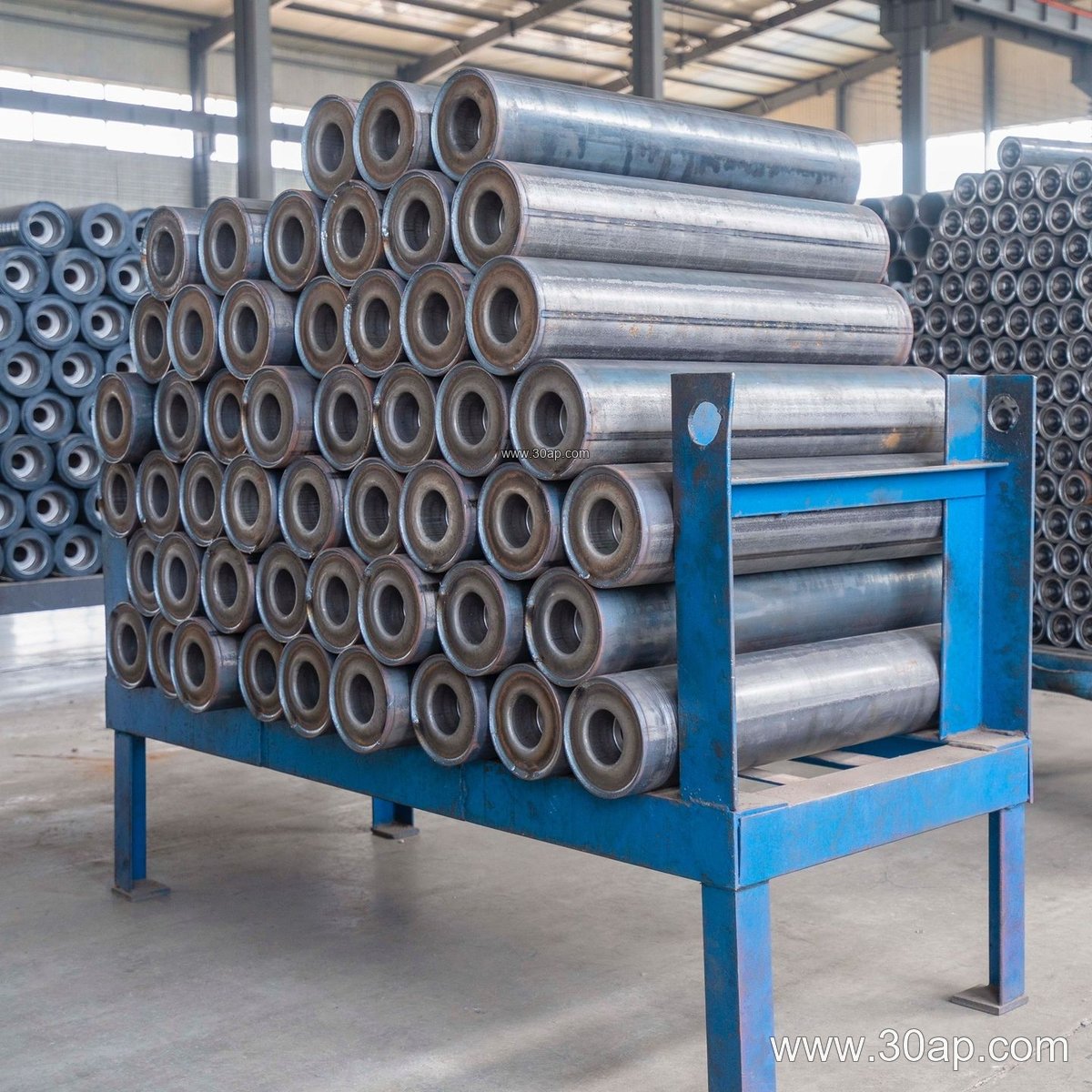
Most heavy-load idlers use a steel tube shell with pressed bearing housings at each end. The shaft is usually machined and fitted with deep-groove ball bearings. Common bearing sizes include 6205, 6305, 6306, 6308, and 6310, but the bearing choice should follow the load calculation, not the belt width alone. Sealing is critical: a multi-labyrinth seal with a dust lip keeps fine grit out in a crusher or screening plant, while a rubber or nylon end cap protects the bearing from washdown and slurry splash.
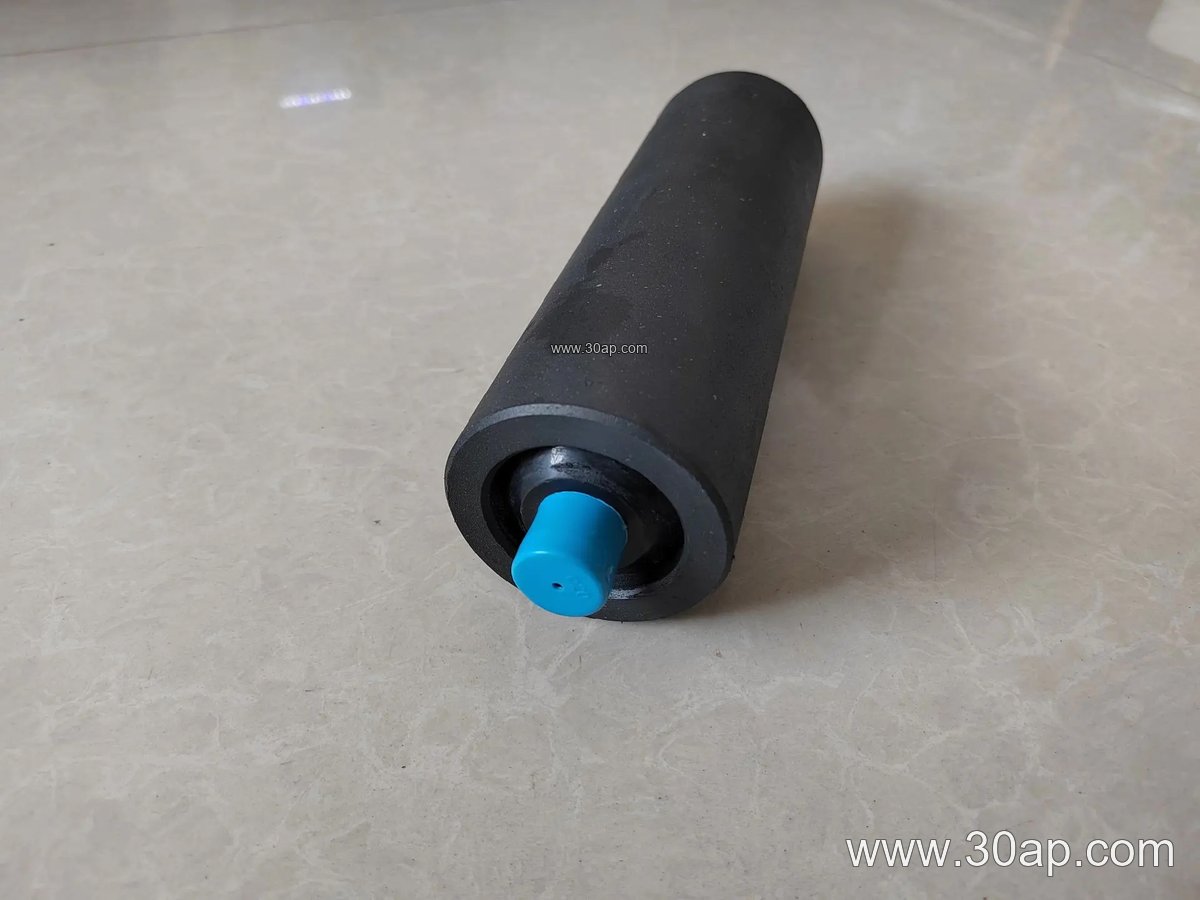
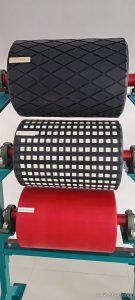
Roller diameters for heavy-duty service often fall in the range of Ø108, Ø127, Ø133, Ø159, and Ø178. Larger diameters turn more slowly and handle higher radial loads, which can extend bearing life. The roller face may be plain steel, nylon, ceramic, or rubber rings. Rubber rings are common on impact sections where lump size is large and the belt needs cushioning.
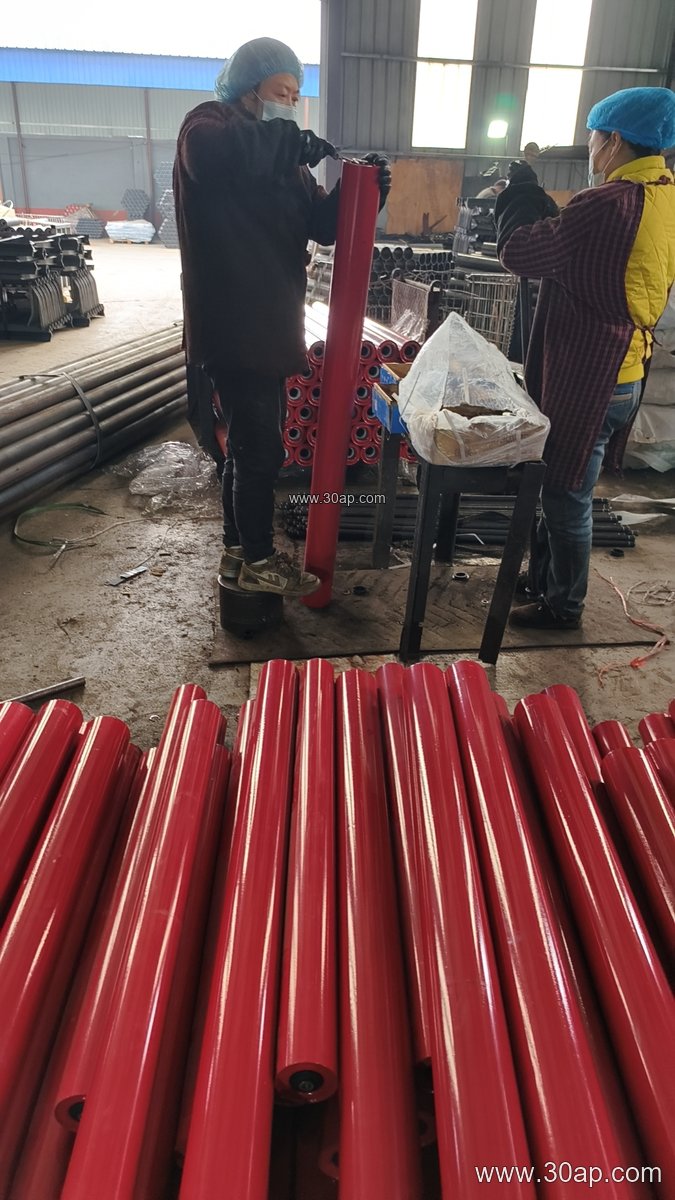
Where Heavy-Load Idlers Are Used
These idlers appear in the loading zone and along the main haul of a bulk material conveyor belt. In a coal mining conveyor belt system, flame retardant and anti-static properties are usually required for the belt, while the idler must resist coal dust and moisture. In a cement plant, heavy-load idlers support clinker and raw meal belts that run continuously. In a power plant coal yard, they carry high-tonnage belts from the stockpile to the boiler bunker. In a sand and gravel line, impact idlers with rubber rings are often placed under the crusher discharge.
Heavy-load idlers also work with abrasion resistant conveyor belt, heat resistant conveyor belt, and oil resistant conveyor belt where the environment demands it. The idler itself does not determine those belt properties, but the two must be matched to the same duty level. A heavy-duty mining conveyor belt running over undersized idlers will still suffer edge damage and mistracking.
Common Configurations and Reference Dimensions
Heavy-load idlers are usually supplied in trough sets of two or three rolls, with trough angles of 20, 30, 35, or 45 degrees. A 35-degree three-roll set is common for high-capacity bulk handling. Return sides may use a single flat roll or a V-shaped return idler. The table below gives common reference values; actual roll length depends on belt width, trough angle, and frame design.
- B500: roll length about 200 mm, typical idler diameter Ø89 to Ø108
- B650: roll length about 250 mm, typical idler diameter Ø89 to Ø127
- B800: roll length about 315 mm, typical idler diameter Ø108 to Ø133
- B1000: roll length about 380 mm, typical idler diameter Ø127 to Ø159
- B1200: roll length about 465 mm, typical idler diameter Ø133 to Ø159
- B1400: roll length about 530 mm, typical idler diameter Ø159 to Ø178
- B1600: roll length about 600 mm, typical idler diameter Ø159 to Ø178
- B1800: roll length about 670 mm, typical idler diameter Ø178 to Ø194
- B2000: roll length about 750 mm, typical idler diameter Ø178 to Ø219
These are typical examples, not fixed pairings. A 1200mm wide conveyor belt may use different roll lengths on the side rolls and the center roll. The shaft diameter should be confirmed from the load rating, not guessed from belt width.
Buyer Checklist Before Ordering
First, confirm the belt width, trough angle, and whether the idler sits on the carrying side or return side. Second, define the material: coal, clinker, iron ore, or aggregate each brings different abrasion and impact. Third, check the sealing class and bearing size against the dust and moisture level. Fourth, verify that the conveyor bracket and frame spacing match the idler shaft ends. Finally, ask for the idler’s radial load rating and service life reference, and compare it with the belt tension and material weight. A heavy-load idler is a small component, but it decides how smoothly the whole conveyor pulley train and belt run.