What a Lower Self-Aligning Idler Does
A lower self-aligning idler is a return-side roller assembly designed to correct belt misalignment without manual adjustment. Mounted beneath the carrying run, it senses a belt that has drifted toward one side and pivots so the roller steers the belt back toward the center line. In a quarry, a cement plant, or a power plant coal yard, a conveyor belt that wanders off track can rub against the frame, fray its edges, and spill material along the walkway. This return-side roller group is one simple countermeasure.
Unlike a plain flat return roller, the self-aligning version is built to move. Its rollers are carried on a pivoting frame that responds to belt contact. When the belt edges press unevenly, the frame swings slightly and the resulting angle nudges the belt back on course. This is a different job from a troughing idler on the carrying side, and it should not be confused with a bend pulley or tail pulley, which redirect the belt rather than guide it.
How the Assembly Is Built
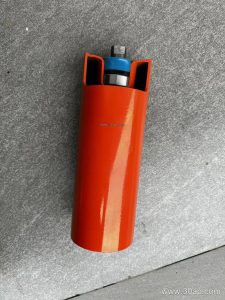
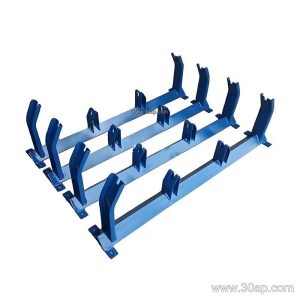
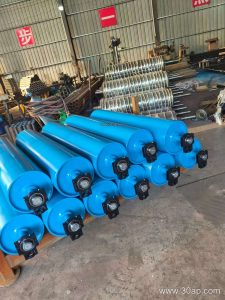
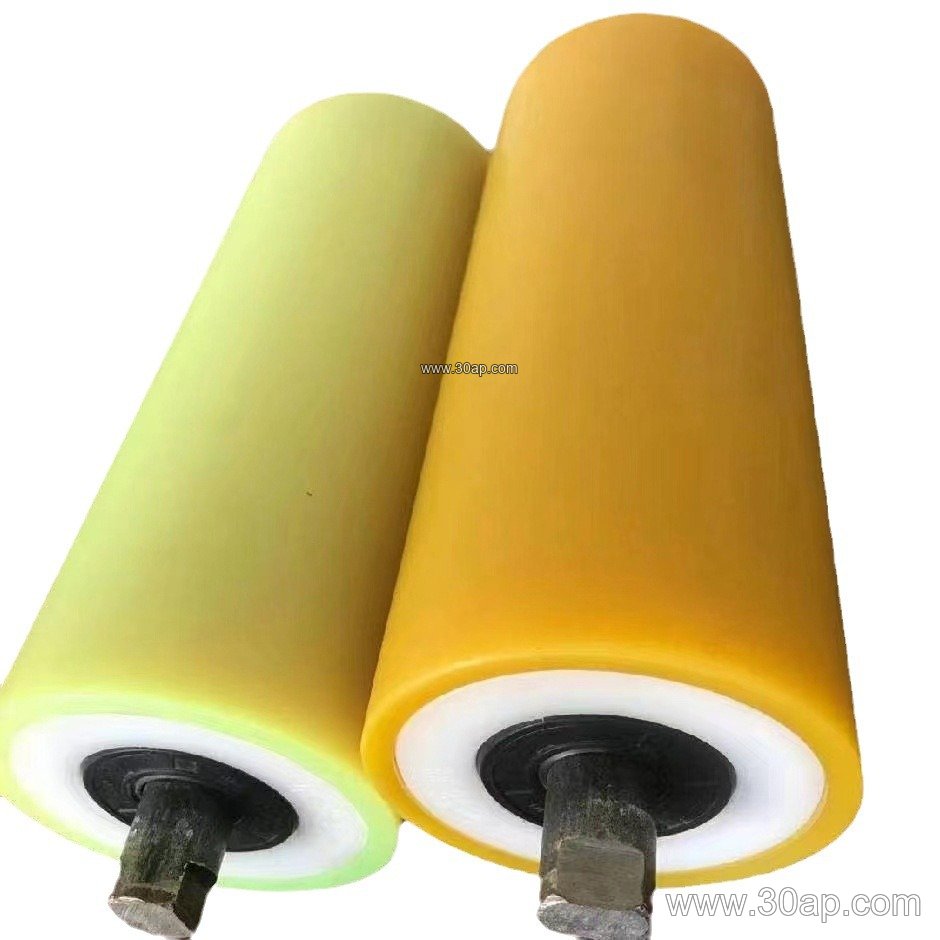
The typical unit combines two or more short rollers with a central pivot, a sturdy base, and a mounting frame that fits between the conveyor stringers. Roller shells are usually steel tube, with options such as rubber rings or ceramic covers where build-up or wear is a concern. Bearings are sealed to keep out dust and water; common bearing numbers include 6204, 6205, 6305, 6306, 6308, and 6310, matched to shaft and load requirements rather than to belt width alone.
- Pivoting frame with a vertical or inclined axis
- Two rollers, sometimes arranged in a V or near-V form
- Sealed bearing housings and a protected shaft
- Mounting brackets that bolt to the conveyor bracket or stringer
Roller diameters commonly range from Ø63 to Ø219 mm depending on belt width and load, and roller length follows the belt width, trough angle, and frame design. A B800 belt might use a return roller of roughly 315 mm in a three-roll arrangement, but the final length is set by the conveyor designer, not by a single rule.
Where It Fits on the Conveyor
The lower self-aligning idler belongs on the return strand, usually at intervals along long runs and at points where the belt is known to drift. In a limestone mine or a sand and gravel line, long inclined conveyors often benefit from a few of these units placed after curves or loading points. In a coal washing plant, dusty and damp conditions make sealed bearings and a free-pivoting frame especially valuable. The assembly is not a substitute for correct pulley alignment or proper belt splicing; it corrects minor tracking error, not a badly installed conveyor.
Operators sometimes add a self-aligning return roller near the drive end of a conveyor carrying an abrasion resistant conveyor belt, where edge wear is costly. On a steel plant conveyor moving hot sinter, a heat resistant conveyor belt may need return rollers with suitable clearances, and the guide frame should be checked for thermal expansion.
Selection Points for Buyers
Buyers should match the idler to belt width, belt speed, load, and the environment. A fabric core conveyor belt and a steel cord conveyor belt place different demands on return rollers, and a heavy-duty mining conveyor belt moving ore will need a more robust frame than a light aggregate line. Ask for the roller diameter, shaft size, bearing type, and mounting dimensions rather than assuming a standard fit.
| Parameter | Common Reference |
|---|---|
| Roller diameter | Ø63 to Ø219 mm |
| Belt width | B400 to B2400 mm |
| Bearing examples | 6204, 6205, 6305, 6306, 6308, 6310 |
| Roller surface | Steel, rubber ring, ceramic, nylon |
| Frame form | Two-roll pivoting return group |
Also confirm the conveyor bracket spacing and the available clearance below the belt. A guide roller that is too tall or too wide will not pivot freely, and a frame that is too light may bend under a heavy return strand.
Installation and Maintenance Notes
Mount the unit square to the belt center line and check that the pivot moves without binding. Keep the roller surface clean; material build-up on one side can defeat the self-aligning action. Inspect seals and bearings at routine shutdowns, and replace a roller that has seized or developed a flat spot. On a port conveyor or a crusher conveyor belt, vibration and impact are common, so check the mounting bolts regularly.
Pair the lower self-aligning idler with good housekeeping and periodic belt tracking checks. For broader conveyor needs, including conveyor idler roller supply and conveyor pulley review, visit the site and compare options for your specific line. A well-chosen return-side guide roller reduces edge damage and keeps bulk material moving through the plant.