What a Galvanized Conveyor Bracket Does on a Conveyor Line
A galvanized conveyor bracket is the steel support that holds idler rollers in the correct position under and along a conveyor belt. It is also called a galvanized conveyor idler bracket or galvanized roller support bracket, and it is the same product under either name. The bracket carries the load of the belt and the material being moved, keeps the rollers at the designed trough angle, and fixes the whole idler set to the conveyor frame. Because the steel is hot-dip galvanized, the bracket resists moisture, dust, and the corrosive conditions common in a quarry, a coal preparation plant, or a power plant coal yard.
How the Bracket Is Built
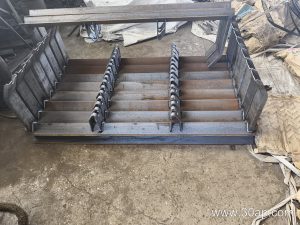
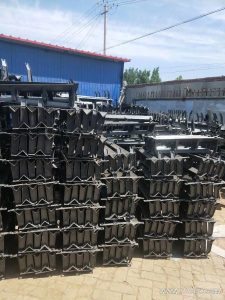
Most brackets start as angle steel, channel steel, or folded steel plate. The frame is cut, punched for mounting holes, welded where needed, and then galvanized so that the zinc layer covers both the outside and the inside of the profile. This matters because a conveyor frame is often washed down or exposed to damp bulk material. The galvanized finish also gives the bracket a longer service life than a painted or bare steel support in the same conditions.
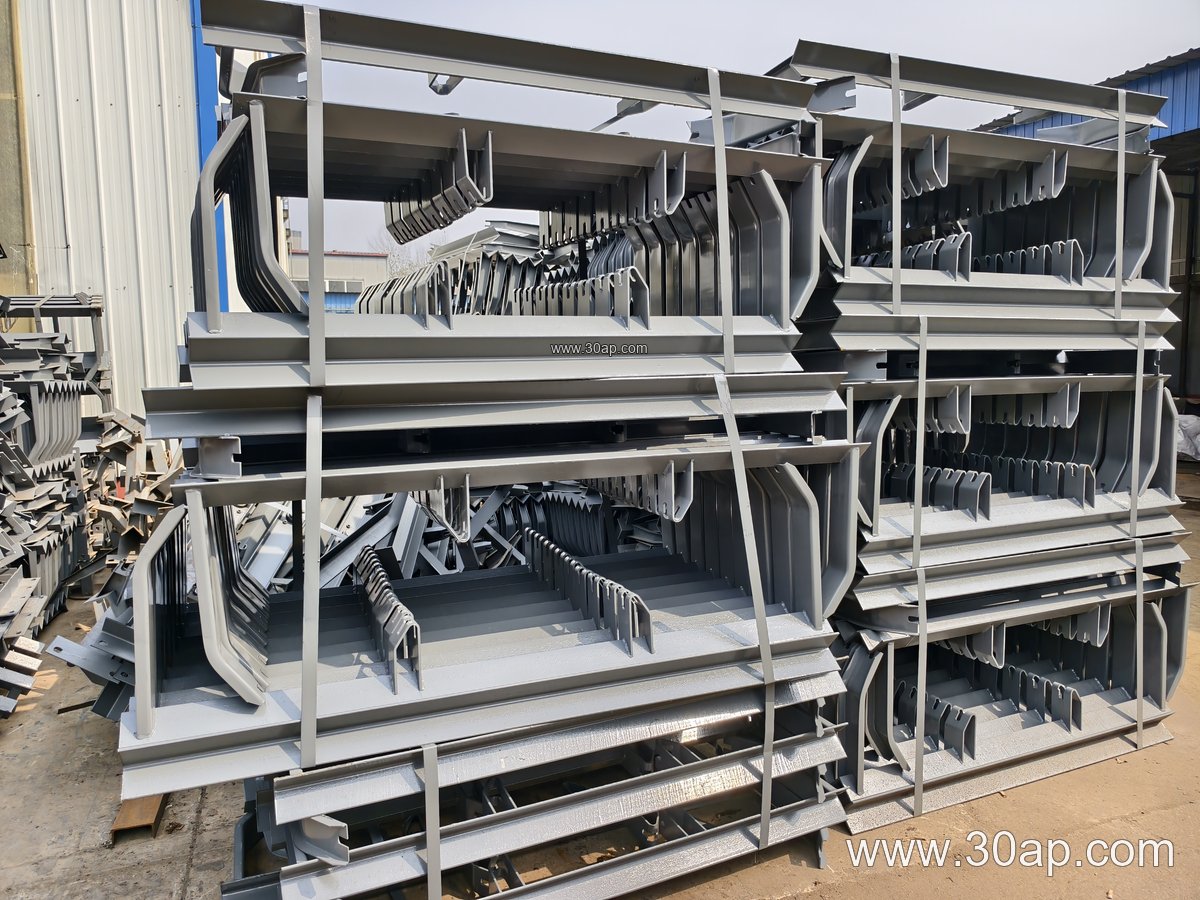
The bracket is not a single shape. It is a family of supports, and the choice depends on where it sits on the conveyor:
- Troughing bracket or upper trough bracket, which sets the carrying idlers at the trough angle
- Transition bracket, used where the belt changes from flat to troughed
- Return bracket or lower flat bracket, which supports the return strand
- V-return bracket, which gives the return belt a slight V shape for tracking
- Impact bracket, placed under the loading point to absorb shock
- Self-aligning bracket and forward-leaning bracket, used to correct belt drift
- Adjustable bracket, which allows the trough angle to be changed on site
Trough Angle, Belt Width, and Roller Diameter
The bracket design is tied to three values: belt width, trough angle, and roller diameter. These are not fixed pairs. A B800 belt may run at 30 degrees or 35 degrees, and the roller could be Ø89 or Ø108 depending on load and speed. A wider B1200 line in a cement plant might use 45 degrees with Ø133 rollers, while a B650 aggregate conveyor often uses 30 degrees with Ø89. The mounting hole spacing and crossbeam length follow the belt width and trough angle, so they should be confirmed against the conveyor drawing rather than assumed.
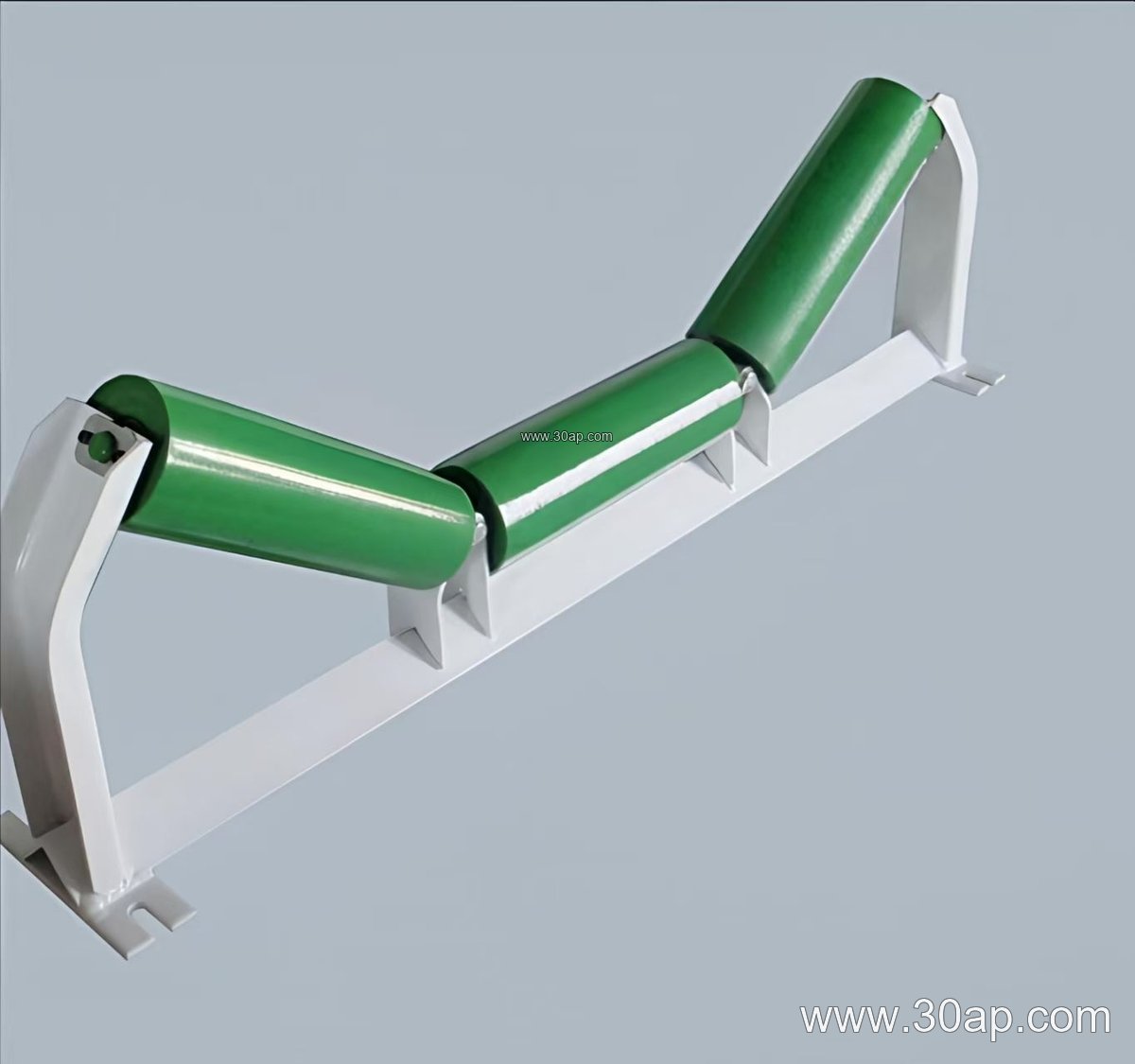
Common reference values are shown below. They are typical ranges, not a supply promise.
- Belt width: B500, B650, B800, B1000, B1200, B1400, B1600, B1800, B2000
- Trough angle: 20 degrees, 30 degrees, 35 degrees, 45 degrees
- Roller diameter: Ø89, Ø108, Ø133, Ø159, Ø194
- Forward lean: usually about 1.5 to 2 degrees
An adjustable bracket is useful where the same frame design is used across several conveyors, or where the trough angle may need fine tuning after the belt is loaded.
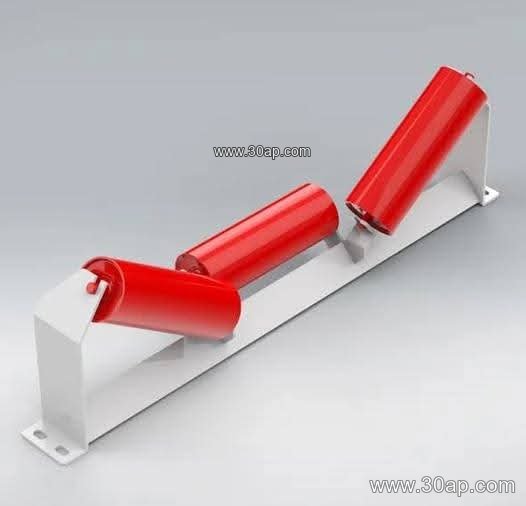
Where Galvanized Brackets Are Used
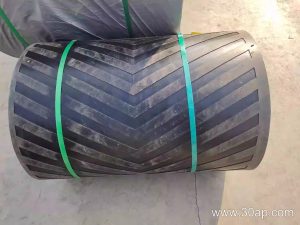
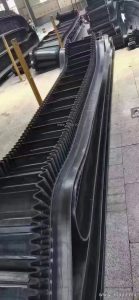
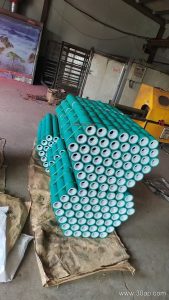
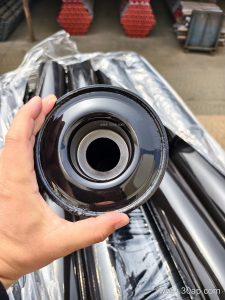
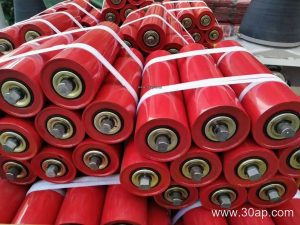
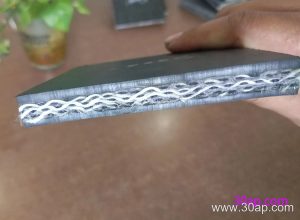
These supports appear wherever a belt conveyor moves bulk material. In a limestone quarry or a crushing and screening line, they hold the troughed idlers that carry run-of-mine rock. In a coal preparation plant or a power plant coal handling system, the galvanized finish helps against washdown and damp coal dust. In a cement plant they support clinker and raw meal belts, and in a port or ship loading terminal they sit under long overland conveyors. The bracket works together with the conveyor belt, the idler roller, and the conveyor pulley, so it should be selected as part of the whole conveyor assembly rather than on its own.
What Buyers Should Check Before Ordering
First, confirm the belt width and the required trough angle, because both affect the bracket geometry. Second, confirm the roller diameter and the shaft end type, since the bracket slot must match the idler shaft. Third, check the mounting hole pattern against the existing conveyor frame. Fourth, state the environment: a wet quarry, a dusty coal yard, and a food or fertilizer plant place different demands on the zinc coating and on the steel thickness. Finally, ask for the bracket drawing with dimensions rather than a generic description, and confirm whether a fixed or adjustable version is needed.
Matching the bracket to the belt and roller is the practical way to reduce belt misalignment, premature idler wear, and frame vibration. For a replacement project, send the belt width, trough angle, roller diameter, and a photo or sketch of the existing support, and the correct galvanized conveyor bracket can be produced to suit the line.