What a Three-Roll Trough Idler Does on a Conveyor
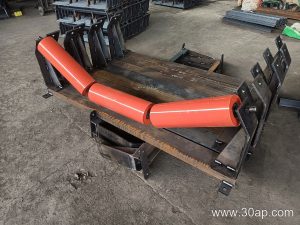
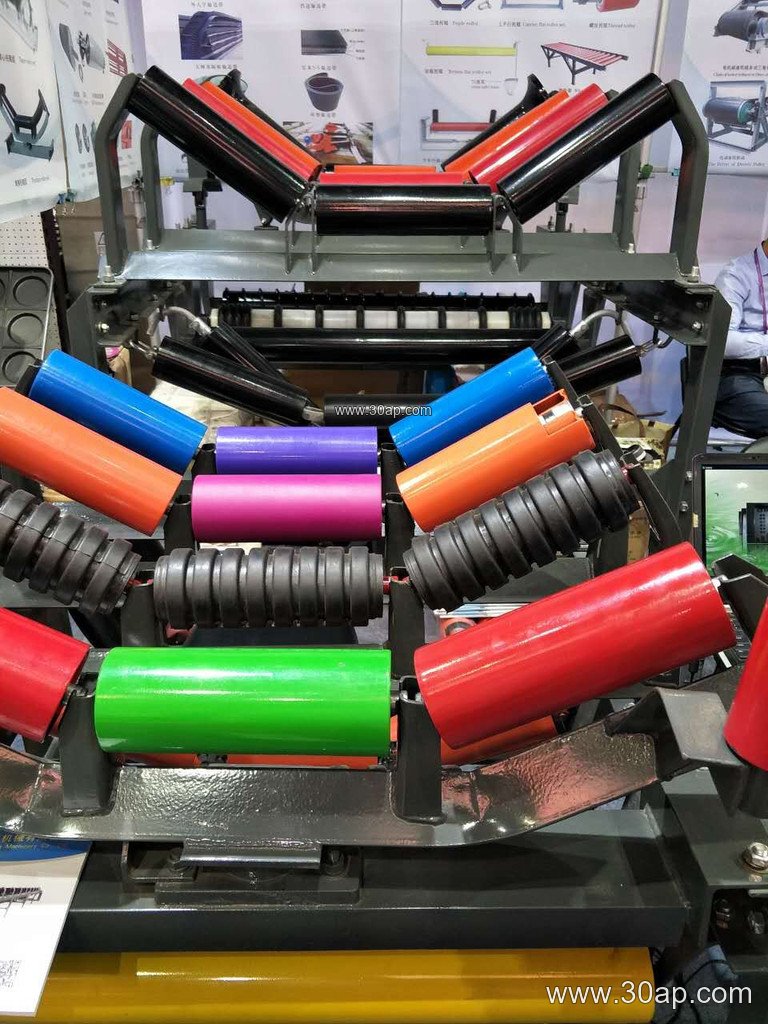
A three-roll trough idler is the carrying assembly that shapes a flat conveyor belt into a trough so bulk material stays centered on the line. Three rolls mounted in a frame form the trough, with the two side rolls angled upward and the center roll sitting level. In a quarry, a cement plant, or a power plant coal yard, this arrangement supports the loaded strand of the belt between the head and tail ends. It is a carrying idler group, not a drive component, so it never replaces a conveyor pulley at either end of the machine.
The same product is also called a three-roller troughing idler or a three-roll carrying idler. These names describe one assembly, and they are used interchangeably in specifications and spare-parts lists.
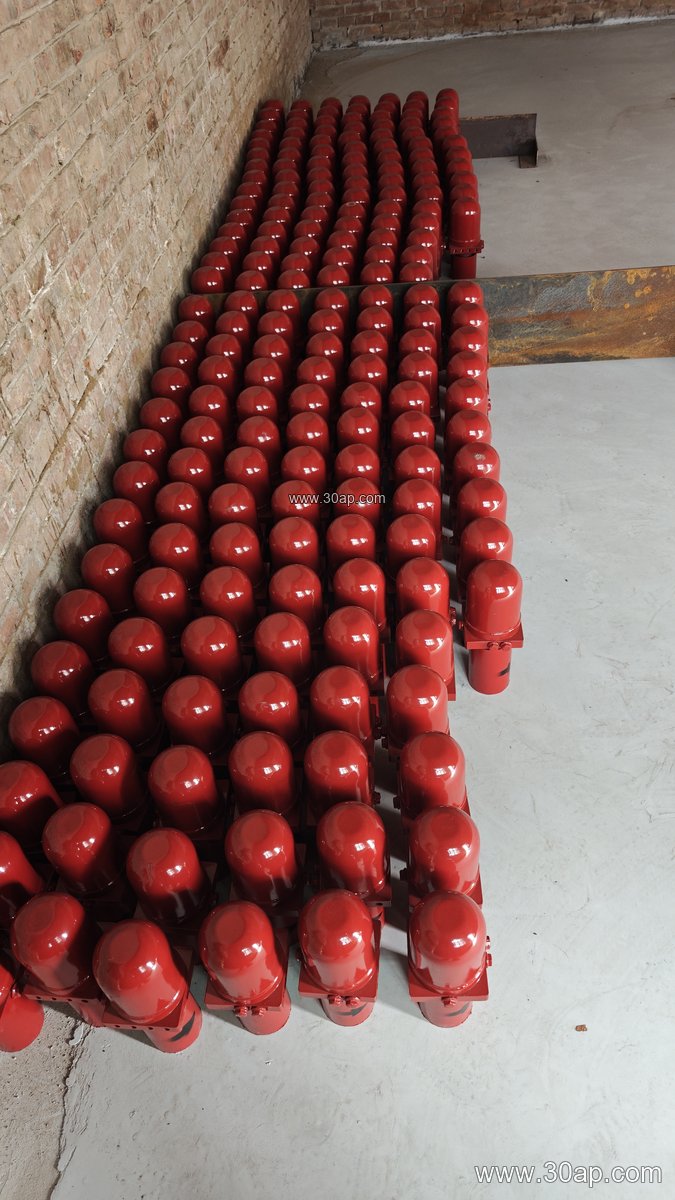
Construction Details That Matter
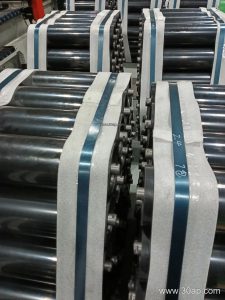
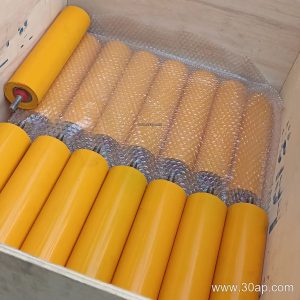
Each roll usually consists of a steel tube shell, a shaft, bearing housings, and a sealing arrangement. Roll surfaces may be plain steel, nylon, ceramic, or rubber rings where buildup or impact is a concern. Common bearing sizes include 6204, 6205, 6305, 6306, 6308, and 6310, matched to the roll diameter and load rather than to belt width alone. The frame, often called a conveyor bracket or idler frame, holds the three rolls at a fixed trough angle and bolts to the conveyor stringer.
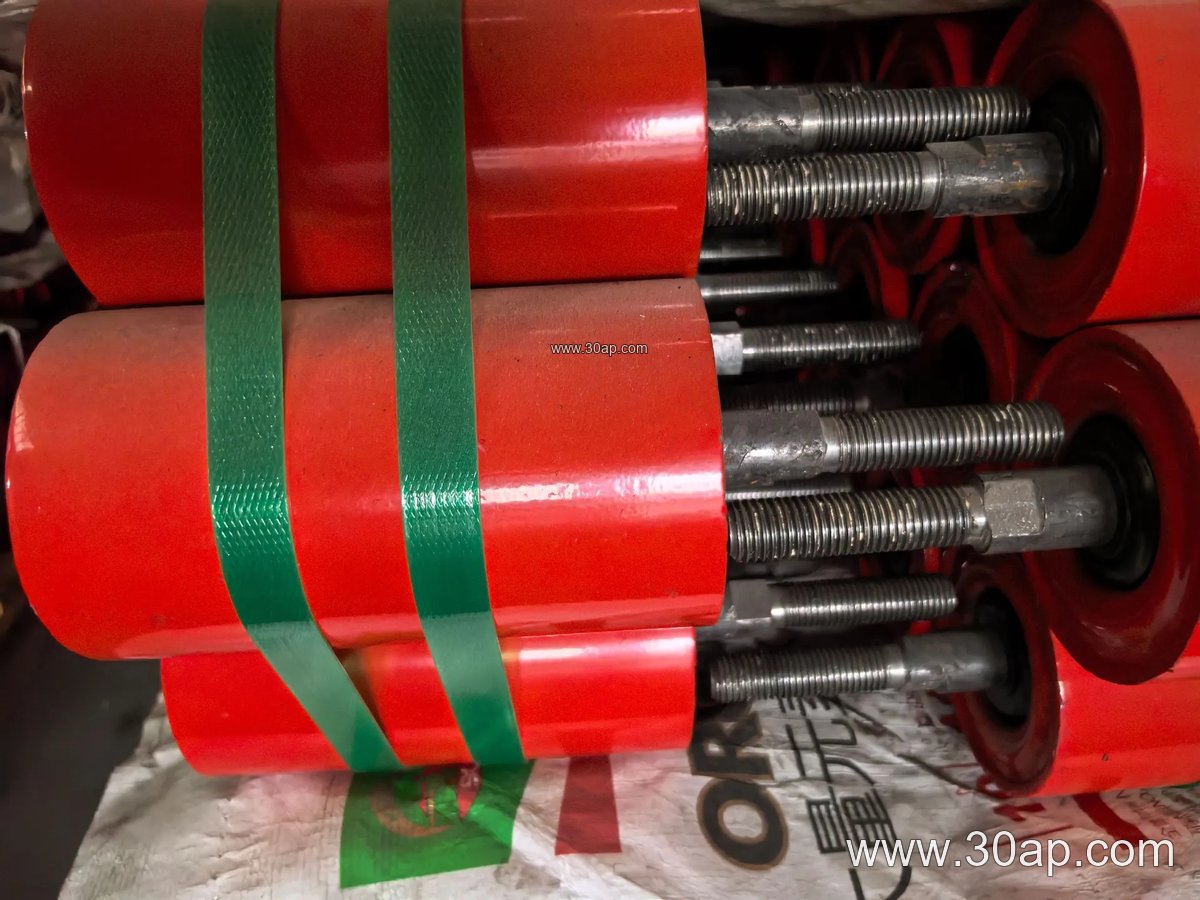
- Trough angles are commonly 20, 30, 35, or 45 degrees.
- Roll diameters in common use include Ø63, Ø76, Ø89, Ø102, Ø108, Ø127, Ø133, Ø159, Ø178, Ø194, and Ø219 mm.
- Belt widths served range from B400 and B500 up to B2000 and B2400, with roll length set by width, trough angle, and group form.
Matching Roll Length to Belt Width
Roll length is not a single fixed number per belt width. For a three-roll trough group, common center-roll lengths are roughly 200 mm at B500, 250 mm at B650, 315 mm at B800, 380 mm at B1000, 465 mm at B1200, 530 mm at B1400, 600 mm at B1600, 670 mm at B1800, and 750 mm at B2000. Side rolls can differ from the center roll, and the final figure depends on trough angle and frame design.
| Belt width | Common center roll length (example) | Typical trough angle |
|---|---|---|
| B500 | about 200 mm | 20 to 35 degrees |
| B800 | about 315 mm | 30 to 35 degrees |
| B1000 | about 380 mm | 30 to 35 degrees |
| B1200 | about 465 mm | 35 degrees |
| B1400 | about 530 mm | 35 to 45 degrees |
| B1600 | about 600 mm | 35 to 45 degrees |
These are reference examples, not fixed pairings. A wider belt does not dictate one pulley diameter, and belt width alone does not determine shaft diameter; the load, spacing, and frame design decide that.
Where Three-Roll Trough Idlers Fit
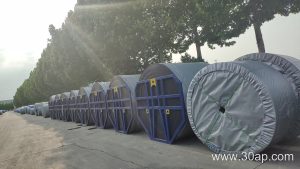
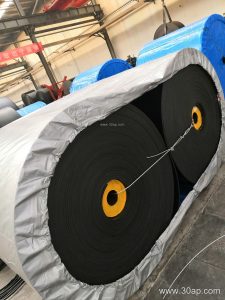
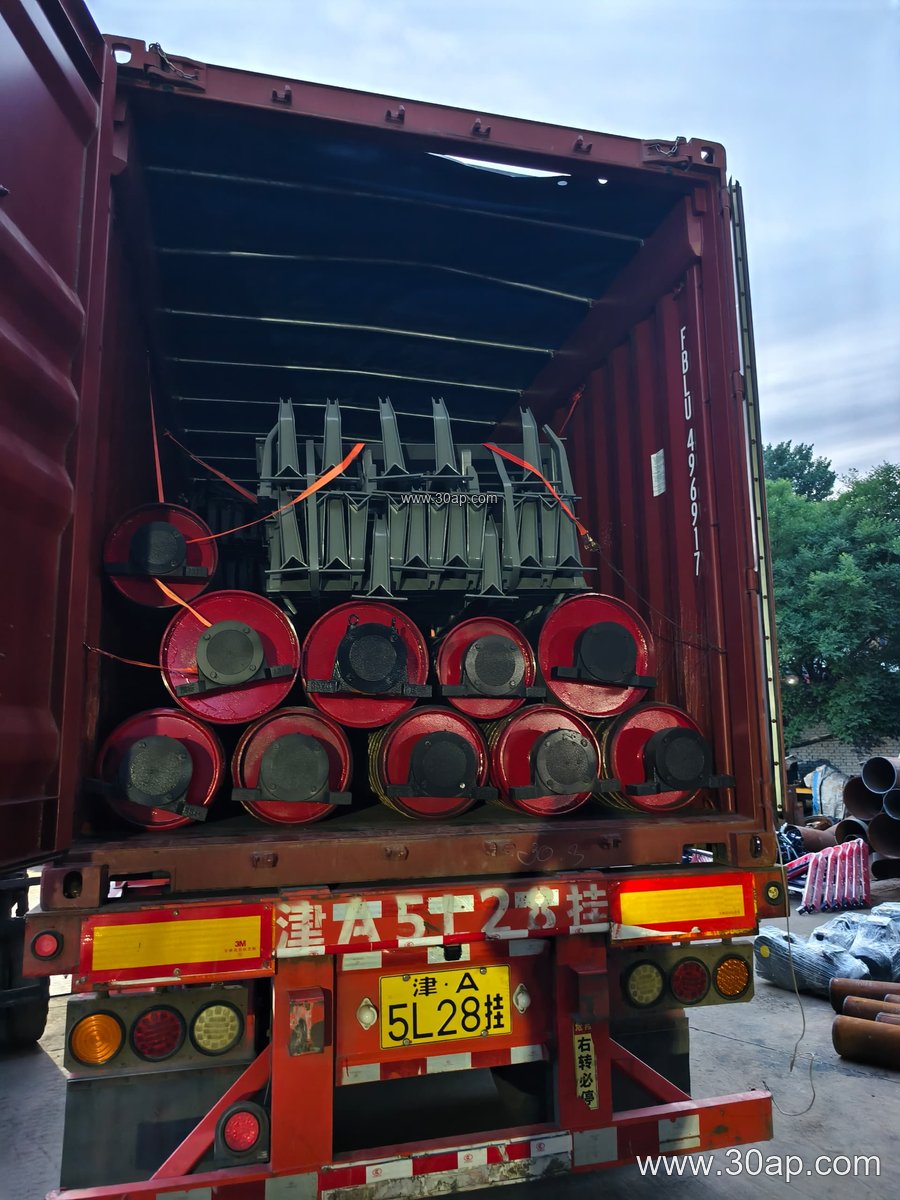
On a limestone quarry line feeding a crusher, the trough idlers carry run-of-mine rock on a heavy-duty mining conveyor belt. In a coal-fired power plant, they support the coal stream on a flame retardant conveyor belt before transfer points. Similar assemblies appear in cement plants, sand and aggregate plants, and port ship-loading systems. The belt itself may be an EP conveyor belt, an NN conveyor belt, or a steel cord conveyor belt depending on tension and distance, and the idler group must suit the belt and the material.
Transition idlers sit near the head and tail to ease the belt from flat to troughed. Impact idlers with rubber rings are used under loading points, and return idlers support the empty strand. Those are separate duties from the carrying three-roll group, though they share the same frame family. For product references, see conveyor idler and conveyor belt pages maintained by the supplier.
Buyer Checklist Before Ordering
- Confirm belt width and measured roll length, not just the nominal B size.
- State the trough angle and whether the group is fixed or self-aligning.
- Give roll diameter, shell material, and bearing size if already standardized on site.
- Describe the material: abrasive ore, wet coal, hot clinker, or sticky fines all change the choice.
- Check frame hole spacing against the existing conveyor bracket.
- Ask about sealing and lubrication approach for dusty or washdown conditions.
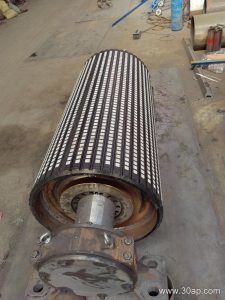
Sealing and bearing quality usually decide service life in dusty plants. A well-sealed roll keeps grit out of the bearing, while a poor seal shortens life even when the shell is thick. Buyers should also confirm that the idler group matches the belt’s troughing behavior and does not force an edge load on the conveyor belt. For related hardware, check the conveyor roller range and the conveyor pulley options separately, since drive and tail pulleys serve a different function.
Correct spacing along the line, proper alignment, and periodic inspection of roll rotation keep a three-roll trough idler doing its job. Replace rolls that stop turning before they wear through the shell, and keep the frame square so the belt trains centrally.