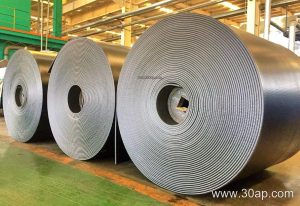
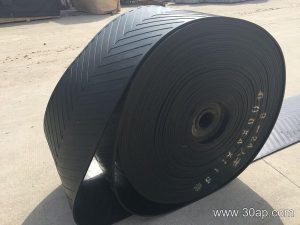
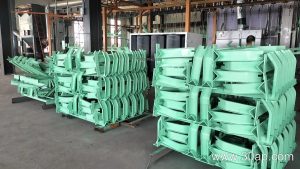
What an Anti-Static Conveyor Belt Is
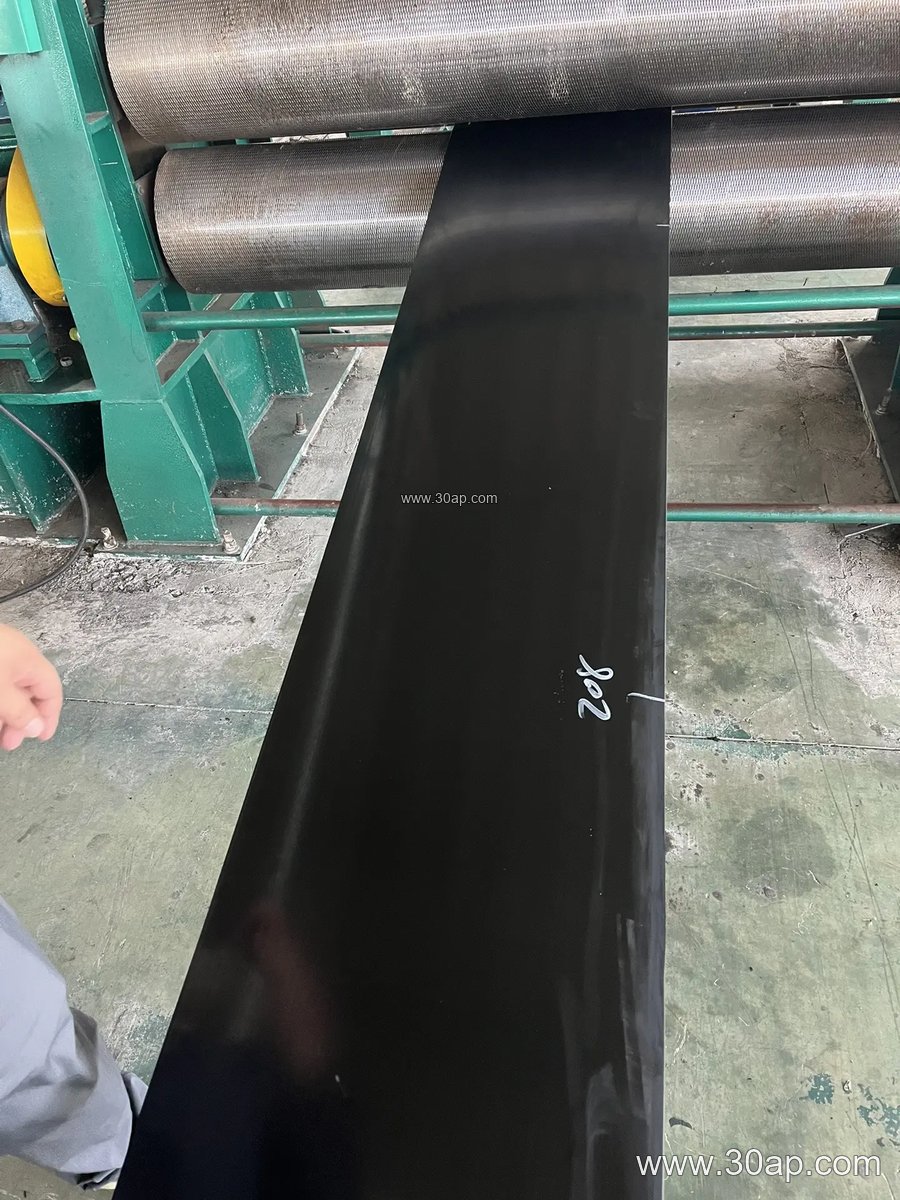
An anti-static conveyor belt is a rubber or fabric-reinforced conveyor belt built to dissipate static electricity instead of letting it accumulate on the belt surface and the conveyor frame. In dry bulk handling, a moving belt continuously rubs against the load, the idler rollers and the pulleys, and that friction can build a charge that later discharges as a spark. The anti-static conveyor belt controls this by using conductive or static-dissipative compounds in the cover and, in many designs, a conductive path through the carcass so the charge can bleed away safely.
Buyers often meet this belt under the equivalent name static-dissipative conveyor belt. Both names describe the same product. It is still a fabric or steel-reinforced belt at heart, so it keeps the strength, troughability and load support of a normal conveyor belt while adding electrical control.
How the Belt Is Built
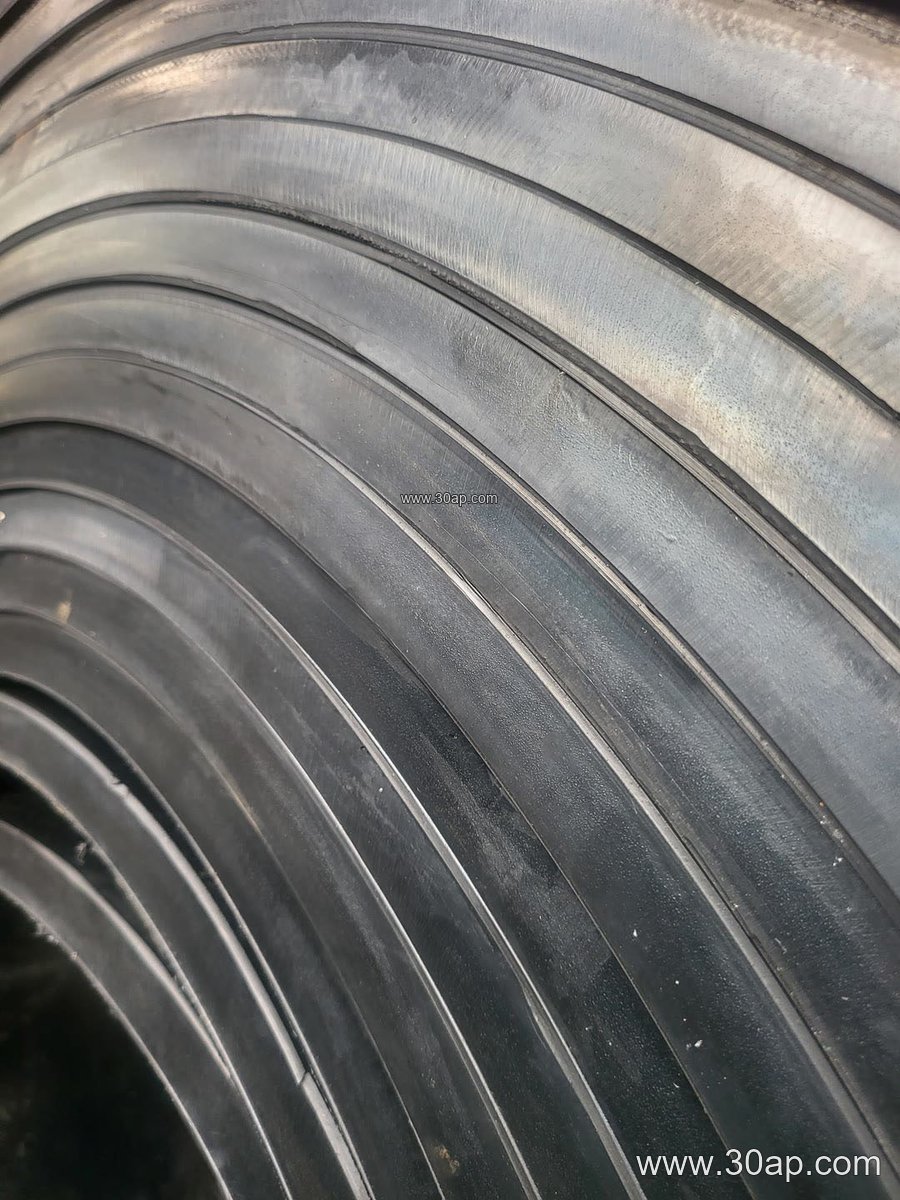
The construction follows a standard carcass-and-cover layout. A fabric core conveyor belt uses EP or NN plies, while heavy tonnage lines may use a steel cord carcass. The anti-static function comes from the compound formulation and from how the layers are bonded, so the belt does not lose conductivity as the cover wears in normal service.
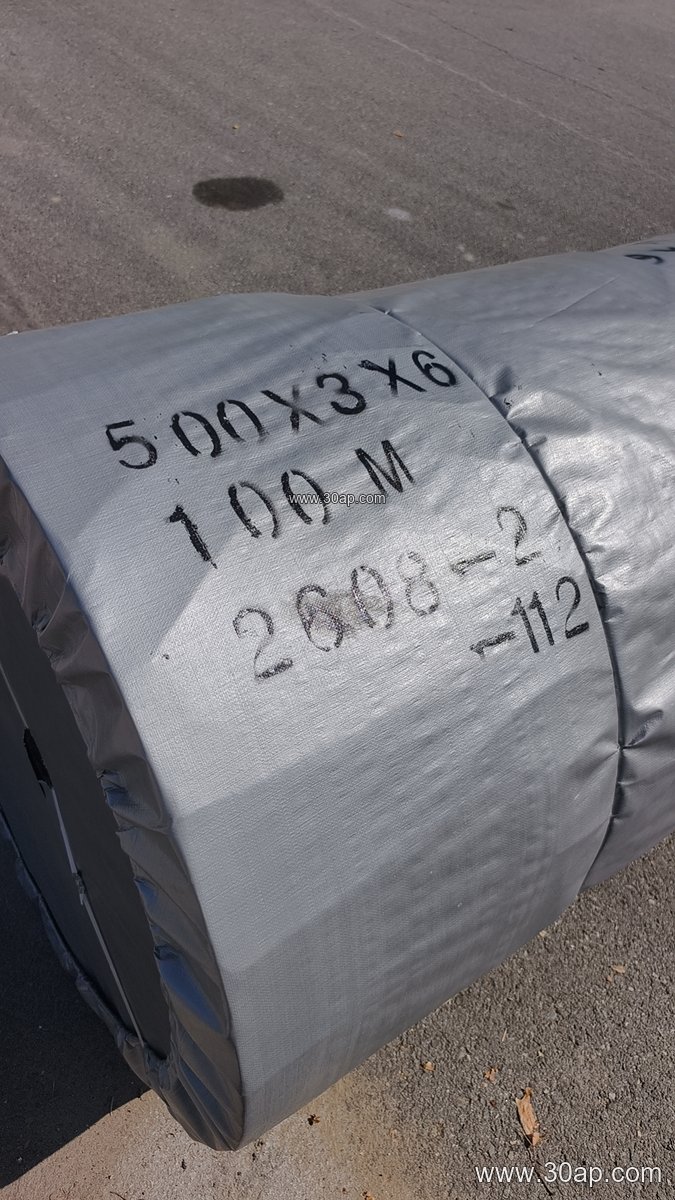
- Carcass: multi-ply EP or NN fabric, or steel cord for very high tension.
- Covers: top and bottom rubber with static-dissipative compounding; common gauges include 3+1.5, 4+2, 5+2, 6+2 and 8+3 mm.
- Ply count: usually 2 to 6 fabric plies, depending on the duty.
- Edges: cut or moulded edges, with the conductive path arranged so it reaches the pulley contact area.
Because the belt is part of an electrical chain, the conveyor pulley, the frame and the conveyor bracket all need a sound ground connection. A belt alone cannot discharge a system that is isolated from earth.
Where It Fits in the Plant
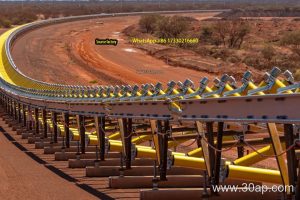
Static control matters most where dry, dusty material moves fast and the air is dry. Typical duties include coal mining conveyor belt lines, underground mining conveyor belt sections, cement plant raw meal and clinker transport, power plant coal yards, and quarry conveyor belt or aggregate conveyor belt circuits feeding a crusher. A crusher conveyor belt in a dry sand making plant is a common place to specify static-dissipative covers, because fine dust plus fast travel is a classic charging combination.
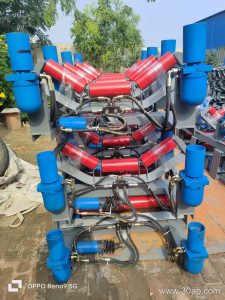
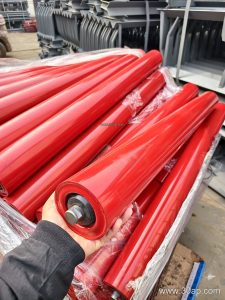
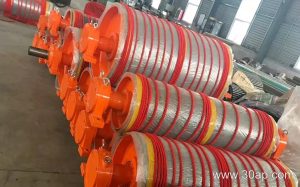
In these plants the belt works with idler roller sets, a drive pulley, a tail pulley and bend pulleys. The drive, tail and bend pulleys are separate components with separate duties and are not interchangeable; each has its own diameter and lagging choice, and the belt must suit the smallest pulley in the run. A flame retardant conveyor belt or fire resistant conveyor belt is frequently combined with anti-static properties for coal and underground service, since spark risk and flame spread are usually assessed together.
Common Specifications
Values below are typical reference ranges, not fixed supply promises. Final figures are confirmed by design and by the manufacturer.
| Parameter | Common reference values |
|---|---|
| Belt type | EP conveyor belt, NN conveyor belt, steel cord conveyor belt, PVC or PVG |
| Fabric strength grades | EP200, EP315, EP400, EP500, EP630, EP800, EP1000, EP1250 |
| Belt width | B500, B650, B800, B1000, B1200, B1400, B1600, B1800 |
| Cover thickness | 3+1.5, 4+2, 5+2, 6+2, 8+3 mm |
| Ply count | 2 to 6 plies, by design |
Width and strength are chosen together. A 1200mm wide belt on a high-tension main line may need EP1000 or stronger, while a short transfer in a recycling plant may run an EP200 or EP315 carcass at 650mm or 800mm. Surface form is a separate decision: a chevron conveyor belt or corrugated sidewall conveyor belt can also be supplied with anti-static covers where the incline or the material containment needs it.
Selection and Maintenance Notes
Start with the material, the tonnage per hour, the incline and the smallest pulley diameter. Then confirm the electrical requirement with the plant’s safety engineering, because the resistance target and the grounding method belong to the whole conveyor, not to the belt alone. For hot material, a heat resistant conveyor belt grade may be needed; for oily loads, an oil resistant conveyor belt compound; for freezing yards, a cold resistant conveyor belt. These properties can be combined with static dissipation, but each combination should be ordered as a defined specification rather than assumed.
During operation, keep the belt tracking straight, keep the idler roller and pulley surfaces clean, and check that the ground path at the conveyor bracket is intact. Worn lagging, packed dust and a loose ground strap can all defeat a good anti-static conveyor belt. Store spare belts away from oil and direct sunlight, and inspect covers for cuts that reach the carcass.
For a full range of rubber conveyor belt, EP conveyor belt and NN conveyor belt options, plus matching rollers and pulleys, buyers can review the product pages at www.beltconveyorparts.com and confirm the anti-static grade against their site conditions before ordering.