What This Belt Does
A chemical resistant conveyor belt is a fabric- or steel-reinforced rubber belt whose cover compounds are formulated to withstand contact with acids, alkalis, salts, solvents, and other reactive substances without rapid swelling, cracking, or delamination. In a fertilizer plant, a mineral processing line, or a battery materials workshop, the belt often carries material that would attack a standard rubber cover within months. The same product is frequently called an acid and alkali resistant conveyor belt, and both names describe the same construction principle: a protective cover that resists chemical attack while the carcass carries the load.
Resistance is never universal. A compound that performs well against dilute sulfuric acid may be a poor choice for a strong solvent. Buyers should match the cover compound to the actual chemical, its concentration, and the temperature at the point of contact, then confirm the choice with the belt manufacturer.
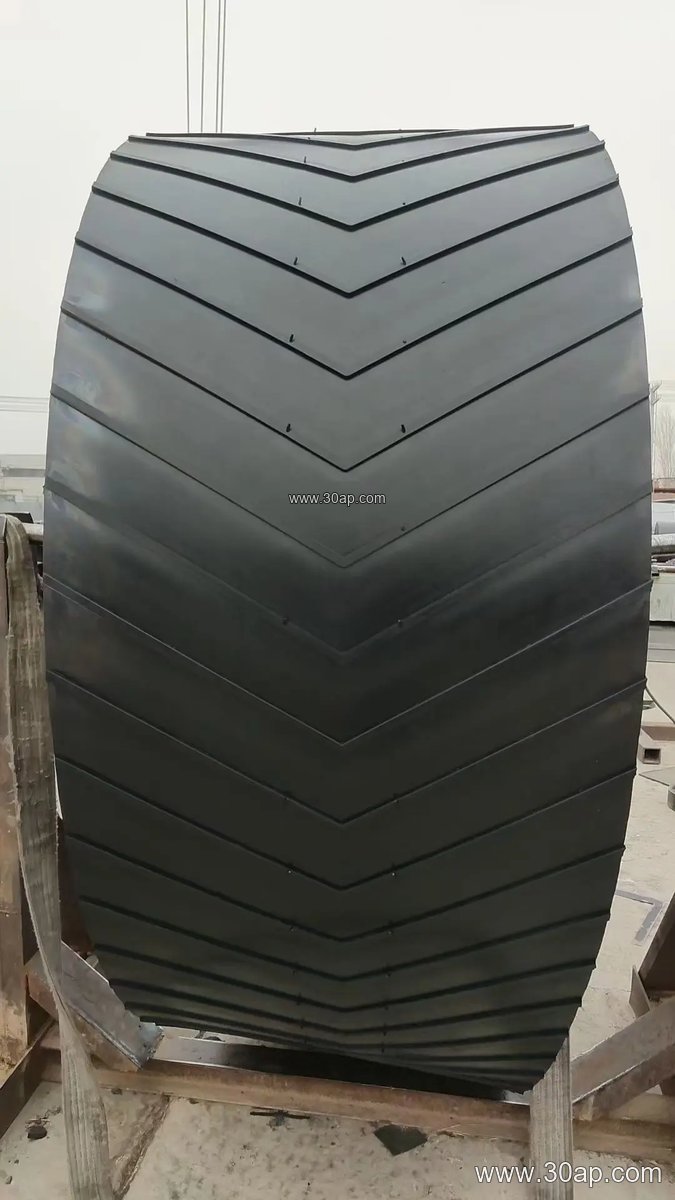
Construction and Compound Choices
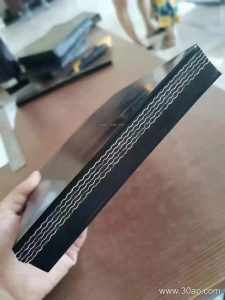
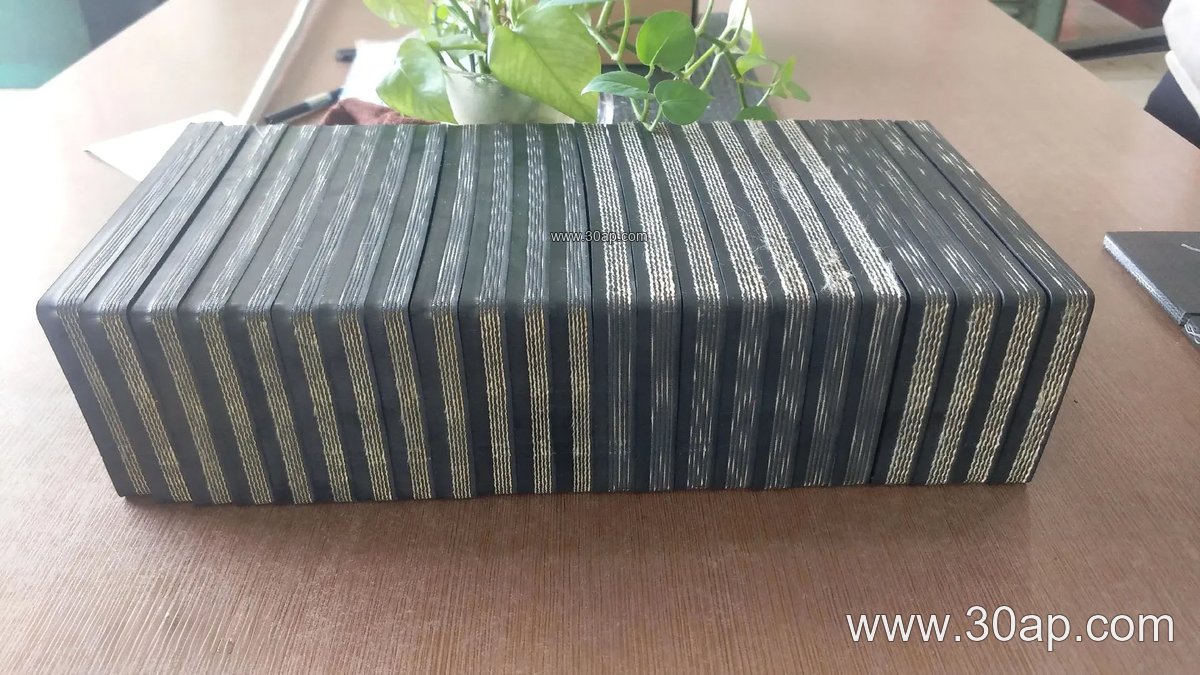
The belt usually combines a fabric core with chemically resistant top and bottom covers. The carcass may be EP fabric, NN nylon, or a multi-ply fabric core; heavy-duty and long-distance installations sometimes use a steel cord conveyor belt where tensile strength demands it. The cover grade is the decisive element for chemical service.
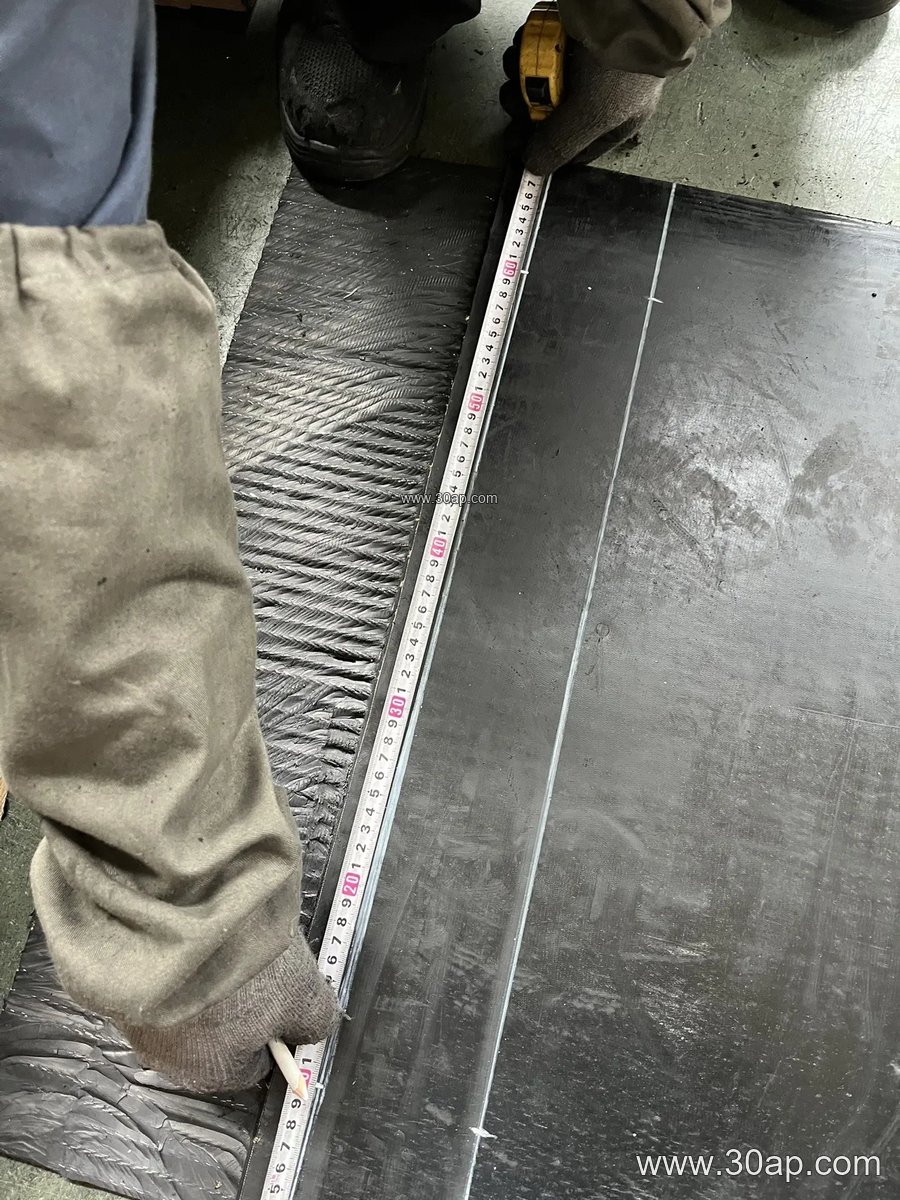
- Top cover: formulated for the dominant chemical exposure, with a thickness chosen for wear and diffusion resistance.
- Bottom cover: often a thinner chemically resistant layer, since the pulley side sees less product contact but still needs protection from spills and washdown.
- Carcass: EP or NN fabric plies, or steel cords, providing tensile strength and troughability.
- Edges: sealed or molded to limit wicking of liquids into the fabric.
Typical cover combinations in general industrial supply include 3+1.5 mm, 4+2 mm, 5+2 mm, 6+2 mm, and 8+3 mm, with carcass ply counts commonly between 2 and 6. These figures are reference values; final construction follows the duty and the chemical profile. A thicker cover slows penetration but does not replace correct compound selection.
Where It Fits in the Plant
Chemical resistance is often combined with other properties. A phosphate or potash operation may need an abrasion resistant conveyor belt that also tolerates mildly acidic residue. A coal preparation plant may specify a flame retardant conveyor belt or fire resistant conveyor belt alongside chemical resistance for safety. Fertilizer and salt handling frequently calls for a belt that resists both corrosion and moisture, while a food grade conveyor belt may be required where cross-contamination rules apply.
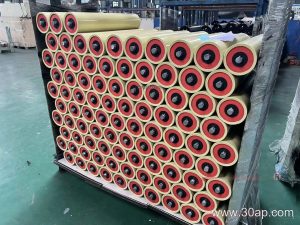
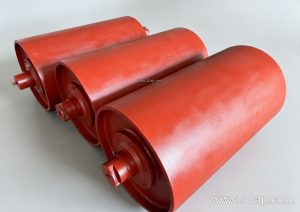
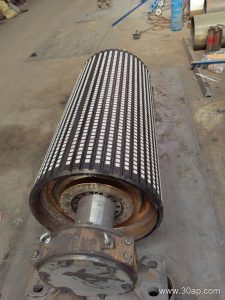
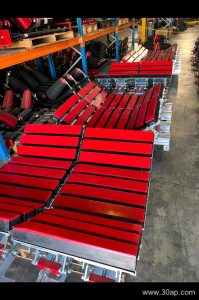
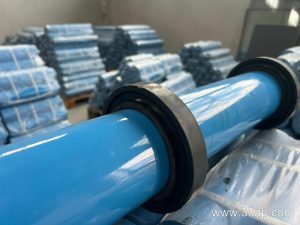
Supporting hardware matters as much as the belt. Corrosive dust and washdown attack frames and rolls, so idler roller shells, conveyor pulley lagging, and conveyor bracket coatings should be selected for the same environment. Drive pulleys, tail pulleys, and bend pulleys each play a distinct role in keeping tension and tracking stable; none is a substitute for another, and the belt specification should be shared with the conveyor designer so pulley diameters and trough angles suit the carcass.
Specifications Buyers Should Confirm
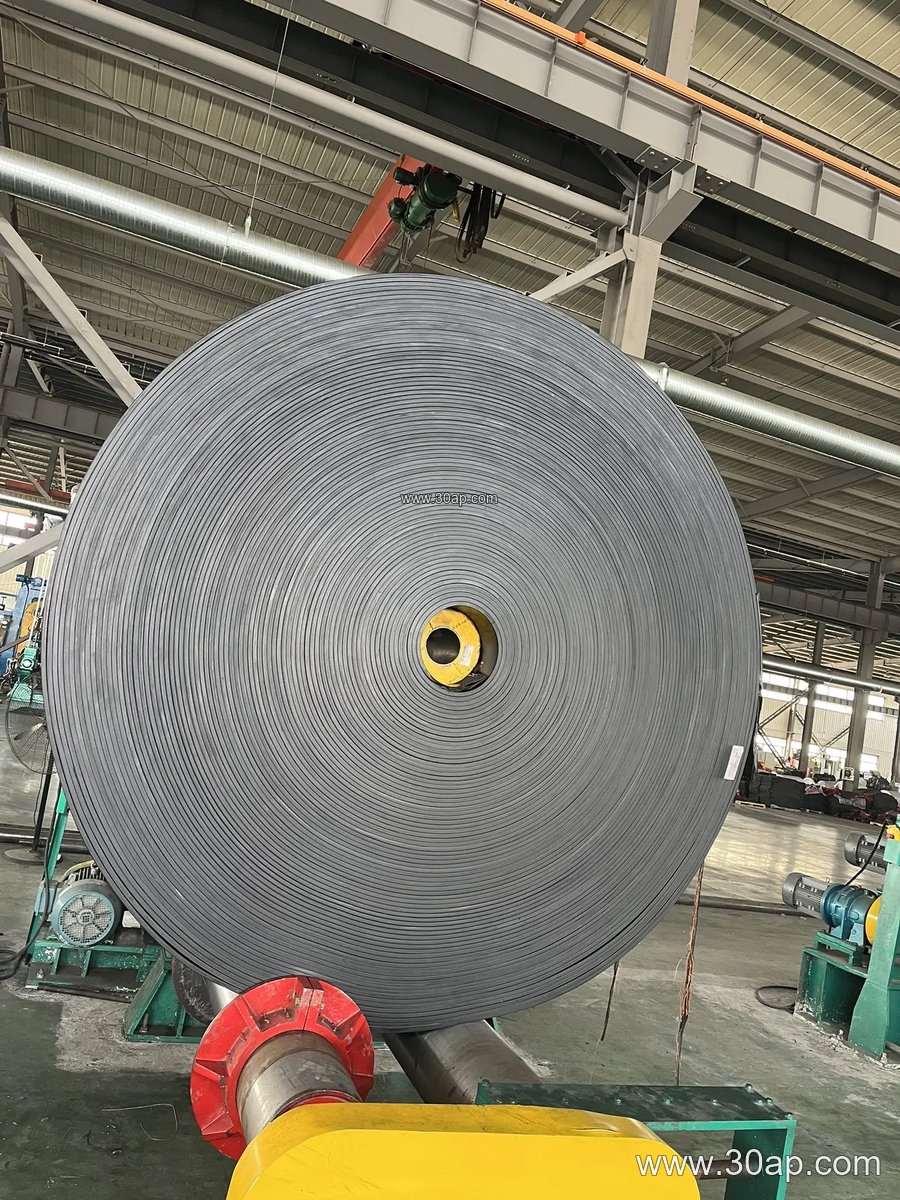
Widths are usually stated in millimeters, for example B650, B800, B1000, B1200, B1400, B1600, and B1800. Strength grades for EP fabric belts commonly range from EP200 to EP2000, while steel cord grades may be quoted as ST1000 through ST3150. The table below groups typical reference data; actual supply depends on the manufacturer and the application review.
| Parameter | Common reference range |
|---|---|
| Belt width | B500 to B2000 mm |
| EP strength grade | EP200, EP315, EP400, EP500, EP630, EP800, EP1000, EP1250, EP1600, EP2000 |
| Steel cord grade | ST1000, ST1250, ST1600, ST2000, ST2500, ST3150 |
| Cover thickness | 3+1.5, 4+2, 5+2, 6+2, 8+3 mm |
| Carcass plies | 2 to 6 layers, by design |
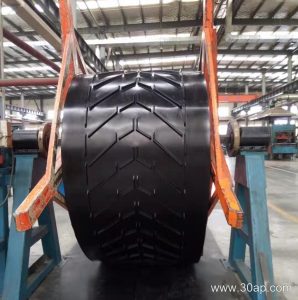
Also confirm the chemical exposure list, operating temperature range, required surface form (smooth, chevron, or corrugated sidewall), and whether an endless conveyor belt is preferred to reduce splice risk. For enclosed routes, a pipe conveyor belt may be considered, but only when the conveyor system is designed for it.
Selection and Maintenance Notes
Start with the chemical, not the price. Provide the belt supplier with concentration, temperature, contact time, and any mixed exposure such as acid plus oil. Where oil is also present, an oil resistant conveyor belt compound may be needed; where cold climates apply, a cold resistant conveyor belt grade can prevent cover cracking. Anti-static properties may be required in dust-rich areas.
In service, keep spillage cleaned from the return side, inspect edges for wicking, and check that skirt rubber and chute liners are not abrading the cover. Track wear at loading points, where impact and chemical exposure combine. Store spare belts away from sunlight, ozone sources, and pooled chemicals. Replacing a belt is easier when the original specification, including cover grade and strength, is recorded and kept with the conveyor documentation.