What a Conveyor Drive Pulley Does
A conveyor drive pulley is the rotating drum that grips the inside of the belt and pulls the entire conveyor circuit forward. Mounted at the head end and coupled to a gearbox or motor, it converts torque into belt tension and motion. In a quarry or a limestone mine, the head drum is usually the hardest-working component on the line, because it carries the full belt pull and must keep traction even when the belt is wet or dusty.
While the tail pulley only redirects the returning belt, the drive drum transmits power. That functional difference matters when specifying spare parts: a bend pulley or a take-up pulley cannot simply be swapped in, because each position has its own load profile and surface requirement.
How the Drum Is Built
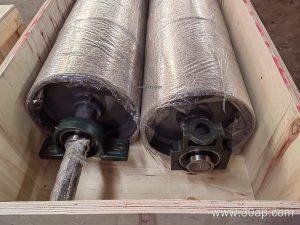
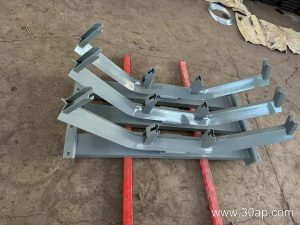
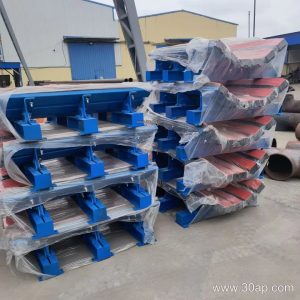
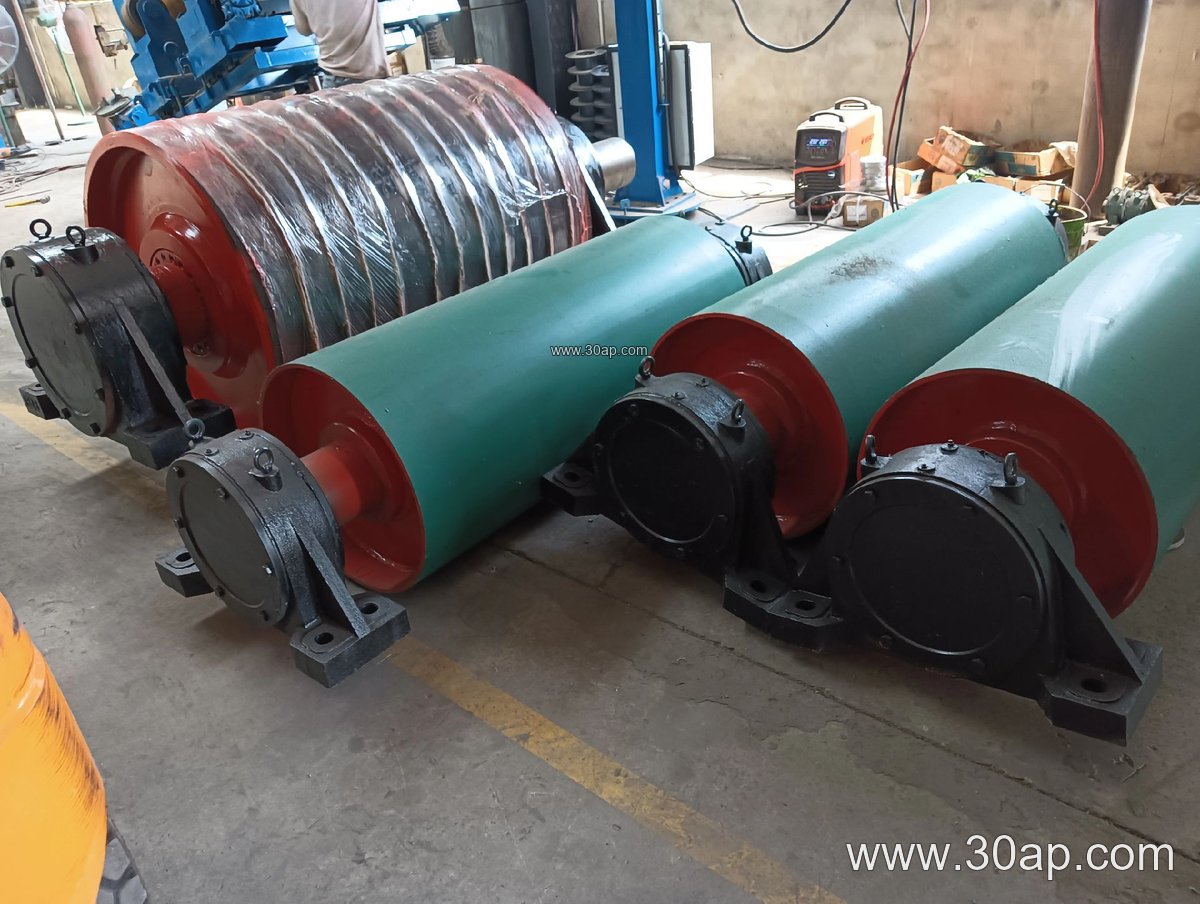
The shell is usually a rolled steel cylinder, machined true and welded to end discs. The shaft passes through the hubs and is keyed or shrink-fitted to transmit torque. Bearings sit in the bearing housings, and the whole assembly is fixed to the conveyor bracket or frame.
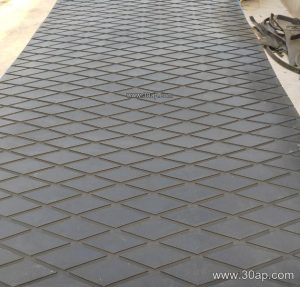
Surface treatment separates a plain drum from a lagged one. Common options include plain finish, hot-vulcanized rubber lagging, cold-bonded rubber, diamond grooved lagging, herringbone lagging and ceramic lagging. Lagging thickness is often 8, 10, 12, 15 or 20 mm depending on duty. Diamond and herringbone patterns help shed water and improve grip; ceramic tiles suit very abrasive, high-tension duty.
Typical Sizes and Combinations
Drum diameter and face width follow the belt and the tension demand, not a single fixed rule. Face width is normally a little wider than the belt, and the shaft diameter is calculated from torque and radial load. The table below shows common reference combinations, not mandatory pairings.
| Belt width | Typical face width | Example drum diameter | Lagging thickness |
|---|---|---|---|
| B500 | about 600 mm | Ø400 | 8–10 mm |
| B650 | about 750 mm | Ø500 | 10 mm |
| B800 | about 950 mm | Ø500–Ø630 | 10–12 mm |
| B1000 | about 1150 mm | Ø630–Ø800 | 12 mm |
| B1200 | about 1400 mm | Ø800–Ø1000 | 12–15 mm |
| B1400 | about 1600 mm | Ø800–Ø1000 | 15 mm |
| B1600 | about 1800 mm | Ø1000–Ø1250 | 15 mm |
| B1800 | about 2000 mm | Ø1250–Ø1400 | 15–20 mm |
B1200 × Ø1000 and B800 × Ø500 are workable examples for mid-duty lines. Shaft ends are commonly Ø80, Ø100, Ø120, Ø140 or Ø160, but the final figure comes from the torque calculation, never from belt width alone.
Where It Is Used
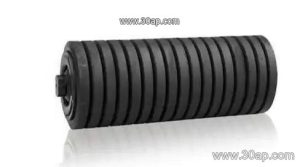
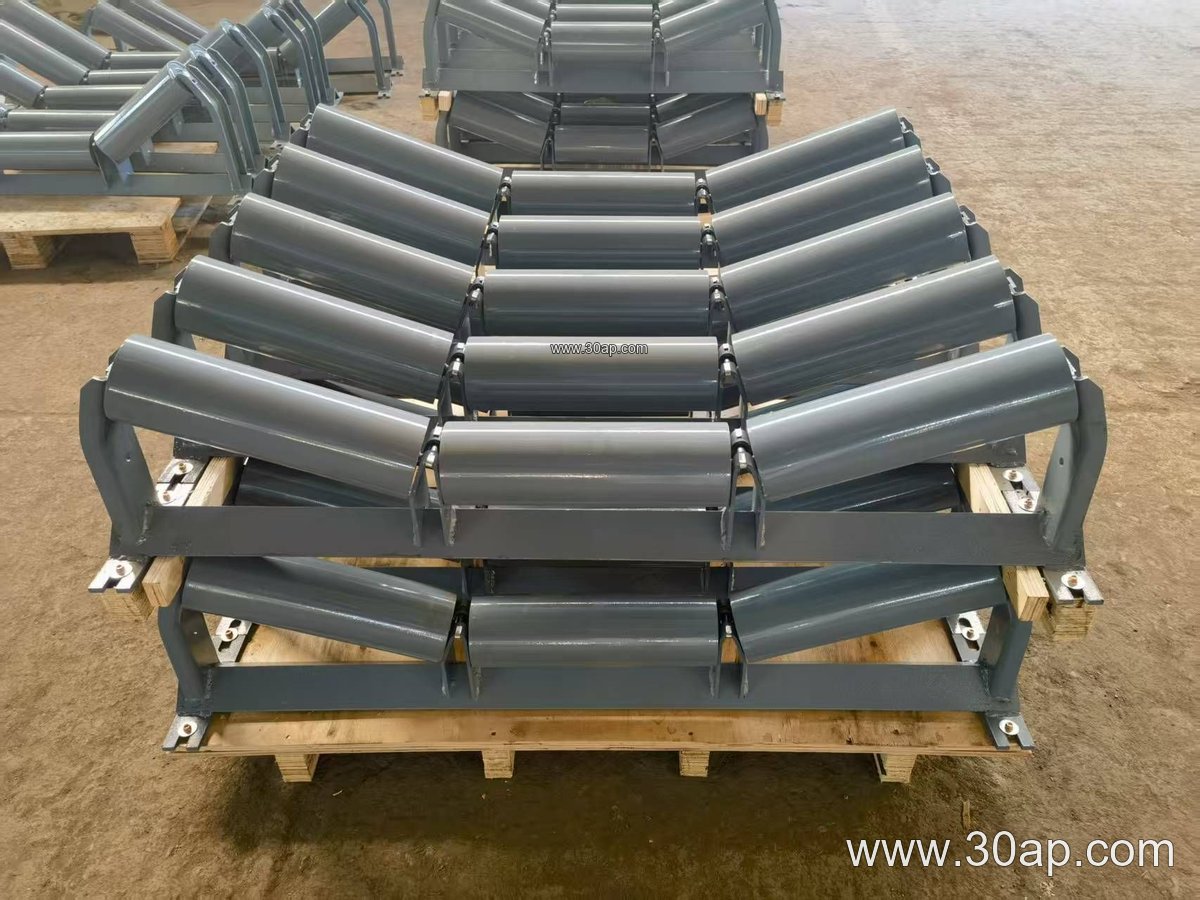
In a coal washing plant, a lagged drive drum on the main haulage conveyor has to keep grip on a wet, fine-coal belt. In a cement plant, the clinker transport line often pairs a heavy drum with a heat resistant conveyor belt and rugged idler roller sets. Power plant coal yards, port bulk terminals and aggregate crushing lines all rely on the same principle: the head drum pulls, the belt carries, and the return side runs on troughing and return rollers.
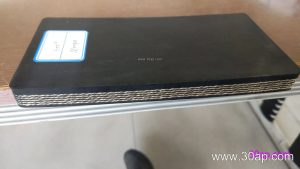
The belt itself is chosen to match the duty. An EP conveyor belt or a multi-ply fabric core belt suits general bulk handling, while a steel cord conveyor belt is used where tension and distance are high. Flame retardant and anti-static grades are common underground, and abrasion resistant covers are typical in iron ore or copper ore service. Matching the drum lagging to the belt cover keeps slip low and avoids polishing the pulley face.
Selection Points for Buyers
- Confirm the drum position: head, drive, take-up or snub. Only the drive drum needs the full torque rating and traction design.
- State belt width, belt type and expected tension so the supplier can size shell, shaft and lagging together.
- Choose lagging by environment: rubber for general grip, ceramic for abrasive and wet duty, plain for light or cleaning-critical lines.
- Check bearing type, housing fit and the conveyor bracket interface before ordering.
- Ask for the balancing grade and run-out tolerance, since vibration shortens bearing life.
Maintenance Notes
Inspect lagging wear, check for belt tracking drift and keep the drum face clean. A worn or glazed surface loses friction and encourages slip, which raises belt temperature and wear on the idler roller and pulley alike. Re-lagging is often cheaper than replacing the whole drum, provided the shell and shaft remain sound.
For more on matching drums with belts and frames, see the roller and pulley resources at beltconveyorparts.com and the drum selection notes at conveyorcomponents.net.