What the ST1600 Conveyor Belt Is
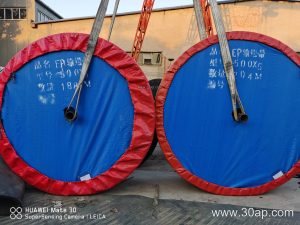
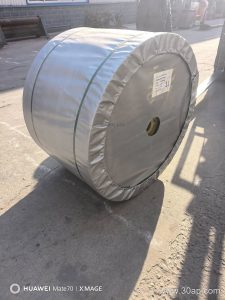
The ST1600 Conveyor Belt is a steel cord conveyor belt with a nominal tensile strength of 1600 N/mm per unit width. In the steel cord family it sits above ST1000 and ST1250 and below ST2000, ST2500 and ST3150, so it is often chosen for main haulage lines where a single long flight must carry a heavy load without intermediate transfer points. Readers comparing it with an EP1000 or EP1250 belt are usually looking at the difference between fabric reinforcement and steel cord construction rather than at two versions of the same product.
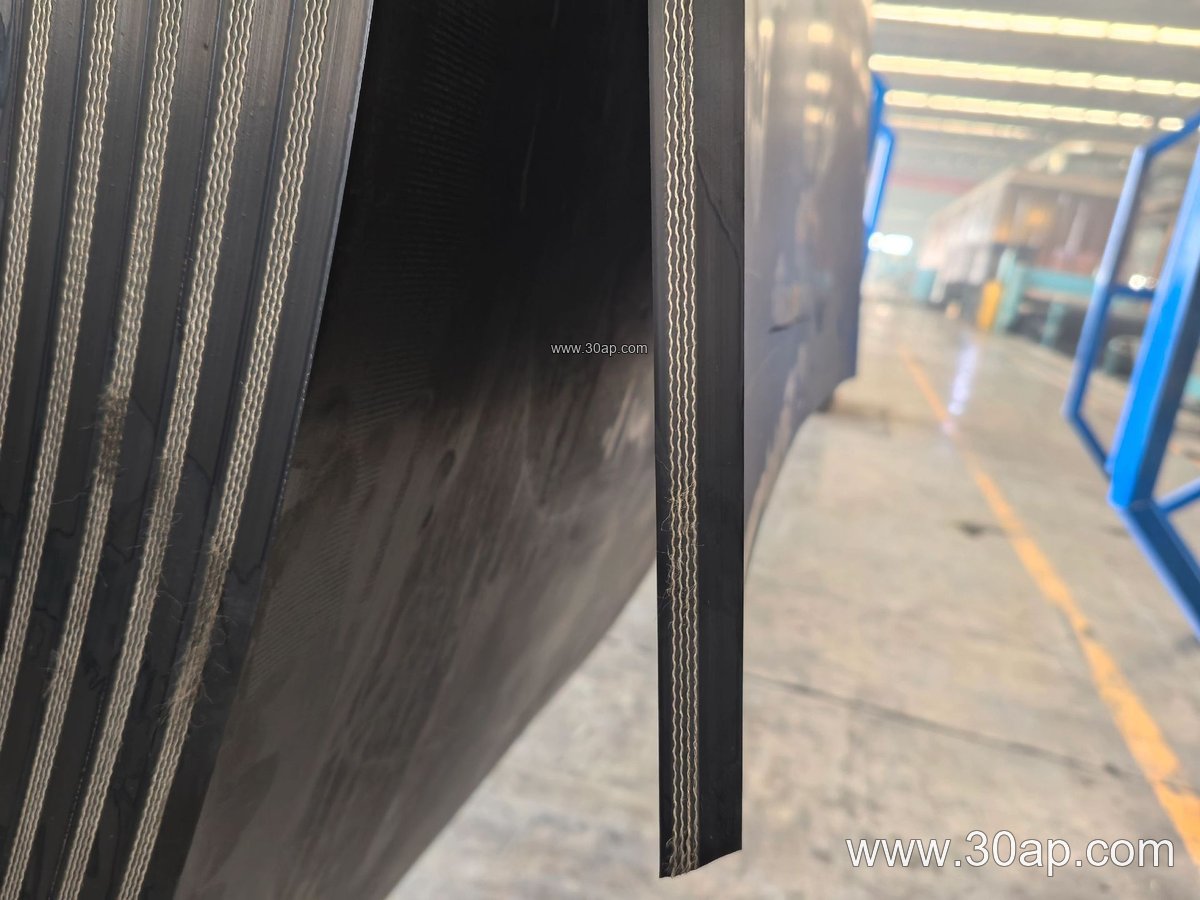
The belt is built around parallel steel cords that run the full length and carry the tension. A rubber core bond holds the cords in place, and top and bottom cover compounds protect the carcass from the material being carried and from the pulleys and idler rollers underneath. Because the cords are the strength member, the belt stretches less than a multi-ply fabric core belt under the same load, which helps keep take-up travel and splice adjustment within a reasonable range on long conveyors.
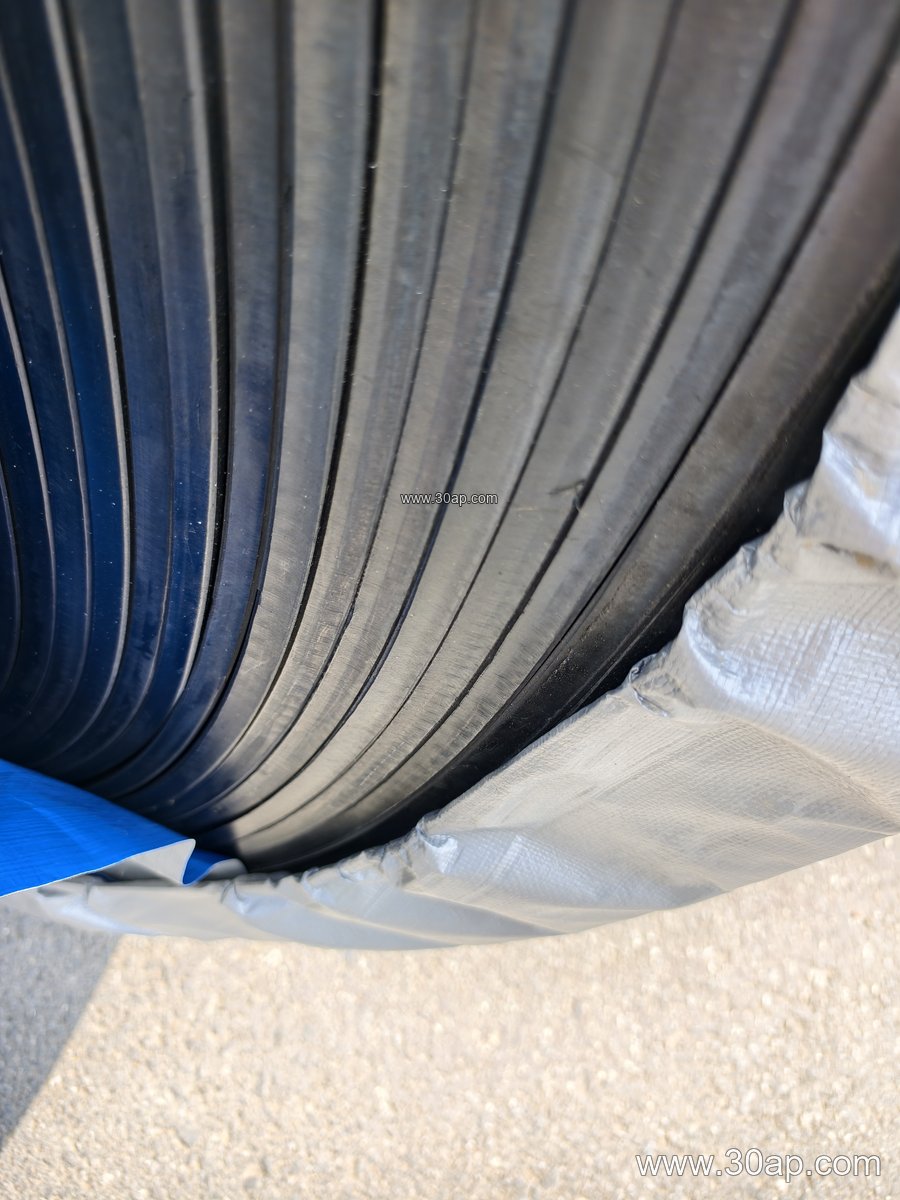
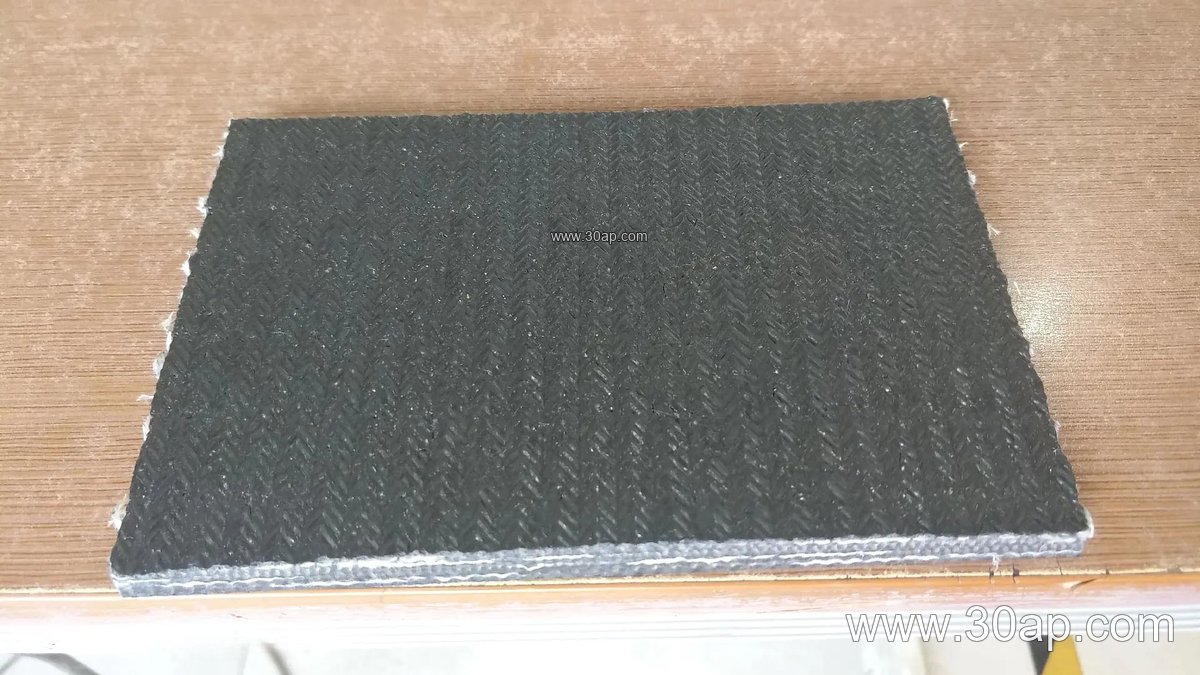
Construction Details That Affect Performance
- Carcass: high-carbon steel cords arranged in a single plane, with cord pitch and diameter selected by the belt designer for the required strength and pulley diameter.
- Cover rubber: commonly 6+2 mm, 8+3 mm or heavier for abrasive rock and ore; the top cover grade can be abrasion resistant, heat resistant, flame retardant, anti-static or oil resistant depending on the duty.
- Splice: steel cord belts are normally joined by a hot vulcanized splice with cords re-laid at a specified step length; splice quality has a large effect on belt life.
- Edges: protected edges reduce cord exposure and moisture ingress on outdoor and washdown installations.
Cover thickness, cord pitch and belt weight are project-specific. Values shown by one supplier should not be treated as universal, and belt width alone does not fix the pulley diameter or shaft size of the conveyor.
Where It Fits in the Plant
This belt class is common in mines, coal preparation plants, cement works, power stations, steel plants, quarries and large port terminals. Typical duties include primary crushed ore, limestone, clinker, coal, sinter and stacker-reclaimer feed. A high strength conveyor belt of this grade also appears on overland lines and on ship loading conveyors where the belt must run for kilometres between drives.
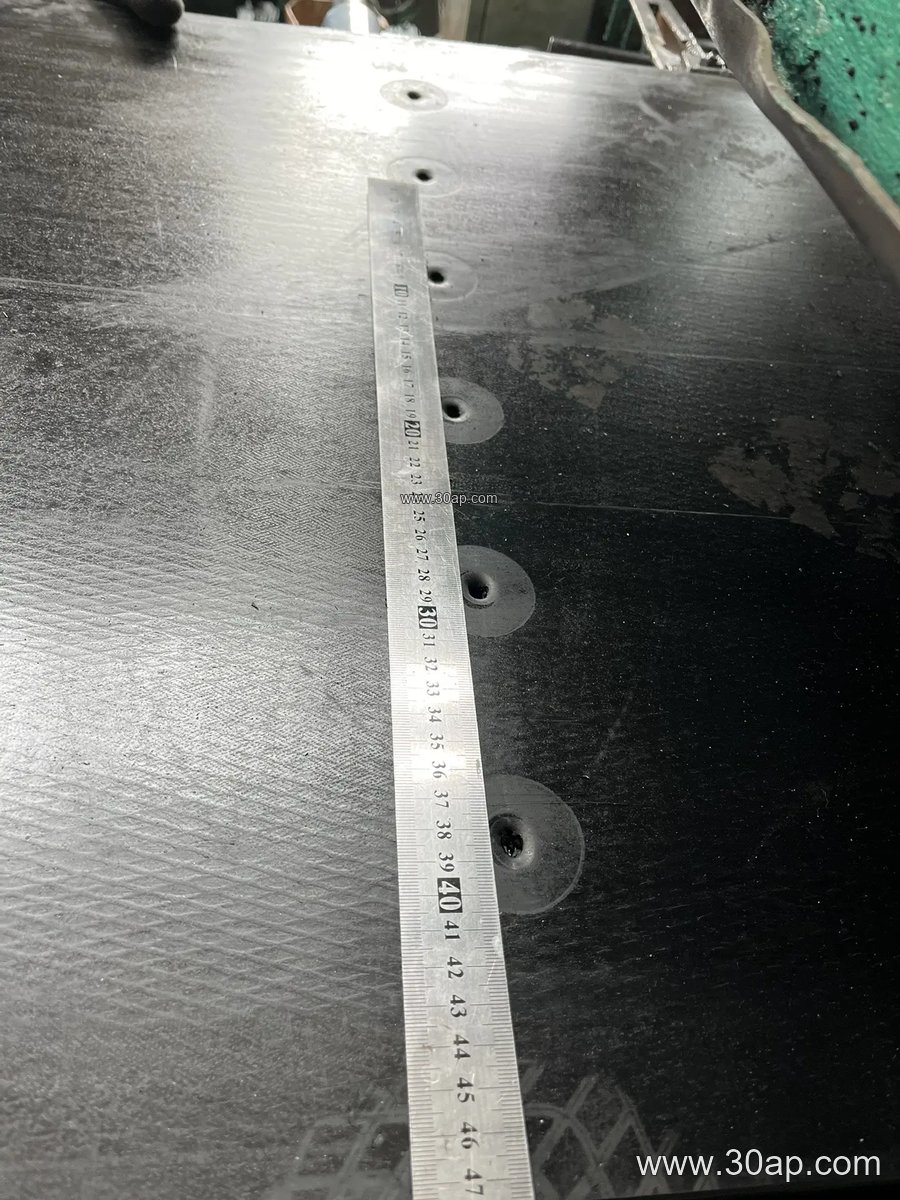
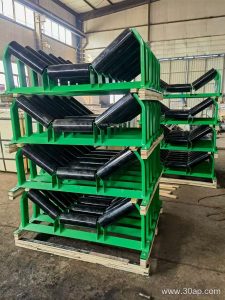
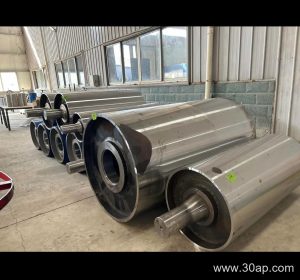
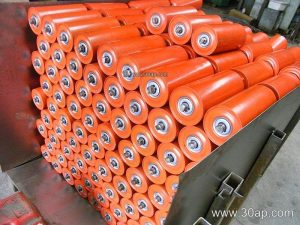
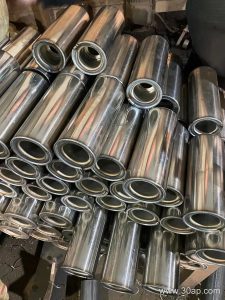
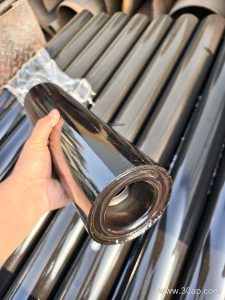
On a complete conveyor the belt works with the drive pulley, tail pulley and bend pulleys, plus troughing and return idler rollers and the conveyor bracket frames that hold them. Each of these parts has its own selection logic. A drive pulley is sized for torque and wrap angle, while a bend pulley is chosen for direction change and belt path, and the two are not interchangeable. The same applies to idler types, which differ by trough angle, roll diameter and load rating.
- Mining and coal handling, including underground mining conveyor and coal mining conveyor duties where flame retardant and anti-static grades may be required.
- Quarry and aggregate conveyor lines feeding crushers and screens.
- Cement plant raw meal, clinker and limestone transport.
- Power plant coal feed and ash handling.
- Port and ship loading bulk material conveyor systems.
Selection Points for Buyers
Start with the duty: material type, lump size, temperature, moisture, oil or chemical exposure, and whether the area is classified for fire risk. Then confirm the required tensile grade, belt width and cover thickness. Common widths in this class include 800 mm, 1000 mm, 1200 mm, 1400 mm, 1600 mm and 1800 mm, but the correct width follows the tonnage and belt speed calculation, not a catalogue default.
Ask for the cord construction, cover grade, belt weight per square metre and recommended minimum pulley diameter. Check that the splice procedure and splice material are supplied with the belt, and confirm the take-up length available on the conveyor. For abrasive ore a high abrasion resistant cover is usually worth the extra cost; for hot clinker or sinter a heat resistant grade is needed; for underground coal the flame retardant and anti-static properties must be verified by test report.
Maintenance attention should go to splice inspections, edge damage, cover wear over the loading point and alignment at the tail pulley. Worn idler rollers or a misaligned bend pulley can shorten belt life quickly, so the whole conveyor, not only the belt, deserves a periodic check.