What a Conveyor Support Leg Does
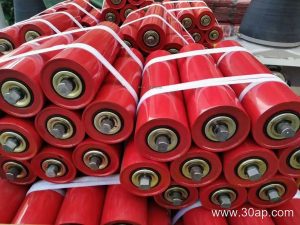
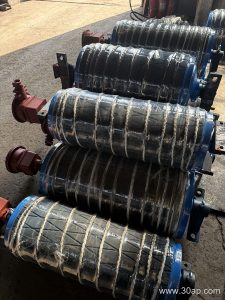
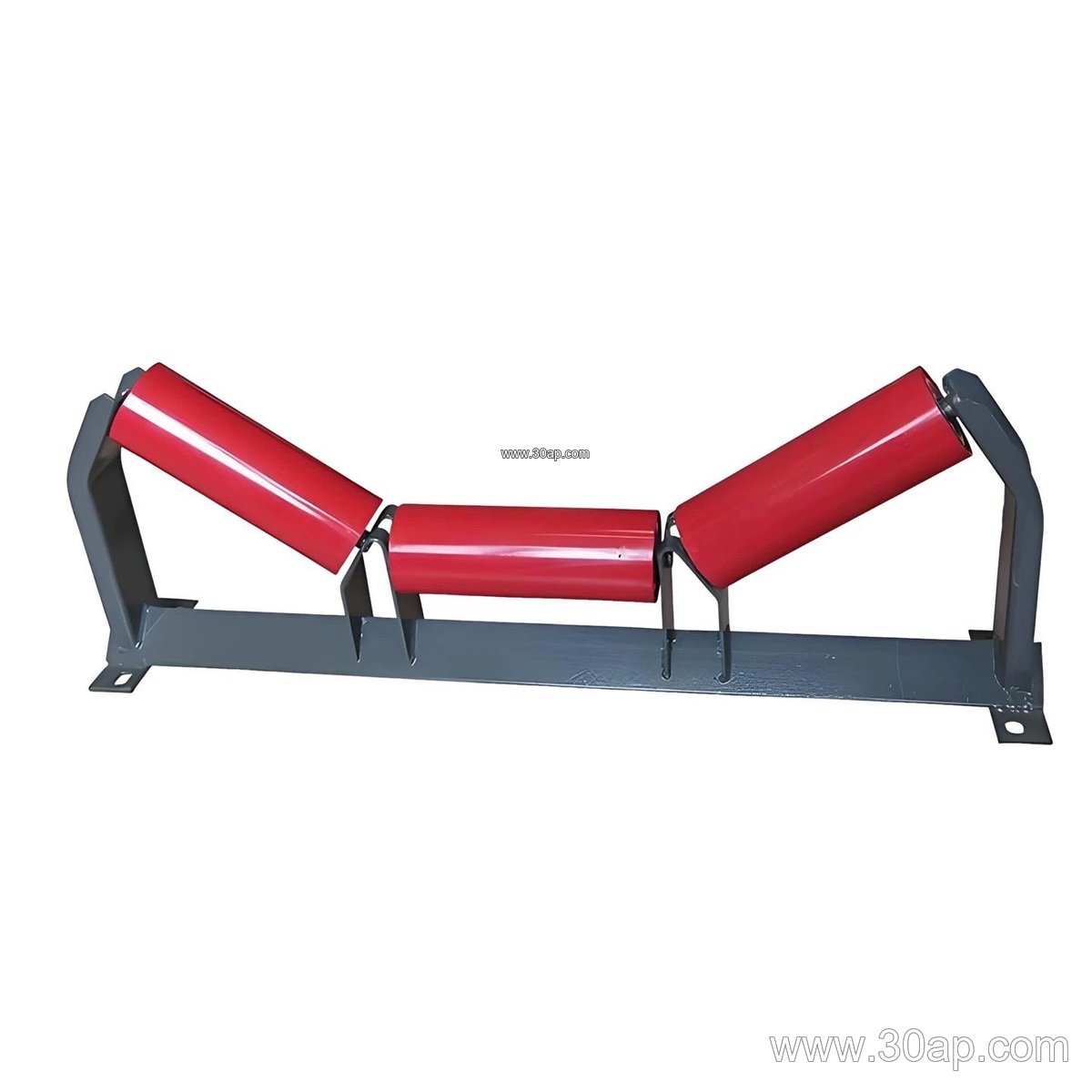
A conveyor support leg is the vertical member that carries the weight of a belt conveyor frame and transfers it to the floor or foundation. It is not just a piece of steel holding up the structure; it sets the elevation of the idler roller stations, keeps the frame aligned, and helps maintain the correct trough angle for the conveyor belt. In a typical stone crushing line or a cement plant, you will see these legs spaced along the conveyor length, often paired with conveyor brackets that hold the idlers in place. The leg works together with the conveyor pulley at the head and tail, but it is a distinct component with its own design considerations.
Construction and Materials
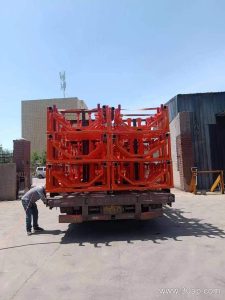
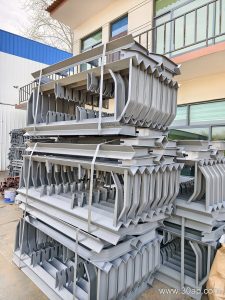
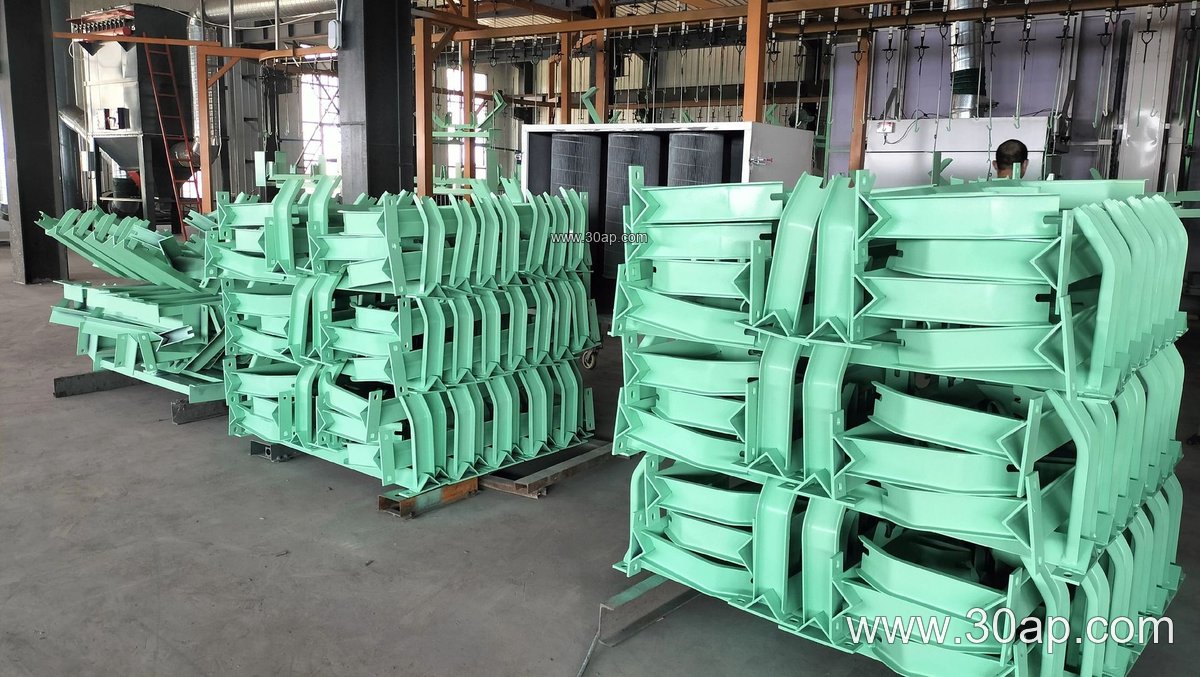
Most support legs are fabricated from angle steel, channel steel, or folded steel plate. The choice depends on the load and the required stiffness. A light-duty leg on a small aggregate conveyor may use angle steel, while a heavy-duty leg under a wide, fully loaded belt in an iron ore mine may use channel or folded plate. The leg usually has a base plate with holes for anchor bolts, and the top may have a bracket or a slotted connection to attach to the longitudinal frame. Adjustable versions include telescoping sections or slotted holes so the frame height can be fine-tuned during installation. The design must account for the weight of the belt, the material load, the idlers, and occasional impact from large lumps.
Where Support Legs Are Used
These legs appear in almost every belt conveyor installation. In a coal mining operation, they support the frame that carries a flame retardant conveyor belt or a coal mining conveyor belt. In a power plant coal yard, they hold up the conveyor that feeds the boiler. In a quarry, you will find them under a quarry conveyor belt carrying crushed rock. They are also common in port ship loading systems, steel plant sinter lines, and fertilizer handling plants. The environment affects the choice: a leg in a wash plant may need extra corrosion protection, while one near a crusher may need to resist vibration and impact.
Matching the Leg to the Conveyor
A support leg is selected based on the belt width, the trough angle, the idler diameter, and the load. Common belt widths range from B500 to B2200, and the leg dimensions and bolt spacing usually change with the width. Trough angles of 20, 30, 35, and 45 degrees are typical, and the leg height must match the frame design for that angle. Idler diameters such as Ø89, Ø108, Ø133, Ø159, and Ø194 also influence the frame height and the leg top connection. For example, a B800 conveyor with a 35-degree trough and Ø108 idlers will have a different leg height than a B1200 conveyor with a 45-degree trough and Ø133 idlers. There is no fixed rule that one belt width must use one specific leg size; the design engineer determines the actual dimensions. The table below gives common reference combinations, not mandatory specifications.
| Belt Width | Trough Angle | Idler Diameter | Typical Leg Material |
|---|---|---|---|
| B500 | 20° | Ø89 | Angle steel |
| B650 | 30° | Ø89 | Angle steel |
| B800 | 35° | Ø108 | Channel steel |
| B1000 | 35° | Ø108 | Channel steel |
| B1200 | 45° | Ø133 | Folded plate |
| B1400 | 45° | Ø133 | Folded plate |
| B1600 | 45° | Ø159 | Folded plate |
| B1800 | 45° | Ø159 | Channel steel |
| B2000 | 45° | Ø194 | Folded plate |
Adjustable support legs are useful where the conveyor profile needs minor changes after installation. Fixed legs are simpler and often more rigid. The choice between them depends on whether the frame height is final at the design stage or may need adjustment on site.
Buyer Checklist
- Confirm the belt width, trough angle, and idler diameter with the conveyor frame drawing.
- Check the leg material and finish against the environment: dusty, wet, or corrosive conditions may require galvanizing or painting.
- Ask for the base plate hole pattern and the top connection details so the leg matches the existing frame and conveyor bracket.
- Consider the load: a heavy-duty mining conveyor belt or a steel cord conveyor belt carrying ore will need a stronger leg than a light aggregate line.
- For projects involving a pipe conveyor belt or a corrugated sidewall conveyor belt, verify the leg height and clearance with the belt profile.
Support legs are simple parts, but they affect the entire conveyor’s alignment and service life. Getting the details right at the purchasing stage saves time during installation and helps the belt run true. For related components such as the idler roller, conveyor pulley, and conveyor bracket, make sure all dimensions are coordinated with the leg design.