What the Feed-End Pulley Does
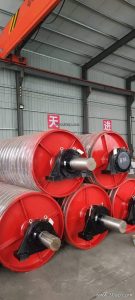
The feed-end pulley is the drum positioned where material first lands on the belt. In many conveyor layouts this is the tail pulley at the loading station, although the exact position depends on the design. Its job is to support the belt at the point of impact, keep the belt tracking straight as it begins its carrying run, and transfer load into the conveyor frame through the shaft and bearings. Because it sits under the loading chute, it often works harder than its size suggests.
Engineers sometimes call this component the tail pulley or the feed pulley. These are accurate equivalent names for the same product. It should not be confused with a drive pulley, which transmits power, or a bend pulley, which only changes belt direction. Those are different subtypes with different duties.
Construction and Surface Options
A typical feed-end pulley is built from a steel shell, end discs, a through shaft, and bearing housings mounted on a sturdy conveyor bracket. The shell may be plain or covered with rubber, and the covering choice matters at the loading point. Common surface forms include plain face, hot vulcanized rubber, cold bonded rubber, diamond grooving, and ceramic lagging. Lagging thickness is often 8 mm to 20 mm depending on belt tension and abrasion conditions.
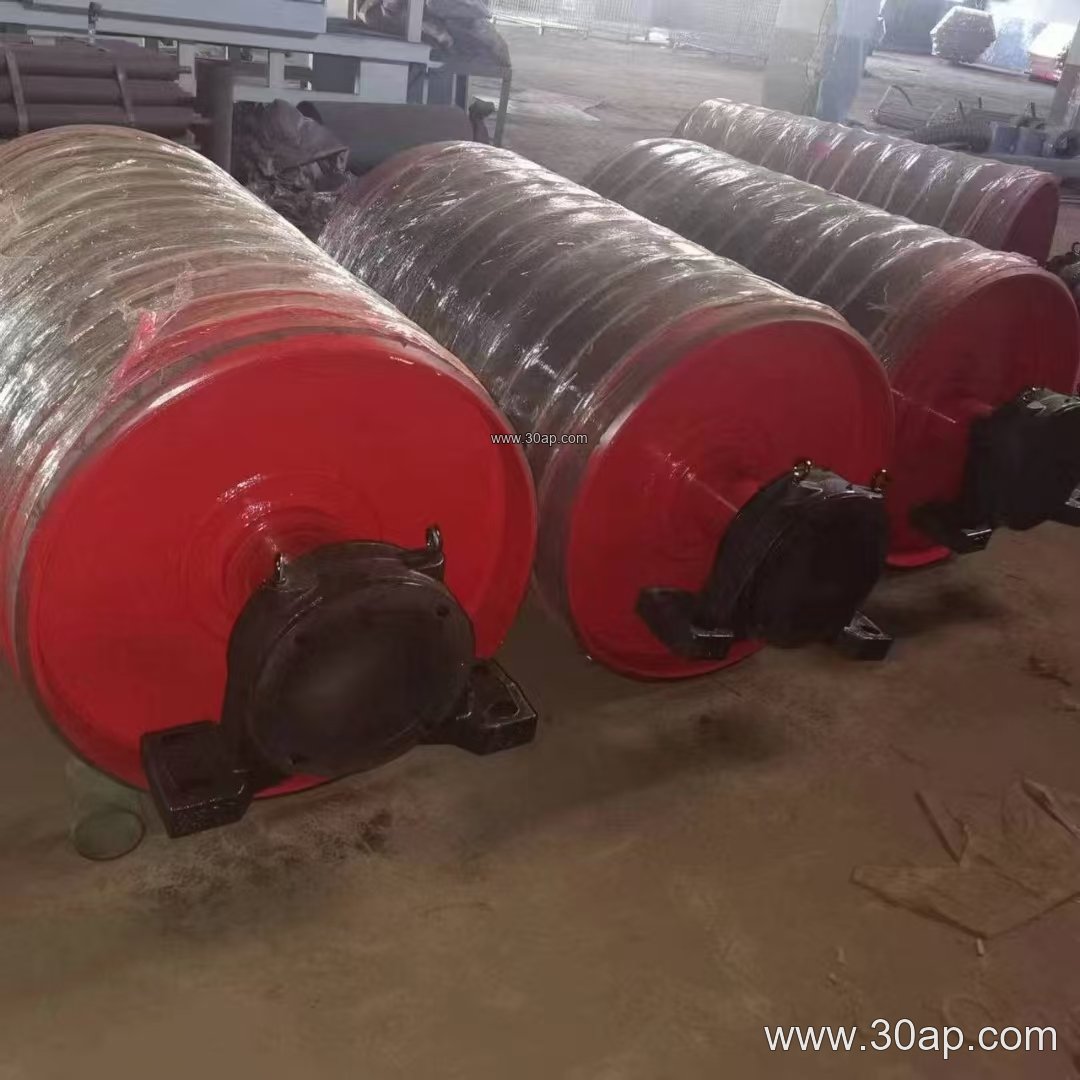
At a transfer point handling abrasive ore or crushed stone, a rubber-lagged shell improves grip and cushions the belt. In a coal preparation plant or a power plant coal yard, flame retardant conveyor belt grades are common, so the pulley covering and the belt should be selected as a system. A heavy-duty mining conveyor belt or a steel cord conveyor belt running at high tension needs a shell and shaft sized for the resulting loads, not simply matched to belt width.
Where It Fits in the Plant
Feed-end pulleys appear in quarry and aggregate lines, crushing and screening circuits, cement clinker conveyors, iron ore and copper ore handling, tunnel spoil removal, and port bulk terminals. In a sand and gravel plant, the tail drum under the hopper may see wet, gritty material. In a fertilizer or grain silo application, the same component may need a smooth, cleanable surface and careful sealing.
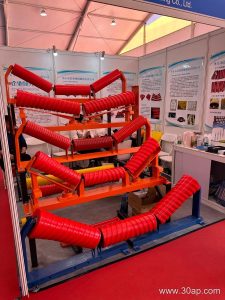
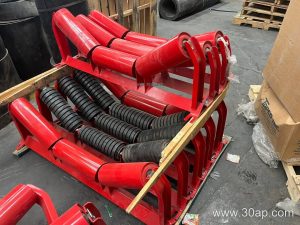
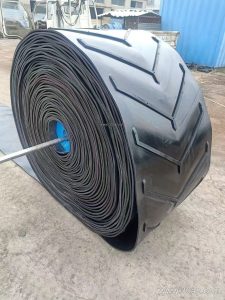
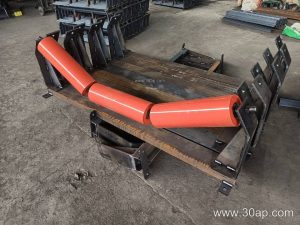
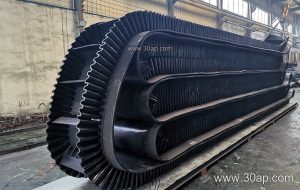
The pulley works together with the conveyor belt, idler roller sets, and the frame. A well-aligned feed-end drum reduces belt edge wear and helps an EP conveyor belt or multi-ply fabric core belt run centered through the loading zone.
Sizing the Drum and Shaft
Buyers often ask how to match pulley diameter to belt width. There is no single rule that fixes one diameter for one belt width, because the choice depends on belt tension, wrap angle, material lump size, and shaft deflection limits. The table below shows common reference combinations, not mandatory matches.
| Belt width | Typical shell face width | Example diameter range |
|---|---|---|
| B500 | About 600 mm | Ø250 to Ø400 |
| B650 | About 750 mm | Ø315 to Ø500 |
| B800 | About 950 mm | Ø400 to Ø630 |
| B1000 | About 1150 mm | Ø500 to Ø800 |
| B1200 | About 1400 mm | Ø630 to Ø1000 |
| B1400 | About 1600 mm | Ø800 to Ø1250 |
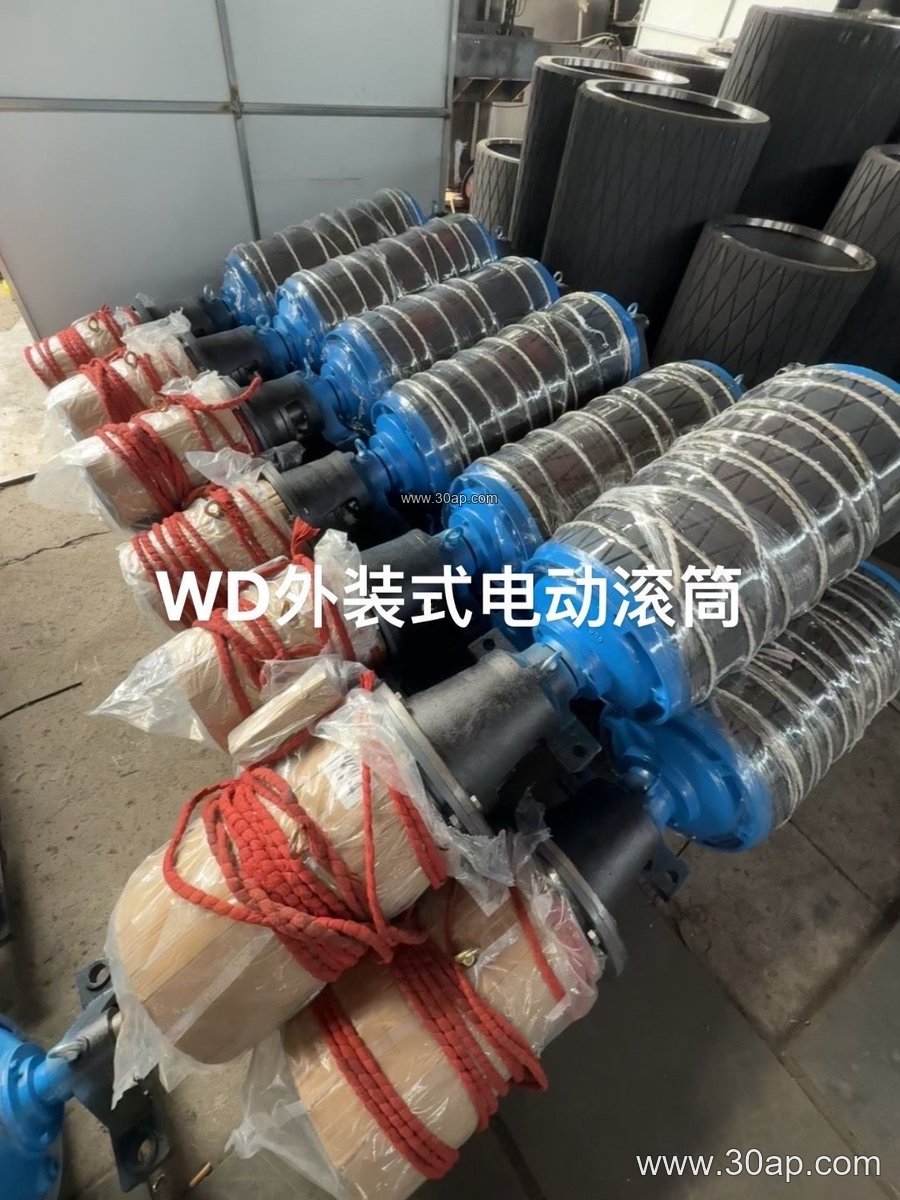
Shaft diameter is set by torque and bearing load, not by belt width alone. Common shaft sizes range from Ø50 to Ø200 mm, and the final value should come from the conveyor designer. A B800 × Ø500 feed-end pulley may suit one transfer point, while a nearby B800 drum might use a larger diameter for a different belt tension.
Buyer Checklist
- Confirm the loading position and whether the drum is a tail pulley or another position in the run.
- State the belt type and tension, such as EP200, EP400, NN300, or ST1600, so the shell and shaft can be checked.
- Choose lagging for grip and wear: plain, diamond, or ceramic, with thickness suited to the duty.
- Check bearing housing fit, shaft keyway, and the interface with the conveyor bracket.
- Plan inspection of lagging wear, bearing temperature, and belt tracking at the feed point.
For more conveyor components, including conveyor pulley options and idler roller assemblies, visit beltconveyorpulley.com and review the technical pages before specifying a feed-end drum. A properly sized feed-end pulley protects the belt at its most vulnerable point and keeps the whole conveying line running smoothly.