What the ST1250 Conveyor Belt Is
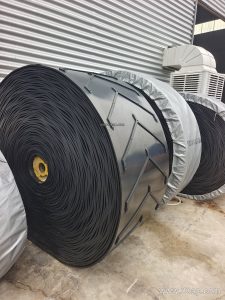
The ST1250 Conveyor Belt is a steel cord conveyor belt with a nominal tensile strength of 1250 N/mm per unit width. It belongs to the steel cord family of heavy-duty belts, where the load-bearing skeleton is a layer of high-carbon steel cords rather than woven fabric plies. In a typical steel cord series, ST1000, ST1250, ST1600, ST2000, ST2500 and ST3150 sit alongside each other, and ST1250 is one of the most widely chosen grades for long, heavily loaded conveying lines.
Because the cords carry the tension, the belt stretches very little under load, which keeps take-up travel modest and helps maintain a stable troughing profile. That is why this grade often appears on main haulage lines in mines and on long overland routes where a fabric-reinforced belt would need many plies and still struggle with elongation.
Construction and Belt Build
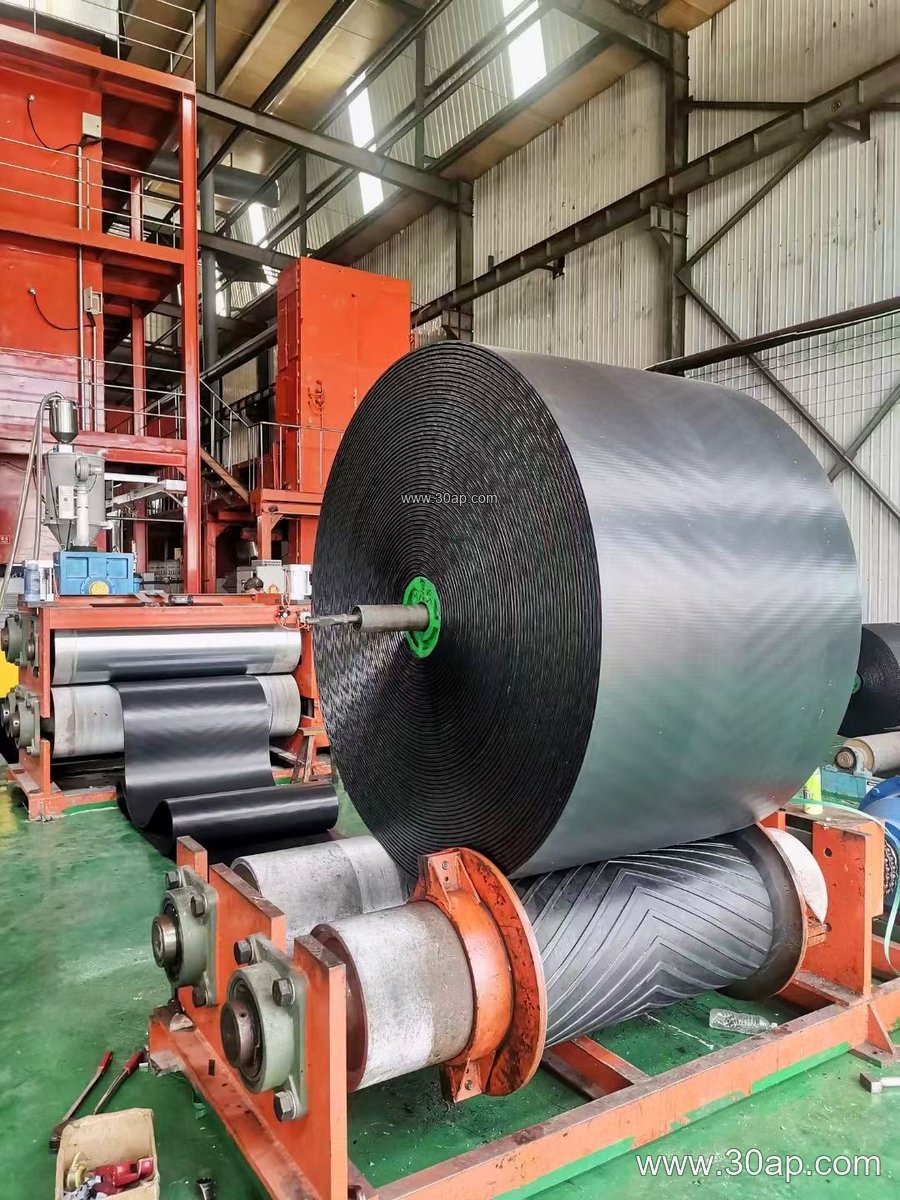
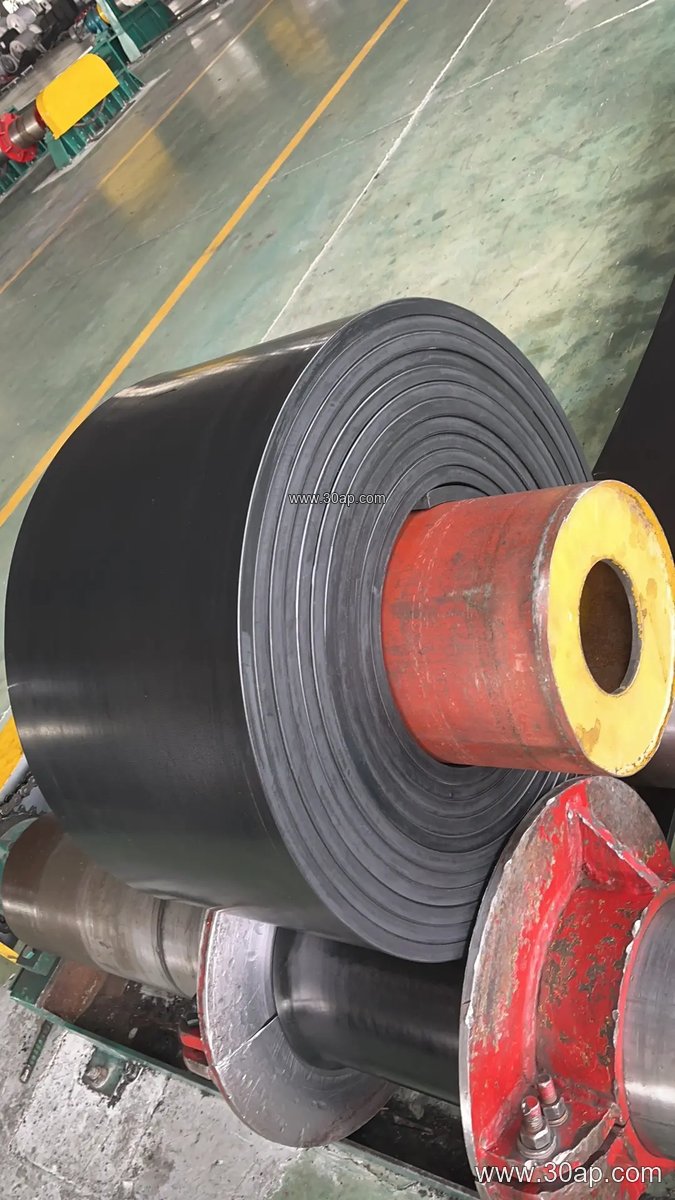
A steel cord belt is built around a single layer of parallel steel cords, embedded in a rubber core compound and protected by top and bottom cover rubber. The cords are spaced evenly across the width and run longitudinally, so they resist tension but give the belt limited transverse rigidity; the cover rubber, together with the pulley and idler arrangement, does the rest.
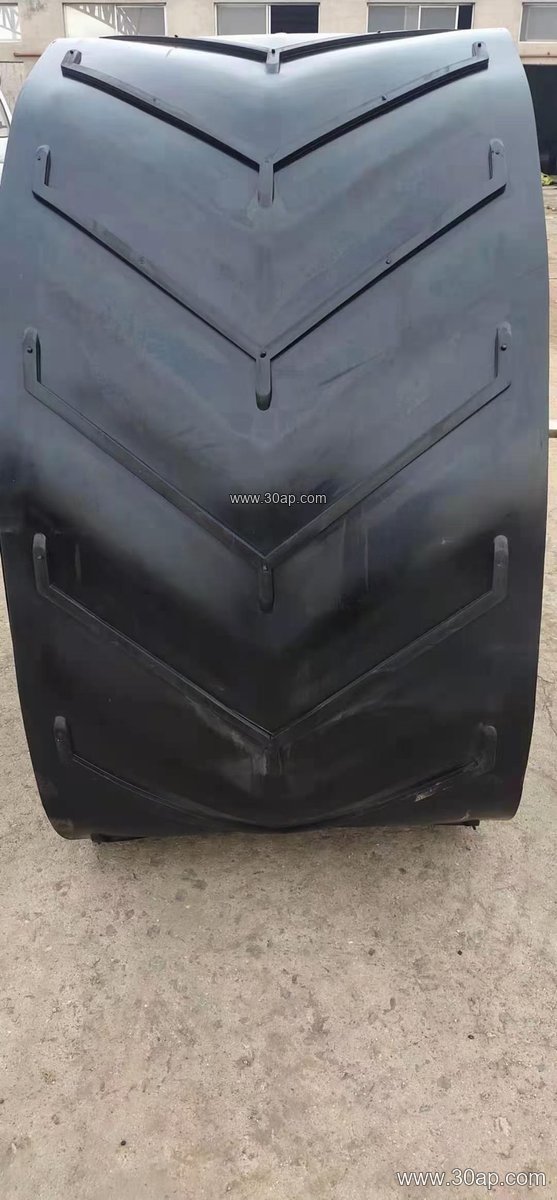
Cover thickness is normally specified as a top plus bottom figure, for example 6+2 mm, 8+3 mm or other combinations agreed at ordering. The cover compound is selected for the duty: an abrasion resistant conveyor belt grade for sharp ore and crushed rock, a heat resistant conveyor belt compound for hot clinker or sinter, a flame retardant conveyor belt or fire resistant conveyor belt version for underground coal mining, and oil resistant or cold resistant grades where the environment demands them.
Common Reference Data
| Item | Typical reference values |
|---|---|
| Belt type | Steel cord conveyor belt, ST1250 grade |
| Nominal tensile strength | 1250 N/mm |
| Belt width (common) | B800, B1000, B1200, B1400, B1600, B1800, B2000 |
| Cover thickness (examples) | 4+2, 5+2, 6+2, 8+3 mm |
| Cover grades | Abrasion resistant, heat resistant, flame retardant, oil resistant, cold resistant, anti-static |
These figures are reference data only. Actual cord pitch, cover gauge, rubber grade and splice method are confirmed per project design, because different manufacturers build to different standards.
Where It Fits in the Plant
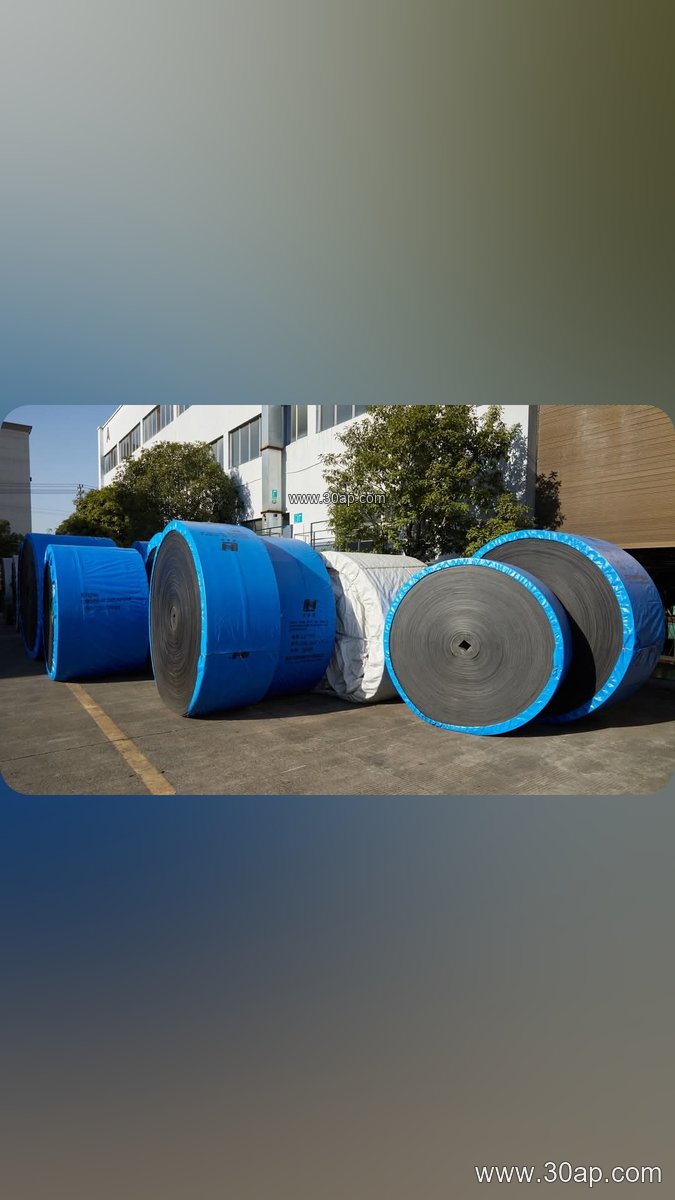
ST1250 steel cord belting is at home in bulk material conveyor systems that move large tonnages over long distances. Typical settings include underground mining conveyor belts and surface haulage in coal mines, iron ore and copper ore operations, quarry conveyor belts and aggregate conveyor belts feeding crushers, cement plant lines carrying clinker and limestone, power plant coal handling, and port or ship loading conveyors.
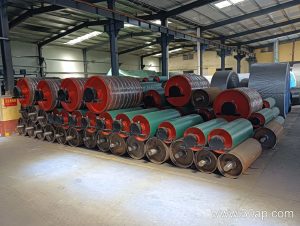
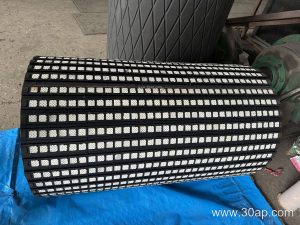
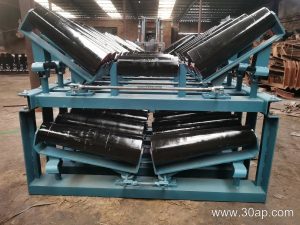
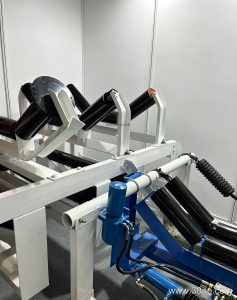
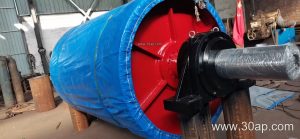
On these lines the belt runs over idler rollers arranged in troughing sets, wraps the drive pulley and tail pulley, and returns through bend pulleys and transition idlers. Each of these components has its own job: a drive pulley transmits torque, a tail pulley sets the return end, and a bend pulley changes direction. They are not interchangeable, and belt selection must be matched to the pulley diameters and trough angle chosen by the conveyor designer.
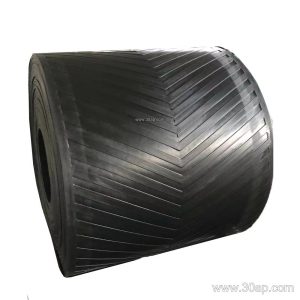
In dusty or explosive atmospheres, an anti-static conveyor belt with flame retardant properties is often requested. For hot materials, a heat resistant conveyor belt compound protects the carcass; for wet, sticky or inclined sections, a chevron conveyor belt or corrugated sidewall conveyor belt may be a better fit than a flat ST1250 belt, and that comparison should be made early in the design stage.
Buyer Checklist
- Confirm the required tensile grade against the calculated belt tension, not by habit; ST1250 is not automatically right for every conveyor.
- State belt width, cover thickness, rubber grade and any flame retardant or anti-static requirement in the enquiry.
- Check pulley diameters, take-up arrangement and splice method with the belt supplier before ordering.
- Ask how the belt will be joined: steel cord belts are usually spliced on site, and splice quality matters as much as the belt itself.
- Plan storage and handling, since steel cord belts are heavy and should not be kinked or run over sharp edges.
For matching components, buyers often review conveyor pulley, idler roller and conveyor bracket specifications at the same time as the belt so that the whole conveyor is designed as one system. A well-matched ST1250 installation, correctly spliced and maintained, gives long service in demanding mining, cement, power and quarry duty.