What a Belt Tracking Idler Does
A belt tracking idler is a specialized conveyor idler roller designed to keep the conveyor belt centered on its path. Unlike standard carrying or return idlers, this tracking idler actively corrects misalignment by using angled rollers or a pivoting frame that steers the belt back to the middle. In quarry, coal mining, and cement plant operations, a belt that wanders off-center can cause spillage, edge damage, and costly downtime. The belt tracking idler addresses this by applying gentle lateral force when the belt drifts.
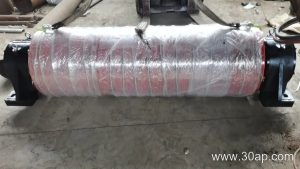
Also called a self-aligning idler or training idler, it is a distinct component from the drive pulley, tail pulley, or bend pulley. Those pulleys transmit power or change belt direction, while the tracking idler focuses solely on belt centering. Confusing these terms can lead to the wrong part being ordered or installed.
Construction and Common Configurations
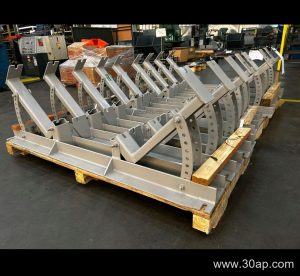
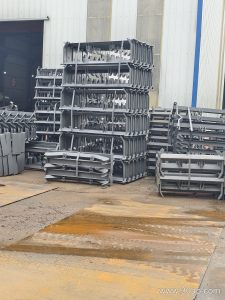
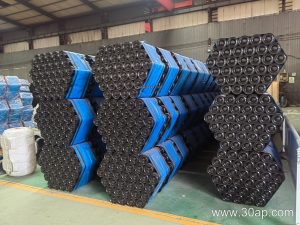
Most belt tracking idlers use a robust steel frame that pivots on a central shaft. The rollers themselves may be steel, nylon, or rubber-covered, depending on the application. For dusty or wet conditions, sealed bearings such as 6205 or 6306 are common to resist contamination. The roller diameter often ranges from Ø89 to Ø159, and the idler length is matched to the belt width and trough angle.
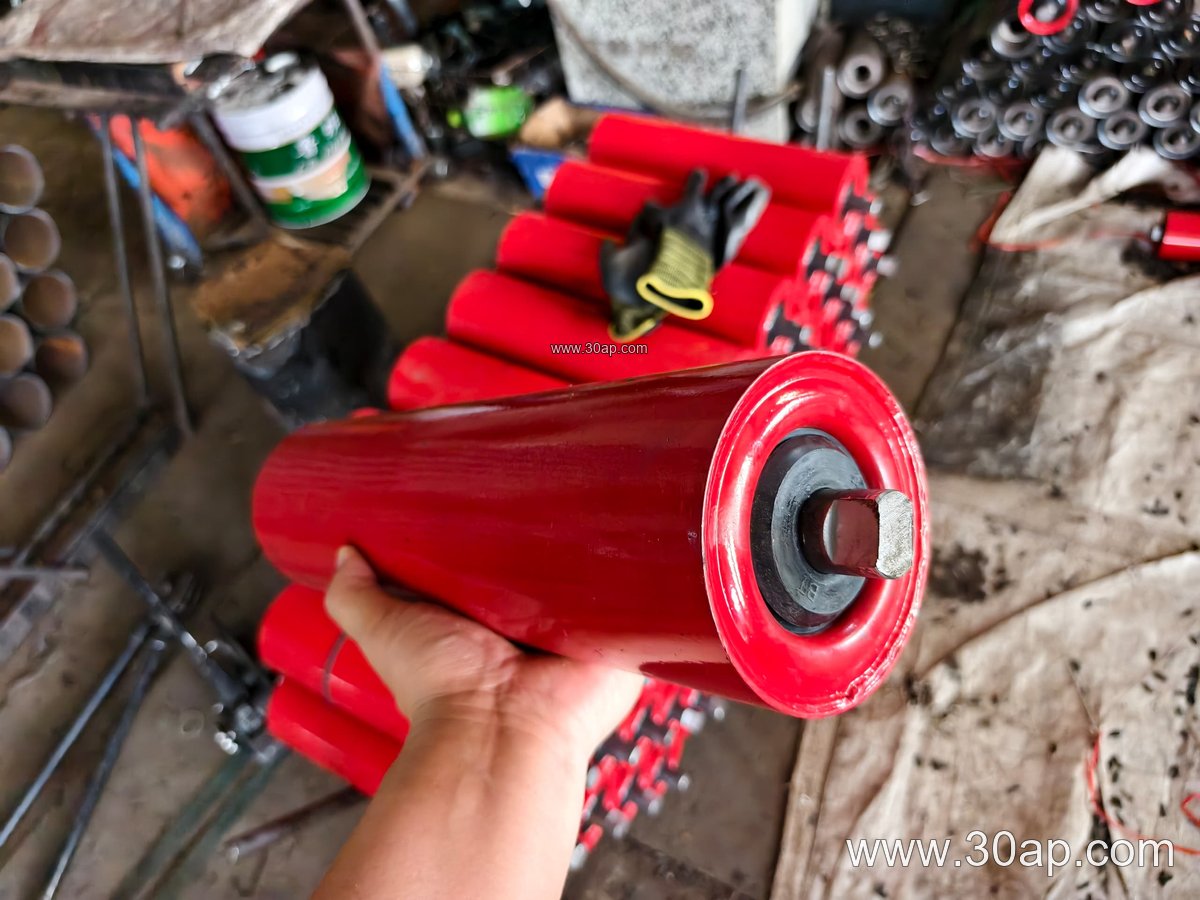
Common types include:
- Friction tracking idler – uses the belt’s own motion to trigger correction.
- Tapered tracking idler – conical rollers create a differential force to steer the belt.
- Return-side tracking idler – often a V-shaped or flat arrangement for the belt’s return run.
These are not interchangeable with troughing idlers or impact idlers, which serve different purposes. A troughing idler supports the loaded belt, while an impact idler absorbs shock at loading points.
Where It Fits in a Conveyor System
Belt tracking idlers are typically installed on the carrying side, just after the loading zone or before the head pulley, and on the return side before the tail pulley. In a limestone quarry or iron ore plant, a misaligned belt can quickly damage the belt edges and spill material. A tracking idler placed at strategic points reduces this risk. It works alongside the conveyor belt, conveyor pulley, and conveyor bracket to maintain a stable path.
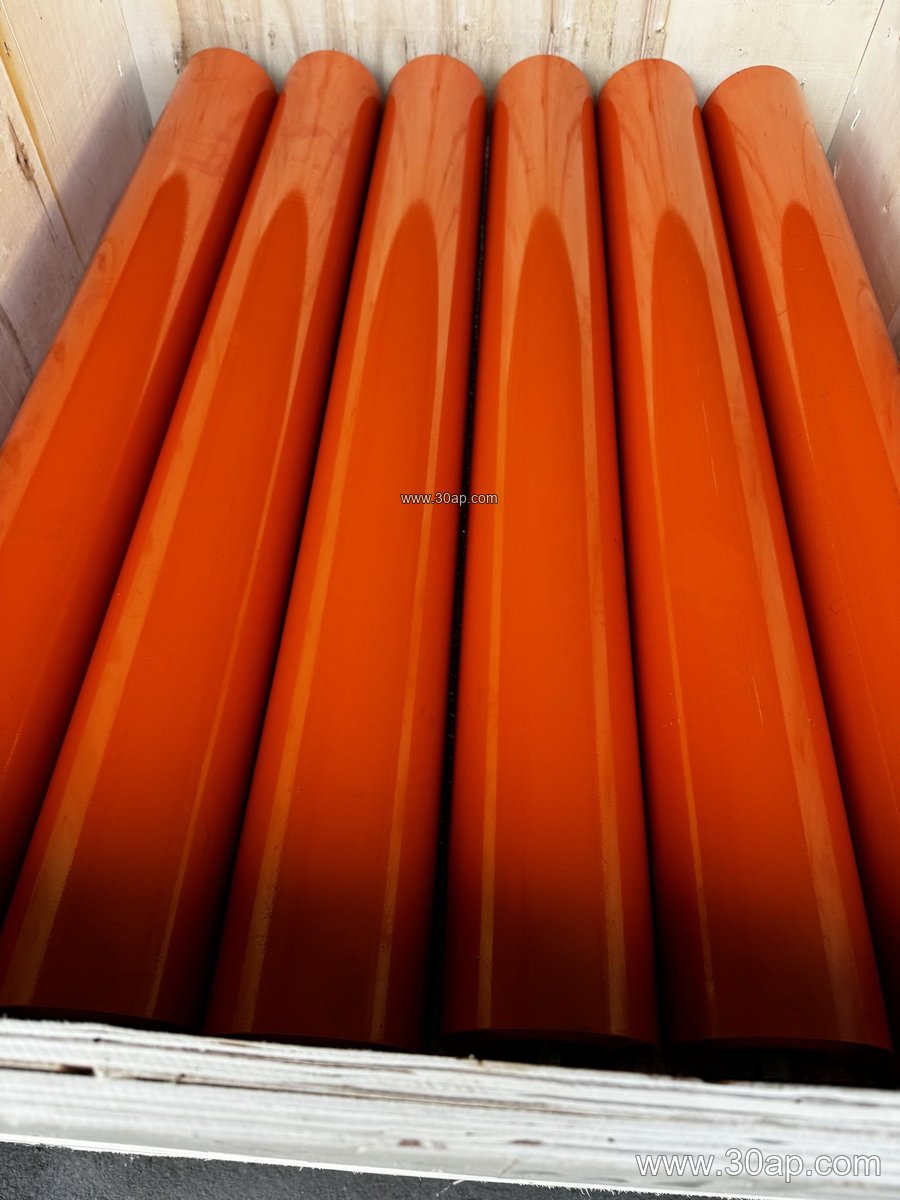
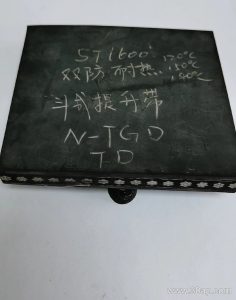
For wider belts, such as 1200mm or 1400mm, a heavier tracking idler frame may be needed. In coal mining, flame retardant conveyor belts are common, and the tracking idler should be compatible with the belt surface and environmental regulations. The idler itself does not need to be flame retardant, but its bearings and seals should handle dust and moisture.
Key Selection Points for Buyers
When choosing a belt tracking idler, consider the belt width, trough angle, and load. Standard belt widths like B650, B800, B1000, and B1200 each require a matching idler length. For example, a three-roll troughing set at B1000 often uses a center roll of about 380 mm, but this is a common reference, not a fixed rule. The roller diameter should be selected based on belt speed and load, with Ø102 or Ø127 being typical for medium-duty applications.
Bearing selection matters: 6204, 6205, 6305, and 6306 are frequently used, but the choice depends on the idler size and radial load. Do not assume a specific bearing is tied to a single roller diameter. Also, consider the surface form: rubber-covered rollers offer better grip and reduce belt wear in wet conditions, while nylon rollers are lighter and resist buildup.
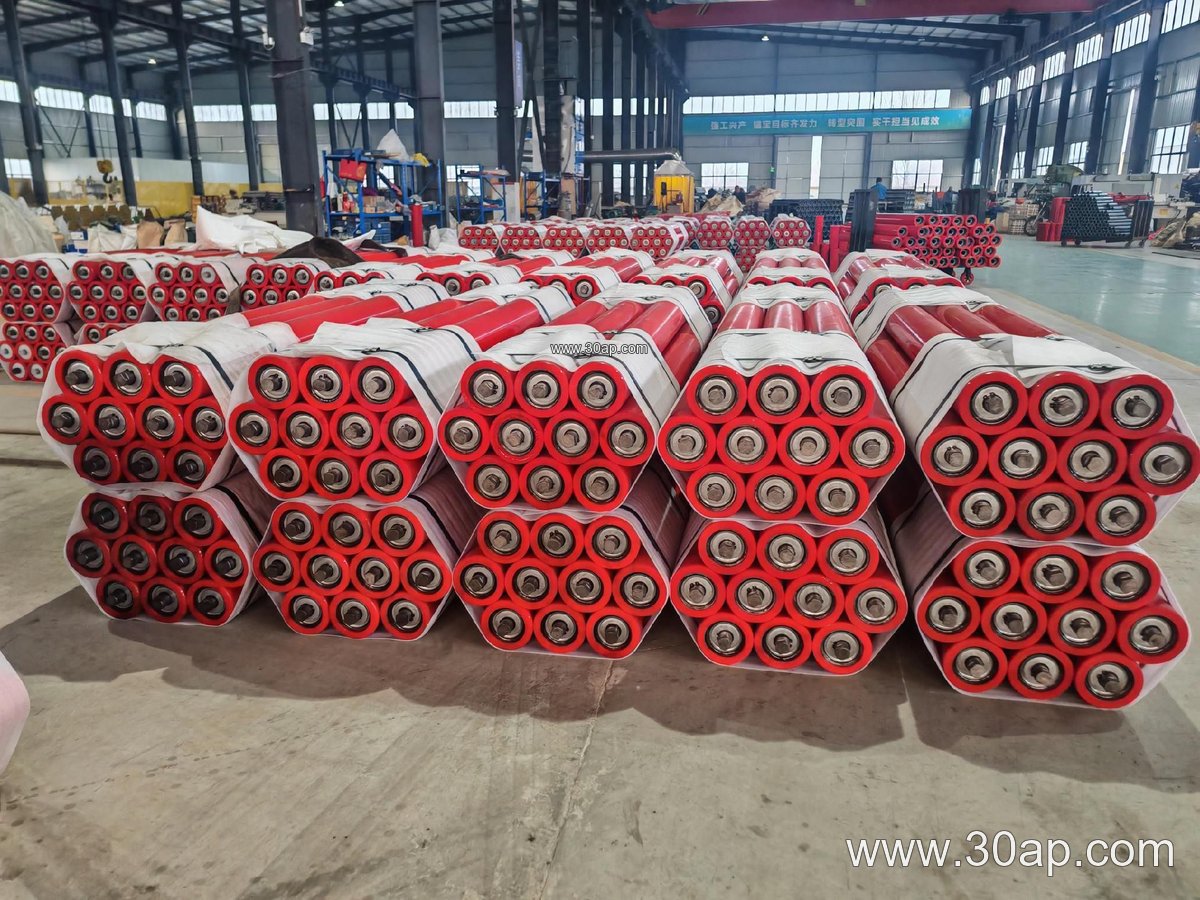
For abrasive materials like iron ore or copper ore, an abrasion resistant conveyor belt is often paired with a robust tracking idler. In food or chemical plants, a food grade or chemical resistant belt may be used, and the idler should be selected to avoid contamination.
Maintenance and Troubleshooting
Regular inspection of the belt tracking idler is essential. Check for worn rollers, damaged seals, and frame alignment. A tracking idler that is incorrectly installed or worn can actually cause belt misalignment. Lubricate bearings according to the manufacturer’s schedule, and replace rollers that show flat spots or excessive play. In dusty environments like a cement plant or coal handling facility, keep the idler clean to prevent material buildup that affects tracking.
Remember that a belt tracking idler is not a substitute for proper conveyor design. Drive pulleys, tail pulleys, and bend pulleys must be aligned correctly, and the belt must be properly tensioned. The tracking idler is a corrective device, not a cure for poor installation.
For more information on conveyor components, visit our site at www.example.com/belt-tracking-idler or explore our range of conveyor idler roller and conveyor bracket solutions.