What a PVG800 Conveyor Belt Is
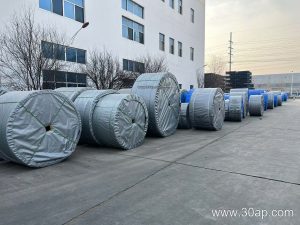
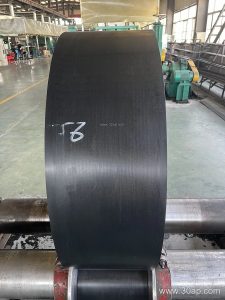
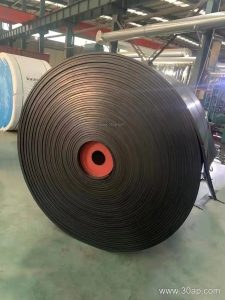
A PVG800 Conveyor Belt is a solid-woven, PVC/NBR-based conveyor belt rated at 800 N/mm tensile strength per unit width. The designation PVG refers to the construction: a single-ply fabric core fully impregnated and bonded with polyvinyl chloride on one side and nitrile rubber on the other. This combination gives the belt a rubber-like top cover for grip and wear resistance, while the PVC body provides flexibility, flame resistance and a smooth, troughable profile. In many mining and tunnelling specifications the product is also called a PVG solid woven conveyor belt, and the PVG800S variant is the same construction with an anti-static designation for hazardous atmospheres.
The PVG800 belt should not be confused with an EP Conveyor Belt or a Steel Cord Conveyor Belt, which use different carcass architectures and strength classes. Each type suits a different duty, and the solid-woven PVG family occupies the medium-strength, high-flexibility niche.
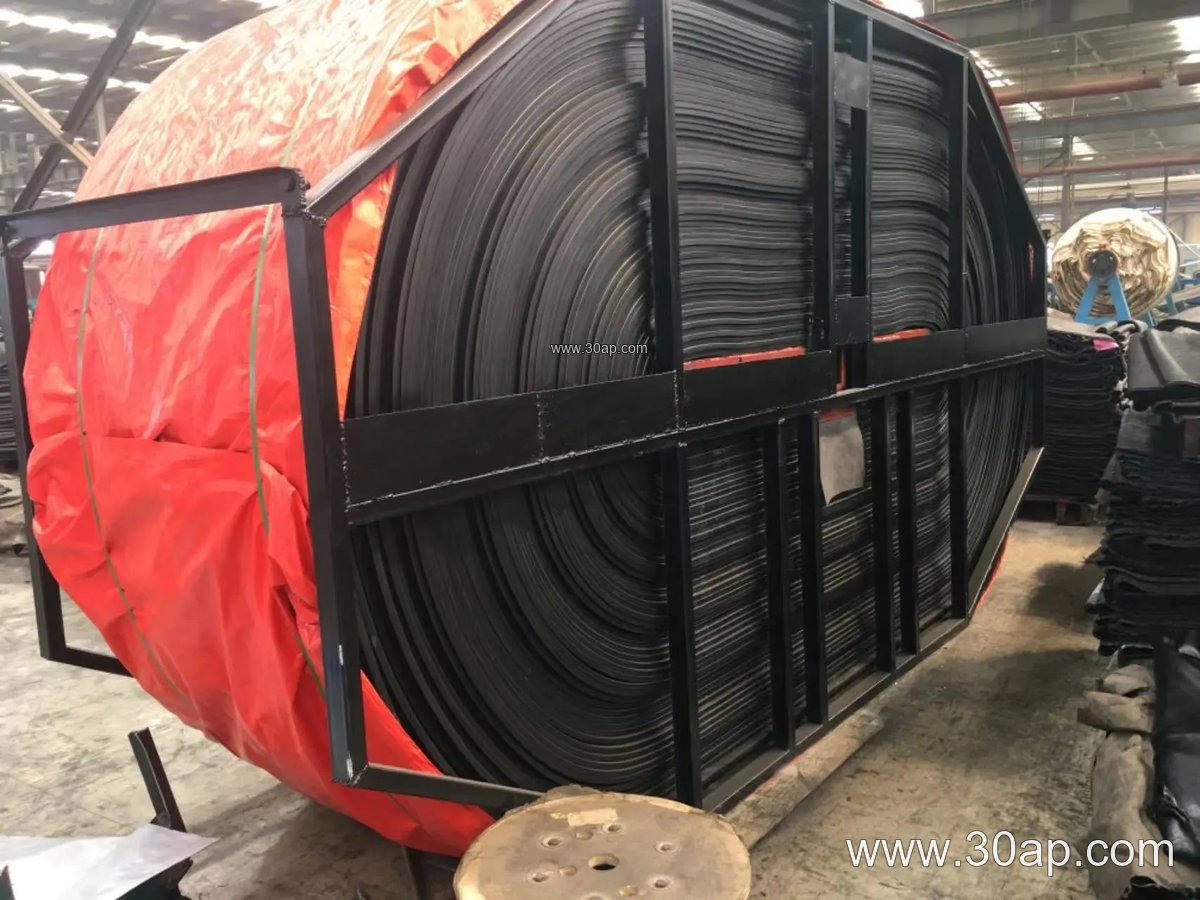
How the Belt Is Built
The carcass is a single solid-woven fabric, usually polyester warp and nylon weft, which is dipped and impregnated with PVC paste before the covers are applied. Because there are no separate plies to delaminate, the belt resists impact, edge damage and repeated flexing over small pulleys. Cover thickness is usually specified in the range of 2 to 6 mm on the carrying side, with a thinner pulley side, and the belt is commonly supplied in a range of cover grades for abrasion, flame resistance and anti-static performance.
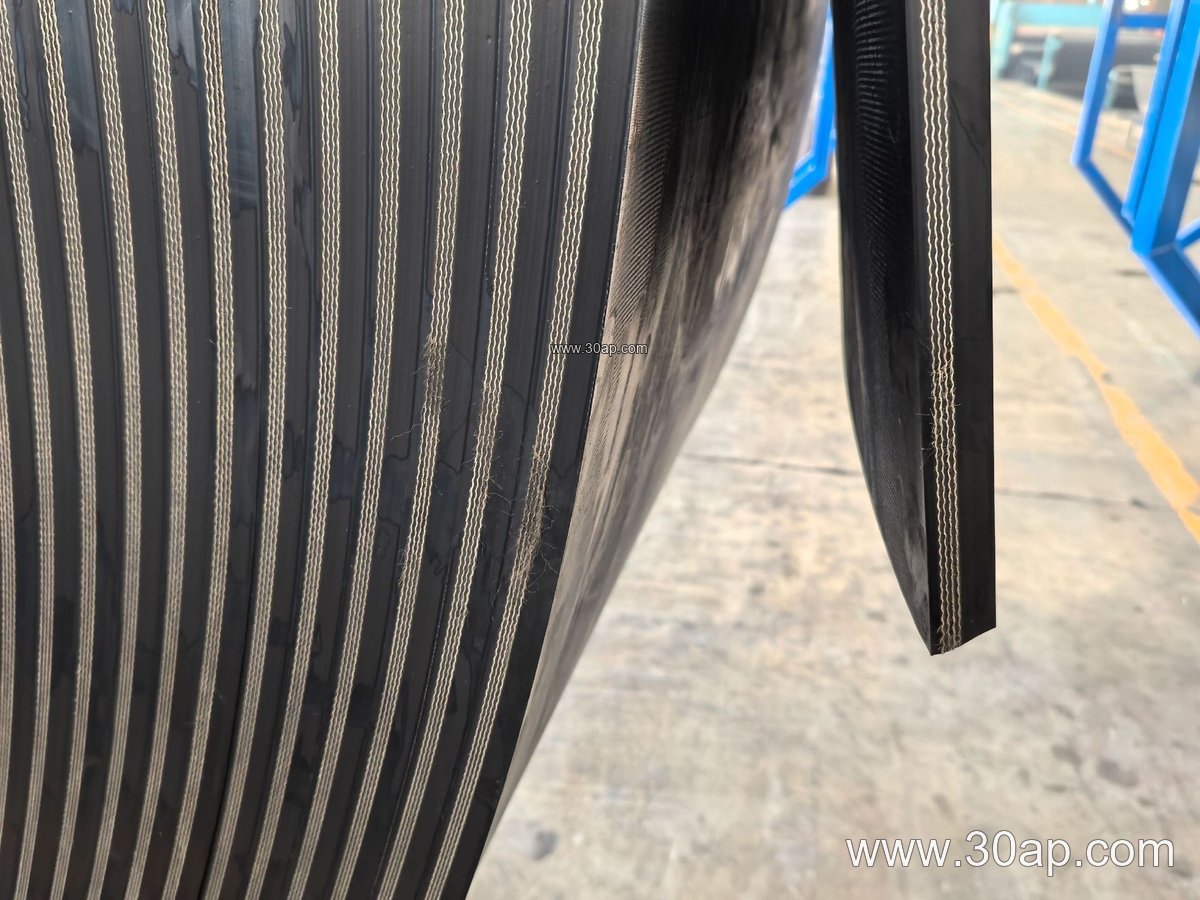
- Single-ply solid-woven core with PVC impregnation
- Nitrile rubber top cover for grip and cut resistance
- Anti-static grade available as PVG800S
- Endless or open-ended supply with mechanical or vulcanised joints
Typical Specifications and Dimensions
Values below are common reference figures; actual data should be confirmed with the manufacturer for a specific order. Belt width and strength must be matched to the conveyor design, not chosen from a fixed list.
| Parameter | Typical reference range |
|---|---|
| Strength class | 800 N/mm (PVG800) |
| Belt widths | 650, 800, 1000, 1200, 1400, 1600 mm |
| Cover thickness | 2 to 6 mm carrying side |
| Top cover grade | NBR, flame retardant, anti-static |
| Joint options | Vulcanised splice or mechanical fastener |
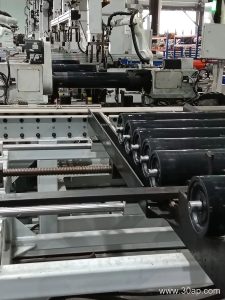
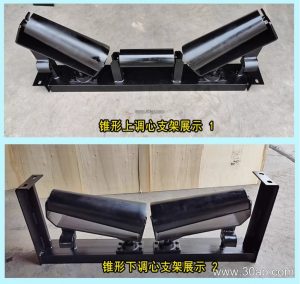
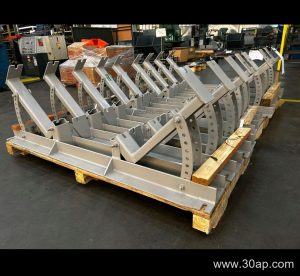
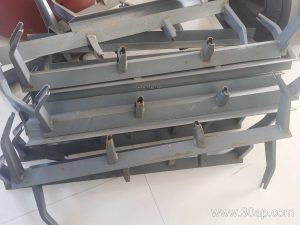
One belt width does not fix a pulley diameter; drive pulley, tail pulley and bend pulley sizing follows the conveyor design, belt tension and carcass flexibility data. Buyers should also check idler roller spacing and conveyor bracket dimensions when upgrading an existing line.
Where It Fits in the Plant
The PVG800 Conveyor Belt is widely used in underground coal mining conveyor systems, where flame retardant and anti-static properties are required, and in tunnelling, potash and salt operations. In cement plants, power plants and quarry operations it handles limestone, clinker, gypsum and aggregate on medium-duty flights. It is also found in port loading lines and bulk material conveyor systems where a lighter, more flexible belt reduces splice time and pulley load compared with a heavy multi-ply fabric belt.
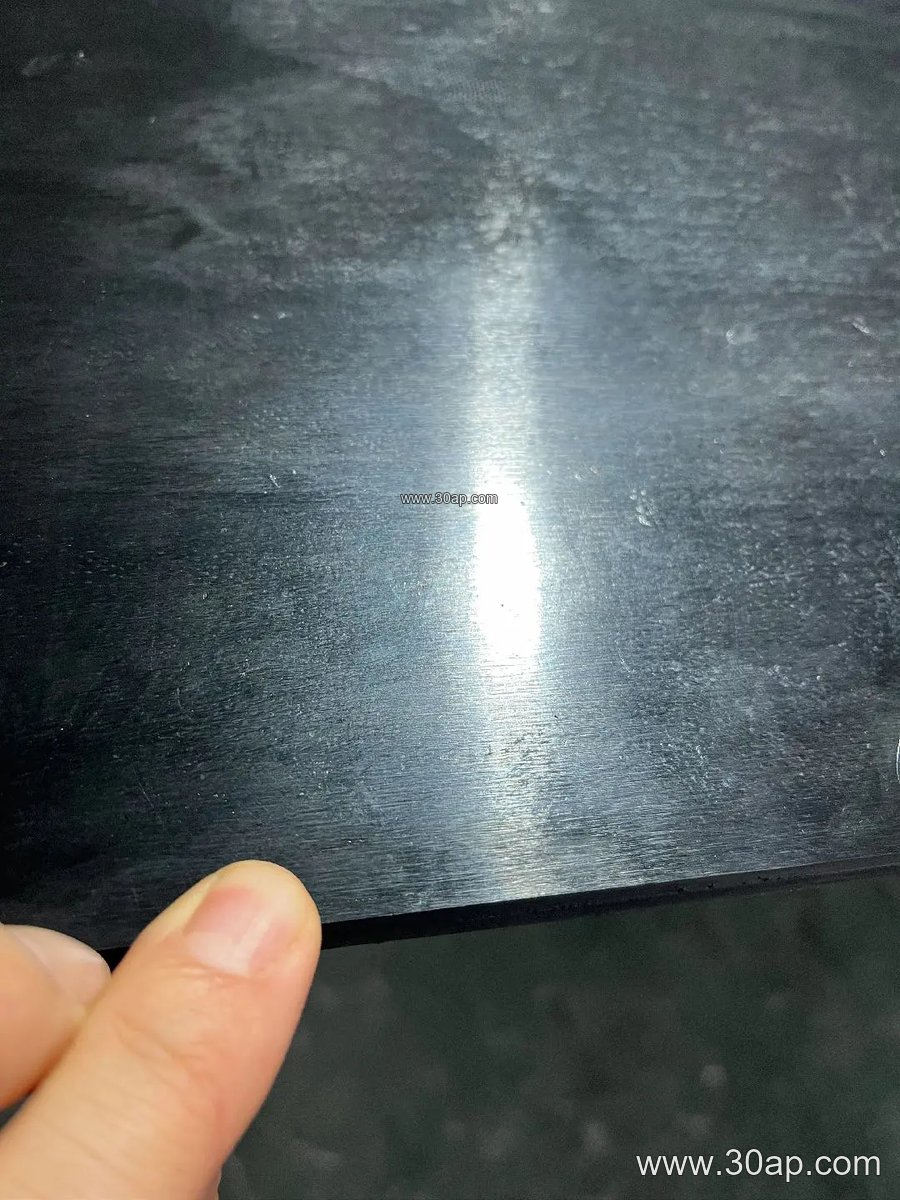
For very abrasive iron ore or copper ore duties, a high abrasion resistant conveyor belt with a thicker cover may be preferred. For long overland hauls at high tension, a steel cord or high-strength EP design is usually more economical. The PVG800 sits between these extremes, offering good impact resistance and easy splicing in confined spaces.
Buyer Checklist
- Confirm the required strength class and whether PVG800 or anti-static PVG800S is specified.
- Give the belt width, centre distance, incline angle and material lump size.
- State the ambient and material temperature, since heat resistant or cold resistant covers may be needed.
- Check cover thickness and grade against abrasion, oil and flame requirements.
- Match the belt to the drive pulley, tail pulley and bend pulley layout and to the idler roller trough angle.
- Decide on endless supply or field splicing, and confirm the joint method with the installer.
Well-matched belts, rollers and pulleys keep a conveyor line running, so it is worth reviewing the full assembly at the specification stage rather than treating the belt as a standalone item.