What Is a Q235 Conveyor Bracket?
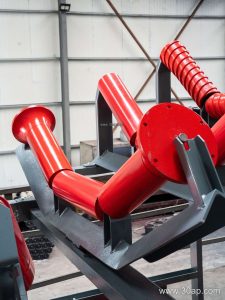
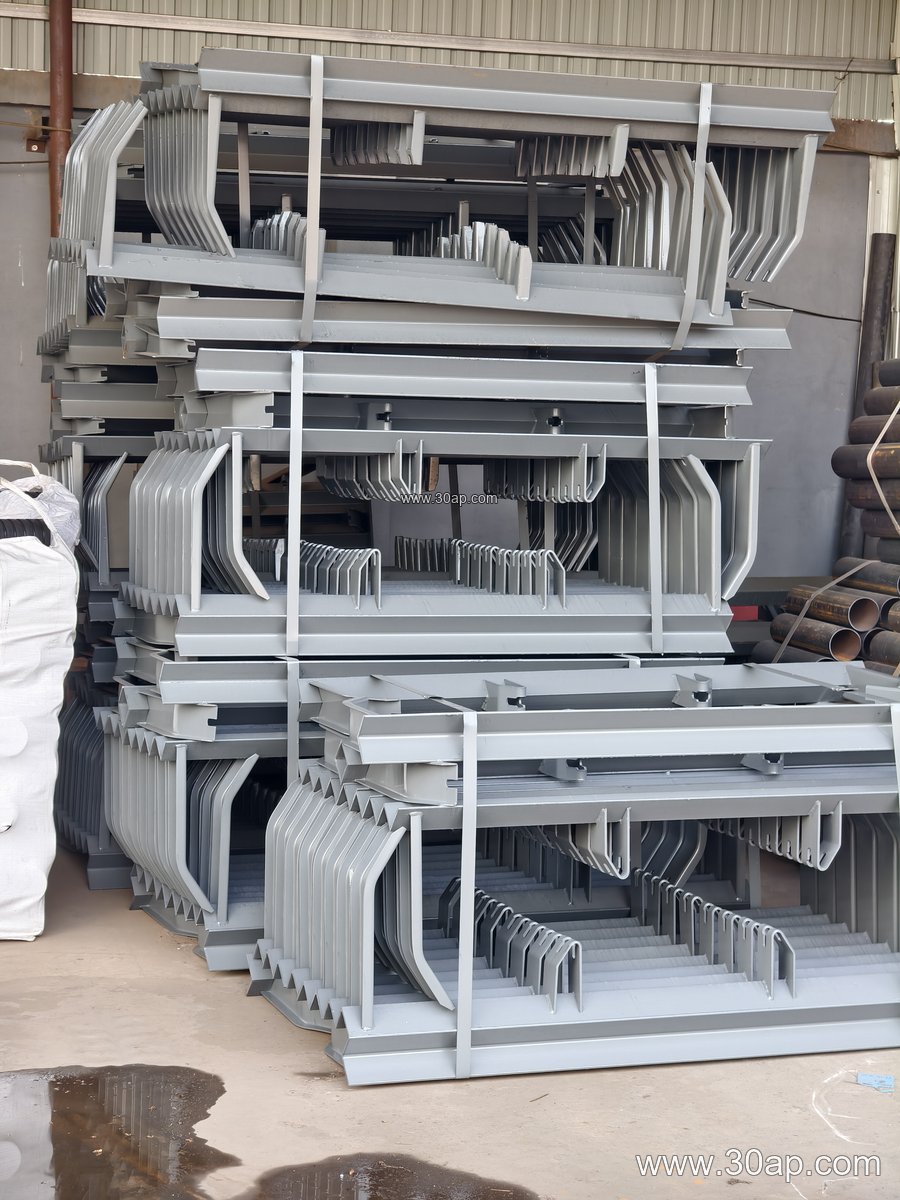
A Q235 conveyor bracket is a structural component that supports idler rollers and maintains the correct belt profile on a conveyor system. Made from Q235 mild steel, this bracket is the interface between the conveyor frame and the rollers that carry the belt. It is commonly fabricated from angle steel, channel steel, or bent steel plate, and its design directly affects belt tracking, load distribution, and overall conveyor reliability. In industries such as mining, coal preparation, cement plants, power station coal handling, and aggregate yards, the Q235 conveyor bracket is a familiar sight along the conveyor line.
Construction and Common Configurations
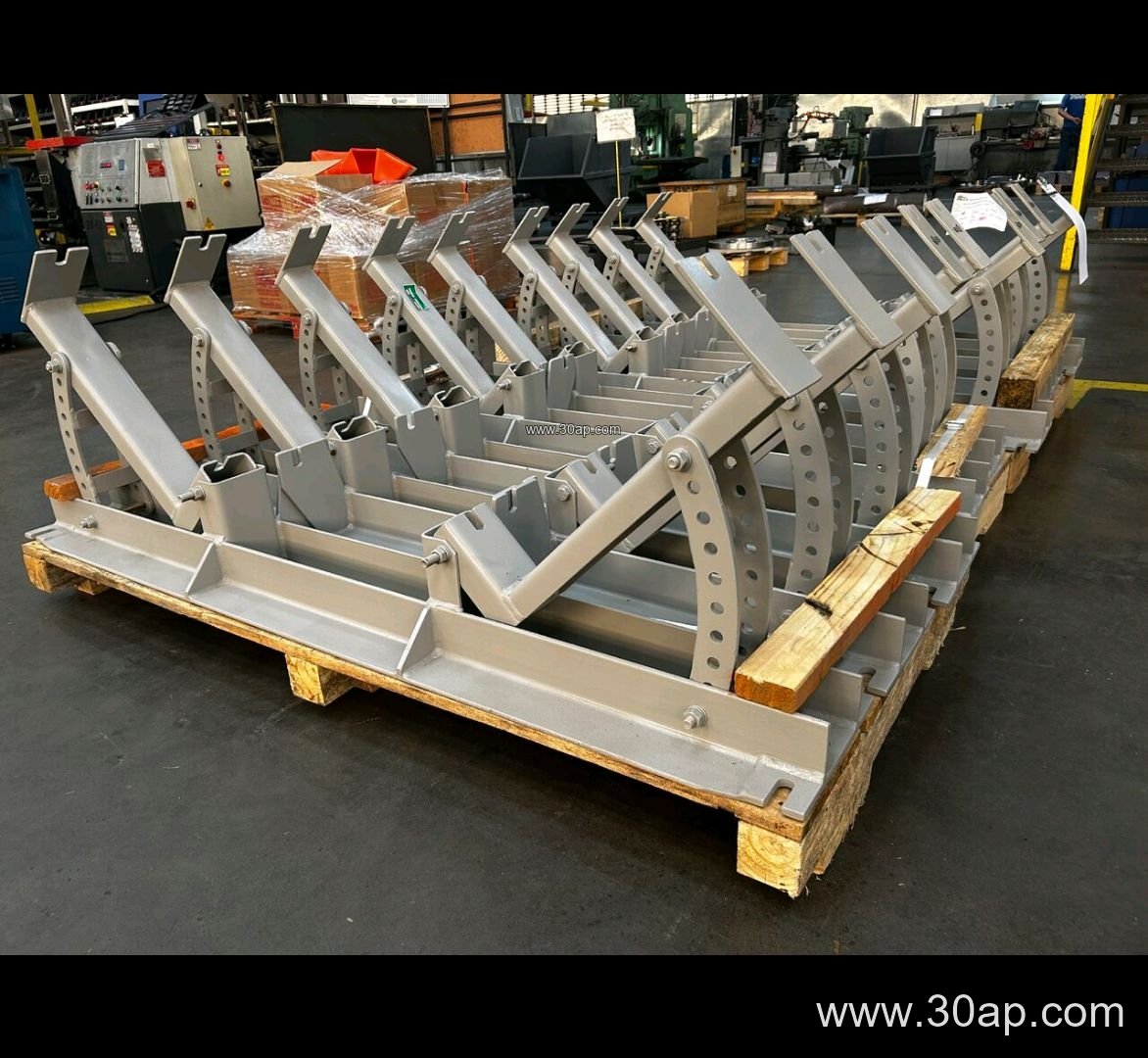
The bracket is typically welded or bolted together, with mounting holes that match the conveyor frame. The Q235 steel offers good weldability and sufficient strength for many bulk handling duties. Brackets come in several forms to suit different positions along the conveyor:
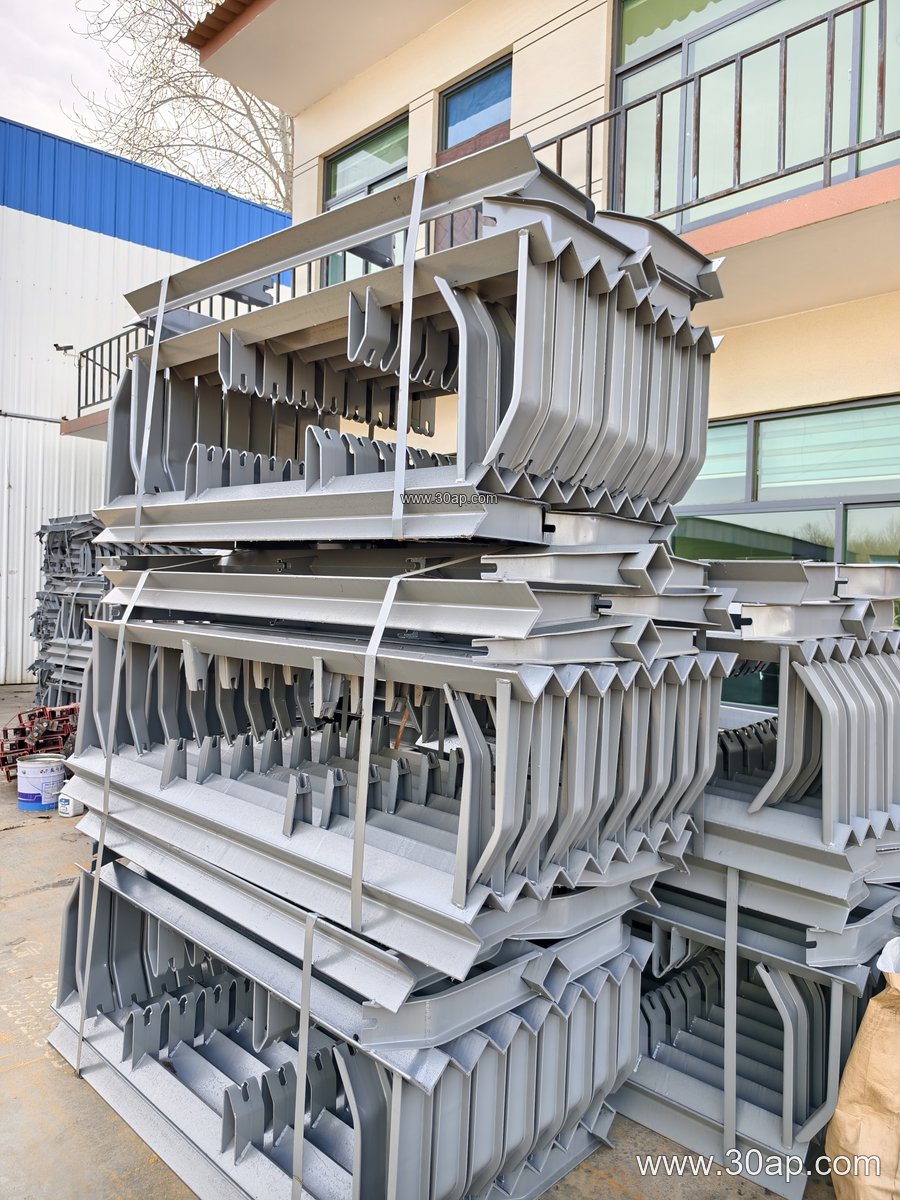
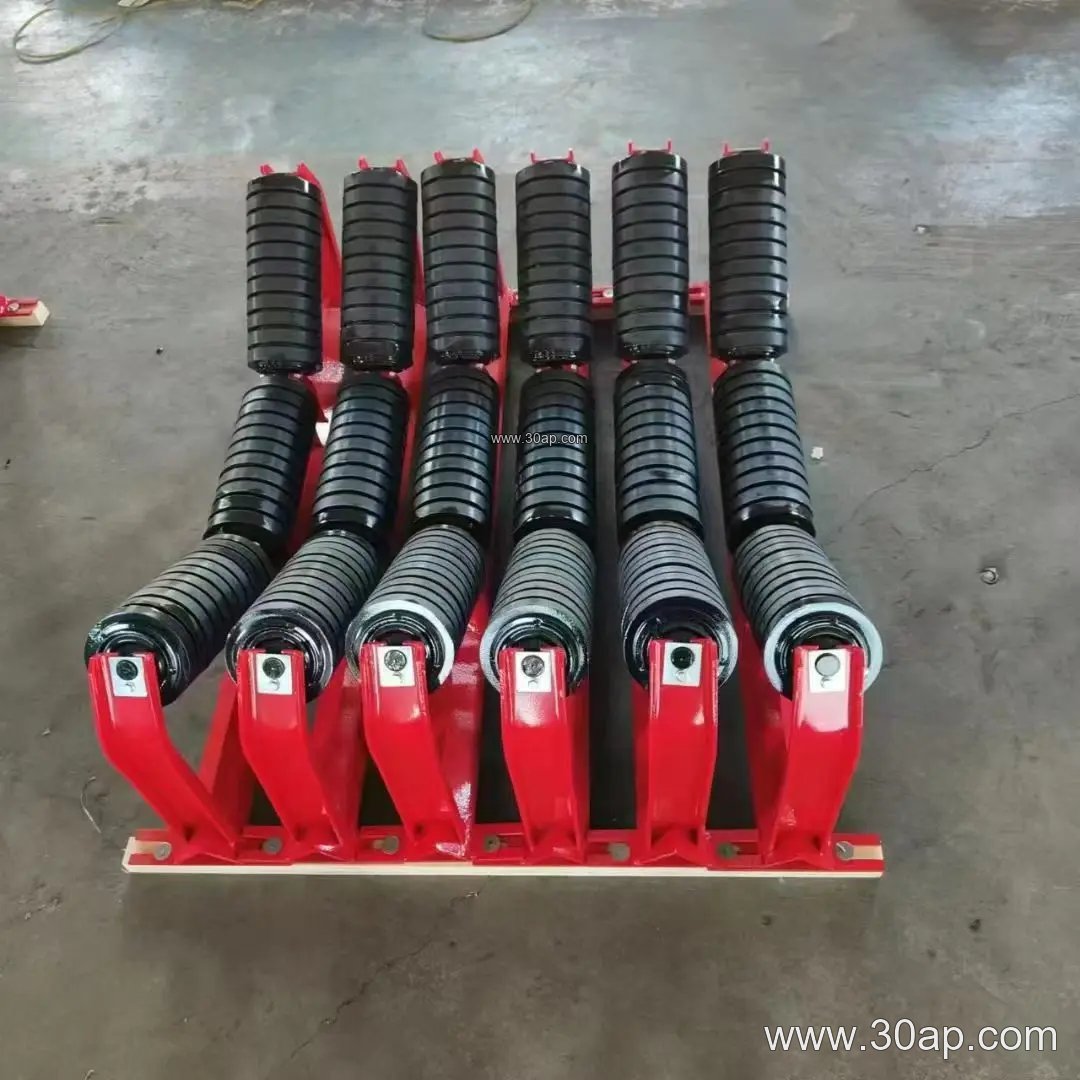
- Troughing bracket (carrying side) – supports three or more idlers to form a trough that keeps bulk material centered.
- Return bracket – supports the belt on the return run, often with flat or V-shaped idler arrangements.
- Impact bracket – reinforced to absorb shock at loading points, used with impact idlers.
- Transition bracket – used near pulleys to gradually change belt shape.
- Self-aligning bracket – helps correct belt misalignment.
- Adjustable bracket – allows changes to trough angle or roller position.
Common belt widths for these brackets include B500, B650, B800, B1000, B1200, B1400, B1600, B1800, B2000, B2200. Trough angles of 20°, 30°, 35°, and 45° are typical, and adjustable brackets can be set within these ranges. Idler diameters such as Ø89, Ø108, Ø133, Ø159, and Ø194 are frequently matched to the bracket design.
Typical Size Combinations
| Belt Width | Trough Angle | Idler Diameter | Bracket Type |
|---|---|---|---|
| B650 | 30° | Ø89 | Troughing |
| B800 | 35° | Ø108 | Troughing |
| B1000 | 35° | Ø133 | Impact |
| B1200 | 45° | Ø133 | Troughing |
| B1400 | 35° | Ø159 | Return |
| B1600 | 45° | Ø159 | Transition |
| B1800 | 35° | Ø194 | Troughing |
These combinations are illustrative; actual selection depends on belt speed, material weight, and conveyor design. The bracket does not dictate belt width or pulley diameter alone—it works with the idler roller, conveyor pulley, and conveyor belt as a system.
Where Q235 Conveyor Brackets Are Used
In a quarry or sand and gravel line, these brackets support troughing idlers that keep abrasive aggregate centered. In a coal preparation plant, flame retardant conveyor belts and anti-static belts run over brackets that must resist vibration and dust. Cement plants use them on clinker and limestone conveyors, while power plant coal handling relies on robust brackets for continuous operation. The same bracket design appears in iron ore and copper ore handling, steel plant sinter lines, and port ship-loading conveyors. Whether the belt is an EP conveyor belt, NN conveyor belt, or steel cord conveyor belt, the Q235 bracket provides the stable base that keeps the belt on track.
Buyer Checklist
When specifying a Q235 conveyor bracket, confirm the belt width (e.g., 800mm, 1000mm, 1200mm), trough angle, idler diameter, and mounting hole spacing. Check whether the bracket is fixed or adjustable, and whether it is for carrying, return, impact, or transition duty. The bracket material should be Q235 unless a higher grade is needed. Ask for surface treatment (painted or galvanized) to suit the environment—especially in washdown or corrosive areas. Remember that installation hole spacing and beam length vary with belt width and trough angle; they are not universal. For heavy-duty mining conveyor belts or high abrasion resistant conveyor belts, consider reinforced brackets at load points. For more information on matching brackets with conveyor belts, idler rollers, and conveyor pulleys, visit our site at www.example.com/conveyor-bracket or www.example.com/belt-support.
Installation and Maintenance Notes
Align brackets squarely with the conveyor centerline to prevent belt mistracking. Use the correct fasteners and check torque periodically. Inspect for wear, corrosion, or bent brackets, especially after impact events. Replace damaged brackets promptly to avoid idler misalignment and belt edge damage. A well-maintained Q235 conveyor bracket contributes to longer belt life and smoother operation in demanding environments such as underground coal mining, ore handling, and bulk material transport.