What a Conveyor Belt Lagged Pulley Does
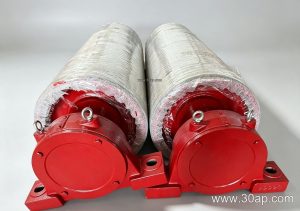
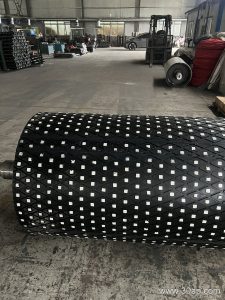
A conveyor belt lagged pulley is a conveyor pulley whose shell is covered with a rubber or ceramic layer to improve grip on the belt and reduce wear. The lagging is the sacrificial surface between the steel drum and the moving belt, and it is the part that determines whether the drive transmits torque cleanly or the belt slips under load. In a quarry or a cement plant, this pulley is often the quiet workhorse that keeps the belt tracking and the throughput steady.
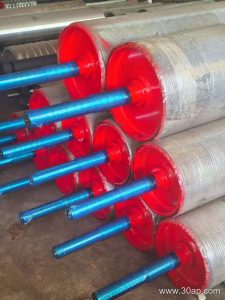
Buyers usually meet this product under a second accurate name, the lagged conveyor pulley, and both terms describe the same item. It is a drum with a covered face, supplied with shafts, bearings and a hub arrangement that suits the conveyor frame.
Construction and Surface Options
The base is a welded or rolled steel shell with end discs and a shaft. The lagging is bonded to the shell by hot vulcanization, cold bonding or casting, and the surface pattern is chosen for the duty. Common forms include plain, diamond and herringbone rubber, plus ceramic tiles for the most abrasive service.
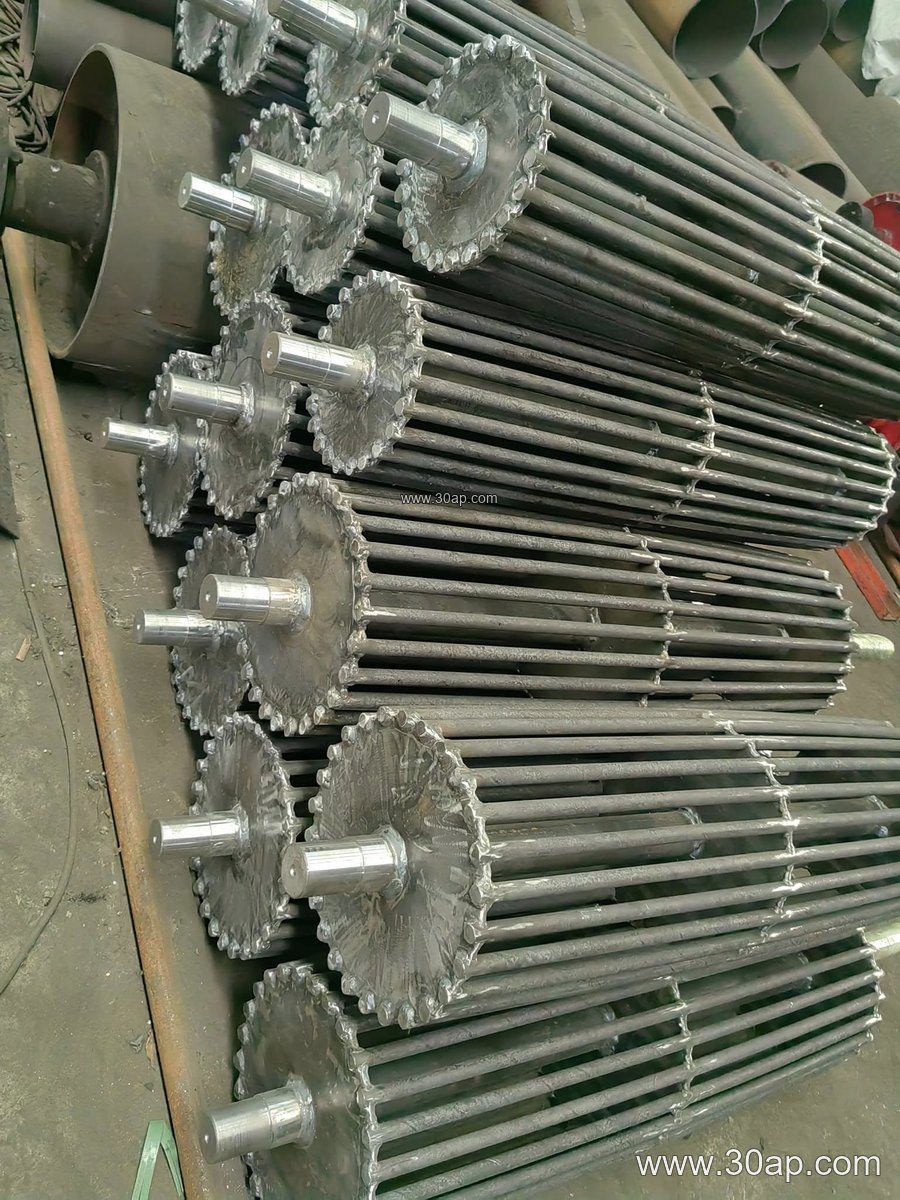
- Plain rubber lagging: general grip, easy cleaning.
- Diamond lagging: better water shedding on wet belts.
- Herringbone lagging: directional grip for inclined conveyors.
- Ceramic lagging: high wear resistance at high-torque drives.
Cover thickness is often 8, 10, 12, 15 or 20 mm, selected by torque and belt contact pressure. The face width normally exceeds the belt width so the belt is fully supported, for example B800 with about 950 mm face and B1200 with about 1400 mm face. Shaft diameter is set by torque and load, not by belt width alone, and common shaft sizes range from Ø50 to Ø200 depending on the design.
Where It Fits on the Conveyor
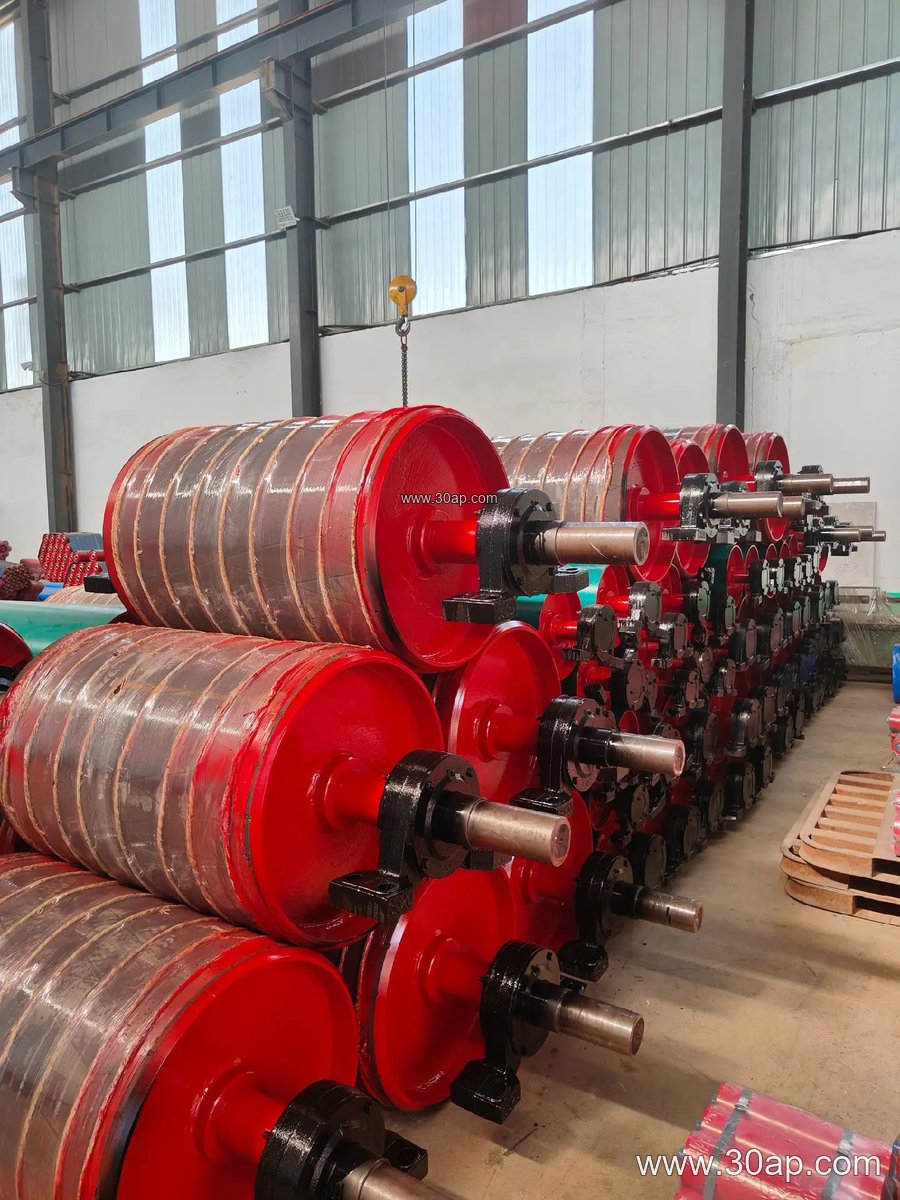
Position matters because a drive pulley, a tail pulley and a bend pulley are not interchangeable. The drive pulley, often the head or discharge pulley, is usually the lagged one because it must transmit power without slip. A tail pulley at the loading end may be plain or lagged depending on whether it also drives. Bend and take-up pulleys redirect the belt and are normally not the main lagged unit, though they can carry a light cover for tracking.
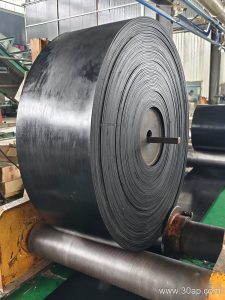
In a coal mining conveyor or a power plant coal handling line, a lagged drive pulley works with a flame retardant conveyor belt and a set of idler rollers to keep the load moving. In an iron ore or copper ore circuit, the same drum may run with a steel cord conveyor belt or a heavy-duty fabric core belt, and the lagging protects both the belt and the pulley shell from abrasive fines.
Applications Across Bulk Handling
Lagging earns its place wherever the belt is wet, dusty or heavily loaded. In a sand and aggregate line, a lagged pulley on the crusher discharge keeps the belt from slipping after rain. In a cement plant clinker section, heat and grit call for a tough cover and a well-sealed bearing housing. Port bulk terminals use large lagged drums on ship loading conveyors, while a fertilizer or grain silo installation may prefer a non-marking rubber surface.
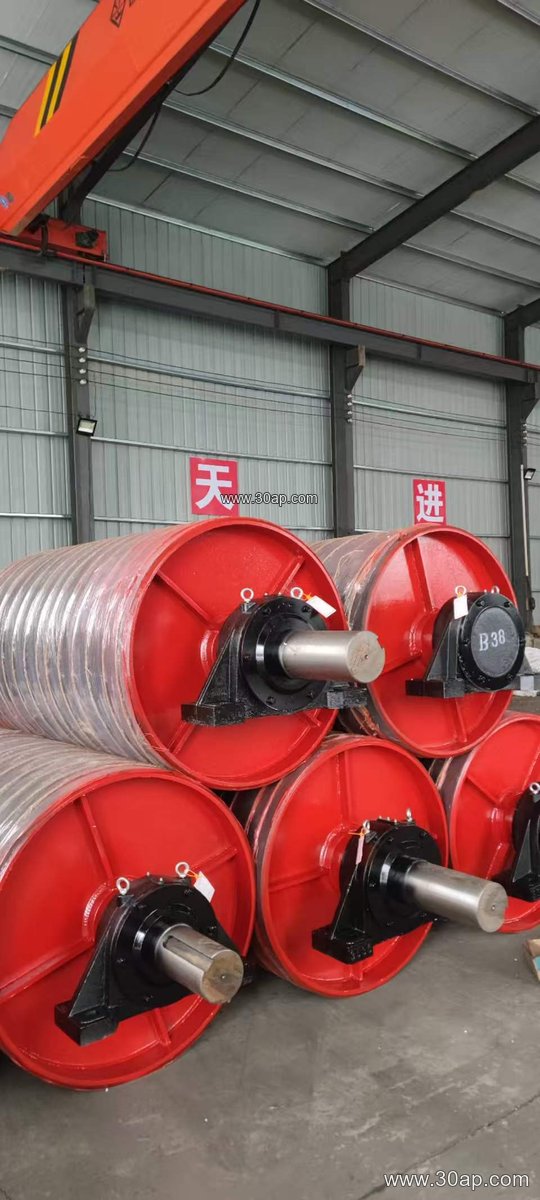
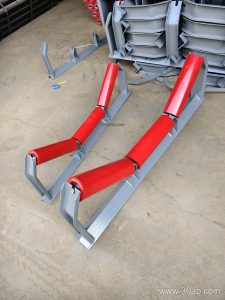
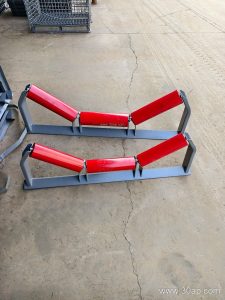
The pulley also matches the belt type. A chevron conveyor belt or a corrugated sidewall belt needs a clean cylindrical face, while a pipe conveyor belt relies on a stable drum diameter to hold its shape. For abrasive duty, pairing the lagged pulley with an abrasion resistant conveyor belt and quality conveyor brackets extends the service interval.
Selection Details a Buyer Should Confirm
Before ordering, confirm the belt width, the pulley diameter and the shaft size as a set. A common starting point might be B800 × Ø500 or B1200 × Ø1000, but these are reference combinations, not fixed rules; the diameter must suit the belt thickness and the required wrap angle. Face width, lagging type and thickness, bearing type and hub style should all be stated on the drawing.
Ask about the working environment as well: temperature, moisture, oil exposure and dust decide whether a heat resistant or oil resistant belt will run on the drum, and whether the lagging should be rubber or ceramic. Good alignment between the pulley, the idler roller and the conveyor bracket reduces edge wear and keeps the lagging alive longer. A well-chosen conveyor belt lagged pulley is a small part of the line, but it protects the belt and keeps production moving.