What an EP1000 1200mm Conveyor Belt Is
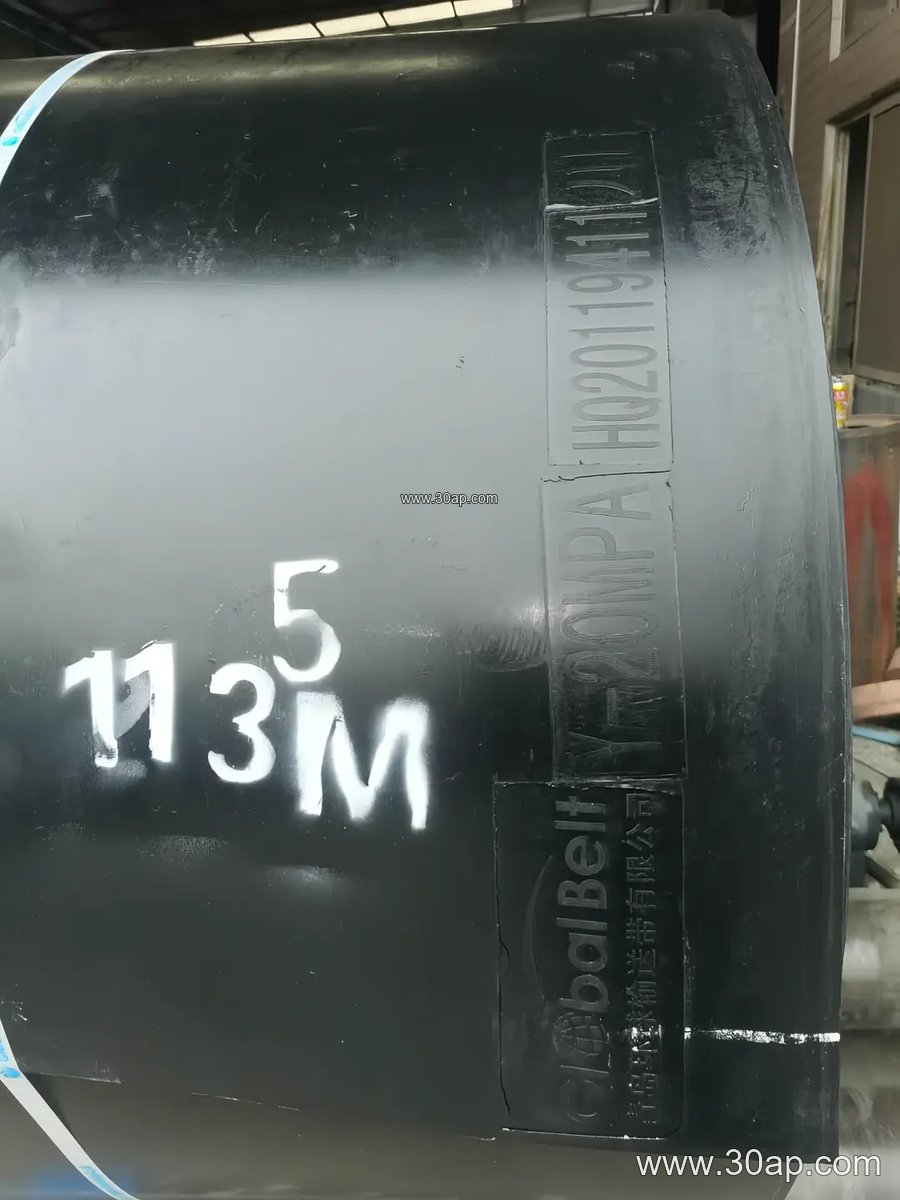
An EP1000 1200mm Conveyor Belt is a fabric core belt built with polyester-polyamide (EP) carcass layers and a nominal belt width of 1200 mm. The EP1000 designation refers to the belt’s tensile strength class, which is commonly used as a reference point for heavy-duty conveying duties. In practice, this is an EP Conveyor Belt sized for main haulage lines where moderate-to-high tension and a wide loading footprint are both required. Buyers often encounter it under the equivalent name EP1000 1200mm rubber conveyor belt, and the two expressions describe the same product.
The 1200 mm width places this belt in the wide-belt category, well suited to high-volume transfer points in mines, quarries, cement works, power stations and port terminals. It should not be confused with a 1200mm wide belt of a different strength class, such as an EP630 or EP800 construction, nor with a steel cord belt of similar width.
Construction and Build
The carcass usually consists of multiple EP fabric plies, commonly two to six layers depending on the required strength and safety factor. Rubber covers protect the carcass from abrasion, impact and moisture. Cover thickness is specified by design, with common combinations such as 4+2 mm, 5+2 mm or 6+2 mm appearing in heavy-duty service. The belt edges may be cut or moulded, and users can request an Endless Conveyor Belt made to a specific centre distance where splicing at the plant is impractical.
For comparison only, a steel cord construction such as ST1000 or ST1250 may be chosen where extremely long centre distances and very high tensions dominate. In many mid-range installations, however, the EP1000 1200mm belt remains a practical balance between strength, spliceability and cost.
Typical Specifications at a Glance
The values below are reference data. Actual figures depend on the manufacturer and the engineering design of each conveyor.
| Parameter | Common Reference |
|---|---|
| Belt type | EP fabric core, multi-ply |
| Strength class | EP1000 |
| Belt width | 1200 mm (B1200) |
| Carcass plies | Usually 2 to 6 |
| Cover thickness | 4+2, 5+2, 6+2 mm and others by design |
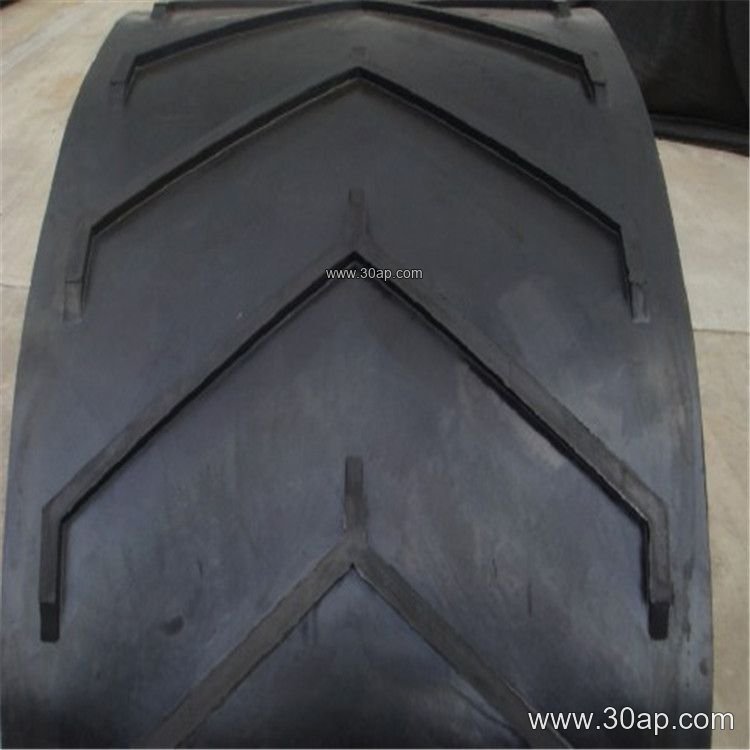
| Surface options | Smooth, chevron, skirted or corrugated sidewall |
| Special grades | Abrasion resistant, heat resistant, flame retardant, oil resistant, anti-static |
Where It Fits in the Plant
This belt width is frequently seen on primary and secondary haulage conveyors in Mining Conveyor Belt circuits, including coal mining and underground mining applications where flame retardant grades are specified. In cement plants it carries clinker and raw meal; in power plants it handles coal; in sand and gravel operations it moves aggregate from crusher to screen. A 1200mm belt also suits ship loading and stockyard conveyors at ports.
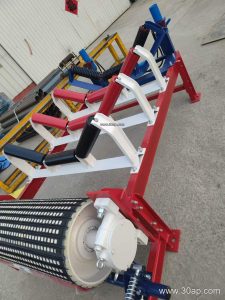
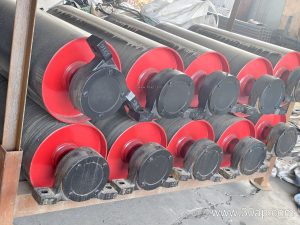
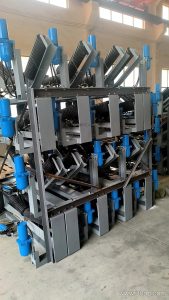
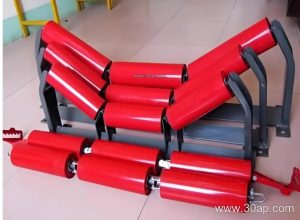
Because the belt is wide and relatively stiff, the supporting structure matters. The conveyor pulley at the drive and tail positions, the idler roller sets along the carry and return sides, and the conveyor bracket assemblies must all be matched to the belt’s mass and tension. A wide belt does not dictate a single pulley diameter; the pulley size is set by the conveyor design, belt tension and splice requirements, not by width alone.
Selecting the Right Grade
Selection starts with the material being conveyed. Sharp, abrasive rock calls for an Abrasion Resistant Conveyor Belt with adequate cover thickness. Hot clinker or sinter may require a Heat Resistant Conveyor Belt. Coal and underground service usually demand a Flame Retardant Conveyor Belt or fire resistant grade. Oily or chemical-laden cargo may call for an oil resistant or acid resistant cover.
Where the route includes steep inclines, a Chevron Conveyor Belt or a corrugated sidewall version can prevent material rollback. For dusty environments, an anti-static grade helps control electrostatic build-up. Each of these is a variation of the same base product, not a substitute for it, and the strength class and width should be confirmed against the conveyor’s tension calculation.
Installation and Maintenance Notes
- Check that the conveyor pulley lagging and the idler roller alignment are correct before tensioning; misalignment shortens belt life quickly.
- Inspect splice quality closely, since a fabric core belt relies on a well-made joint for full strength.
- Keep loading points centred so the 1200mm width is used evenly and edge damage is avoided.
- Monitor cover wear at impact zones and consider thicker covers where drop heights are large.
- Store spare belts away from heat, oil and direct sunlight to protect the rubber.
Whether the application is a quarry conveyor, a cement plant line or an ore handling circuit, an EP1000 1200mm Conveyor Belt offers a robust, well-understood solution. Matching the grade, cover and splice to the actual duty is the key to long service life.