What a Q235 Conveyor Bracket Actually Does
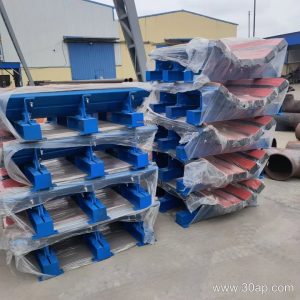
The Q235 Conveyor Bracket is the steel support that holds a conveyor idler roller in position under or over the belt. In a typical troughed conveyor, the bracket sets the roller angle, keeps the idler roller at the right height, and transfers the load from the belt into the conveyor frame. Because Q235 is a common low-carbon structural steel, this bracket is easy to weld, drill, and bend, which is why it appears in so many bulk material systems.
An accurate equivalent name is Q235 steel conveyor idler bracket or Q235 idler support bracket. The material grade matters: Q235 offers good weldability and reasonable strength for general conveying duty, though very heavy impact or corrosive service may call for a different steel or a protective finish.
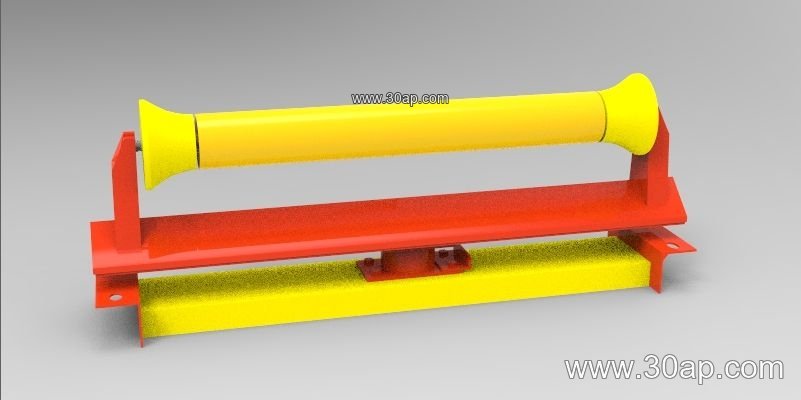
How the Bracket Is Built
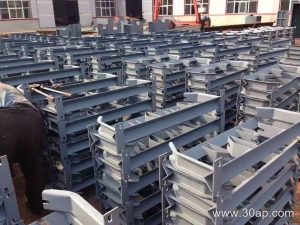
Most units are fabricated from angle steel, channel steel, or folded steel plate. The fabrication usually includes a transverse beam, mounting ears, and slotted or drilled holes for the idler shaft. A welded version is common, while a bolted design allows replacement in the field. Surface treatment may be painted, galvanized, or left as mill finish depending on the environment.
- Material: Q235 angle, channel, or bent plate
- Form: welded frame or bolted assembly
- Mounting: bolt holes or slots matched to the conveyor frame
- Finish: paint, galvanizing, or bare steel
The hole spacing and beam length are not fixed values. They change with belt width, trough angle, and the roller diameter selected by the conveyor designer.
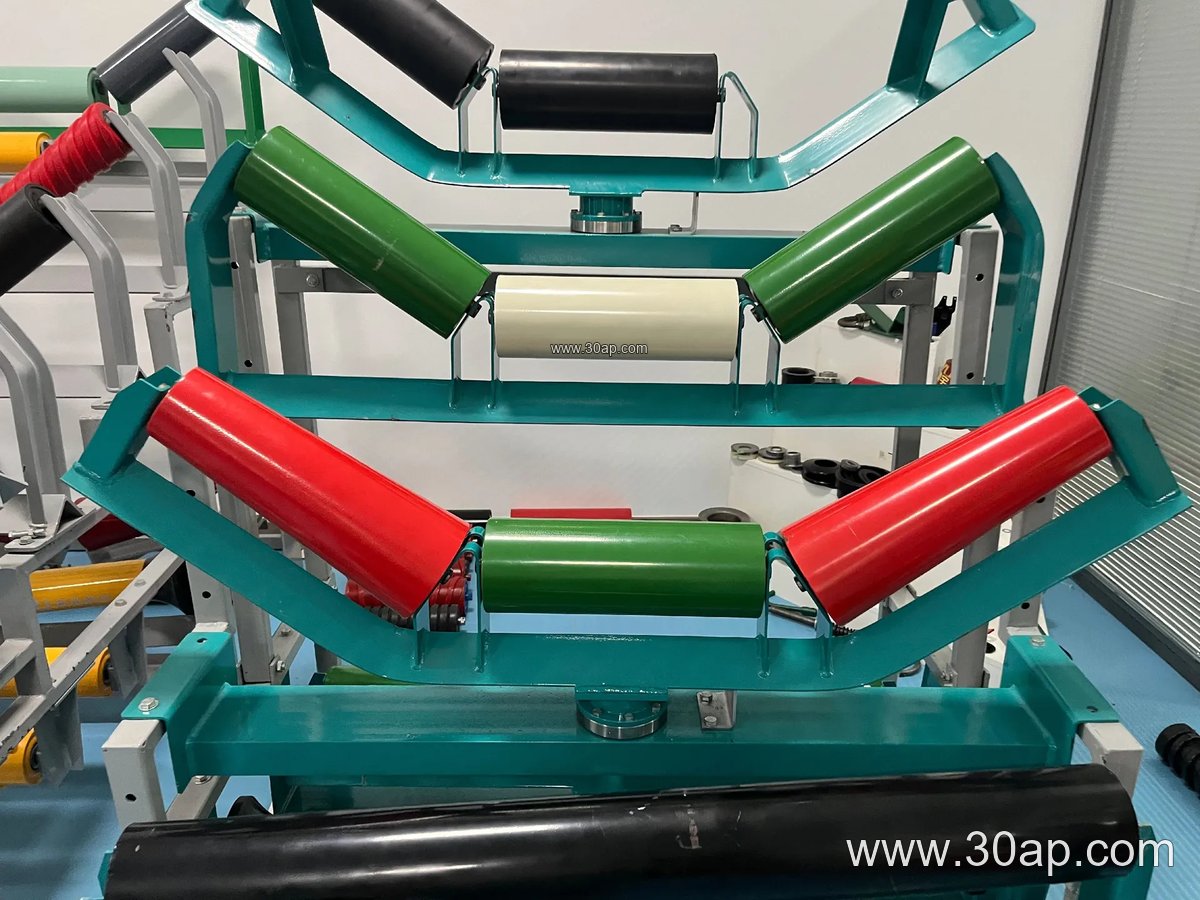
Common Types and Where They Sit
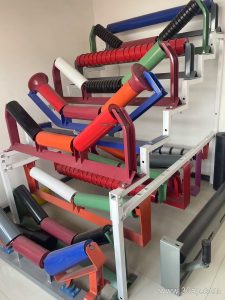
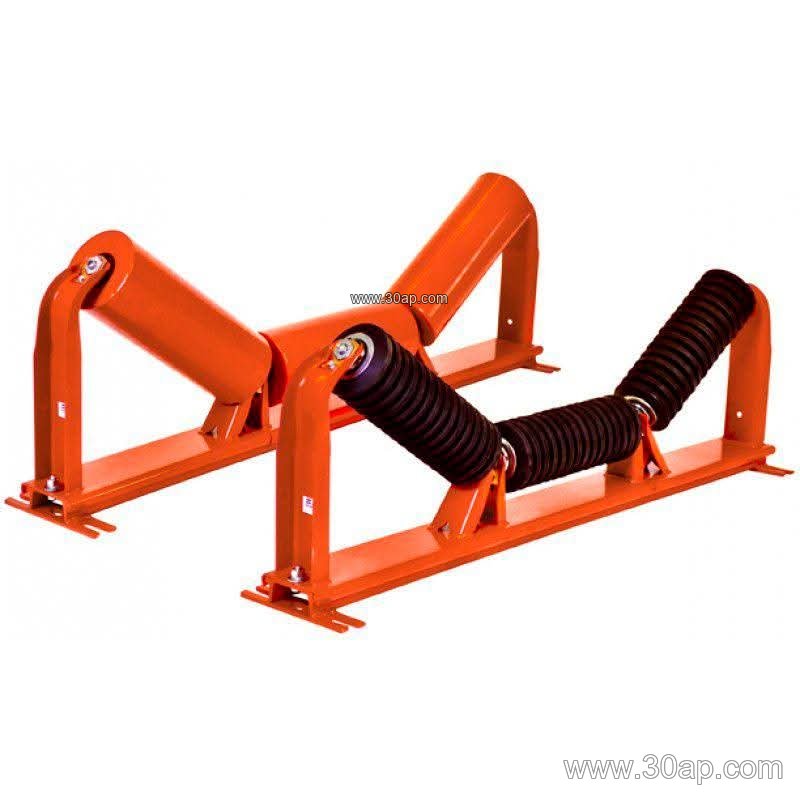
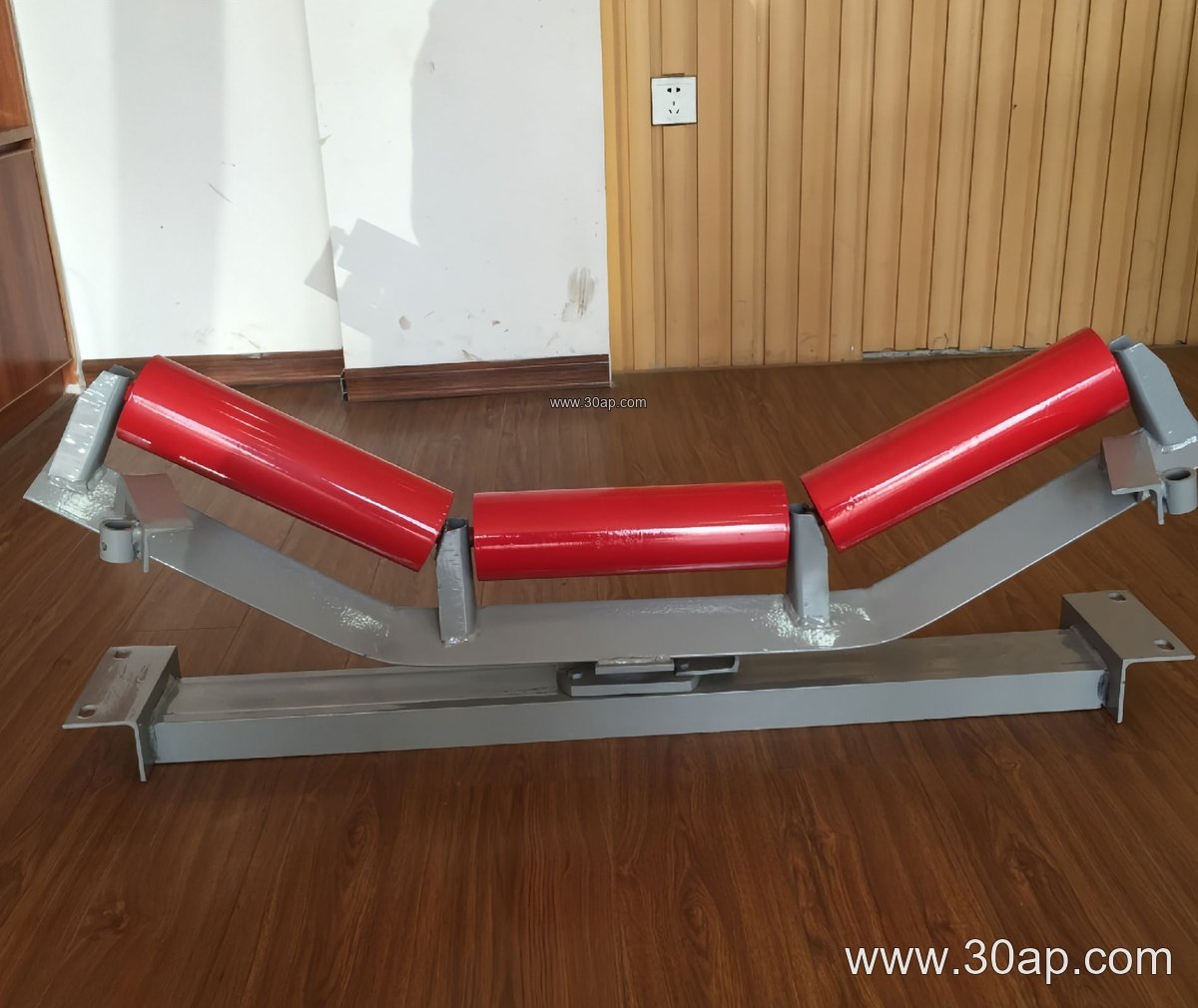
Different positions on a conveyor need different bracket forms. The carry side usually uses troughing brackets, also called upper trough brackets, which hold three rollers in a trough shape. Transition brackets ease the belt from flat to troughed. On the return side, a flat return bracket or a V-return bracket supports the belt after discharge. Impact brackets sit under the loading point, and self-aligning brackets help correct belt tracking. Adjustable brackets let maintenance staff change the trough angle in the field, while fixed brackets keep a set angle.
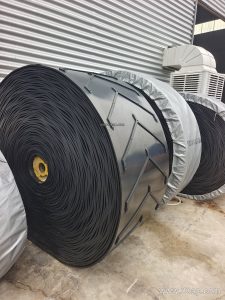
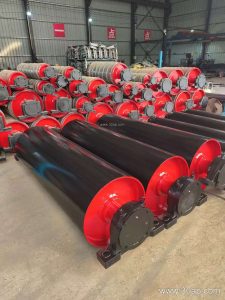
It is worth noting that a drive pulley, tail pulley, and bend pulley are not interchangeable with these brackets; they are separate components of the conveyor pulley system. The bracket works together with the conveyor belt, idler roller, and frame, not in place of the pulleys.
Typical Sizes and Reference Parameters
The following values are common reference points, not a fixed match between one belt width and one roller size. A designer may combine different angles and roller diameters for the same belt width.
| Belt width | Common trough angle | Common roller diameter |
|---|---|---|
| B500 | 20° to 30° | Ø89 |
| B650 | 30° | Ø89 or Ø108 |
| B800 | 30° to 35° | Ø108 |
| B1000 | 35° | Ø108 or Ø133 |
| B1200 | 35° to 45° | Ø133 |
| B1400 | 35° to 45° | Ø133 or Ø159 |
| B1600 | 35° to 45° | Ø159 |
| B1800 | 45° | Ø159 or Ø194 |
| B2000 and above | 45° | Ø194 |
Forward-leaning brackets often use a tilt of about 1.5° to 2°, a detail that helps with belt tracking. Installation hole pitch and crossbeam length should always follow the actual conveyor drawing.
Where These Brackets Are Used
In a limestone quarry, Q235 brackets support the idler rollers on a crusher conveyor belt that carries run-of-mine rock. In a coal preparation plant, flame retardant conveyor belt runs over brackets built for dusty, wet conditions. The same support concept appears in cement plants, power station coal yards, and sand and gravel lines. For heavier duty, a heavy-duty mining conveyor belt or an abrasion resistant conveyor belt may be paired with a thicker bracket frame. In dusty coal service, an anti-static conveyor belt and fire resistant conveyor belt are often specified alongside properly grounded steelwork.
Buyers should confirm the steel grade, plate thickness, hole pattern, and surface finish before ordering. Checking these details against the conveyor frame drawing avoids field rework and keeps the idler roller aligned with the belt.
Selection and Maintenance Notes
Choose the bracket type by position and function: troughing for the carry side, return for the lower run, impact for loading zones, and adjustable where the angle may need tuning. Inspect welds and bolt holes during shutdowns, and replace bent brackets before they misalign the idler roller. A square, well-fitted Q235 conveyor bracket is a small part of the system, but it keeps the belt tracking straight and reduces wear on the whole conveyor.