What a Conveyor Equipment Idler Does on the Line
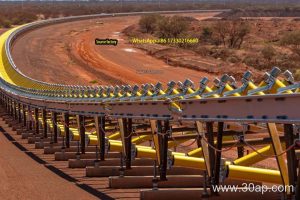
A conveyor equipment idler is the rotating support that carries the belt between the head and tail pulleys. It is not a drive component, so it does not pull the belt; instead it holds the belt in shape, limits sag, and reduces friction along the carrying and return runs. In a quarry, cement plant, or power plant coal yard, idlers often outnumber every other wear part on the conveyor, which makes their condition directly visible in energy use and belt life.
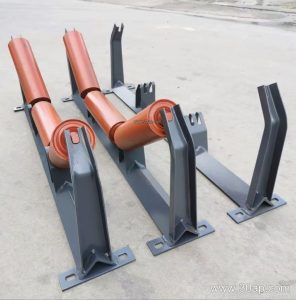
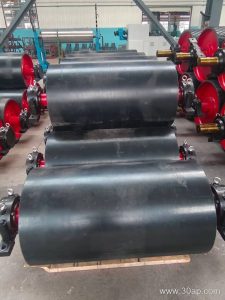
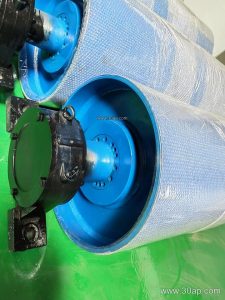
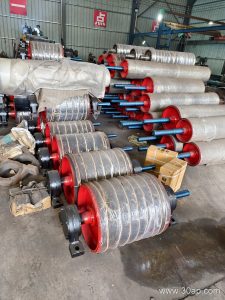
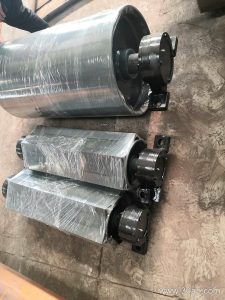
Buyers sometimes confuse the idler with the conveyor pulley. Drive, tail, and bend pulleys are separate parts with different duties and are not interchangeable with idlers. The idler is a supported roller assembly, usually mounted on a conveyor bracket or frame, and it may be supplied as a single roller or as a multi-roller set.
Construction and Common Forms
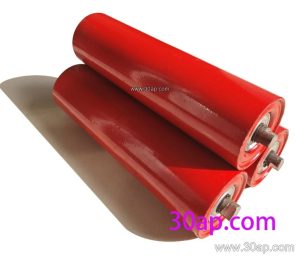
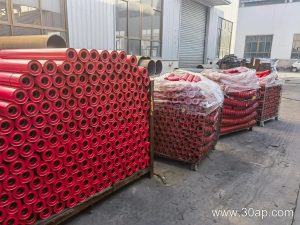
A typical idler roller has a steel tube shell, a shaft, bearing housings, and a sealing arrangement. Roller surfaces may be plain steel, nylon, ceramic, or rubber-covered. Bearing sizes are selected by load and speed rather than by belt width alone; common bearing numbers include 6204, 6205, 6305, 6306, 6308, and 6310, but no single bearing is tied to one roller diameter.
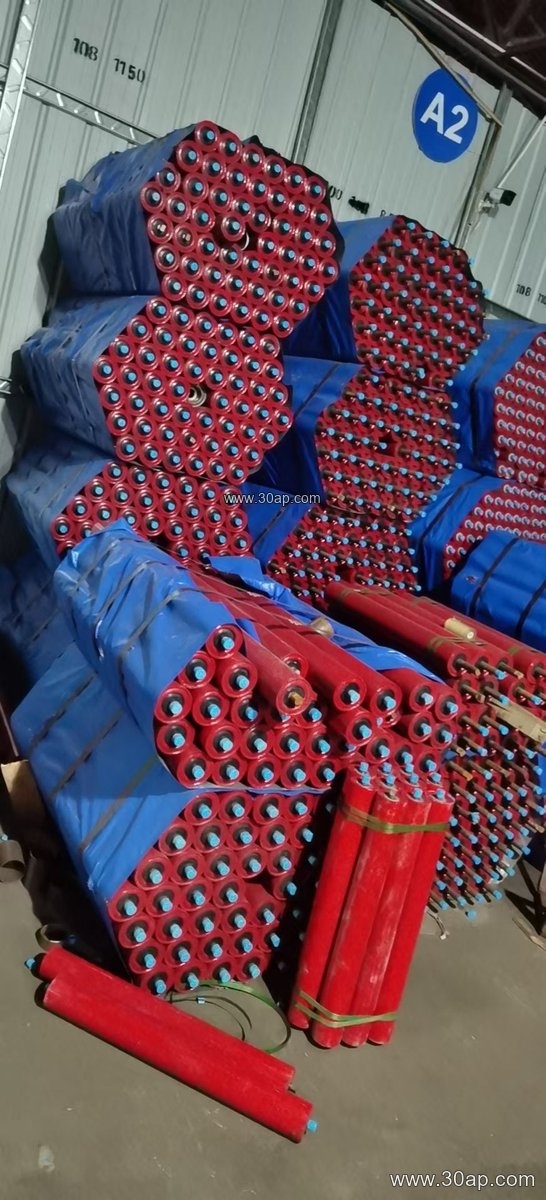
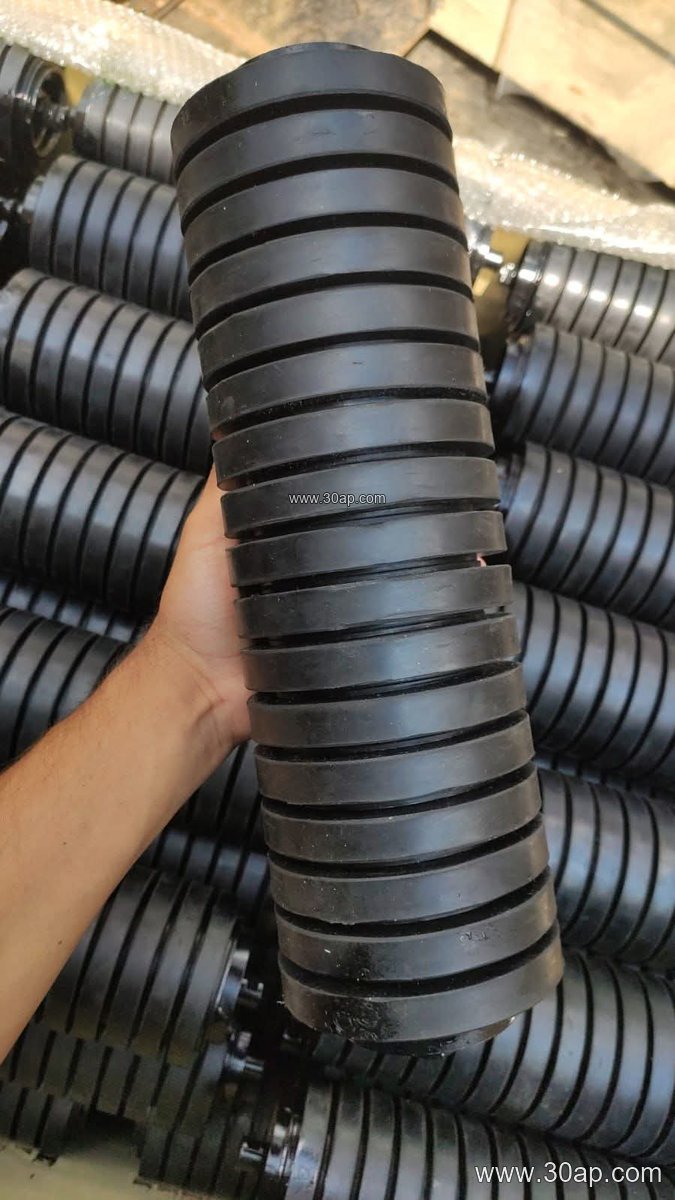
Carrying idlers are often made as two- or three-roll troughing sets. Return idlers may be flat or V-shaped. Impact idlers with rubber rings are used under loading points, while self-aligning idlers help correct belt wander. Spiral and comb-type rollers are chosen where sticky material tends to build up. Trough angles of 20, 30, 35, and 45 degrees are common, and a small forward tilt of about 1.5 to 2 degrees is sometimes used on training idlers.
Common roller diameter references
| Roller diameter | Typical use note |
|---|---|
| Ø63, Ø76, Ø89 | Light to medium duty, smaller belt widths |
| Ø102, Ø108, Ø127, Ø133 | General bulk handling |
| Ø159, Ø178, Ø194 | Heavy-duty and high-load zones |
| Ø219 | Large systems and severe loading |
Belt width and trough angle both affect roller length. A three-roll troughing set commonly uses roller lengths around 200 mm for B500, 250 mm for B650, 315 mm for B800, 380 mm for B1000, 465 mm for B1200, 530 mm for B1400, 600 mm for B1600, 670 mm for B1800, and 750 mm for B2000. These are common examples, not fixed pairings, and side rollers may differ from the center roller.
Where Idlers Fit in Different Plants
In a sand and aggregate line, troughing idlers keep a 800mm or 1000mm conveyor belt stable through crusher discharge and screen feed. In a coal-fired power plant, return idlers and impact idlers support the belt under bunker loading, where a flame retardant conveyor belt or fire resistant conveyor belt may be specified for safety. In a cement plant, heat resistant conveyor belt grades may run near kiln areas, while dust sealing on the idlers matters as much as roller strength.
Heavy-duty mining conveyor belt systems in iron ore or copper ore operations often use larger roller diameters and reinforced frames. The idler choice should match the belt, the material lump size, and the loading method, not simply the widest belt available.
Selection Points for Buyers
- Match trough angle and roller length to the belt width and material profile.
- Use impact idlers under transfer points and self-aligning idlers on long runs where belt tracking is critical.
- Check bearing size, sealing, and shell thickness against actual load and speed.
- Consider the belt type in service, such as EP conveyor belt, steel cord conveyor belt, or abrasion resistant conveyor belt, because belt stiffness and weight affect idler load.
- Plan inspection intervals for bearing noise, roller seizure, and frame misalignment.
On site, a seized idler can wear a belt quickly and raise drive power. Regular checks of the conveyor bracket and roller rotation are simple preventive work. For mixed plants handling several materials, keeping a small stock of common idler sizes reduces downtime without requiring a large inventory.
For more on matching belts and rollers, see the conveyor equipment idler range and related conveyor belt options at primaryidler.com. Whether the line runs a 1200mm wide conveyor belt in a port or a narrower unit in a fertilizer plant, the idler remains a low-cost part that deserves careful specification.