What a Conveyor Idler Shaft Does
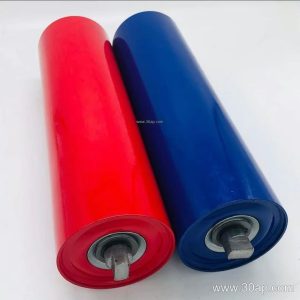
A conveyor idler shaft is the stationary axle that carries the rotating roller shell in a belt conveyor system. While the shell turns under the moving belt, the shaft stays fixed, transferring the load to the conveyor bracket or frame. This component is easy to overlook, yet it directly affects how smoothly an idler roller spins, how long the bearing lasts, and how well the belt tracks. In a quarry, a cement plant, or a coal handling facility, a bent or worn shaft can cause vibration, belt misalignment, and unplanned downtime.
The shaft is not a simple round bar. It is usually machined from carbon steel or a comparable grade, with stepped ends that fit into bearing housings and mounting slots. Flat sections or milled grooves at the ends prevent rotation inside the bracket, so the shell turns freely on the bearings while the shaft stays locked. The diameter and length are matched to the idler type and the belt width, but there is no universal rule that one belt width requires one specific shaft diameter. Designers select the shaft based on load, idler spacing, and the roller group configuration.
Construction Details That Matter
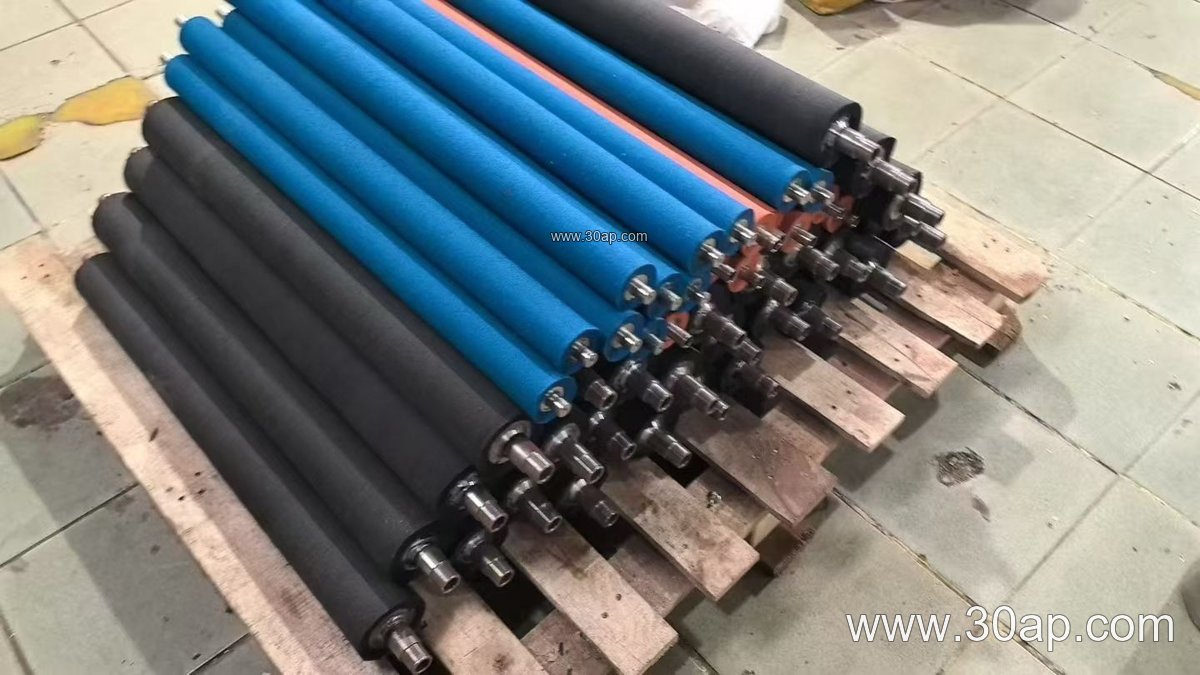
Most conveyor idler shafts are turned, ground, and sometimes plated or coated to resist corrosion. The bearing seats must be concentric and smooth; any runout will shorten bearing life. Common bearing numbers found on idlers include 6204, 6205, 6305, 6306, 6308, and 6310, but the same bearing can appear on different roller diameters depending on the housing design. The shaft ends often have a machined flat or a cross-hole for a retaining pin, so the idler stays fixed in the bracket without over-tightening.
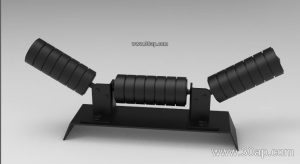
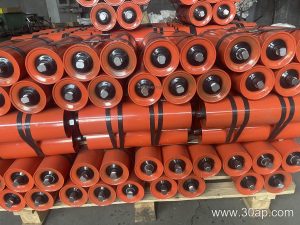
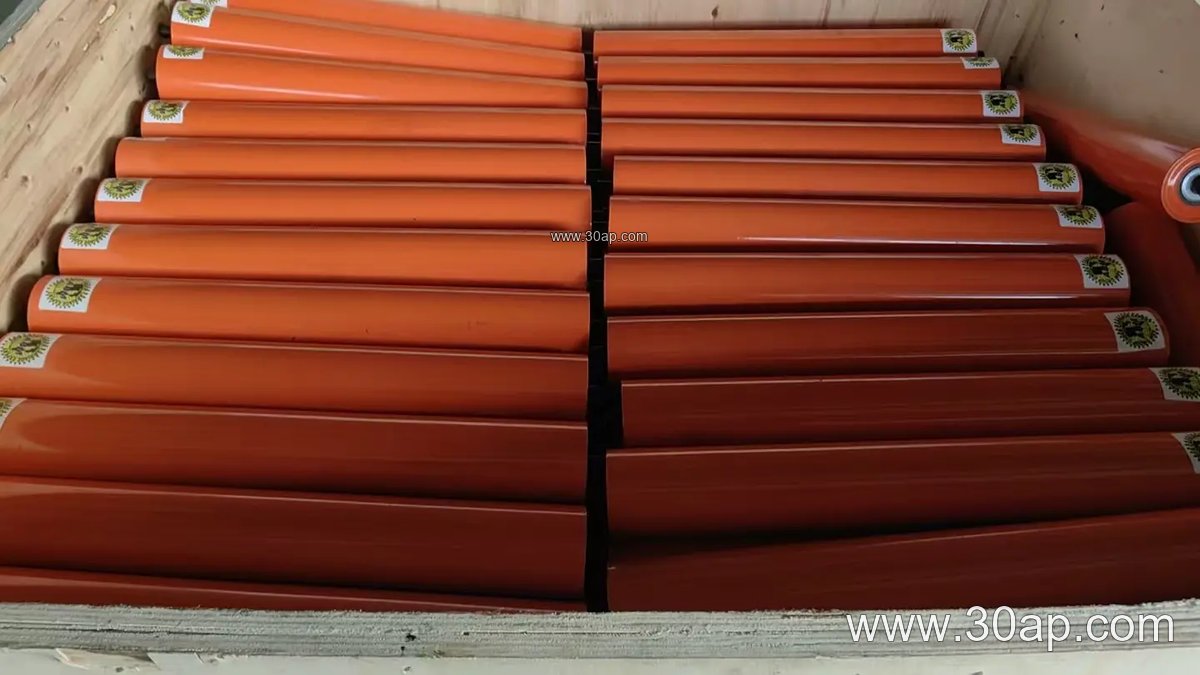
For troughing idlers, the shaft length changes with belt width and trough angle. In a three-roll troughing set, typical roller lengths might be around 200 mm for B500, 250 mm for B650, 315 mm for B800, 380 mm for B1000, 465 mm for B1200, 530 mm for B1400, 600 mm for B1600, 670 mm for B1800, and 750 mm for B2000. These are examples, not fixed pairings; the side rollers and center roller can differ. The shaft itself is usually sized to fit the bearing housing and the bracket slot, and its diameter may range from Ø63 to Ø219 depending on the idler series. When comparing with a return idler or a impact idler, the shaft design may change to handle different loads, but the basic function remains the same.
Where It Fits in the Conveyor
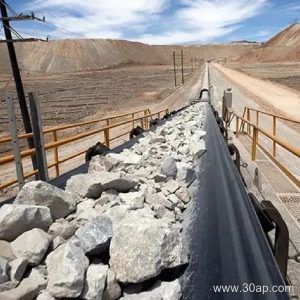
You will find conveyor idler shafts on the carrying side and the return side. In a stone crushing line, troughing idlers with three rolls support the belt and the load, while flat return idlers hold the empty belt. A V-type return idler uses a shaft that mounts two rollers at an angle to help center the belt. Impact idlers near a crusher or transfer point use a heavier shaft and rubber rings to absorb shock. Self-aligning idlers may have a shaft that pivots slightly to correct belt tracking. In each case, the shaft is the fixed point that keeps the roller in place and lets it rotate with minimal friction.
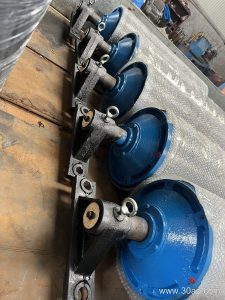
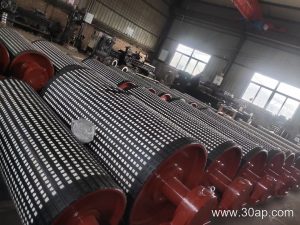
The shaft also appears in conveyor pulley assemblies, but do not confuse it with the pulley shaft. Drive pulleys, tail pulleys, and bend pulleys have their own shaft designs and are not interchangeable with idler shafts. An idler shaft is shorter and supports a free-turning roller, while a pulley shaft transmits torque or redirects the belt. Keeping that distinction clear helps when ordering spare parts for a mining conveyor belt or a power plant coal handling system.
Selection and Maintenance Notes for Buyers
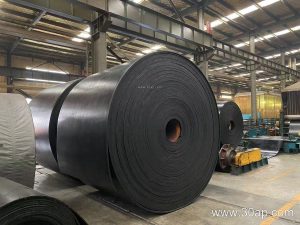
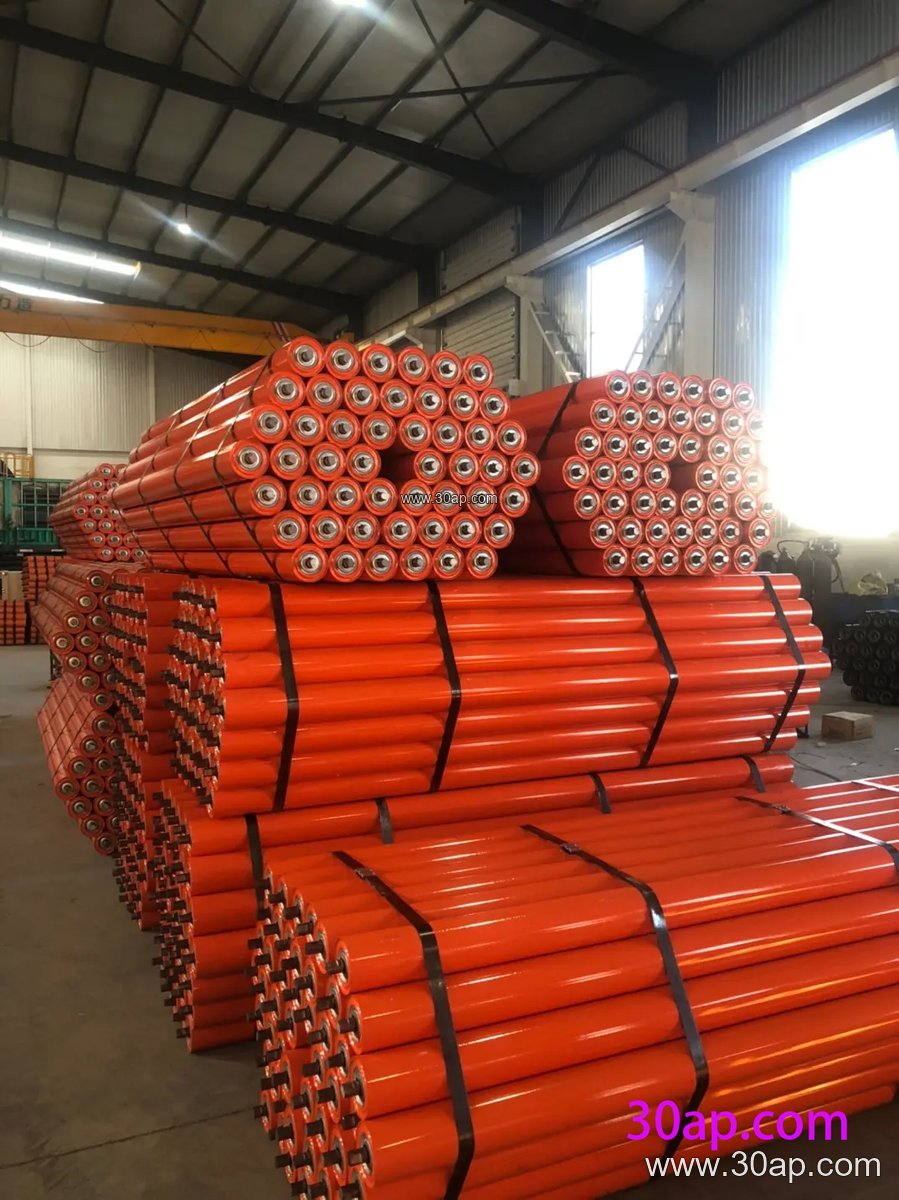
When specifying a conveyor idler shaft, consider the belt width, the idler type, the trough angle, and the load. A 30-degree troughing set on a 1200 mm wide belt will not use the same shaft as a 45-degree set on the same width. The roller surface also matters: a steel tube idler may use a standard shaft, while a rubber disc impact idler may need a thicker shaft to handle shock. Ask for the bearing number, the shaft end configuration, and the mounting dimensions. If the conveyor uses an EP conveyor belt or a steel cord conveyor belt, the idler load can be higher, so the shaft and bearing selection should match the duty.
Inspect shafts during maintenance. Look for wear at the bearing seats, bends, and corrosion. A shaft that no longer holds the bearing firmly will cause the roller to wobble, which can damage the belt edge and the conveyor bracket. Replace the shaft together with the bearing and seal when you rebuild an idler. For spare parts planning, keep a few common sizes on hand, but avoid stocking based only on belt width. Check the actual idler model and shaft drawing.
Whether the plant handles limestone, iron ore, or coal, the conveyor idler shaft is a small part with a big influence on belt conveyor reliability. Choose it with the same care you give to the belt and the pulley, and the system will run smoother.