What a Belt Conveyor Return Idler Does
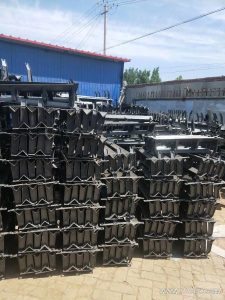
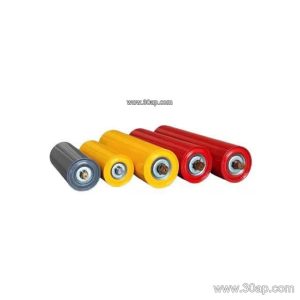
A Belt Conveyor Return Idler supports the empty side of the conveyor belt on its return journey. Unlike carrying idlers that bear the weight of material, return idlers mainly guide the belt, reduce sag, and help maintain proper tracking. In a quarry conveyor line or a coal mining conveyor system, these idlers are often the first components to show wear because they run continuously under the belt, exposed to dust and fines.
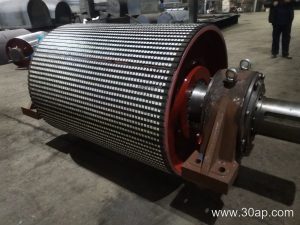
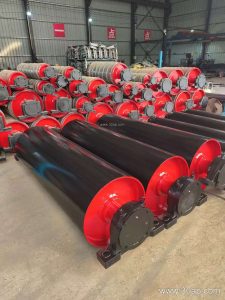
This idler roller is part of the lower idler set, sometimes called a bottom idler or return roller. It should not be confused with a conveyor pulley at the drive, tail, or bend position. A drive pulley transmits power, a tail pulley changes belt direction, and a bend pulley adjusts the path—none of these are return idlers. The return idler simply rolls under the belt to keep it supported.
Construction and Common Styles
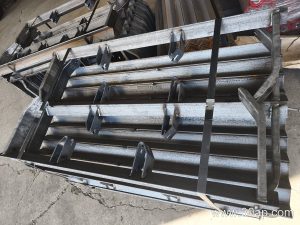
Most return idlers use a steel tube shell fitted with sealed bearings inside a bearing housing. The shaft is usually fixed to a conveyor bracket or frame that holds the idler in place. Common roller diameters include Ø89, Ø102, Ø108, Ø127, Ø133, and Ø159 mm, though larger sizes like Ø178 and Ø194 mm appear on wider or heavier belts. Bearing sizes such as 6205, 6305, 6306, and 6308 are frequently used, but the exact match depends on the shaft and load design—never assume one bearing fits only one diameter.
Several return idler styles are available:
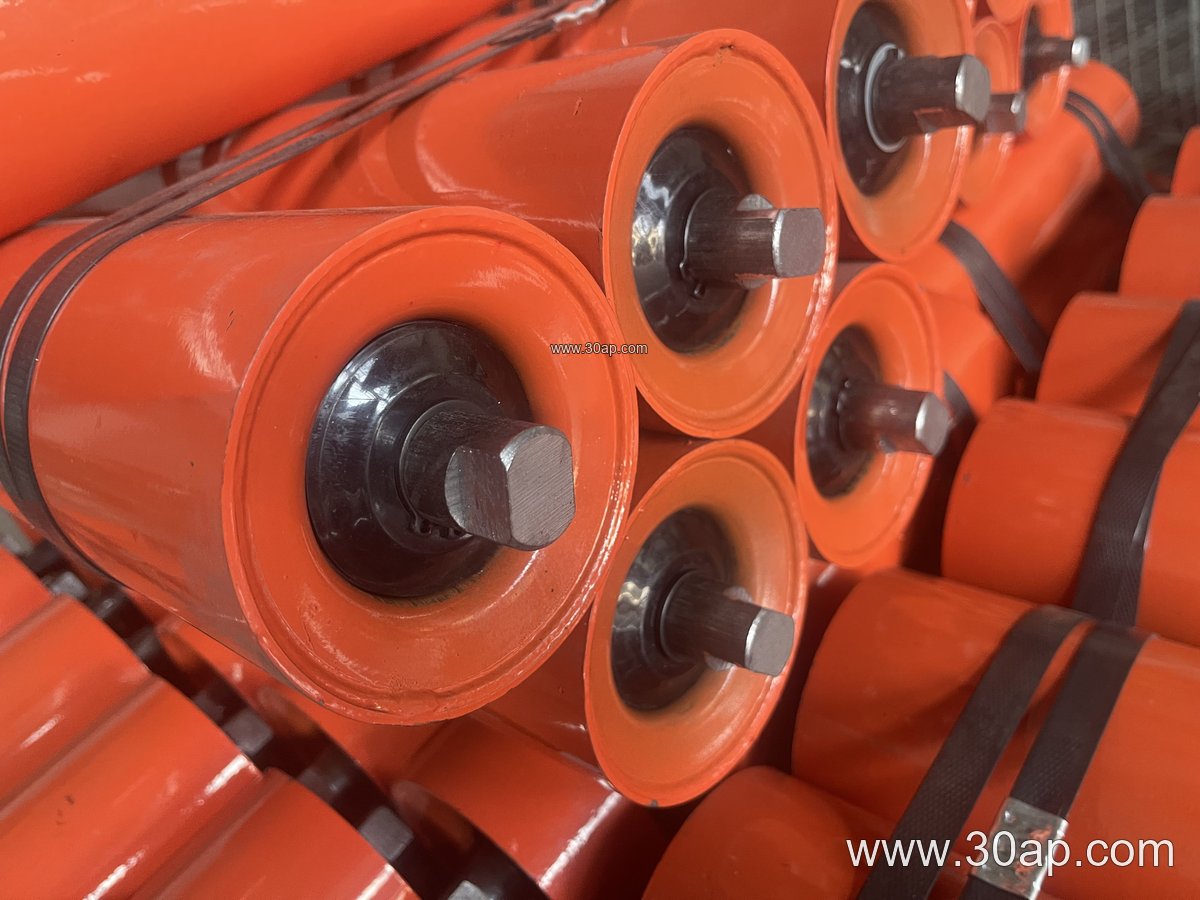
- Flat return idler – a single roller under the belt, common on narrower belts.
- V-return idler – two rollers set in a V shape to help center the belt.
- Spiral return idler – a helical wrap that sheds sticky material, useful in cement plants or handling wet fines.
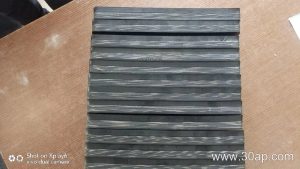
- Rubber disc return idler – rubber rings that reduce buildup and cushion impact in dusty conditions.
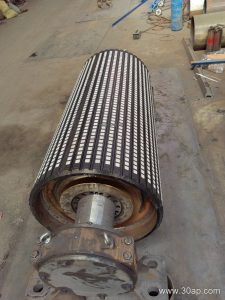
Roller surfaces may be steel, nylon, or ceramic-coated depending on the environment. For abrasive service, a high abrasion resistant conveyor belt may be paired with hardened idler shells to extend service life.
Where Return Idlers Are Used
Return idlers appear in nearly every bulk material conveyor. In a sand and gravel plant, they support the belt after the head pulley and before the tail pulley. In a power plant coal handling system, return idlers help keep the belt aligned on long runs. Underground coal mining conveyor belts often use V-return idlers to resist misalignment in tight spaces. The same component is found in iron ore terminals, limestone quarries, and fertilizer plants.
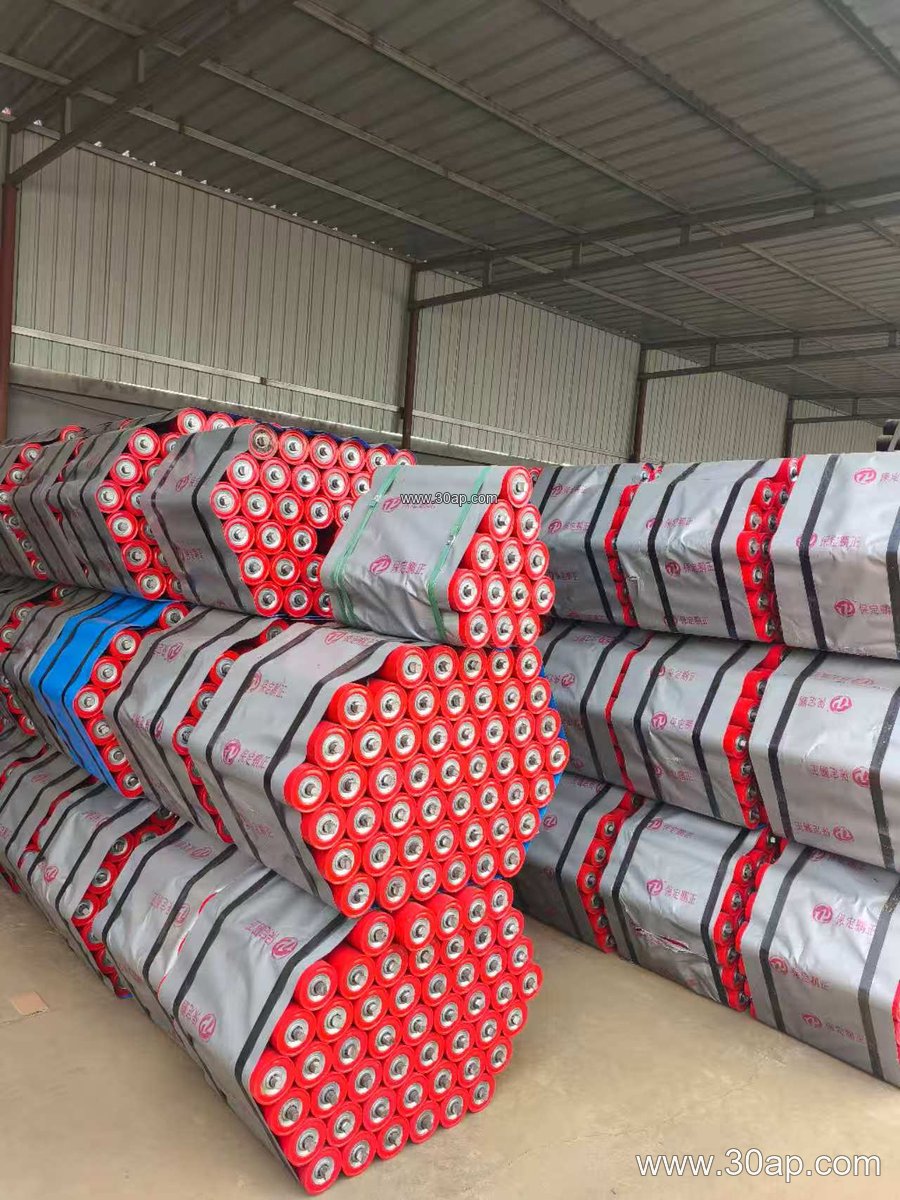
The belt width determines the idler length and frame size. Common belt widths include B500, B650, B800, B1000, B1200, B1400, B1600, B1800, and B2000. For example, a 1000mm wide conveyor belt might use a return idler with a roller length around 380 mm in a three-roll carrying set, but the return side often uses a single roller or V-set with its own dimensions. These are typical references, not fixed rules—always confirm with the conveyor design.
Buyer Checklist for Return Idlers
When specifying a Belt Conveyor Return Idler, consider the following:
- Belt width and load: Match idler length and diameter to the conveyor belt width and the weight of the return belt. Wider belts such as 1200mm or 1400mm may need larger shaft diameters and heavier bearings.
- Environment: In dusty or wet conditions, choose sealed bearings and corrosion-resistant finishes. For sticky materials, spiral or rubber-disc idlers reduce buildup.
- Tracking: V-return idlers or self-aligning return idlers help keep the belt centered, especially on long overland conveyors.
- Compatibility: Ensure the idler shaft fits the existing conveyor bracket and frame. Do not substitute a return idler with a drive pulley or tail pulley—they serve different roles.
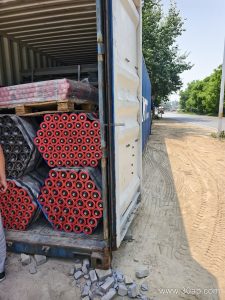
Regular inspection of return idlers is important. Worn bearings or seized rollers can damage the conveyor belt and increase power consumption. In a crusher conveyor belt system, a failed return idler may cause the belt to rub against the frame, leading to costly downtime. Keeping spare idlers on hand and checking alignment monthly helps maintain smooth operation.
For more information on conveyor components, visit our site at www.example.com/belt-conveyor-return-idler or explore related products like conveyor idler roller and conveyor bracket.