What an Idler Bracket Does on a Conveyor
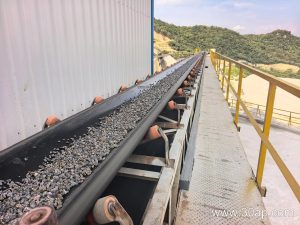
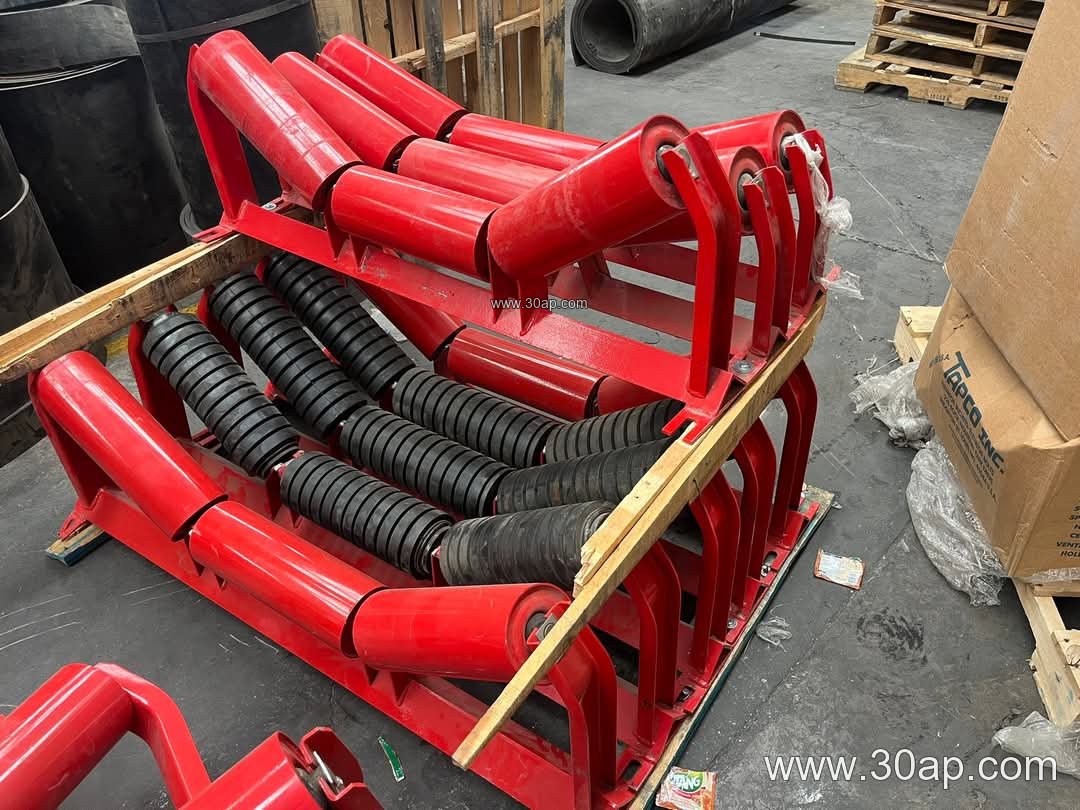
An idler bracket is the supporting frame that holds conveyor idlers in position along the carrying and return sides of a conveyor. It fixes the spacing between rollers, sets the trough angle of the belt, and transfers the load from the belt and material down into the conveyor structure. In a quarry, a cement plant, or a coal handling line, the bracket is a small part of the total cost but a major factor in belt tracking and idler life.
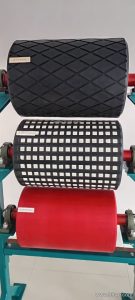
The bracket is often called a conveyor bracket or idler frame, and the two names describe the same component. It should not be confused with a conveyor pulley, which is a rotating drum at the head, tail, or bend position. Pulleys transmit drive force, while idler brackets only support the belt through idlers.
Construction and Common Materials
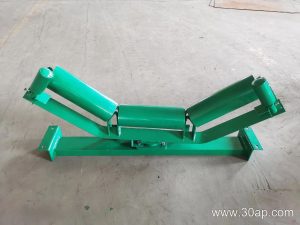
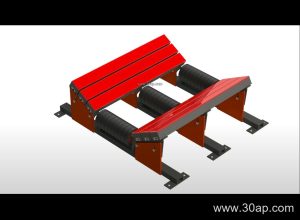
Most brackets are fabricated from angle steel, channel steel, or folded steel plate. The crossbeam carries the idler mounting slots, and the end legs bolt to the conveyor stringer. Slotted holes allow small adjustments during alignment. Heavier designs use thicker plate and reinforced gussets where impact loads are expected, for example below a crusher discharge point or at a transfer chute.
Surface treatment matters in wet or corrosive conditions. Paint, galvanizing, or powder coating are common choices, and the selection usually follows the site environment rather than a single standard.
Types and Where They Are Used
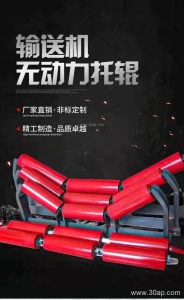
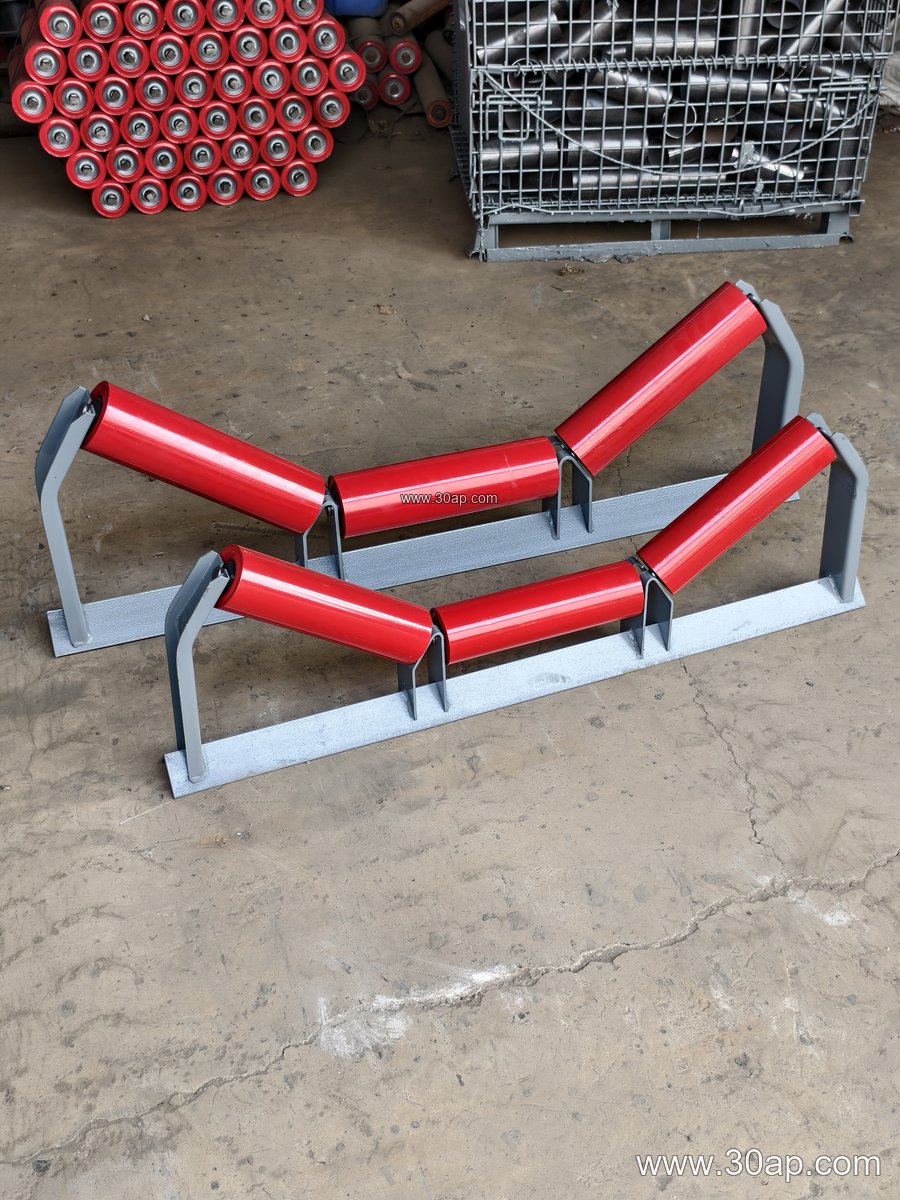
- Trough brackets for the carrying side, normally set at 20, 30, 35, or 45 degrees.
- Transition brackets near the head and tail, where the belt changes from flat to troughed.
- Return brackets, including flat and V-type return designs.
- Impact brackets with cushioning idlers under loading points.
- Self-aligning and forward-leaning brackets for belt tracking control.
- Adjustable brackets that allow the trough angle to be changed on site.
An adjustable bracket is useful where the belt width and material load may change, or where the plant wants one spare frame to cover several positions. A fixed bracket is simpler and usually stiffer, which helps on wide belts and heavy-duty mining conveyors.
Matching Belt Width, Trough Angle, and Roller Diameter
Bracket dimensions follow the belt width and the chosen trough angle. Typical combinations include B800 with 35 degrees and Ø108 idlers, B1200 with 45 degrees and Ø133 idlers, or B650 with 30 degrees and Ø89 idlers. These are common examples, not fixed rules, and the final match is set by the conveyor design. A wide belt does not automatically require one particular roller diameter, and one belt width can work with more than one trough angle depending on the material and capacity.
| Belt width | Common trough angle | Common idler diameter |
|---|---|---|
| B500 | 20 to 35 degrees | Ø89 |
| B650 | 30 to 35 degrees | Ø89 to Ø108 |
| B800 | 30 to 35 degrees | Ø108 |
| B1000 | 35 to 45 degrees | Ø108 to Ø133 |
| B1200 | 35 to 45 degrees | Ø133 |
| B1400 | 35 to 45 degrees | Ø133 to Ø159 |
| B1600 | 35 to 45 degrees | Ø159 |
| B1800 to B2000 | 35 to 45 degrees | Ø159 to Ø194 |
Installation hole spacing and crossbeam length change with belt width and trough angle, so these values should be confirmed against the conveyor drawing rather than assumed from the belt size alone.
Working With the Belt and Idlers
The bracket, the idler roller, and the conveyor belt form one support system. A misaligned frame will cause edge wear even when the belt itself is in good condition. On a long overland line carrying abrasive ore, an abrasion resistant conveyor belt may handle the wear, but poor bracket alignment can still shorten belt life. In coal mining and underground mining conveyors, flame retardant conveyor belt and anti-static conveyor belt grades are often specified together with sturdy brackets that resist dust and moisture.
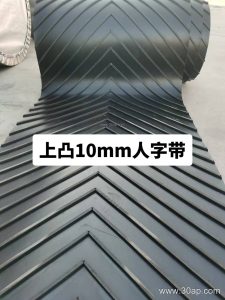
Where the belt is steeply inclined, a chevron conveyor belt or corrugated sidewall conveyor belt may be used, and the bracket layout then needs enough clearance for cleats and sidewalls. Pipe conveyor belt systems use a different support arrangement and should not be fitted with standard trough brackets.
Buyer Checklist
- Confirm belt width, trough angle, and idler diameter as a set.
- State the mounting hole spacing and stringer bolt pattern.
- Choose fixed or adjustable design based on maintenance practice.
- Check material thickness and finish for the site environment.
- Keep spare brackets for transition and impact positions, where damage is most likely.
For inquiries about idler brackets and related conveyor components, contact the supplier with the conveyor drawing and the idler specification so the frame can be matched correctly. More information on conveyor brackets and belt support is available at www.example.com/idler-bracket.