What the NN400 Conveyor Belt Is
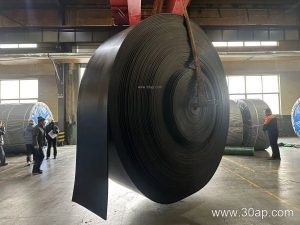
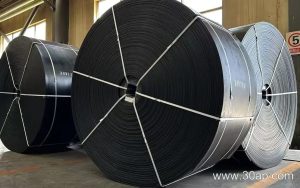
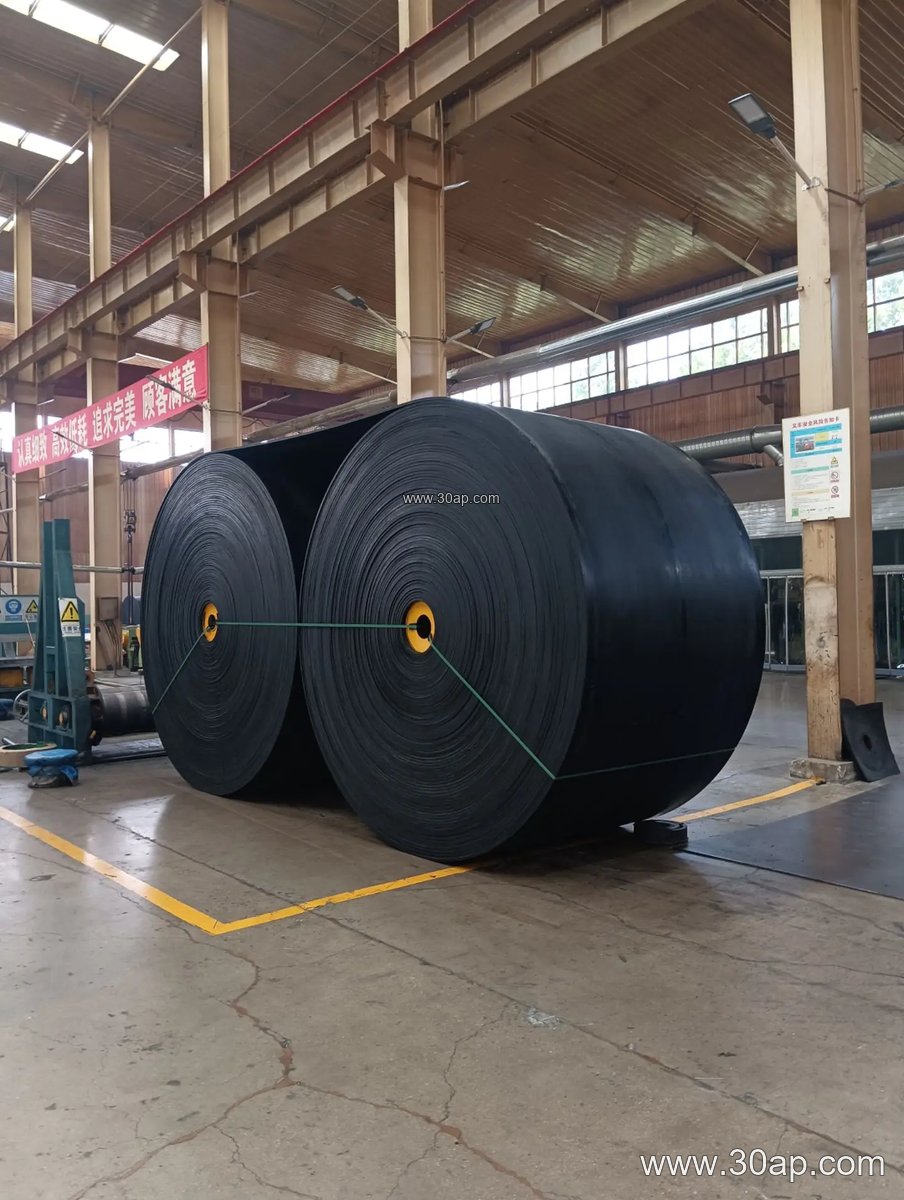
The NN400 Conveyor Belt is a multi-ply fabric core belt built with nylon (NN) warp and weft cords. In the NN family it sits in the higher strength range, which is why it is often chosen where a standard fabric belt would be stretched too far. Buyers may also see the same product described as an NN400 nylon conveyor belt or a nylon fabric core belt; these are equivalent names for the same construction, not different products.
Nylon carcass offers good tensile strength, flexibility and resistance to fatigue, so the belt can run over relatively small pulleys while absorbing shock loads. That combination makes it a practical choice for primary crushing circuits and other points where material arrives in lumps rather than a steady stream.
Construction and Typical Specifications
The carcass is usually made of several plies of nylon fabric bonded with rubber skim, then protected by top and bottom cover rubber. Cover thickness and ply count are selected for the duty rather than fixed by the strength grade alone. The table below gives common reference values; actual figures are confirmed by the manufacturer for each order.
- Strength grade: NN400 (nylon/nylon carcass)
- Common ply count: 2 to 6 plies, depending on design
- Common cover combinations: 4+2 mm, 5+2 mm, 6+2 mm, 8+3 mm
- Common belt widths: B650, B800, B1000, B1200, B1400, B1600
- Cover options: abrasion resistant, heat resistant, oil resistant, flame retardant, anti-static, cold resistant
Width and strength should be matched to the conveyor design, not to a single rule of thumb. A wider belt does not automatically call for a specific pulley diameter, and shaft size follows the pulley and bearing design rather than the belt width alone.
Where It Fits in the Plant
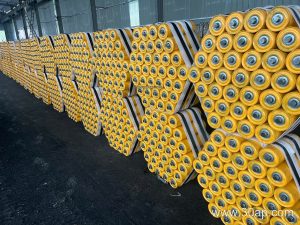
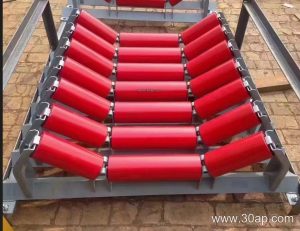
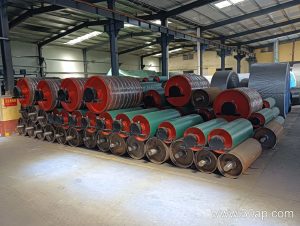
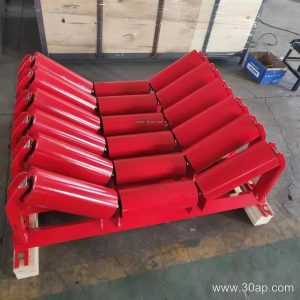
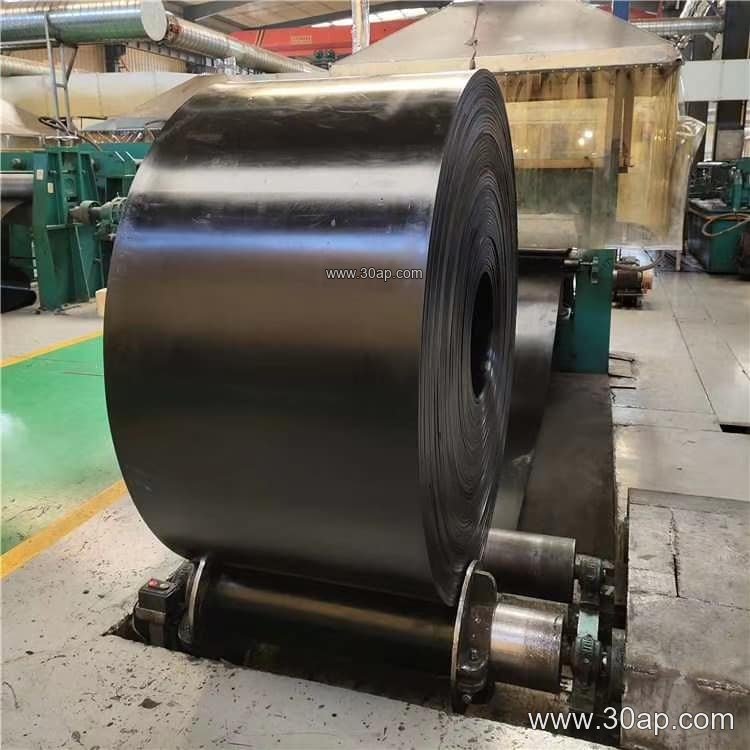
This belt is at home in mines, quarries, cement works, power stations, steel plants and sand and aggregate yards. It handles crushed rock, ore, clinker, limestone and similar bulk materials. In a crushing line it often works alongside an idler roller set, a conveyor pulley at the head and tail, and a conveyor bracket that keeps the frame rigid.
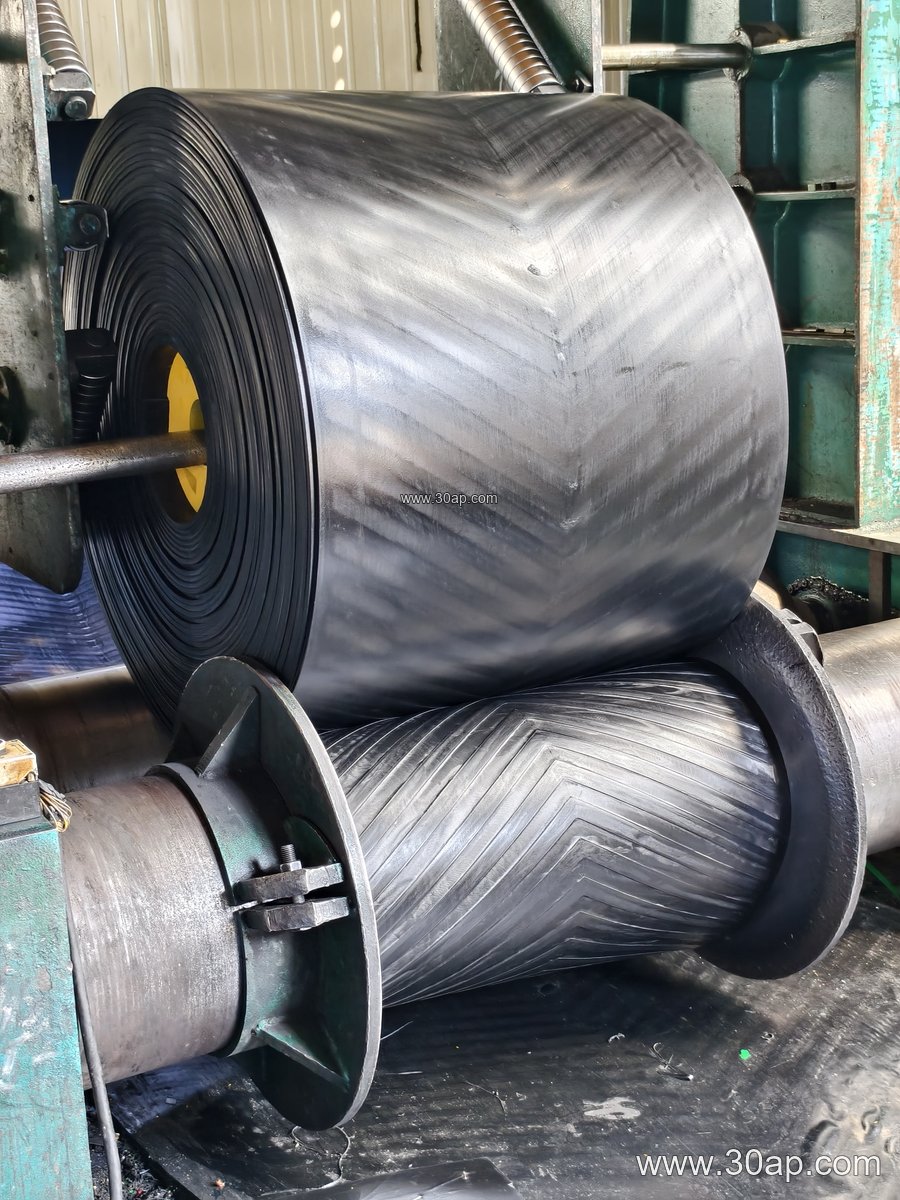
Selection should follow the real conditions. A coal mining conveyor belt may need flame retardant and anti-static covers, while an iron ore or copper ore duty usually calls for a high abrasion resistant grade. Hot clinker or sinter calls for a heat resistant cover. If the route includes a steep incline, a chevron or corrugated sidewall design may be a better fit than a flat belt; these are different belt types and are mentioned only as alternatives, not as substitutes for the NN400 itself.
Choosing the Right Variant
Start with the peak load and the material lump size, then check the pulley diameters and the troughing angle. Nylon carcass tolerates flexing well, which helps on drives with small pulleys and frequent starts. Confirm the cover grade against the material: wet, oily or chemically active cargo needs the matching resistant compound.
For very long, high-tension routes, a steel cord conveyor belt may be the more economical choice, while an EP conveyor belt is a common alternative when polyester warp is preferred. Neither replaces the NN400 in its own working range; they simply suit different duty profiles.
Installation and Maintenance Notes
Store belts in a dry, shaded place and avoid sharp folds. During installation, keep the belt centered, check that the conveyor pulley faces are square, and confirm that idler roller alignment is correct before tensioning. A belt that tracks poorly will wear its edges long before the carcass is worn out.
During service, watch for cover gouges, exposed fabric and splice wear. Impact points benefit from impact idlers or a cushion of fines. Keep the belt cleaner and the frame free of buildup. If the cover is damaged, repair it early so moisture cannot reach the nylon plies. For more on fabric core belts, idlers and pulleys, visit conveyor belt and idler roller resources at www.bulkconveyors.com and www.bulkconveyors.com.