What a 2200mm Conveyor Belt Is
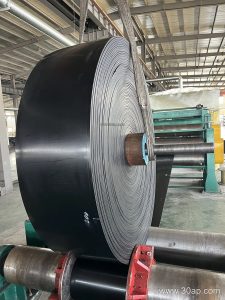
A 2200mm conveyor belt is a wide-format rubber belt built for conveying lines that need to move large tonnages or bulky, loosely loaded material in a single pass. At this width, the belt is usually described as an extra-wide conveyor belt, and it is most often engineered as a heavy-duty mining conveyor belt or a high-capacity bulk material conveyor belt. The extra width reduces the number of parallel lines needed in a transfer station, which matters in mines, cement plants, power plants, ports and large sand and gravel yards.
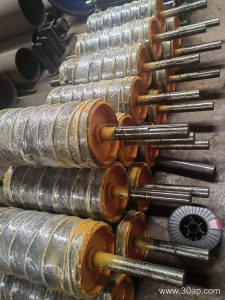
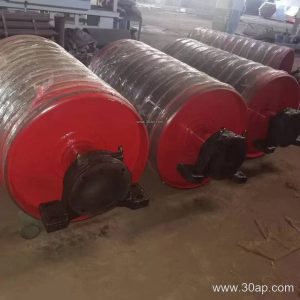
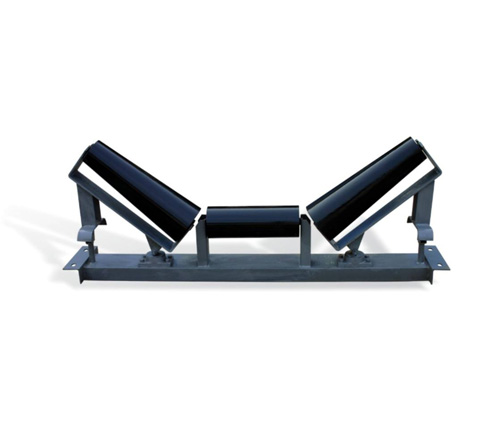
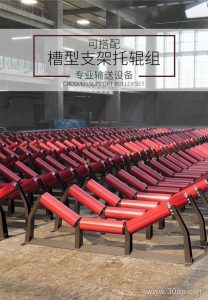
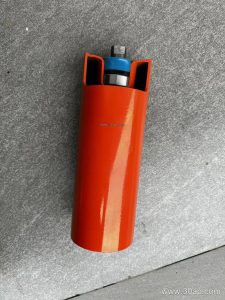
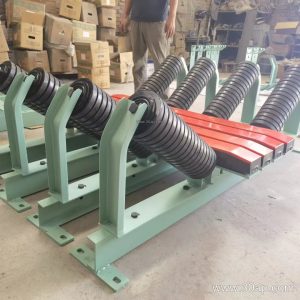
Because the belt is wide, the entire conveyor structure must be matched to it. The conveyor pulley, idler roller and conveyor bracket arrangement are selected around the belt load and the trough profile, not simply around the belt width. Drive pulleys, tail pulleys and bend pulleys each do a different job and are not interchangeable, so the layout should be confirmed by the conveyor designer rather than assumed from the belt dimension alone.
Construction and Common Configurations
The carcass carries the tension, and the cover rubber protects it from the material. For a 2200mm conveyor belt, fabric core and steel cord constructions are both used. A multi-ply fabric core conveyor belt with EP or NN plies suits many aggregate and cement duties, while a steel cord conveyor belt is chosen where tension and long center distances call for it. Cover grade follows the duty: abrasion resistant conveyor belt for crushed rock and ore, heat resistant conveyor belt for clinker or sinter, oil resistant conveyor belt for oily feedstock, and flame retardant conveyor belt or anti-static conveyor belt for coal mining and underground mining conveyor lines.
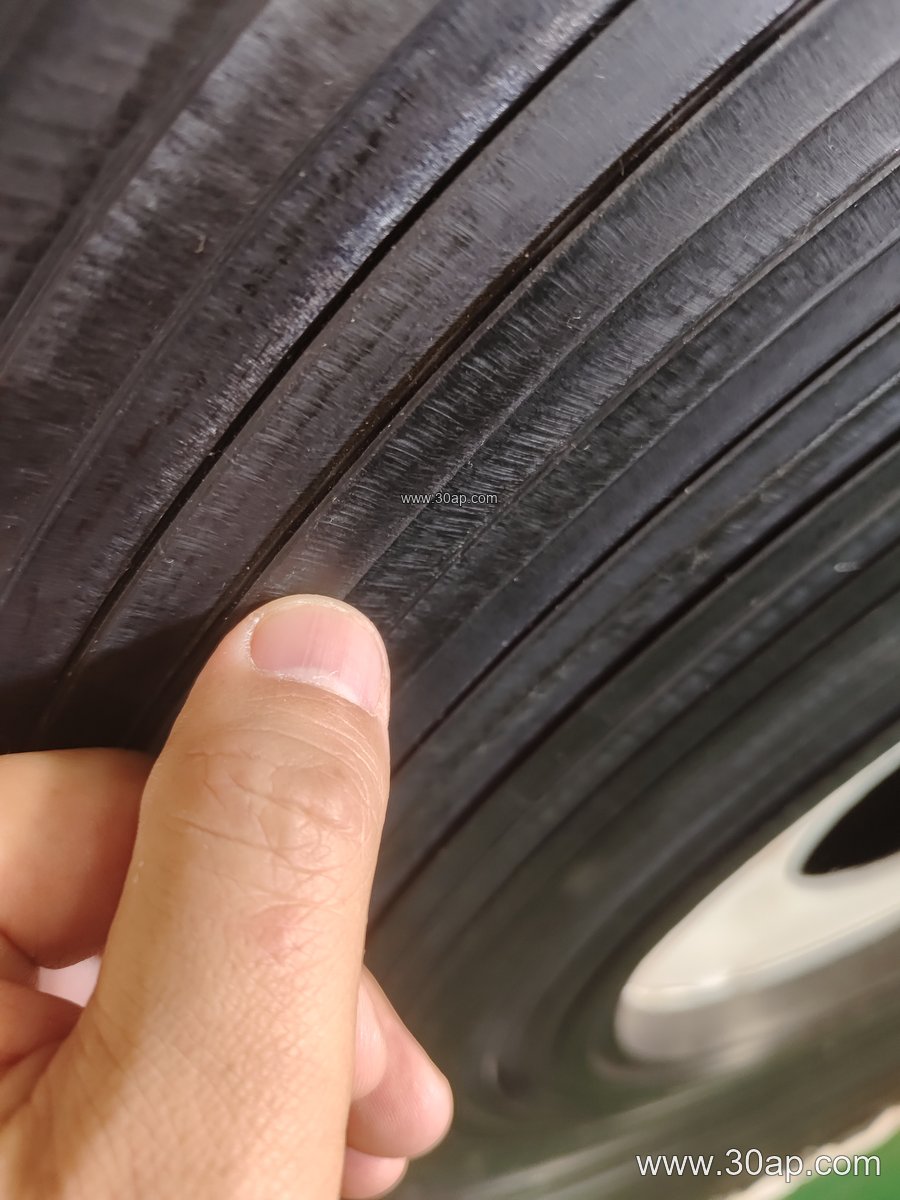
Typical reference values below show the range commonly discussed; final figures are set by the belt manufacturer and the conveyor design.
| Parameter | Common Reference |
|---|---|
| Belt width | 2200 mm (B2200) |
| Carcass type | EP fabric, NN fabric, steel cord |
| Fabric strength grades | EP200 to EP2000, NN100 to NN400 |
| Steel cord grades | ST1000 to ST3150 |
| Ply count | 2 to 6 plies for fabric core |
| Cover thickness | 4+2, 5+2, 6+2, 8+3 mm |
| Surface forms | Plain, chevron, skirted, corrugated sidewall |
Where Wide Belts Fit in the Plant
In a quarry or stone crushing line, a 2200mm belt often sits after the primary crusher, where the rock conveyor must accept a wide, uneven stream. In cement plants it can appear on clinker or raw material routes; in power plants on coal or limestone handling; in iron ore, copper ore and gold mining operations on ore conveyor and ship loading duties. Ports and bulk terminals use the same width where a single stream feeds a stacker or loader.
Specialty versions exist for difficult routes. A chevron conveyor belt or a corrugated sidewall conveyor belt helps on inclines where material would otherwise slide back, and a pipe conveyor belt is used where the line must curve tightly or be enclosed. These are different belt concepts, so they are compared with the plain wide belt rather than treated as the same product.
Selection Points for Buyers
- Confirm the actual duty: tonnage per hour, lump size, drop height and material temperature drive the carcass and cover choice.
- Match the belt to the pulley and idler roller diameters recommended for the carcass, and check transition distances at the tail pulley.
- Check the trough angle and idler spacing; a wide belt needs a stable three-roller or five-roller trough to keep the load centered.
- For coal or underground coal mining conveyor duty, specify flame retardant and anti-static properties together with the required cover grade.
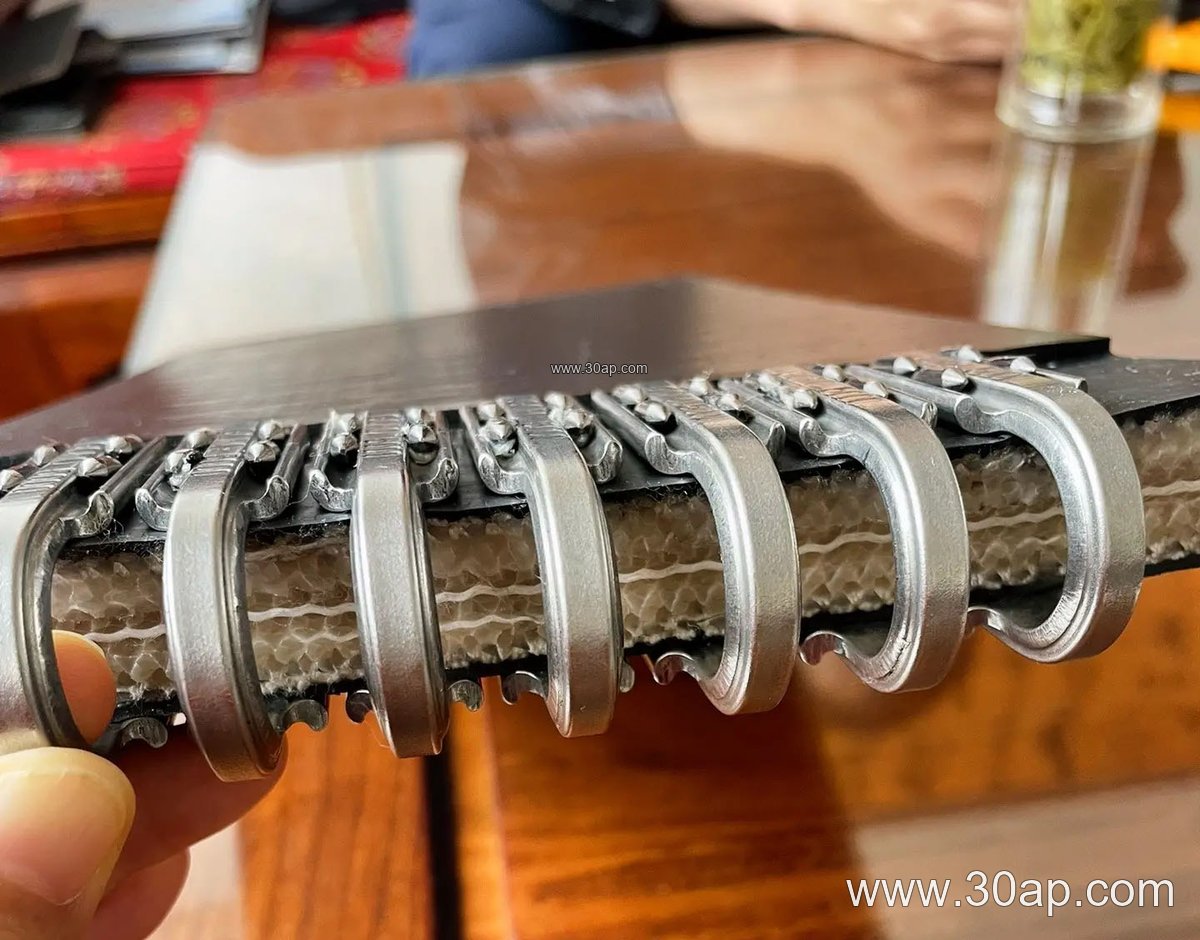
- Review splice type and whether an endless conveyor belt is preferred to reduce joint maintenance.
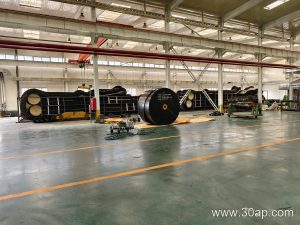
- Plan storage and installation: a 2200mm belt is heavy and needs proper lifting equipment and a straight, clean run-in.
Maintenance and Long Service
Inspect the belt surface for cuts, cover wear and edge damage, and check that the belt tracks centrally on the conveyor pulley. Worn idler rollers cause edge loading and shorten belt life, so roller rotation should be checked on the same walk. Keep the conveyor bracket and frame aligned, and re-tension after the first weeks of operation. For heat, oil or chemical exposure, record the cover condition regularly and replace the belt before the carcass is exposed.
For more information on wide belt options, idler roller selection and conveyor pulley matching, visit conveyorbeltingpro.com to compare specifications for your project.