What a 650mm Conveyor Belt Is
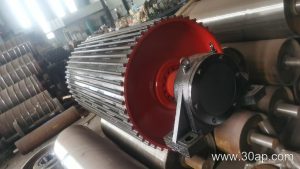
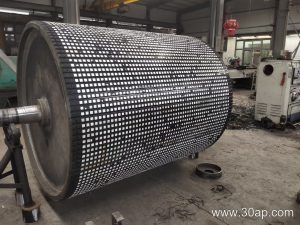
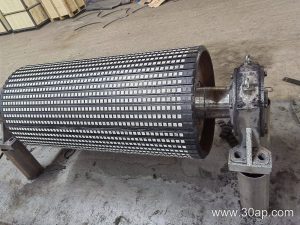
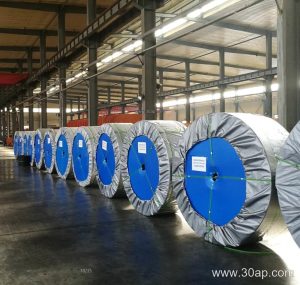
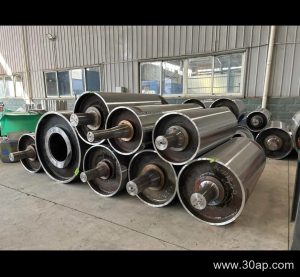
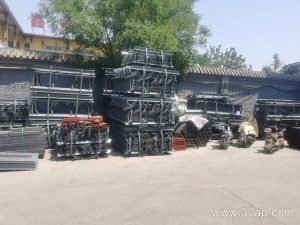
A 650mm conveyor belt is a belt with a nominal width of 650 mm, commonly written as B650 in specifications. It sits in the middle of the light-to-medium width range, wider than a 500mm or 600mm belt but narrower than an 800mm or 1000mm unit. This makes it a practical choice for secondary conveying lines, transfer points, and plant layouts where space is limited but throughput still matters. The belt itself is only one part of the system: it runs over a conveyor pulley at the drive and tail ends, is supported by idler rollers along the carry side, and is held in line by conveyor brackets and frame structures.
Buyers searching for a 650mm conveyor belt are usually matching a replacement or designing a new line, so the width is only the starting point. The carcass type, cover grade, and top/bottom cover thickness decide how the belt performs in a given industry.
Construction and Common Specifications
Most 650mm belts use a fabric core or steel cord carcass. Fabric core belts are built from multiple plies of EP (polyester-cotton) or NN (nylon) fabric, while steel cord belts use brass-plated wires for high tension. Cover rubber is usually applied in a top/bottom combination. The table below shows typical reference values; actual values are set by design and vary between manufacturers.
| Parameter | Common Reference Values |
|---|---|
| Belt width | B650 (650 mm) |
| Carcass type | EP fabric, NN fabric, steel cord |
| Strength grade (fabric) | EP200, EP315, EP400, EP500, EP630, EP800 |
| Strength grade (steel cord) | ST1000, ST1250, ST1600 |
| Number of plies | 2 to 6 layers, depending on grade |
| Cover thickness (top + bottom) | 3+1.5, 4+2, 5+2, 6+2 mm |
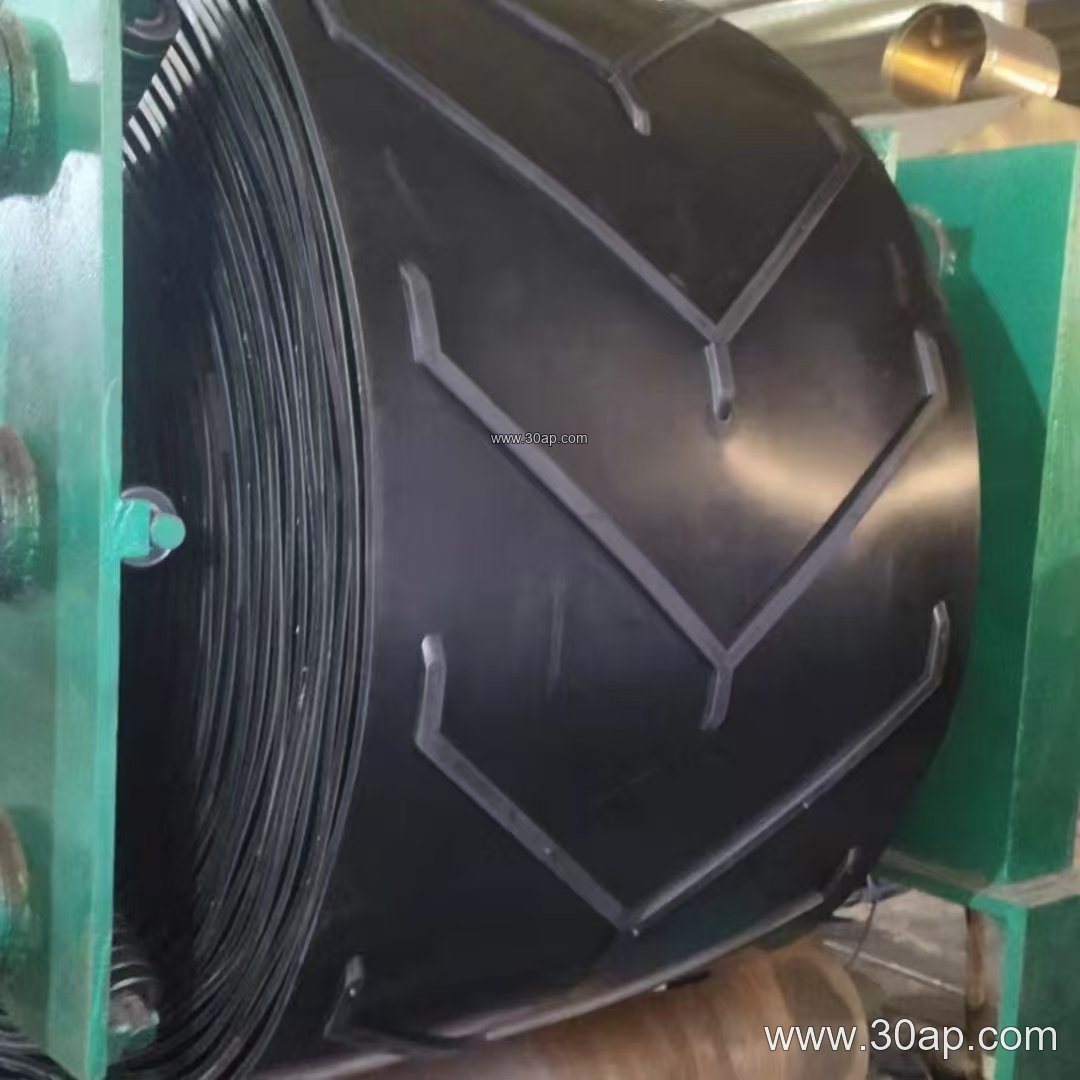
| Surface forms | Smooth, chevron, skirted, corrugated sidewall |
A 650mm EP conveyor belt with 4+2 mm covers is a frequent configuration for general bulk handling. For abrasive stone or ore, an abrasion resistant conveyor belt with a thicker top cover is more suitable. In coal mining, a flame retardant conveyor belt or PVG conveyor belt may be required by the site’s safety rules. These are material and cover choices, not different belt widths.
Where the Width Fits in a Conveyor Line
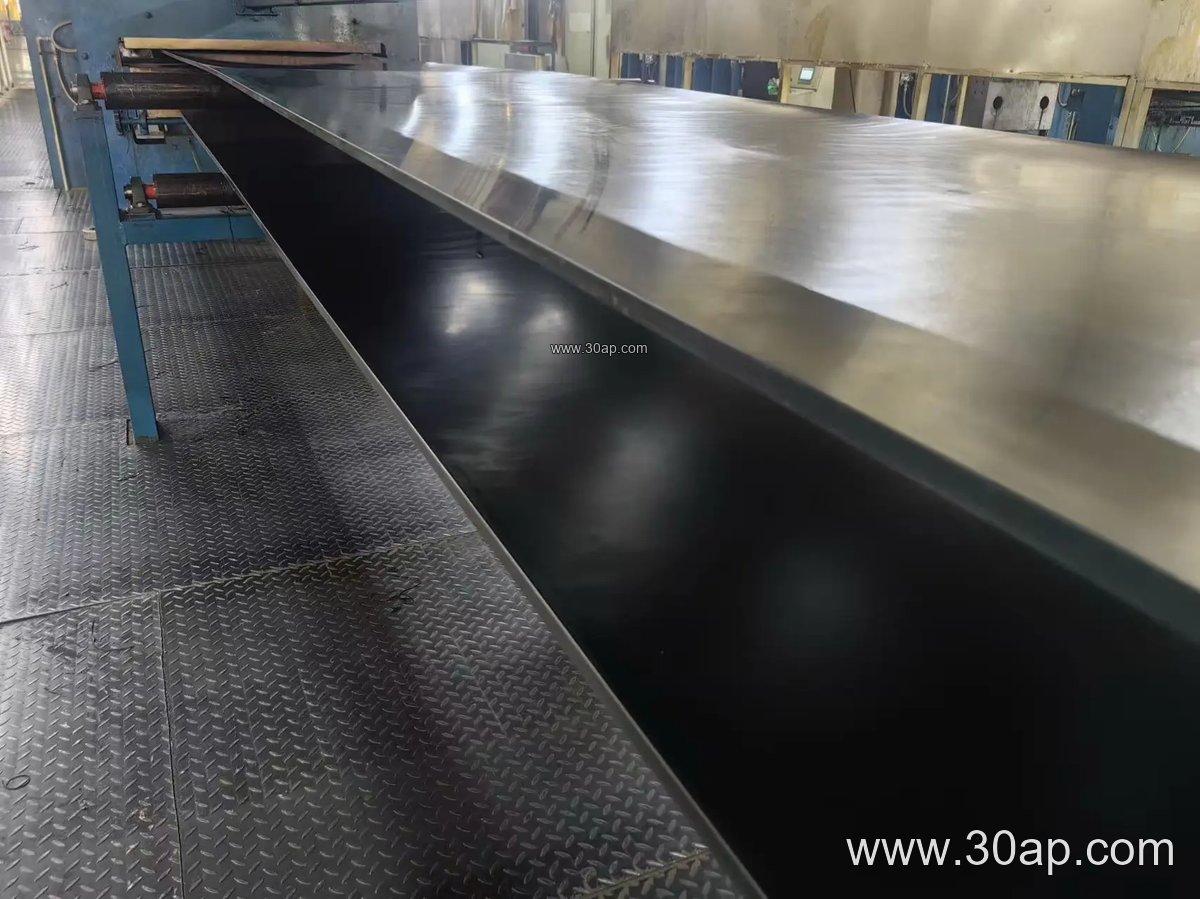
At 650 mm, the belt is often used on in-plant conveyors, stockpile feed lines, and secondary crusher discharge. A quarry conveyor belt of this width can move crushed aggregate between screening stages, while a cement plant may use it for clinker or additive transfer. Power plants and steel plants use similar widths for coal and coke handling. In sand and gravel operations, a 650mm belt pairs naturally with a crusher conveyor belt feeding a screen deck.
Because the belt is relatively narrow, the drive pulley, tail pulley, and bend pulleys are sized to match the belt tension and frame, not the width alone. A 650mm belt can run on different pulley diameters depending on the duty; there is no fixed one-to-one match between width and pulley size. The same applies to idler roller spacing, which follows load and belt sag requirements.
Cover Grades and Environmental Fit
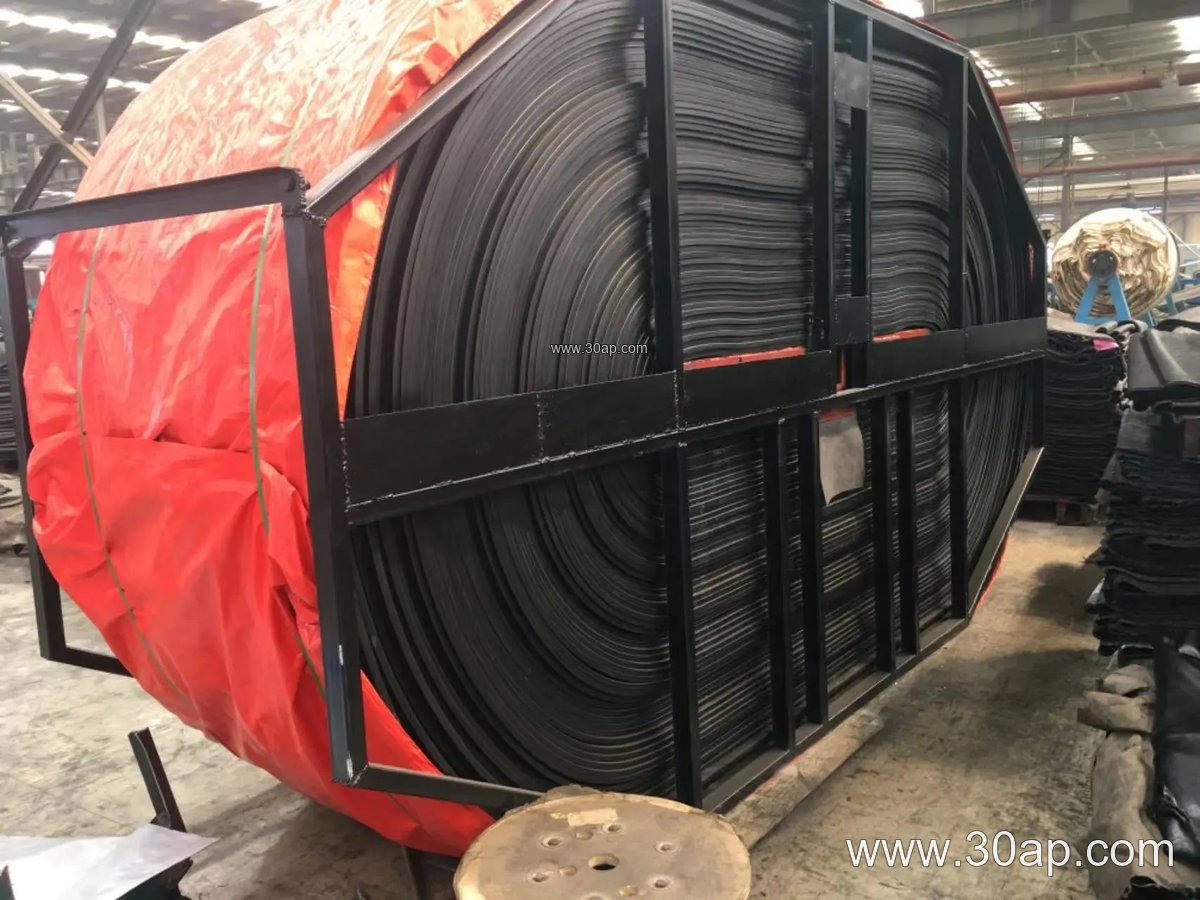
The working environment usually decides the cover compound. A heat resistant conveyor belt suits clinker, sinter, or hot ash. An oil resistant conveyor belt is used where lubricants or oily scrap are present. Cold resistant belts are chosen for freezing yards and winter operation, while anti-static conveyor belts help dissipate static charge in dusty or explosive-risk areas. For food or clean material, a food grade conveyor belt is available in some constructions.
Where material must be contained on an incline, a chevron conveyor belt or a corrugated sidewall belt with skirts can be specified in 650 mm width. These are surface forms of the same product family, not substitutes for the base belt.
Buyer Checklist
- Confirm the actual measured width and whether the old belt was B650 or a trimmed size.
- Identify the carcass grade and ply count from the belt edge marking or documentation.
- Match the cover grade to the material: abrasive, hot, oily, or wet.
- Check pulley diameters and idler roller condition before fitting a new belt.
- Verify splice type and whether an endless conveyor belt is preferred for the application.
- Review conveyor brackets and frame alignment to avoid edge damage.
Information on related belt widths and pulley options is available at www.beltconveyorsystem.com for plant engineers comparing 650mm with 800mm or 1000mm alternatives.