What a Drive Rubber Lagged Pulley Does
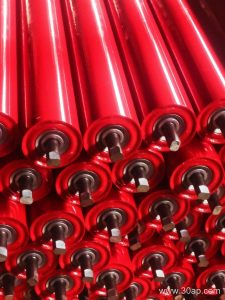
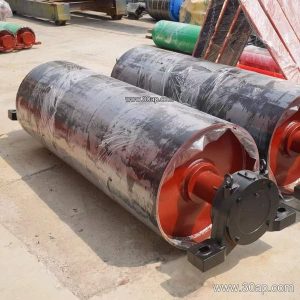
A drive rubber lagged pulley is the powered drum at the head of a conveyor that turns belt tension into forward motion. The rubber lagging is not decoration. It raises the friction coefficient between drum and belt, which lets the pulley transmit more torque before slip occurs. In a quarry or a limestone mine, that difference often decides whether a fully loaded belt starts cleanly or squeals against the shell.
The same product is also called a rubber-lagged head pulley or lagged drive drum. It should not be confused with a tail pulley or a bend pulley, which guide and return the belt but do not drive the load.
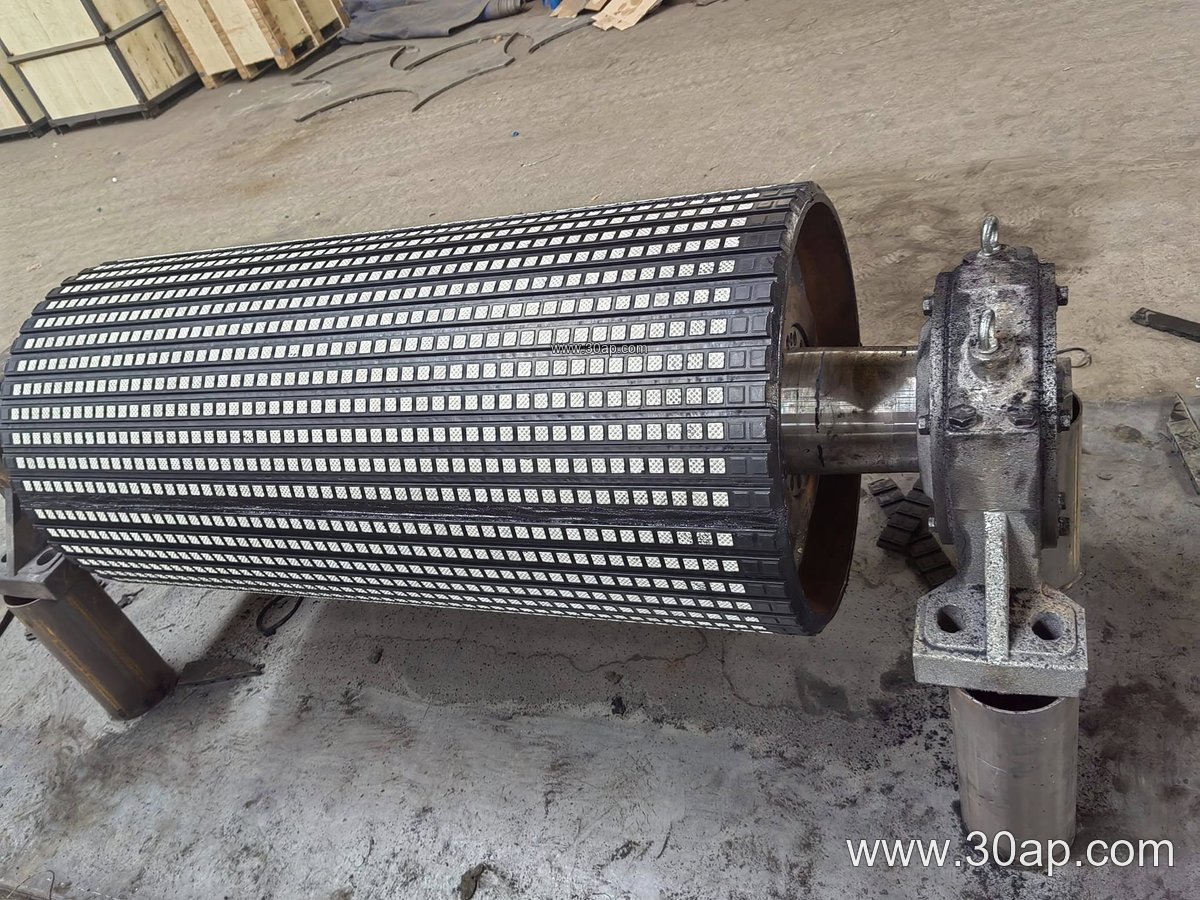
How the Drum Is Built
A typical unit combines a steel shell, welded end discs, a shaft, bearing housings, and a lagging layer. The shell is machined before covering so the rubber sits evenly across the face. Lagging is applied in three common ways.
- Hot vulcanized rubber, bonded under heat and pressure for heavy-duty service.
- Cold bonded rubber, often chosen for field replacement or shorter lead times.
- Cast rubber with molded patterns for extra grip in wet or dusty conditions.
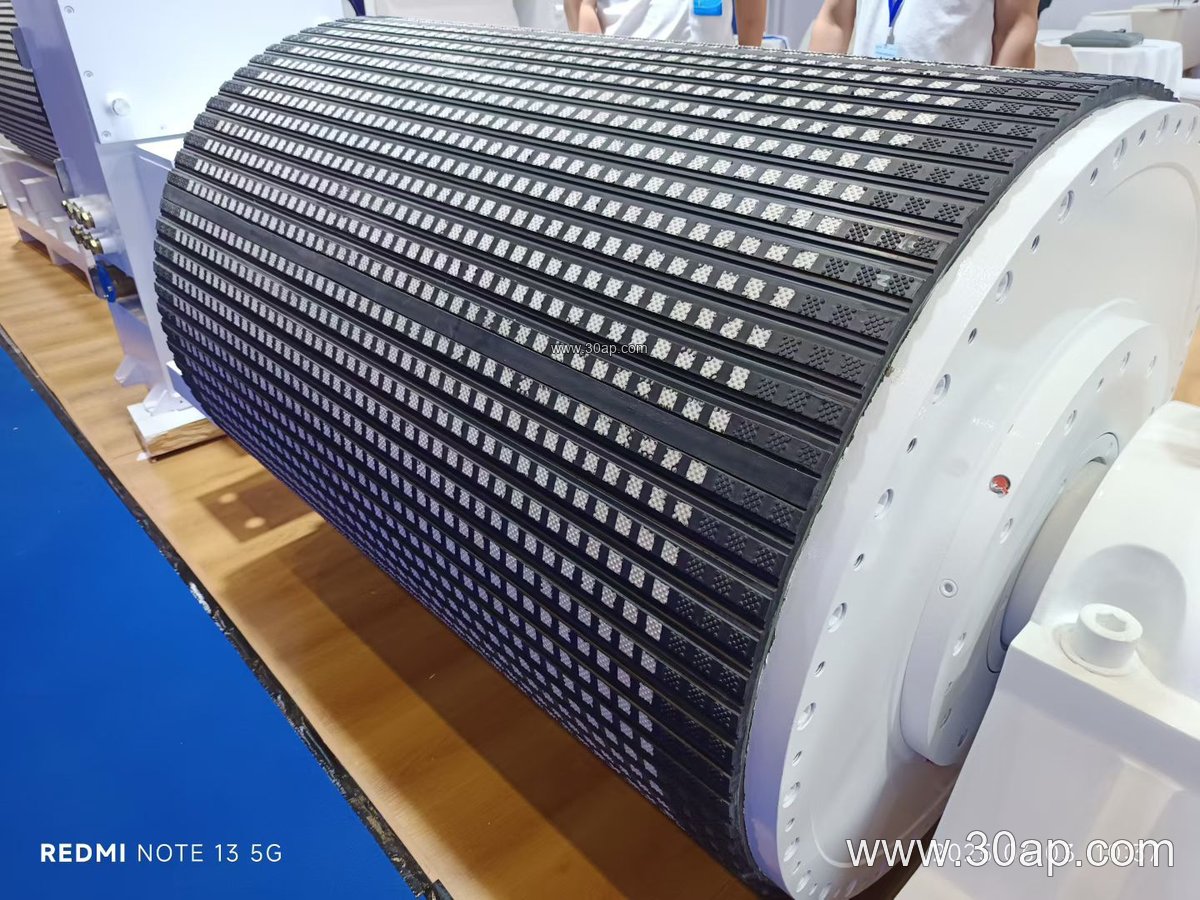
Surface patterns include plain, diamond, and herringbone forms. Diamond lagging sheds water and fine dust; herringbone channels material toward the edges. Ceramic lagging is a separate option where abrasive slip is the main concern. Common lagging thicknesses are 8, 10, 12, 15, and 20 mm, selected according to torque and belt speed rather than copied from a catalogue.
Sizing the Pulley Around the Belt
Face width normally exceeds belt width so the belt is fully supported. Reference values are often B650 with roughly 750 mm face, B1000 with about 1150 mm, and B1400 with around 1600 mm. Diameter is chosen from belt tension, wrap angle, and shaft loading, not from belt width alone. A B800 drum may use Ø500 in one conveyor and Ø630 in another with higher tension. Shaft diameter, commonly between Ø50 and Ø200, is fixed by torque and bearing load.
| Parameter | Typical Reference |
|---|---|
| Belt width | B400 to B2400 |
| Pulley diameter | Ø200 to Ø1800 |
| Lagging thickness | 8, 10, 12, 15, 20 mm |
| Shaft diameter | Ø50 to Ø200 |
| Surface form | Plain, diamond, herringbone, ceramic |
Example combinations such as B800 × Ø500 or B1200 × Ø1000 appear in real projects, but they are design outcomes, not fixed rules.
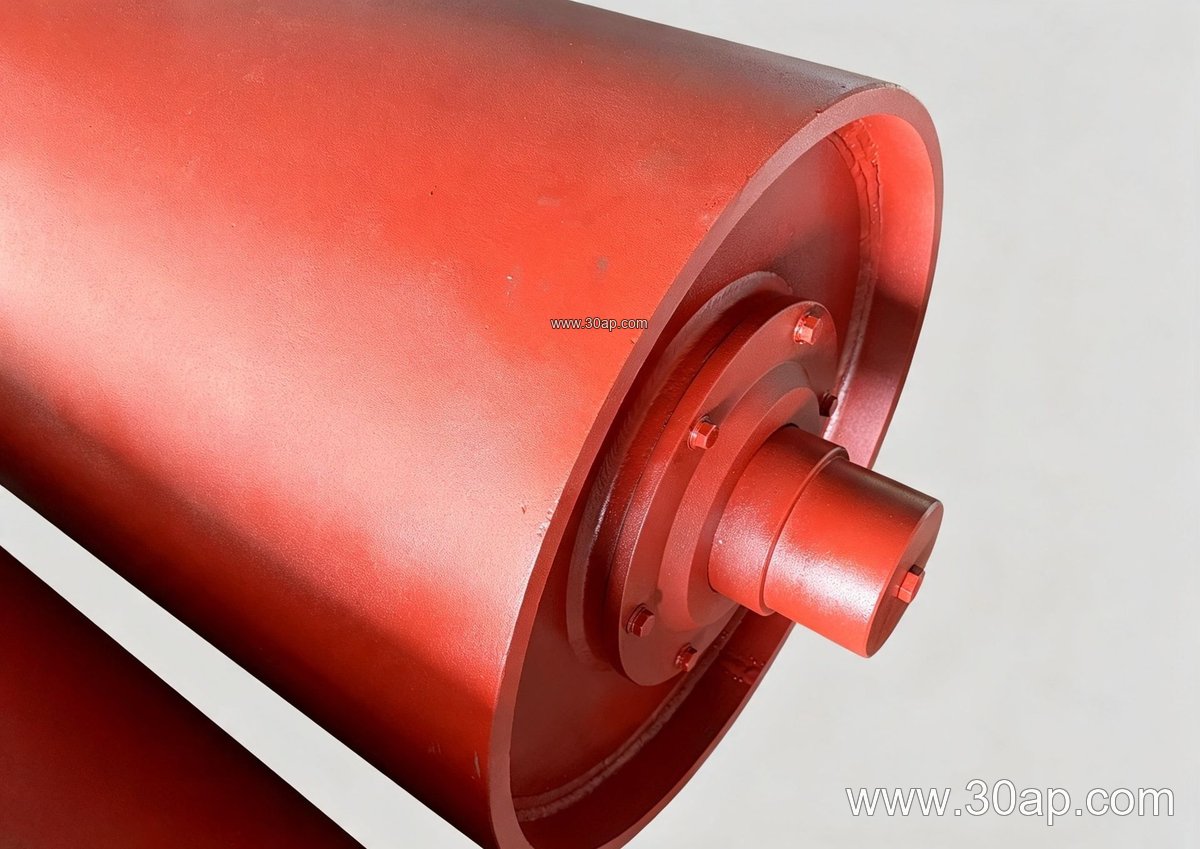
Where It Fits in the Plant
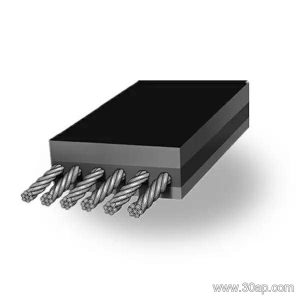
In a coal preparation plant, the drive drum works with a flame retardant conveyor belt and anti-static properties where underground conditions apply. In a cement plant, clinker dust makes grip critical, and a diamond lagging helps the drum hold a heat resistant conveyor belt carrying hot material. At a port handling bulk cargo, the same pulley may run with a steel cord conveyor belt on a long overland line, where slip protection matters more than in a short transfer.
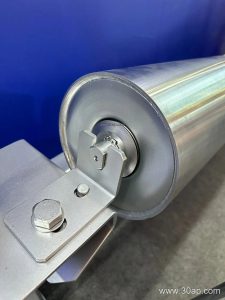
The pulley also has to match the rest of the conveyor frame. A conveyor bracket that is too light for the shaft load will deflect, and an undersized idler roller set will shorten belt life. A properly lagged drive drum, paired with a well-supported conveyor pulley arrangement, keeps the whole line stable. For abrasive iron ore or copper ore duty, an abrasion resistant conveyor belt and a durable lagging surface work as a system.
Buyer Checklist
- Confirm belt width, pulley diameter, and shaft diameter as a set, not separately.
- State the lagging type and thickness, and whether field bonding is acceptable.
- Describe the material and environment: wet, dusty, oily, or hot.
- Check bearing size, keyway, and coupling fit before ordering.
- Ask how the lagging is bonded and how it can be inspected or replaced.
Maintenance is mostly about grip. Worn lagging reduces friction and invites belt slip, which raises heat and wear. Inspect the surface for glazing, cuts, and embedded stone, and re-lag before slip becomes a daily problem. For users comparing drive, tail, and bend positions, remember that only the drive rubber lagged pulley transmits power; the others guide.