What a PVC Conveyor Belt Is
A PVC conveyor belt is a lightweight belt made with a polyvinyl chloride cover and a fabric core, typically polyester or nylon. It is a distinct product from heavy rubber belts such as an EP conveyor belt or a steel cord conveyor belt, and it serves different duties in mining, cement, power, and aggregate operations. The PVC compound forms a smooth or textured surface that resists moisture, many chemicals, and abrasion, while the fabric carcass provides tensile strength and tracking stability. This belt is often chosen where cleanliness, moderate load support, and resistance to oils or fats are more important than extreme impact or heat resistance.
Because the cover is thermoplastic, a PVC conveyor belt can be spliced with heat or adhesive, and it is available in endless form for compact conveyor layouts. It is not a replacement for a flame retardant conveyor belt in underground coal mining or for a heat resistant conveyor belt near clinker coolers; those duties call for different cover compounds and carcass designs.
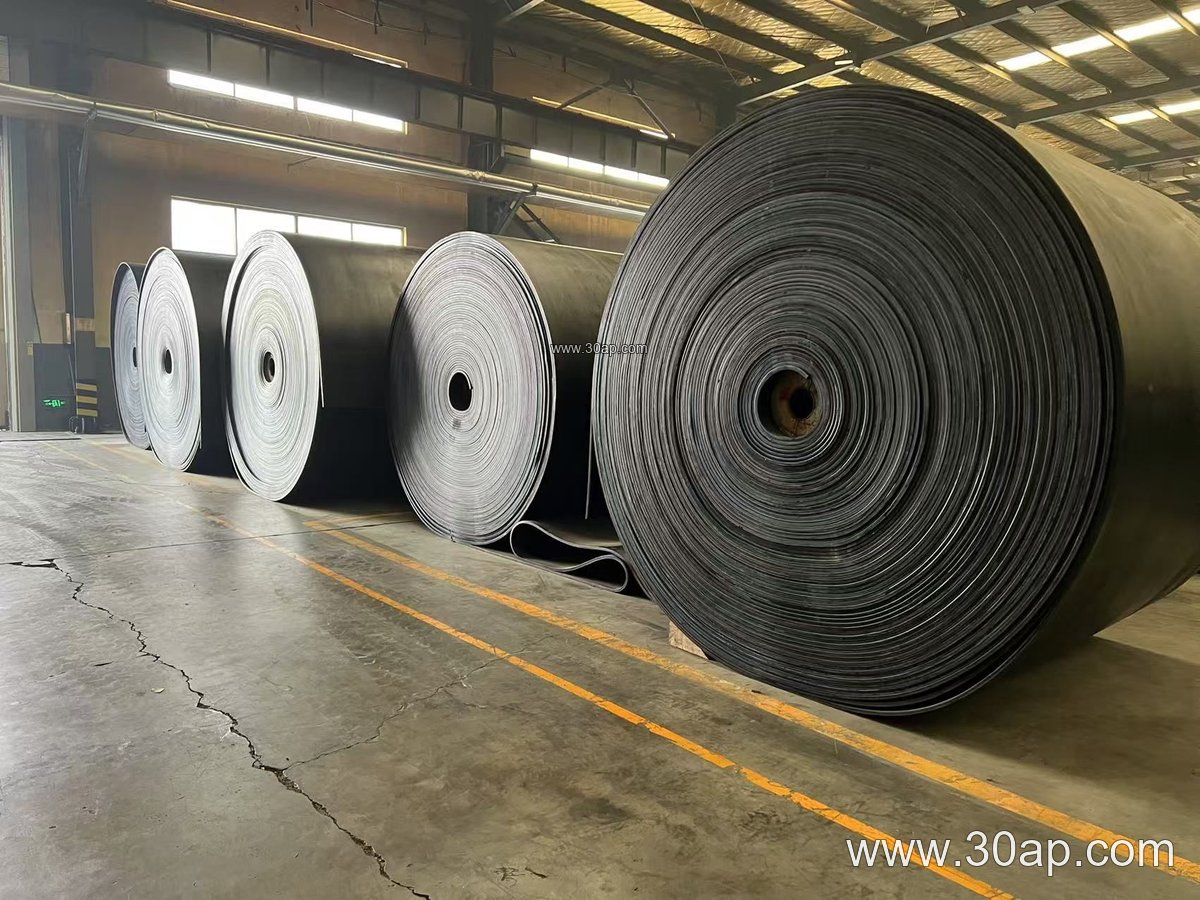
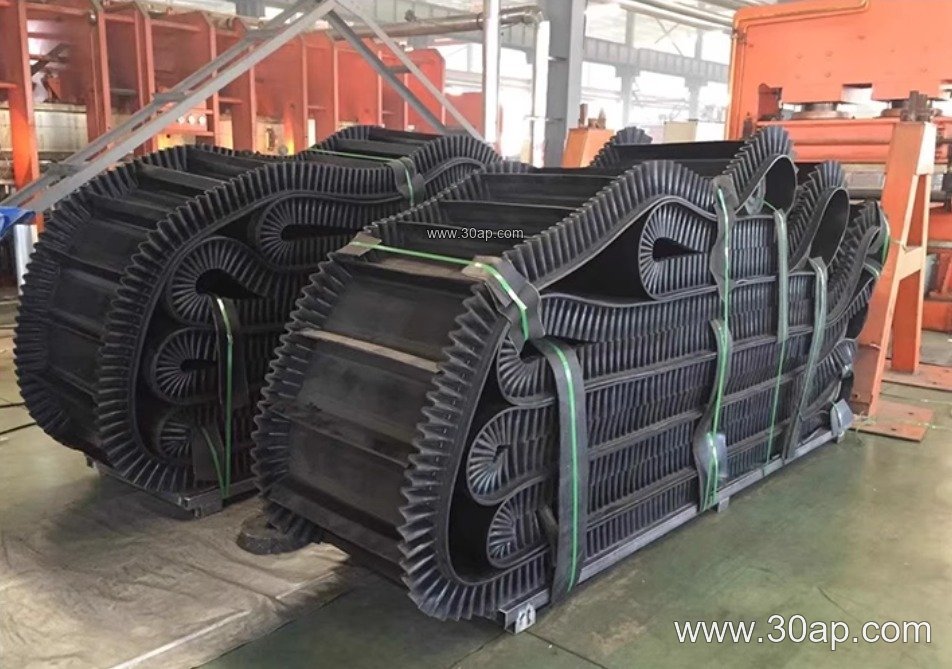
How the Belt Is Built
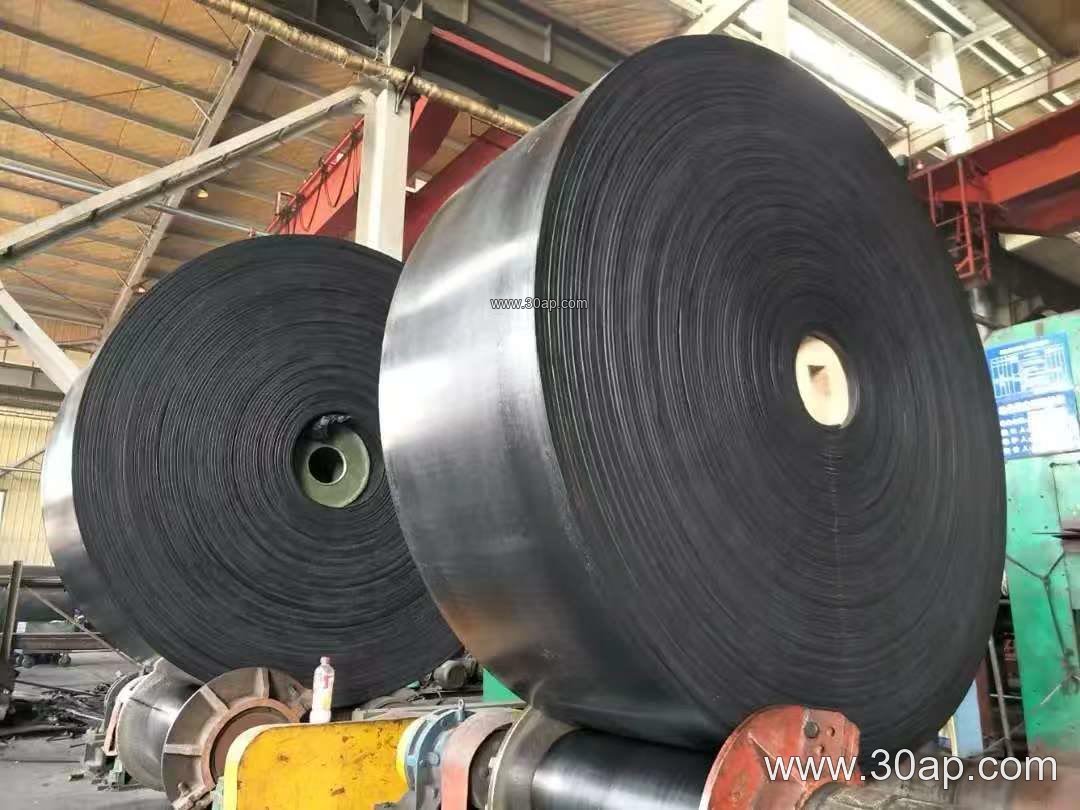
The construction usually includes one to four fabric plies, a PVC top cover, and a PVC bottom cover. The cover thickness is often expressed as a pair of numbers, such as 2+1 mm or 3+1.5 mm, meaning top cover plus bottom cover. The fabric core may be interwoven or dipped in PVC paste to bond the layers. Surface patterns can be added for grip on inclines, and corrugated sidewalls or cleats can be vulcanized or welded to the edges for steep-angle conveying. Buyers should confirm the number of plies, the cover thickness, and the splice method with the supplier, because values vary by manufacturer and by belt width.
Where It Is Used
PVC belts appear in food processing, packaging, recycling, and light assembly, as well as in some quarry and sand making plant circuits where rubber belts would be over-specified. In a cement plant, they may handle additives or bagged material on short conveyors. In a port or ship loading line, they are less common than heavy-duty fabric or steel cord belts, but they can serve auxiliary lines. A PVC conveyor belt is also used on package sorting systems and on belt conveyors that run around relatively small pulleys. For comparison, an abrasion resistant conveyor belt with a rubber cover is generally preferred for sharp rock and ore, while a chevron conveyor belt is chosen for steep inclines; these are different products, not interchangeable names.
Specifications and Selection Notes
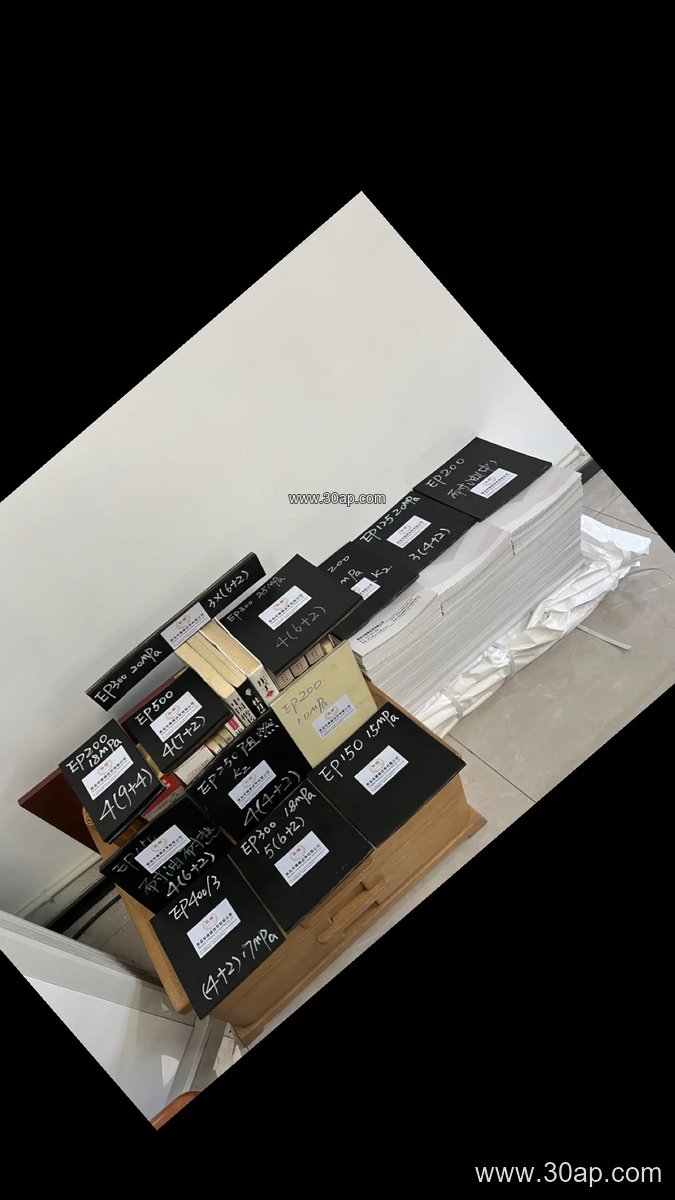
The table below lists common reference values; they are not universal supply promises. Belt width and pulley diameter must be matched by the conveyor designer, and one belt width does not dictate a single pulley size or shaft diameter.
| Parameter | Common Reference Range | Notes |
|---|---|---|
| Belt width | B500, B650, B800, B1000, B1200, B1400 | Final width depends on troughing idlers and material profile |
| Cover thickness | 2+1 mm, 3+1.5 mm, 4+2 mm | Top and bottom cover; thicker covers suit more abrasive duty |
| Fabric plies | 2 to 4 plies | More plies increase tensile strength but reduce flexibility |
| Surface | Smooth, matte, or patterned | Patterns improve grip; cleats and sidewalls are optional |
When selecting a PVC belt, consider the material weight, the incline angle, the smallest pulley in the drive, and the ambient temperature. A cold resistant conveyor belt may be needed in unheated yards, and an anti-static conveyor belt may be required where static buildup is a concern. For food contact, ask for a food grade conveyor belt declaration. Keep in mind that PVC belts have lower heat tolerance than rubber belts, so they are not suitable for hot clinker, sinter, or asphalt.
Installation and Maintenance Basics
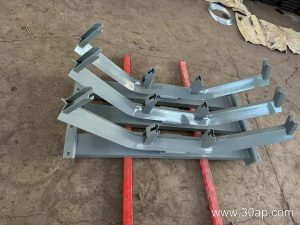
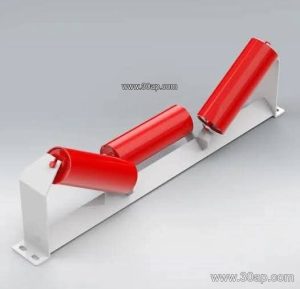
Proper alignment of the conveyor pulley, idler roller, and conveyor bracket helps prevent edge damage. Check that the belt runs centered and that the take-up has enough travel. Clean the belt surface regularly, especially in recycling and food lines, and inspect splices for separation. Avoid sharp transitions and keep the load centered to reduce mistracking. Store spare belts in a cool, dry place away from direct sunlight. For heavy mining duties, a fabric core conveyor belt with a rubber cover or a steel cord conveyor belt is usually more appropriate than a PVC belt, and a skirted conveyor belt or corrugated sidewall conveyor belt may be needed to contain material on steep sections.
Buyers should request the belt data sheet, confirm the cover compound and ply count, and verify that the belt width matches the conveyor frame. For a reliable quote, describe the material, capacity, pulley diameters, and environment rather than specifying only a belt width.