Understanding the Belt Conveyor Tail Pulley
The belt conveyor tail pulley is a critical component located at the rear end of a conveyor system, opposite the drive. Its primary function is to support and guide the return side of the conveyor belt, maintaining proper tension and alignment as the belt cycles through the loading and discharge zones. Unlike the drive pulley, which transmits power, the tail pulley is typically an idler-type roller that rotates freely, though in some tensioning arrangements it may be mounted on a movable frame. It works in tandem with the conveyor belt and idler rollers to ensure smooth, efficient material transport in industries ranging from mining to power generation.
Construction and Key Features
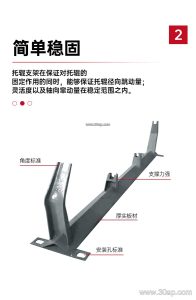
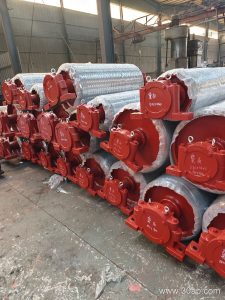
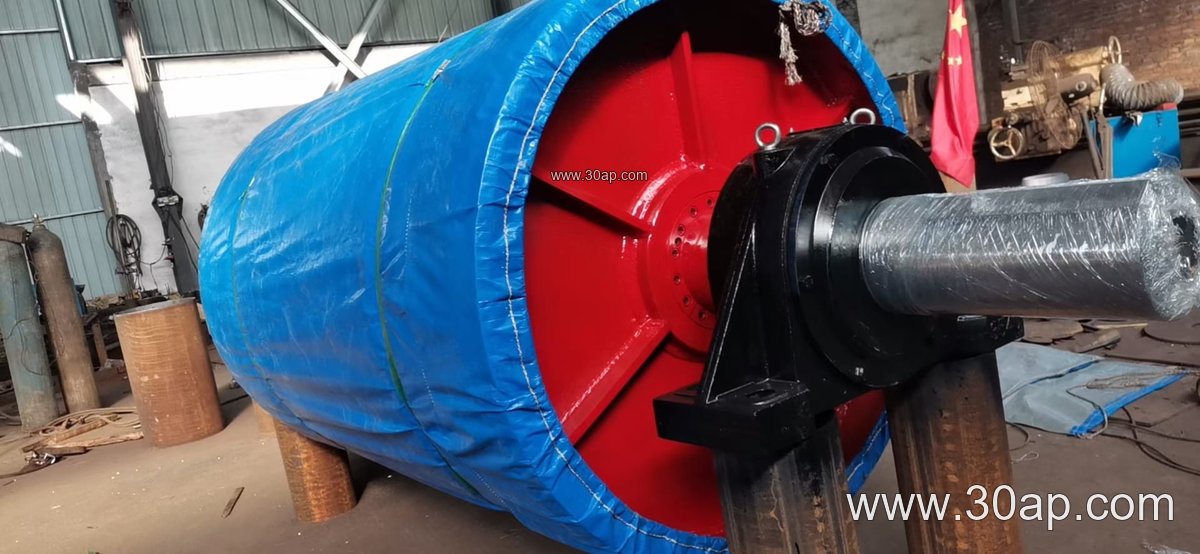
A tail pulley is built for durability and reliability under continuous operation. The core is usually a steel drum, machined to precise tolerances, with shaft ends extending for bearing mounting. The pulley surface may be plain or covered with rubber lagging to improve grip and protect the belt. Common lagging types include plain rubber, diamond pattern, and ceramic tiles, with thicknesses often ranging from 8 mm to 20 mm depending on the application. The pulley is supported by heavy-duty bearings housed in bearing blocks, which are mounted to the conveyor frame via conveyor brackets. Shaft diameters are selected based on torque and load requirements, with common sizes such as Ø80, Ø100, Ø120, and Ø140 mm, but the exact specification must be determined by the conveyor designer.
Where It Is Used
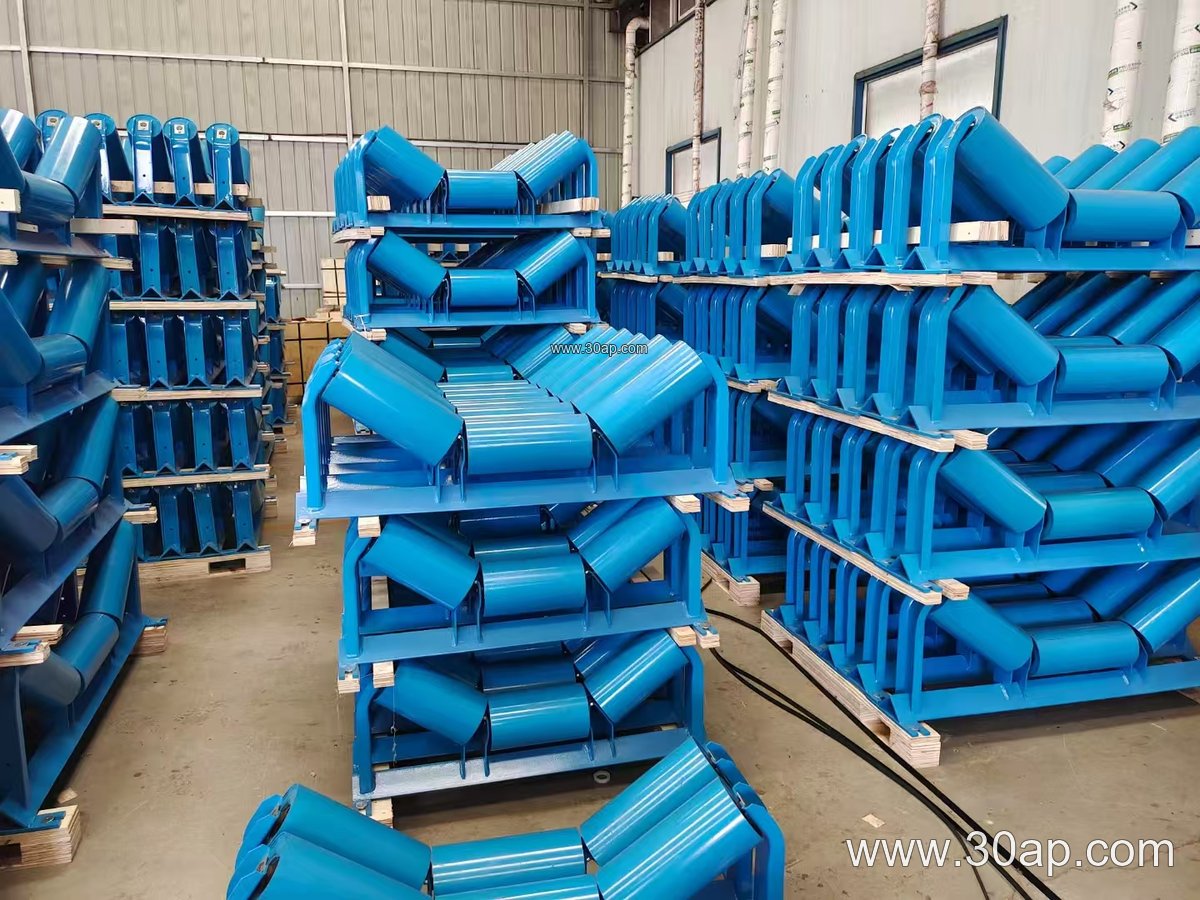
The tail pulley is indispensable in bulk material handling systems across various sectors. In a coal mining operation, it helps maintain belt tension on the return run, ensuring that the flame retardant conveyor belt stays aligned even under heavy loads. In a cement plant, the tail pulley supports the belt as it returns from the head pulley, often working with abrasion resistant conveyor belts to handle clinker and limestone. Similarly, in a quarry or aggregate line, the tail pulley ensures the belt tracks correctly, reducing spillage and extending belt life. It is also found in port facilities, steel plants, and fertilizer production, where reliable conveyor operation is essential.
Specifications and Selection Considerations
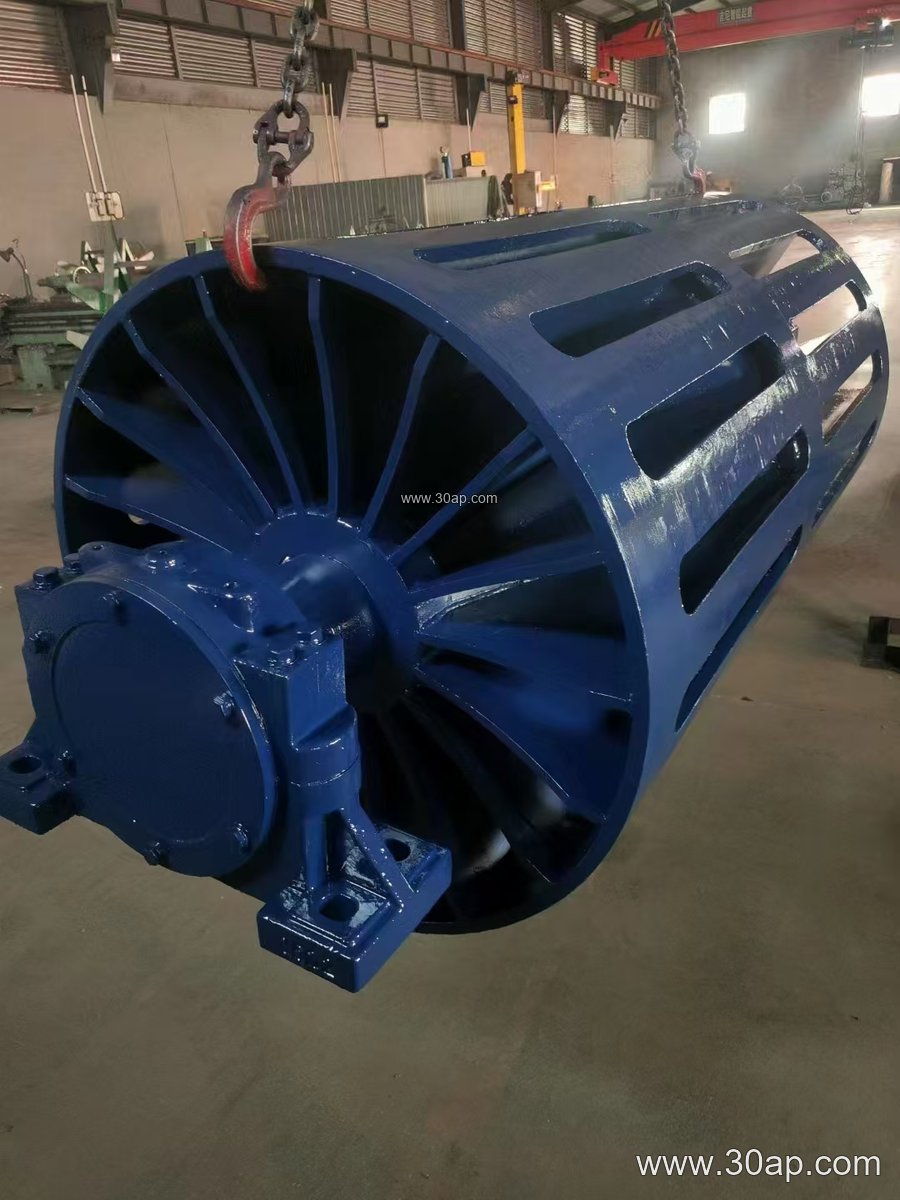
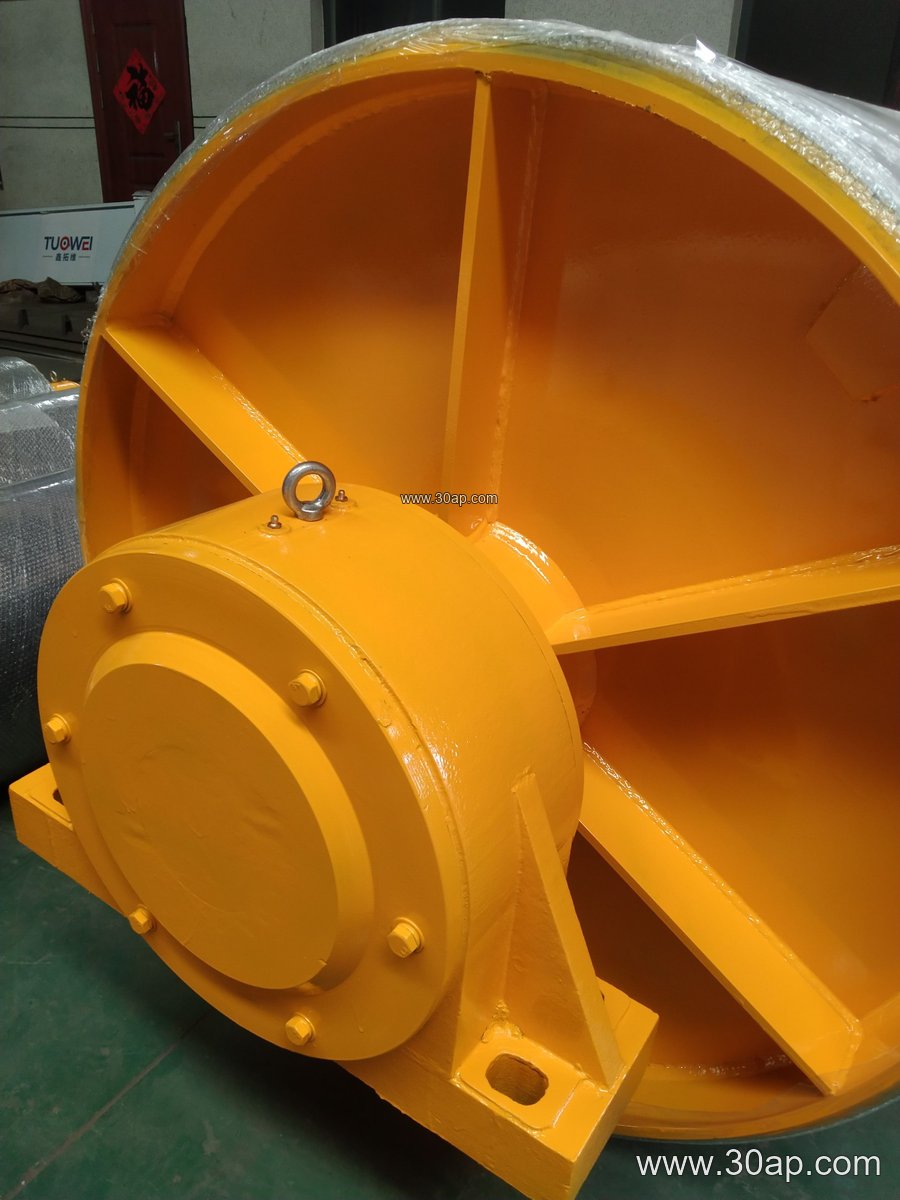
When selecting a belt conveyor tail pulley, engineers consider belt width, pulley diameter, shaft size, and lagging type. The pulley face width is typically slightly wider than the belt to accommodate misalignment; for example, a B800 belt might use a pulley with a face width around 950 mm, while a B1200 belt could require approximately 1400 mm. Diameters commonly range from Ø200 to Ø800 mm, with larger diameters used for higher tension and thicker belts. The table below lists some typical combinations for reference, but these are not mandatory and should be verified against the specific conveyor design.
| Belt Width (mm) | Pulley Diameter (mm) | Face Width (mm) | Shaft Diameter (mm) |
|---|---|---|---|
| B500 | Ø250 | 600 | Ø60 |
| B650 | Ø315 | 750 | Ø80 |
| B800 | Ø400 | 950 | Ø100 |
| B1000 | Ø500 | 1150 | Ø120 |
| B1200 | Ø630 | 1400 | Ø140 |
| B1400 | Ø800 | 1600 | Ø160 |
Note that these values are indicative and should not be taken as fixed pairings. The shaft diameter, in particular, must be calculated based on the actual torque and radial loads, not simply derived from belt width. Lagging selection also matters: for abrasive materials like iron ore, a ceramic lagging may be preferred, while a diamond pattern rubber lagging offers good grip in wet conditions. The tail pulley must also be compatible with the conveyor belt type, whether it is an EP conveyor belt, a steel cord conveyor belt, or a heat resistant conveyor belt, to ensure optimal performance and longevity.
Maintenance and Buyer Guidance
Regular inspection of the tail pulley is essential to prevent unplanned downtime. Check for lagging wear, bearing condition, and alignment. Misalignment can cause belt tracking issues and premature wear on both the pulley and the conveyor belt. Lubricate bearings according to the manufacturer’s schedule and replace worn lagging promptly. When purchasing a tail pulley, provide the supplier with detailed specifications: belt width, expected tension, material being conveyed, environmental conditions, and any special requirements such as fire resistance or anti-static properties. Remember that the tail pulley is not interchangeable with a drive pulley or a bend pulley; each has a distinct role in the conveyor system. For reliable operation, source tail pulleys from reputable manufacturers who can tailor the design to your specific conveyor layout. Visit our site for more information on conveyor pulleys and related components like idler rollers and conveyor brackets.