What an Iron Ore Conveyor Pulley Does
An iron ore conveyor pulley is the cylindrical rotating component that turns an ore conveyor belt, supports its path, and transfers drive force at the head or tail of a bulk handling line. In a crushing and screening circuit, a sinter plant feed line, or a port stockyard, this drum-shaped part works under constant abrasion, heavy loads, and often dusty or wet conditions. It is not a passive roller; it is a structural machine element that must match the belt, the frame, and the duty cycle.
Buyers often search for this part as an ore conveyor drum or a heavy-duty mining conveyor pulley. Those names describe the same assembly: a shell, shaft, hubs, bearing housings, and a lagged surface where grip matters.
How the Assembly Is Built
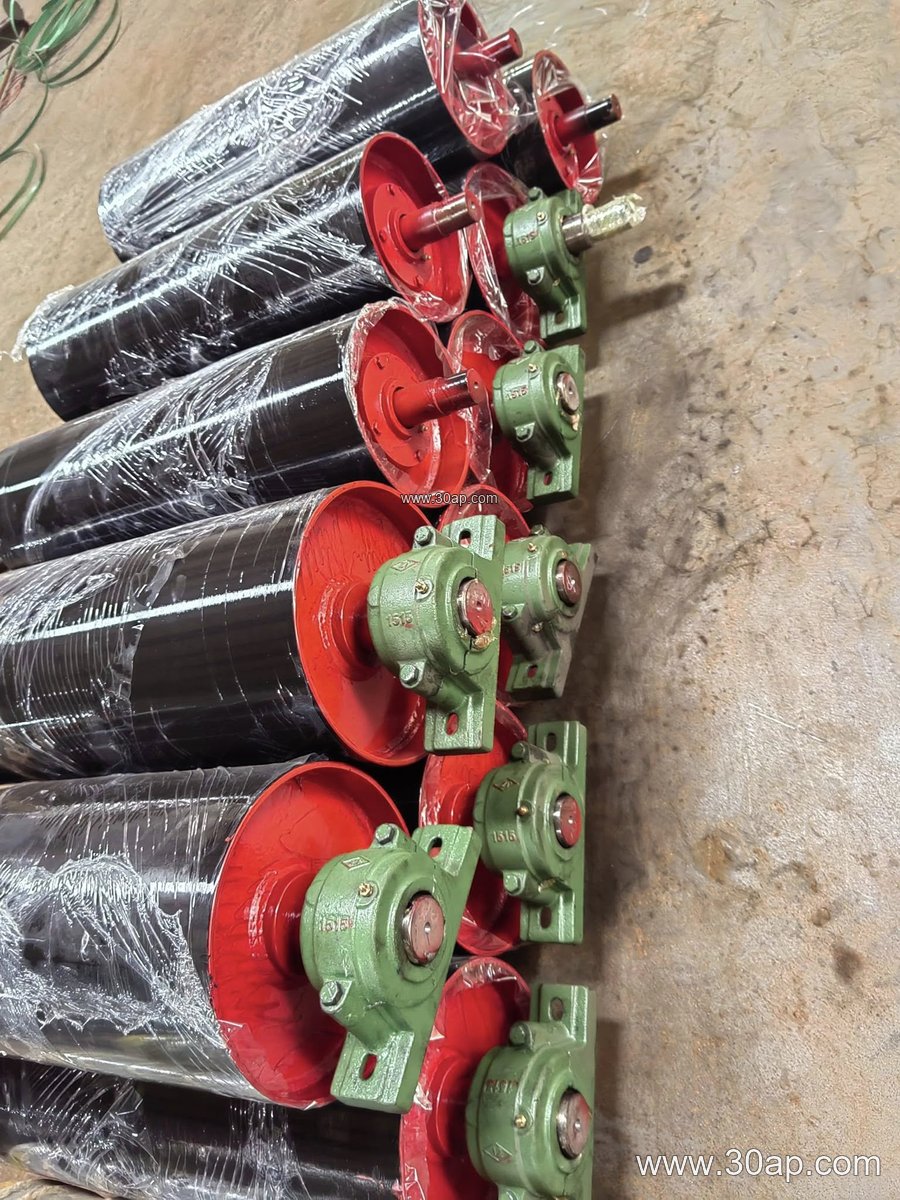
The core is a rolled steel shell welded to end discs and a through shaft. Bearings sit in housings on both sides, and the whole unit mounts on a conveyor bracket or frame. Surface treatment separates a basic unit from a long-life one:
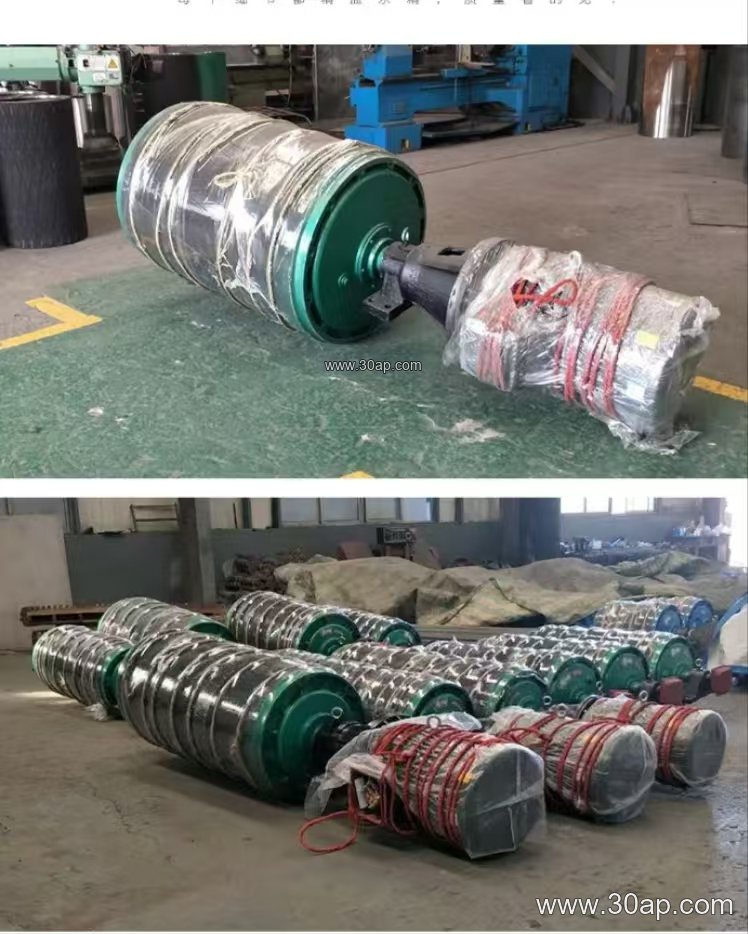
- Plain finish for light, clean duty
- Rubber lagging applied cold or vulcanized hot
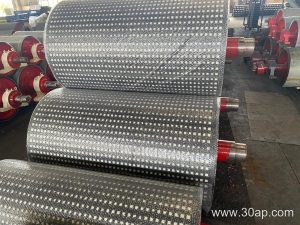
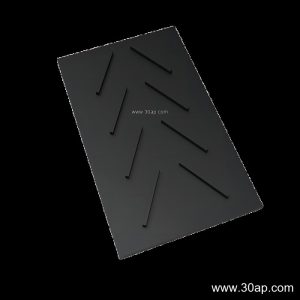
- Diamond or herringbone grooves for wet, slippery ore
- Ceramic tiles for extreme abrasion at the discharge end
Lagging thickness commonly runs 8, 10, 12, 15, or 20 mm depending on belt tension and material. The pulley face width usually exceeds belt width so the belt is fully supported. For example, a B800 belt often runs on a face around 950 mm, while B1200 pairs with roughly 1400 mm. These are typical references, not fixed rules.
Sizes and Shaft Diameters
Diameter and shaft size follow torque, load, and belt speed rather than belt width alone. A B1200 × Ø1000 combination is common on main drives, but a B800 × Ø500 unit may serve a shorter transfer. Shaft diameters such as Ø80, Ø100, Ø120, or Ø160 are selected by calculation, never copied from a width chart.
| Reference Item | Typical Range |
|---|---|
| Belt width | B400 to B2400 |
| Pulley diameter | Ø200 to Ø1800 |
| Lagging thickness | 8 to 20 mm |
| Shaft diameter | Ø50 to Ø200 |
Face width, hub style, and bearing type are confirmed against the conveyor drawing. A supplier who asks for the belt tension and the mounting position is doing the job correctly.
Where It Fits in the Line
Position changes the job. A drive pulley at the head pulls the belt and needs high friction lagging. A tail pulley at the loading point guides the return side and may need a self-cleaning surface. A bend pulley changes belt direction without driving. These are different roles; a bend drum cannot replace a drive drum just because the diameter looks similar. In a coal mining conveyor belt line or an aggregate conveyor belt system, matching the right position prevents slip, misalignment, and premature belt wear.
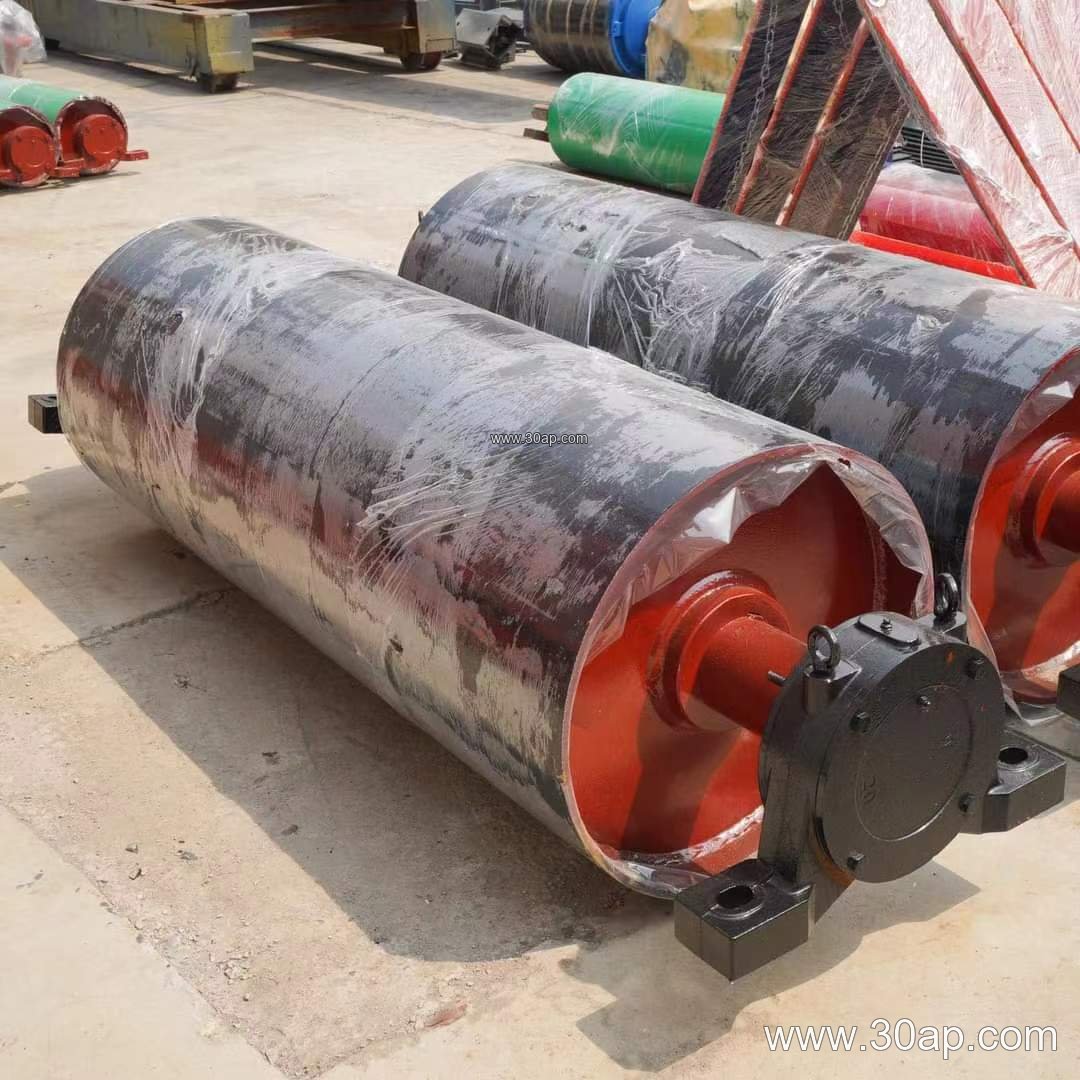
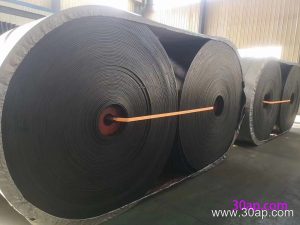
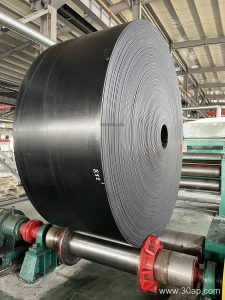
Ore conveyors usually run with an abrasion resistant conveyor belt or a steel cord conveyor belt on long hauls. The pulley lagging and the belt cover should be chosen together, since a hard belt on smooth lagging slips in wet weather.
Buyer Checklist
- Confirm belt width, pulley face width, and diameter from the layout drawing
- State the mounting position: head, tail, bend, or take-up
- Describe the ore: lump size, moisture, temperature, and dust
- Specify lagging type and thickness for grip and wear life
- Provide belt tension and speed so shaft and bearings are sized correctly
- Check bearing housing fit and bracket dimensions before ordering
For a quarry conveyor belt or a cement plant clinker line, the same rules apply. Keep spare pulleys matched to the original drawing, and inspect lagging wear at each shutdown. A worn surface costs more in belt slip than a replacement drum costs to buy.
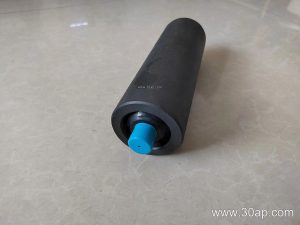
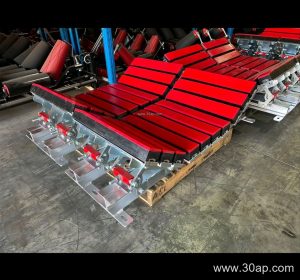
Related equipment such as the idler roller, conveyor bracket, and the belt itself should be reviewed as one system. For reference drawings and pulley options, visit www.made-in-china.com or search for conveyor pulley, iron ore conveyor pulley, and conveyor drum specifications.