What an Acid Resistant Conveyor Belt Is
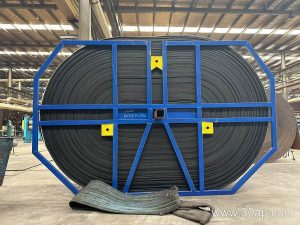
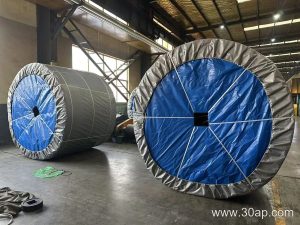
An Acid Resistant Conveyor Belt is a rubber conveyor belt built to carry materials or operate in areas where acidic residues, splashes, or vapors would attack an ordinary belt cover. It is a chemical-duty variant of the standard fabric or steel reinforced belt, and the difference lies mainly in the compound used for the top and bottom covers, and sometimes in the carcass protection between plies. The belt still has to run on the same conveyor pulley, idler roller and conveyor bracket arrangement as any other belt, so it must combine chemical tolerance with normal mechanical strength.
Buyers often meet this product under the equivalent name acid and alkali resistant conveyor belt, since many compounds are formulated to resist both acidic and alkaline attack. The subtype qualifiers matter: an acid resistant belt is not automatically a heat resistant conveyor belt or an oil resistant conveyor belt, and it should not be ordered as a substitute for those duties without checking the compound data.
How the Belt Is Constructed
The carcass provides tensile strength and troughability, while the covers provide the chemical barrier. Common constructions include:
- Fabric core conveyor belt with EP or NN plies, usually 2 to 6 plies depending on load.
- Multi-ply fabric core conveyor belt for heavier tension and wider spans.
- Steel cord conveyor belt where very high strength and low elongation are required.
The cover compound is the critical element. Acid resistant covers are typically based on rubber grades selected to slow swelling, cracking and hardening when exposed to dilute acids, acidic slurry, or damp acidic dust. Cover thickness is often specified in pairs such as 4+2 mm, 5+2 mm or 6+2 mm, meaning top cover plus bottom cover. A thicker top cover extends service life where splash or carry-back is constant, but it does not replace correct compound selection.
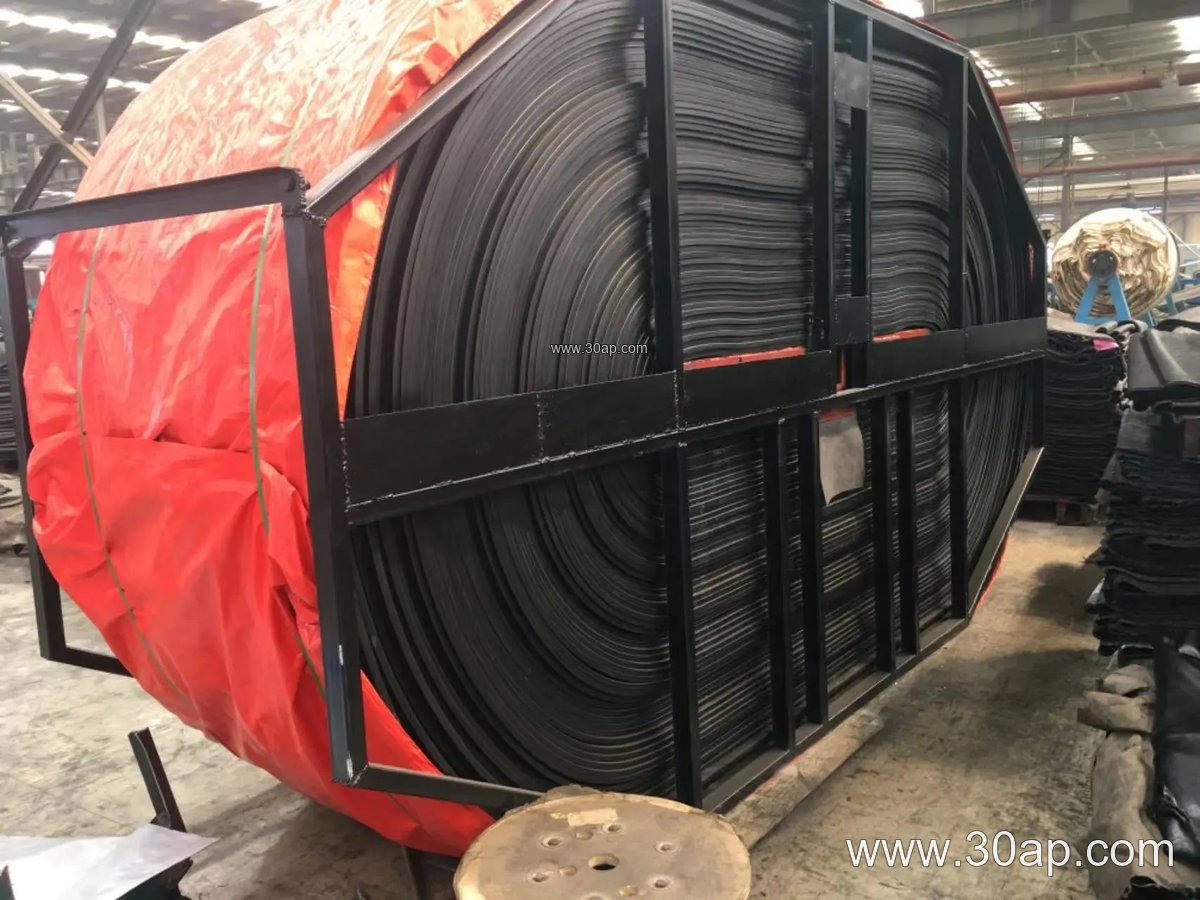
Edge protection also matters. Cut edges expose fabric plies to wicking, so sealed edges or molded edges are often preferred in wet acid service.
Where It Is Used
Acid resistant belting appears in fertilizer plants, chemical processing areas, phosphoric acid and sulfuric acid handling lines, certain mineral processing streams, and battery recycling or metal treatment facilities. In these plants the belt may carry acidic filter cake, damp phosphate rock, pickling residues or neutralized slurries. It also serves in parts of cement plants and power plant flue gas desulfurization systems where acidic condensate can drip onto the belt.
Mines and quarries usually focus on abrasion resistant conveyor belt grades, but an acid resistant cover may be specified where sulfide ores or acidic mine water are present. In such cases the designer may combine acid resistance with flame retardant conveyor belt requirements for underground mining conveyor belt installations.
Specification Reference Data
The values below are common reference points only. Actual supply is confirmed by the manufacturer’s data sheet and the conveyor design.
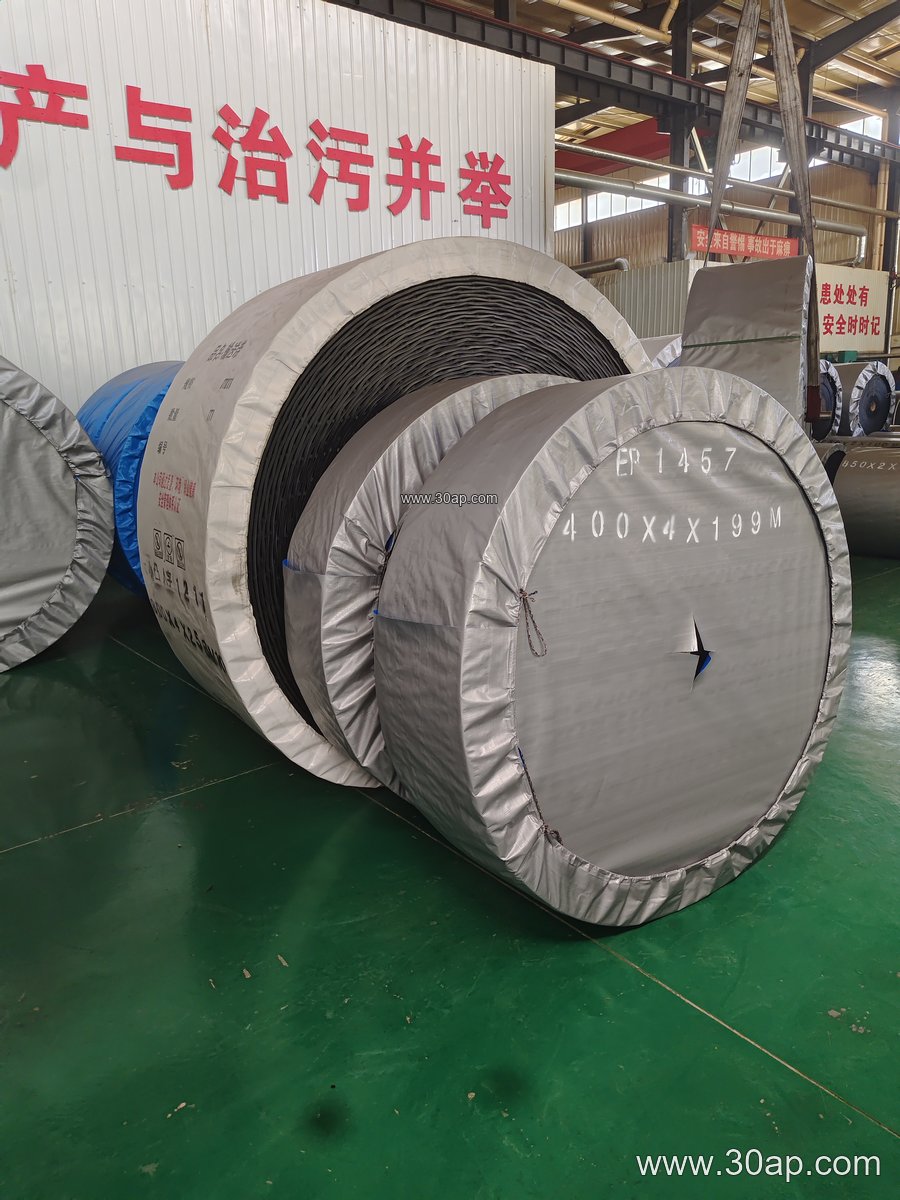
| Parameter | Typical reference values |
|---|---|
| Fabric type | EP conveyor belt, NN conveyor belt |
| Strength grades | EP200, EP315, EP400, EP500, EP630, EP800, EP1000, EP1250 |
| Belt width | B500, B650, B800, B1000, B1200, B1400, B1600 |
| Cover thickness | 3+1.5, 4+2, 5+2, 6+2, 8+3 mm |
| Carcass plies | 2 to 6 layers, by design |
Width and strength are selected together with the conveyor pulley diameters and the idler roller spacing. A wider belt does not dictate one fixed pulley size, and shaft dimensions must come from the conveyor designer rather than from belt width alone.
Selection and Maintenance Notes
Before ordering, identify the acid type, concentration, temperature and whether the exposure is splash, immersion or vapor. Dilute acid at ambient temperature is a very different duty from hot concentrated acid. Confirm the cover compound, cover thickness, carcass type and edge style in writing.
On the conveyor itself, check that the conveyor pulley lagging and the idler roller frames are also suitable for the environment, since a corrosion-resistant belt running on corroding components will still fail early. Keep the belt tracking well, remove acidic spillage promptly, and wash down according to the plant procedure. Inspect cover cracking, edge wicking and ply separation at regular intervals. Where the same line also carries hot material, a heat resistant conveyor belt grade may be needed instead of, or in combination with, acid resistance. For general chemical exposure, a chemical resistant conveyor belt compound is the broader category to discuss with the supplier.
For plant operators sourcing replacement belts, matching the original specification and the actual duty condition is more reliable than choosing by width or strength alone.