What Makes a Highly Wear-Resistant Idler Different
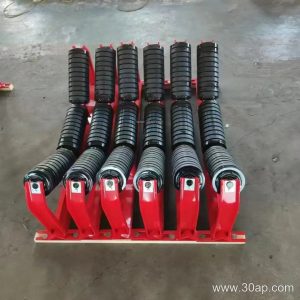
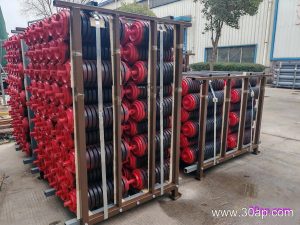
A Highly Wear-Resistant Idler is a conveyor idler roller built to endure abrasive, heavy-load conditions where standard idlers fail quickly. While any idler supports the conveyor belt, this variant focuses on extending service life in punishing environments such as quarries, coal preparation plants, and cement kilns. The difference lies in material selection, seal design, and structural reinforcement—not just a thicker wall.
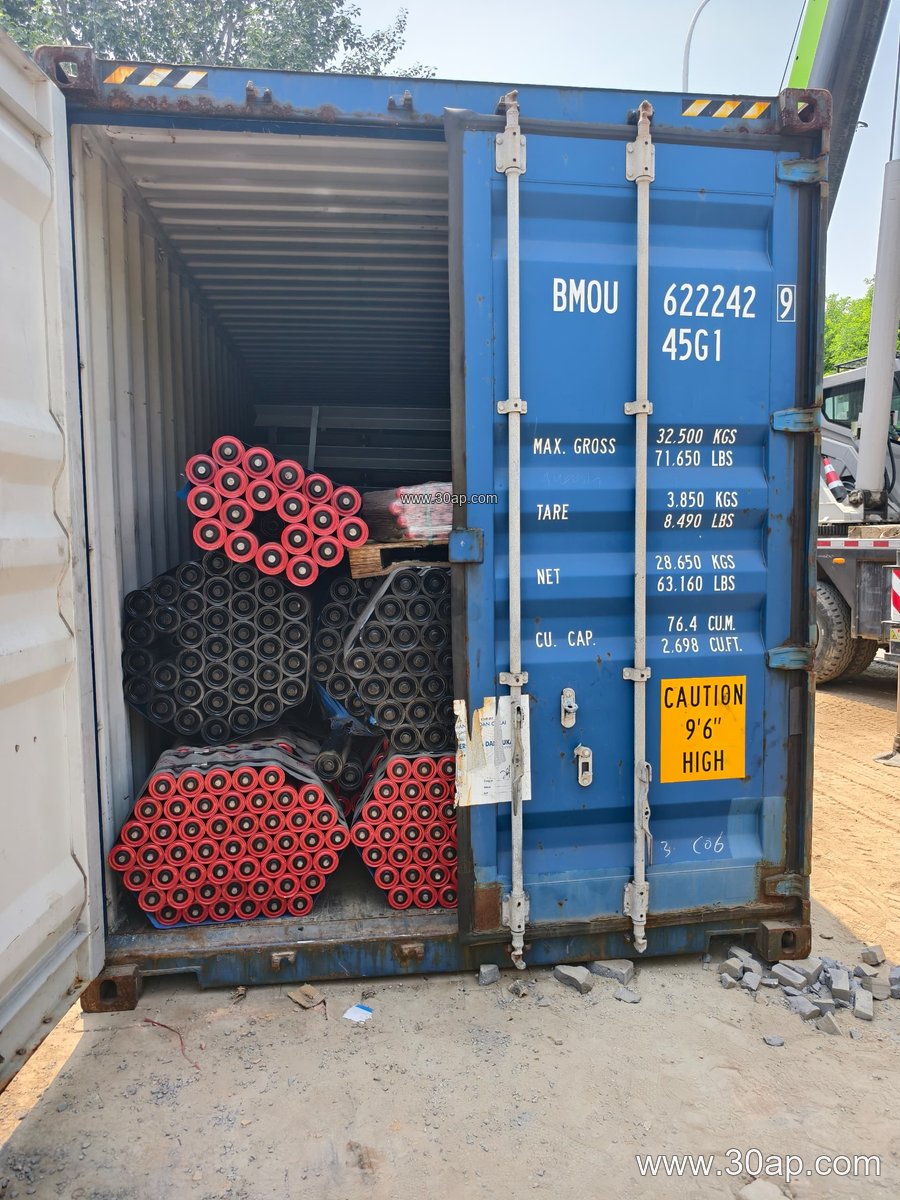
In a typical conveyor line, the idler roller rotates under the belt, carrying the weight of material and absorbing constant friction. A highly wear-resistant version uses a hardened steel shell or a specialized polymer coating to resist abrasion from fines and sharp particles. This reduces downtime and maintenance costs in continuous operations like a crusher conveyor or a bulk material handling system.
Construction and Key Components
The core of a highly wear-resistant idler is its roller shell. Common materials include:
- Thick-walled steel tube with increased wall thickness (often 4–6 mm) and optional hardening treatment.
- Nylon or ceramic-coated surface for sliding abrasion resistance in fine-material applications.
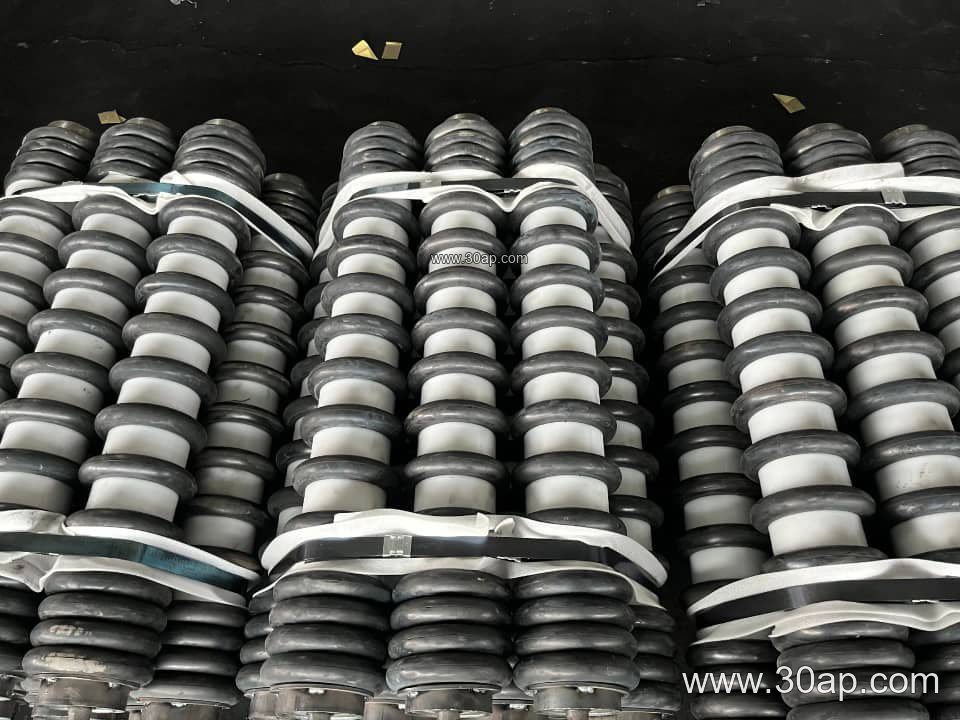
- Rubber rings or discs for impact absorption in buffer idlers, though these are a separate subtype.
Bearings are typically sealed for life to prevent dust ingress. Standard bearing sizes such as 6205, 6305, or 6308 are common, but the choice depends on load and speed—not on a fixed match with roller diameter. Shaft ends are machined to fit conveyor brackets, and the entire assembly is balanced for smooth rotation.
Sealing is critical: a labyrinth seal or triple-lip seal keeps out water and grit, which are the main causes of premature bearing failure in mining and aggregate operations.
Where It Performs Best
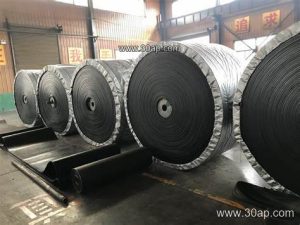
You will find highly wear-resistant idlers in the toughest segments of a conveyor system. In a limestone quarry, they support the belt after the primary crusher, where sharp rock fines are present. In a coal washing plant, they handle wet, abrasive slurry. In a cement plant, they carry clinker and raw meal at high temperatures—though for extreme heat, a heat resistant conveyor belt may be paired with heat-resistant idlers.
They are also used in iron ore and copper ore handling, where heavy lumps and sharp edges demand extra durability. In these settings, the idler must resist not only abrasion but also impact; a buffer idler with rubber rings might be used at transfer points, while the wear-resistant idler handles the long carry section.
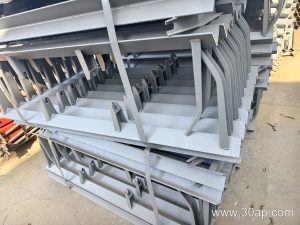
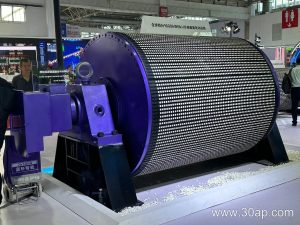
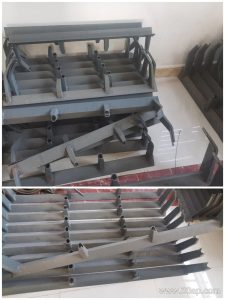
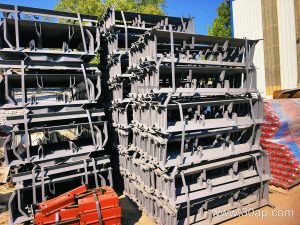
For a complete system, the idler works alongside the conveyor pulley (drive, tail, or bend) and the conveyor bracket. Note that drive, tail, and bend pulleys are distinct components and not interchangeable with idlers.
Specifications and Selection Guidance
Highly wear-resistant idlers are available in a range of sizes to suit different belt widths and load requirements. The table below shows common examples—these are reference values, not universal specifications.
| Parameter | Common Options |
|---|---|
| Roller diameter | Ø89, Ø102, Ø108, Ø127, Ø133, Ø159, Ø178 mm |
| Belt width (B) | B500, B650, B800, B1000, B1200, B1400, B1600, B1800, B2000 mm |
| Trough angle | 20°, 30°, 35°, 45° |
| Roller length (3-roll trough) | Approx. 200 mm for B500, 250 mm for B650, 315 mm for B800, 380 mm for B1000, 465 mm for B1200, 530 mm for B1400, 600 mm for B1600, 670 mm for B1800, 750 mm for B2000 |
| Bearing size | 6204, 6205, 6305, 6306, 6308, 6310 (selected by load, not by diameter alone) |
| Surface form | Plain steel, nylon, ceramic, rubber ring |
Selection should consider material abrasiveness, belt speed, load weight, and environmental factors. For a highly abrasive application like a quarry conveyor belt, choose a thicker shell or ceramic surface. For a coal mining conveyor belt with flame retardant requirements, ensure the idler’s polymer components are compatible—though the idler itself is not the primary flame barrier.
When specifying, remember that roller length varies with belt width, trough angle, and idler arrangement. A three-roll trough idler for B1000 might use a 380 mm roller, but side rollers and center rollers can differ. Do not assume a fixed shaft diameter from belt width alone; consult the idler manufacturer’s design data.
Buyer Checklist for Long Service Life
- Match the idler to the material: For sharp, heavy ore, specify a thick-walled steel or ceramic idler. For sticky, wet material, a smooth nylon surface may reduce buildup.
- Check seal quality: In dusty or wet conditions, demand sealed-for-life bearings with labyrinth protection.
- Consider the full conveyor: The idler interacts with the conveyor belt, pulley, and bracket. Misalignment accelerates wear—use self-aligning idlers only where needed.
- Do not overspecify: A standard idler may suffice for light-duty lines; wear-resistant idlers add cost, so reserve them for abrasive zones.
- Plan maintenance: Even wear-resistant idlers need periodic inspection for shell wear, seal integrity, and free rotation.
For more information on idler selection for your specific conveyor belt system, contact our engineering team. We also supply related components such as conveyor pulleys and brackets to complete your installation.