What a Conveyor Bracket Quotation Covers
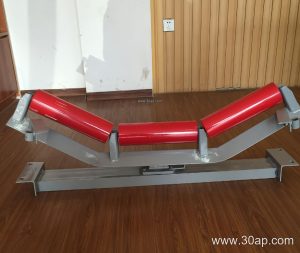
A conveyor bracket quotation is the priced breakdown a supplier prepares for the steel support structures that hold idler rollers and carry the belt along a conveyor line. In many plants the item is simply called an idler support bracket or roller bracket, but it is the same fabricated component: a frame that positions idlers at the correct angle and height. The quotation usually lists bracket types, band width ranges, trough angles, roller diameters, material, finish, and quantity, so a buyer can compare offers on equal terms.
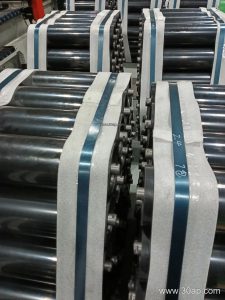
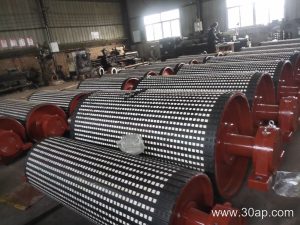
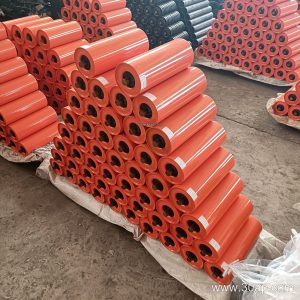
Brackets rarely travel alone. They work with the conveyor belt, the conveyor pulley at each end, and the idler roller seated inside the frame. A clear quotation helps maintenance teams in a quarry, a cement plant, or a power plant coal yard order the right parts without guessing.
How the Bracket Is Built
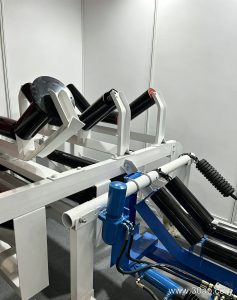
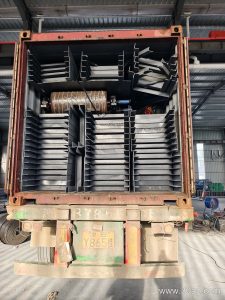
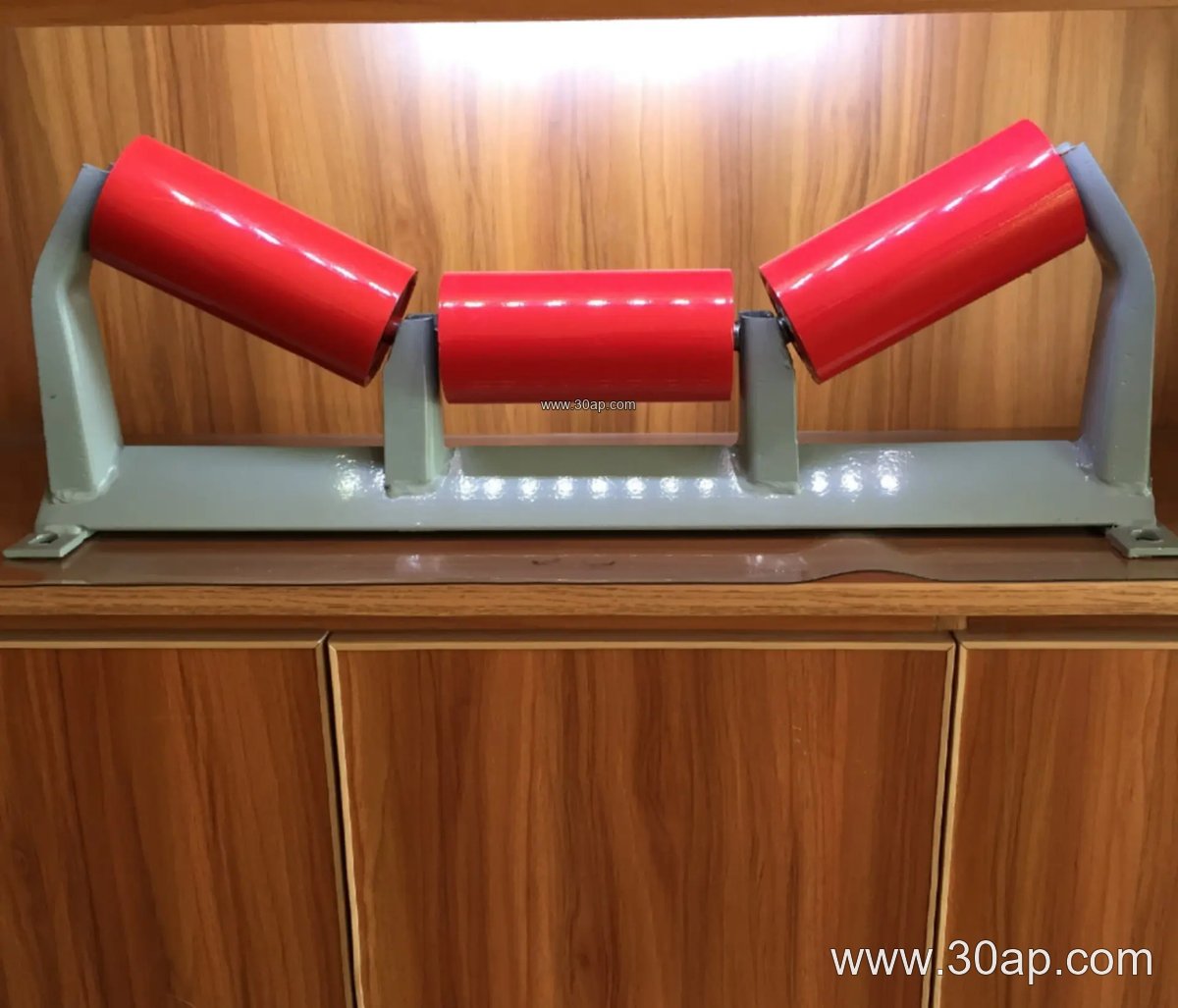
Most brackets are formed from angle steel, channel steel, or folded steel plate. The fabrication route matters: cut, drill, bend, weld, then surface treatment such as painting or galvanizing. Installation hole spacing and crossbeam length follow the belt width and trough angle, so they are set by design rather than fixed numbers.
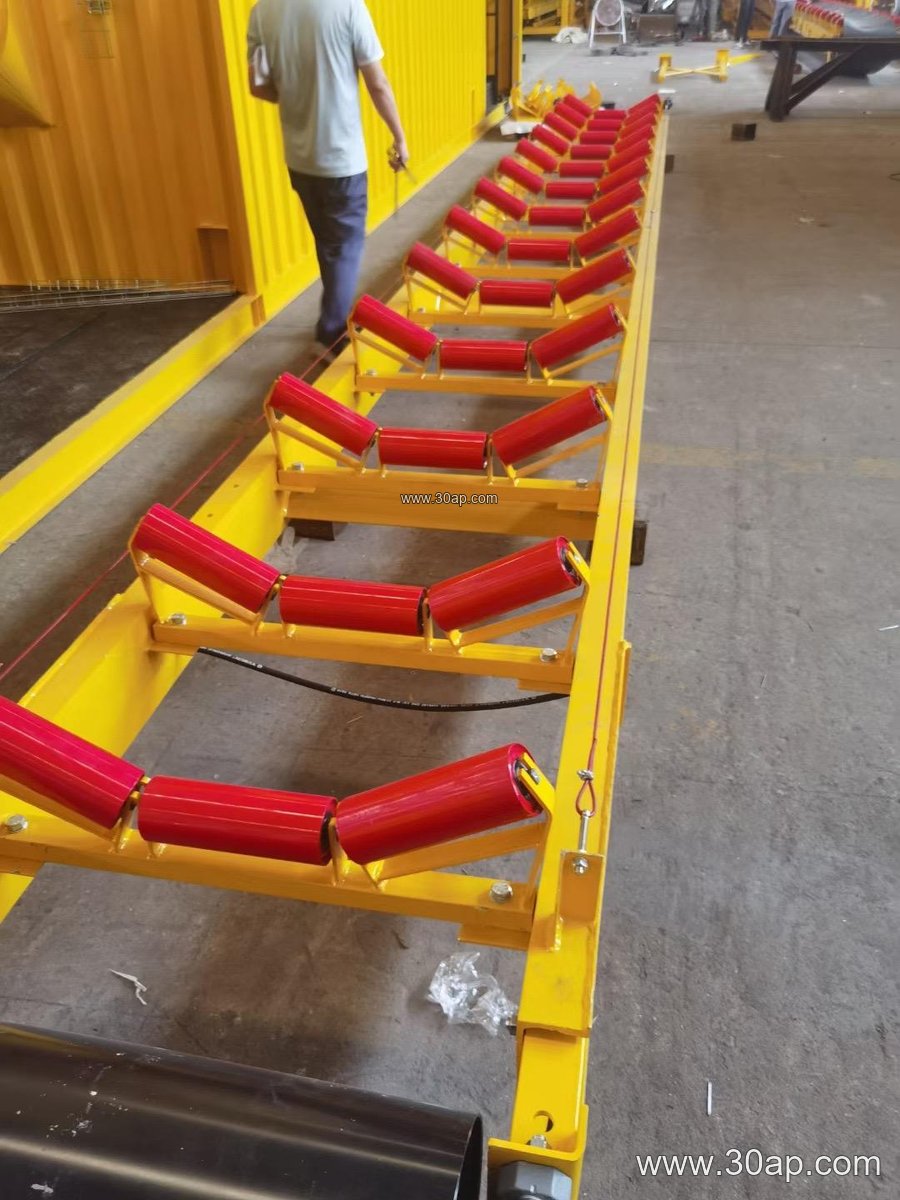
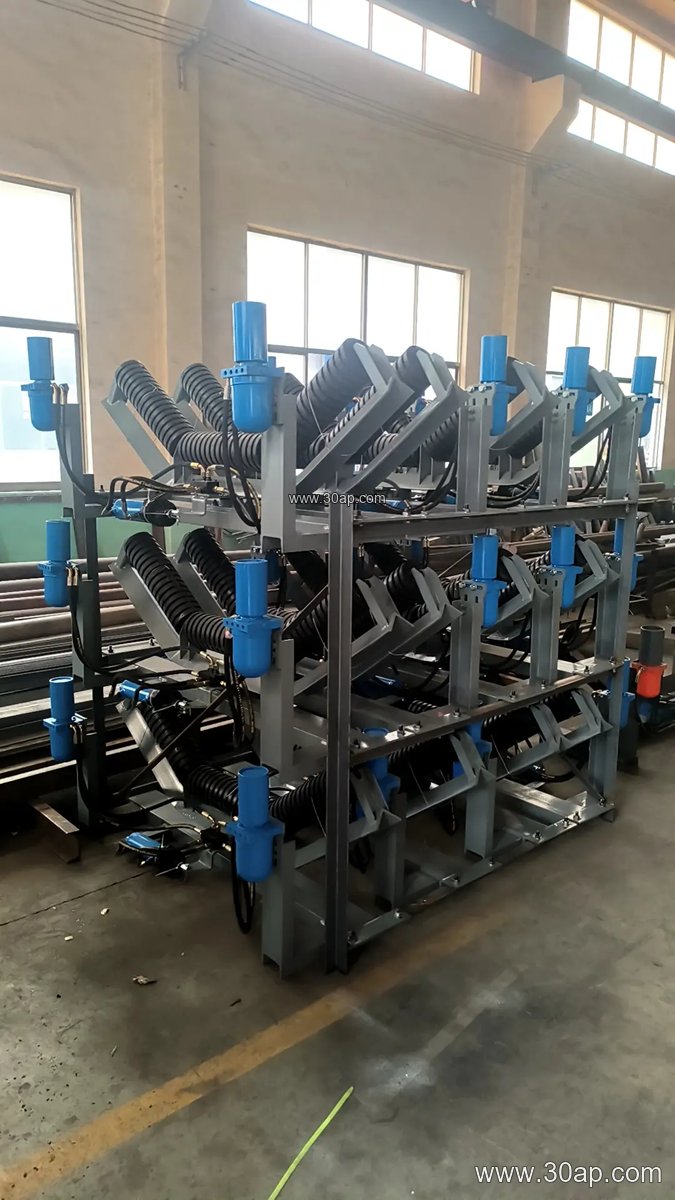
Common bracket families include trough brackets for the carrying side, return brackets and V-return brackets underneath, impact brackets at load points, self-aligning and forward-leaning brackets for belt tracking, and adjustable brackets that allow the trough angle to be changed. The table below shows typical reference data; final values depend on the conveyor design.
| Item | Typical reference range |
|---|---|
| Bracket type | Trough, return, V-return, impact, self-aligning, adjustable |
| Material | Angle steel, channel steel, folded plate |
| Belt width | B500 to B2200 |
| Trough angle | 20, 30, 35, 45 degrees |
| Roller diameter | Ø89, Ø108, Ø133, Ø159, Ø194 |
| Forward lean | Commonly about 1.5 to 2 degrees |
Where These Brackets Are Used
Support brackets appear wherever a belt conveyor runs: a limestone mine feeding a crusher, a sand and gravel line, a cement plant clinker hall, or a steel plant sinter workshop. In a coal washing plant, flame retardant and anti-static belt grades are often specified alongside sturdy trough brackets, because the support frame must stay stable under continuous load. In a port or a tunnel spoil line, adjustable and self-aligning brackets help keep a long belt centred.
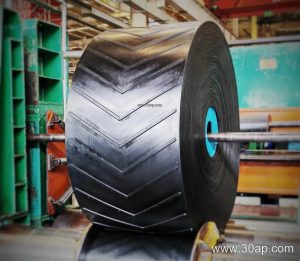
Bracket choice also interacts with belt type. A heavy-duty mining conveyor belt or a steel cord conveyor belt on a long overland run needs brackets that match the idler load; a chevron conveyor belt or corrugated sidewall conveyor belt at an incline may need different idler spacing. Buyers should mention the belt grade, such as EP conveyor belt or NN conveyor belt, when requesting a quotation.
Reading a Quotation Before You Order
A good quotation separates line items rather than giving one lump figure. Check that each row states bracket type, belt width, trough angle, roller diameter, material, surface treatment, and quantity. For example, a trough bracket for B800, 35 degrees, Ø108 is a different part from one for B1200, 45 degrees, Ø133, and the quotation should show this clearly.
- Confirm whether the price is per piece or per set, and whether idlers are included.
- Ask how installation hole spacing and crossbeam length are confirmed against the drawing.
- State the site environment: dusty quarry, wet coal yard, or high-temperature clinker area.
- Request the packing method and lead time in writing.
Because brackets are simple steel parts, buyers sometimes overlook them, yet a mismatch at installation causes rework. A precise quotation avoids that. For related conveyor components such as the conveyor belt, idler roller, and conveyor pulley, keep the same drawing references so everything fits together.
Selection Notes and Maintenance
Adjustable brackets suit lines where the trough angle may be tuned between 20 and 45 degrees; fixed brackets are simpler and often cheaper for a stable profile. Forward-leaning brackets, usually around 1.5 to 2 degrees, assist belt tracking on the carrying side. During operation, check for loose bolts, bent frames, and worn idler seats, and replace damaged brackets before they damage the belt.
When you request a conveyor bracket quotation, attach a sketch or state the belt width, angle, and roller diameter. Suppliers can then quote accurately, whether the project is a small aggregate conveyor or a long underground coal mining conveyor. Visit belt-conveyor-parts.com for conveyor belt and bracket references, and keep your spare parts list consistent across the whole line.