What a Double-Row Return Idler Does
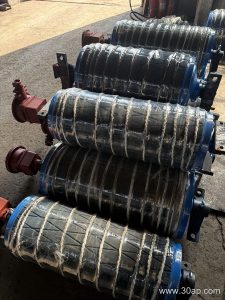
A double-row return idler is a support roller assembly mounted under the return strand of a conveyor belt. Unlike a single flat return roller, it uses two rows of rollers—often arranged in a V or staggered pattern—to cradle the belt and reduce sag. This design helps keep the belt tracking straight, especially on long overland conveyors or in dusty, high-tonnage operations such as a copper mine or a cement plant. The double-row return idler is also known as a two-row return roller, and it is a distinct subtype of return idler, not interchangeable with troughing idlers or impact rollers.
Construction and Key Components
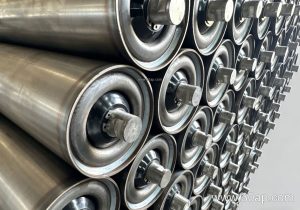
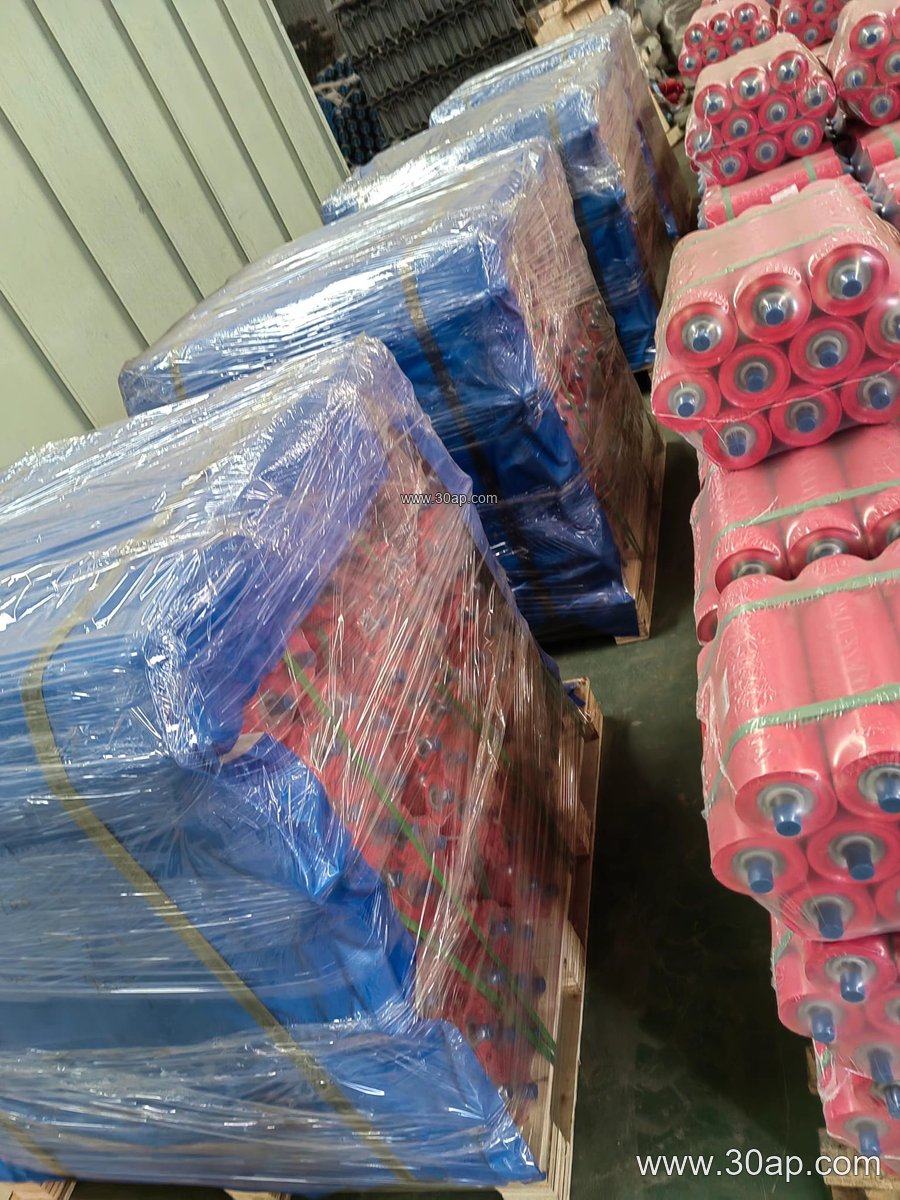
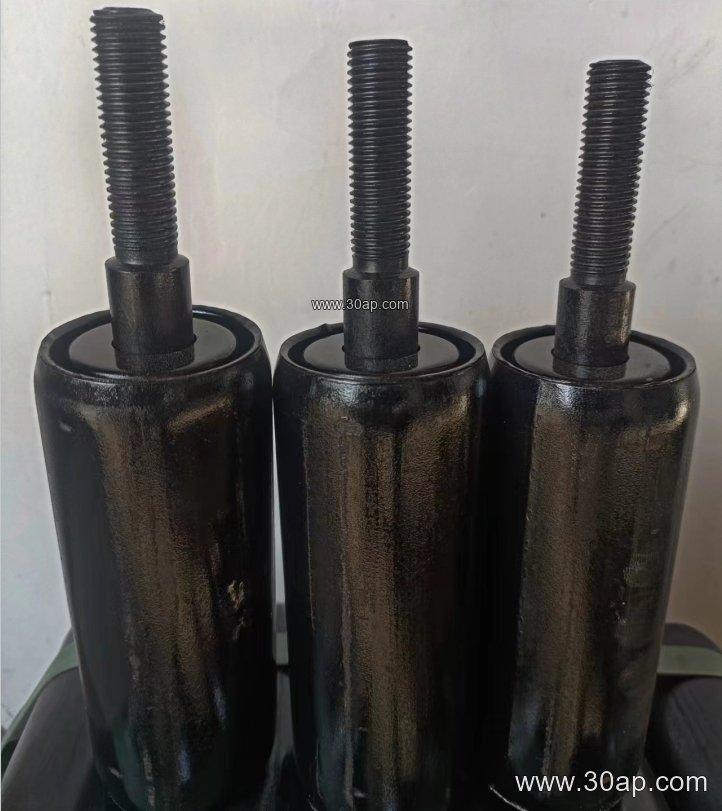
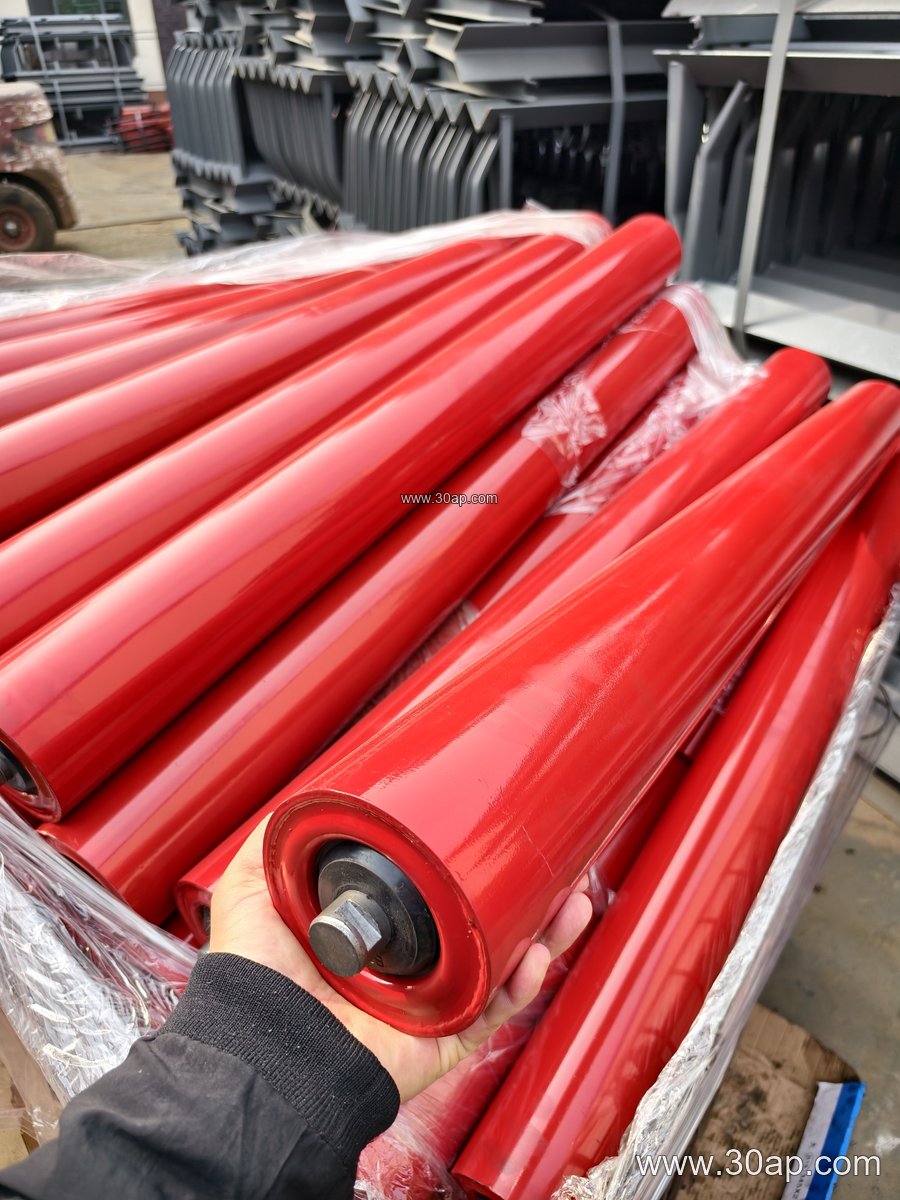
Each double-row return idler typically consists of a sturdy steel frame, two parallel roller shafts, and multiple idler rollers fitted with sealed bearings. Roller shells may be steel, nylon, or rubber-covered depending on the duty. Common roller diameters for this type include Ø89, Ø108, Ø127, and Ø133 mm, while bearing sizes such as 6205 or 6306 are selected according to load and speed. The frame is often bolted to a conveyor bracket that attaches to the stringer. The two rows are spaced to match the belt width—for example, a 1000mm wide conveyor belt might use a double-row idler with an overall frame width around 1200 mm, but exact dimensions are determined by the conveyor designer.
Where It Fits on the Conveyor
This idler is installed on the return run, after the belt has discharged material at the head pulley and before it reaches the tail pulley. In a typical bulk material handling system—whether a quarry conveyor belt or a power plant coal conveyor belt—the double-row return idler supports the empty belt and prevents it from flopping or rubbing against the structure. It is particularly useful where the belt is wide or where misalignment tends to occur, because the two rows help center the belt. Note that drive pulleys, tail pulleys, and bend pulleys are not interchangeable with return idlers; each has a separate role in the conveyor drive and tensioning system.
Common Applications and Industry Use
You will find double-row return idlers in abrasive and heavy-duty environments. In an iron ore conveyor belt system, they help manage the weight of a thick, heavy-duty mining conveyor belt. In a sand and gravel plant, they keep a 1200mm wide conveyor belt running true even with uneven loading. Other typical sites include limestone mines, coal preparation plants, and port ship-loading conveyors. The idler works alongside the conveyor belt, conveyor pulley, and conveyor bracket to maintain continuous material flow. For very abrasive conditions, a rubber-covered roller shell can extend service life, while a flame retardant conveyor belt may be used in underground coal mining conveyor belts where fire safety is critical.
Selection and Sizing Notes
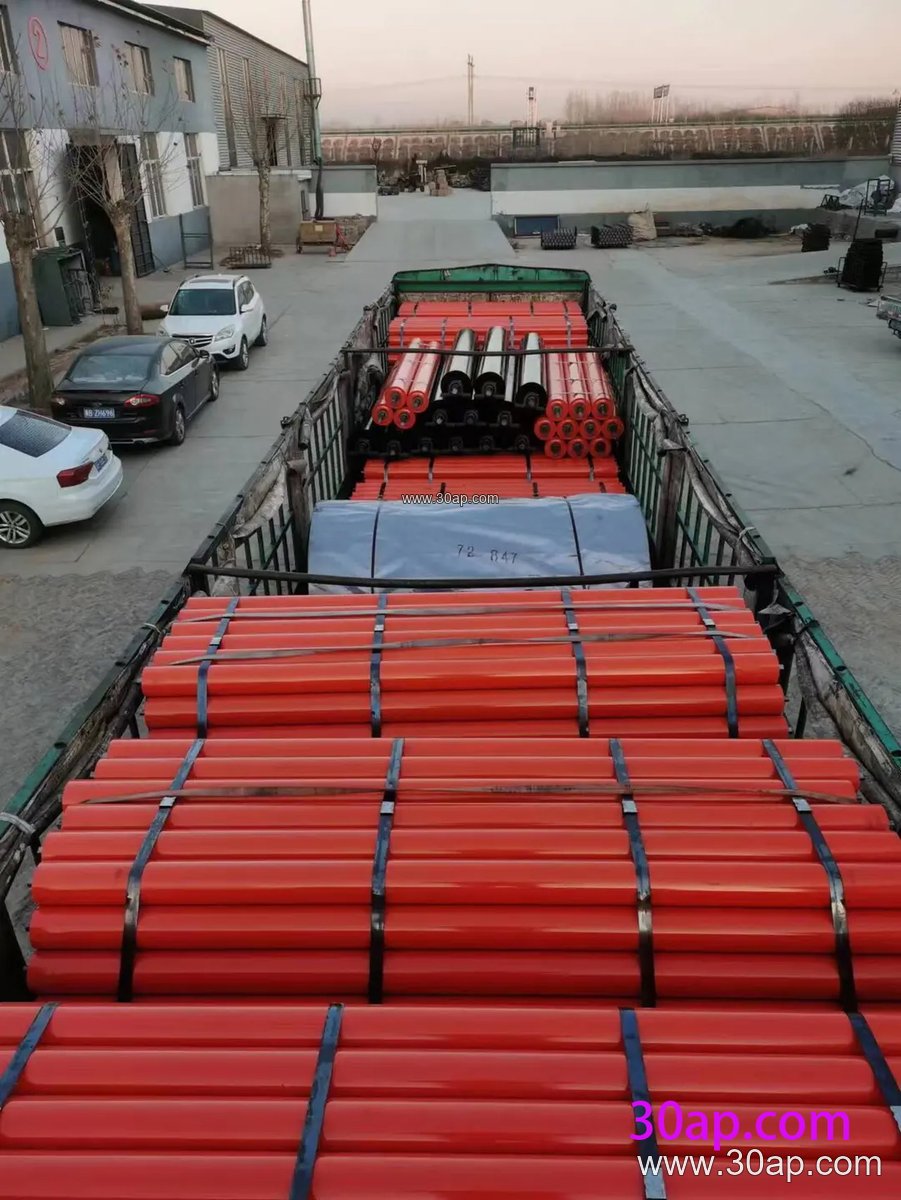
Buyers should match the double-row return idler to the belt width, belt speed, and load. Common belt widths range from B500 to B2400, and roller diameters from Ø63 up to Ø219 mm exist for different return idler designs. A typical selection table might look like this:
- B800 belt width: roller diameter Ø89–Ø108 mm, bearing 6205
- B1000 belt width: roller diameter Ø108–Ø127 mm, bearing 6305
- B1200 belt width: roller diameter Ø127–Ø133 mm, bearing 6306
- B1400 belt width: roller diameter Ø133–Ø159 mm, bearing 6308
These are common reference ranges, not fixed rules. The actual shaft diameter and frame dimensions must be confirmed with the conveyor manufacturer. Do not assume that one belt width can only match one pulley diameter—pulley sizing depends on tension and drive requirements. Also, a double-row return idler is not a substitute for a training idler or a transition idler; each has a specific location and function.
Maintenance and Buyer Checklist
Regular inspection of the double-row return idler should include checking for roller seizure, worn shells, and loose brackets. Sealed bearings reduce greasing frequency, but in a dusty cement plant or a wet tunnel excavation site, re-lubrication intervals may need shortening. When replacing rollers, confirm the shaft diameter, bearing number, and frame mounting hole spacing. Buyers should specify the belt width, material being conveyed, ambient conditions (e.g., heat resistant conveyor belt needs, oil resistance, or anti-static properties), and any special requirements such as a corrugated sidewall conveyor belt or pipe conveyor belt that may affect return idler clearance. Always request dimensional drawings before ordering to ensure the double-row return idler integrates with your existing conveyor bracket and pulley layout.