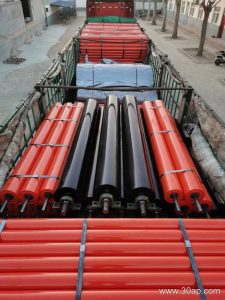
What a Ceramic Lagged Bend Pulley Does
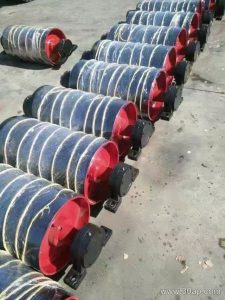
A ceramic lagged bend pulley is a redirecting pulley used to change the path of a conveyor belt without driving or tensioning it. In a typical conveyor system, the bend pulley sits between the head and tail sections, guiding the belt around corners or adjusting its return path. The ceramic lagging—a layer of embedded ceramic tiles on the pulley shell—provides exceptional grip and wear resistance, which is especially valuable when the belt must maintain precise tracking under heavy loads or abrasive conditions.
Unlike drive pulleys that transmit power or tail pulleys that maintain tension, the bend pulley’s role is purely directional. This distinction matters when specifying components: a ceramic lagged bend pulley is not interchangeable with a drive or tail pulley, although similar lagging materials may appear on those types for different reasons.
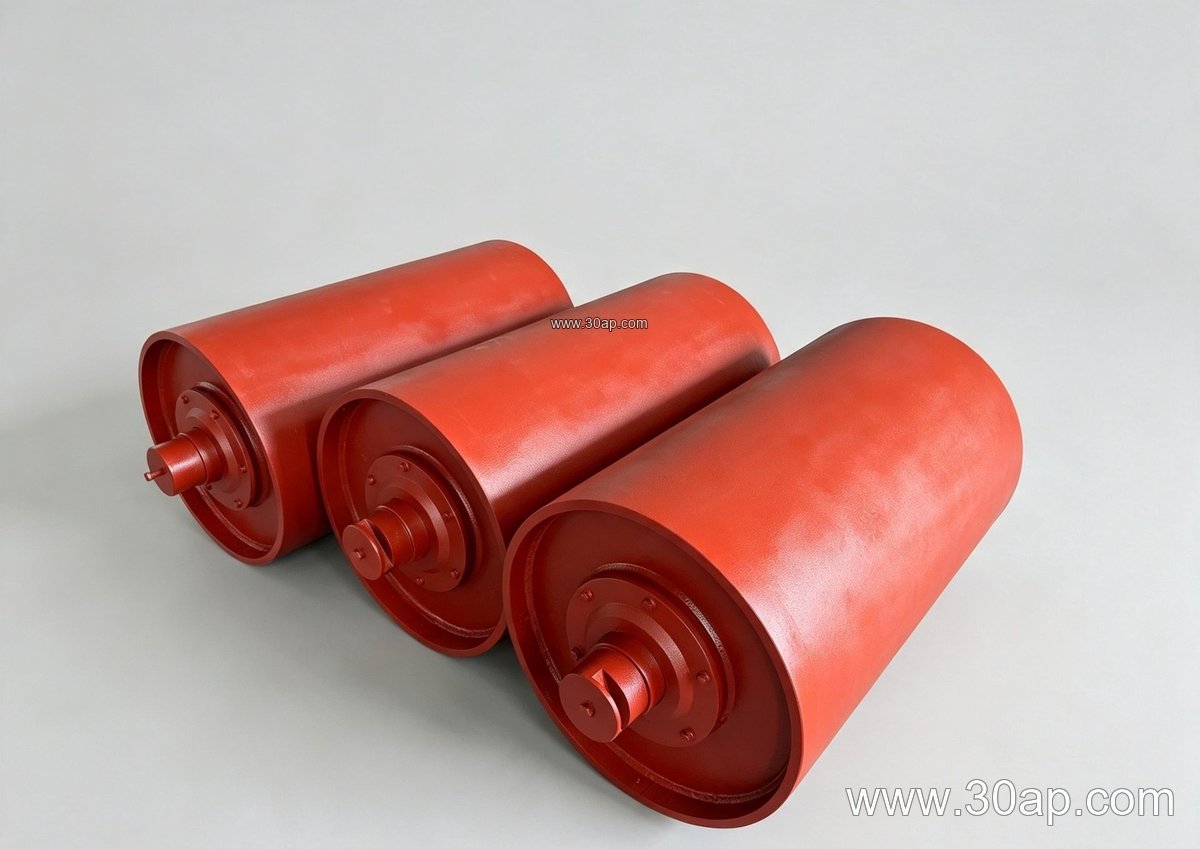
Construction and Key Components
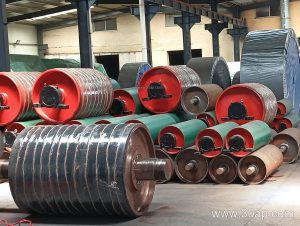
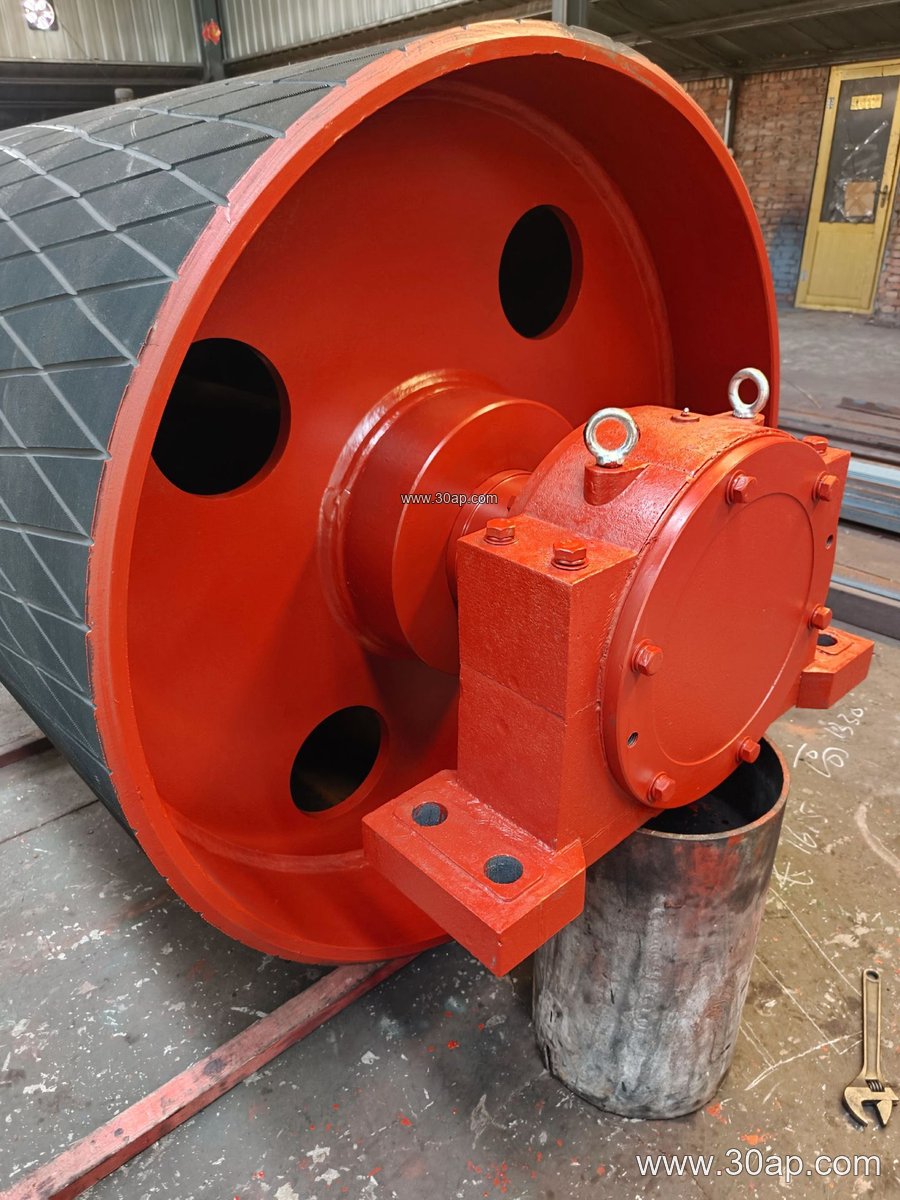
The pulley body is usually fabricated from steel pipe or plate, with welded end discs and a shaft sized to the torque and load requirements. The ceramic lagging is applied in several ways: vulcanized rubber with embedded ceramic tiles, cold-bonded ceramic sheets, or cast ceramic segments. The ceramic tiles are typically arranged in a diamond or square pattern, leaving small gaps for drainage and flexibility. Common lagging thicknesses range from 8 mm to 20 mm, with 10 mm and 12 mm often chosen for general service.
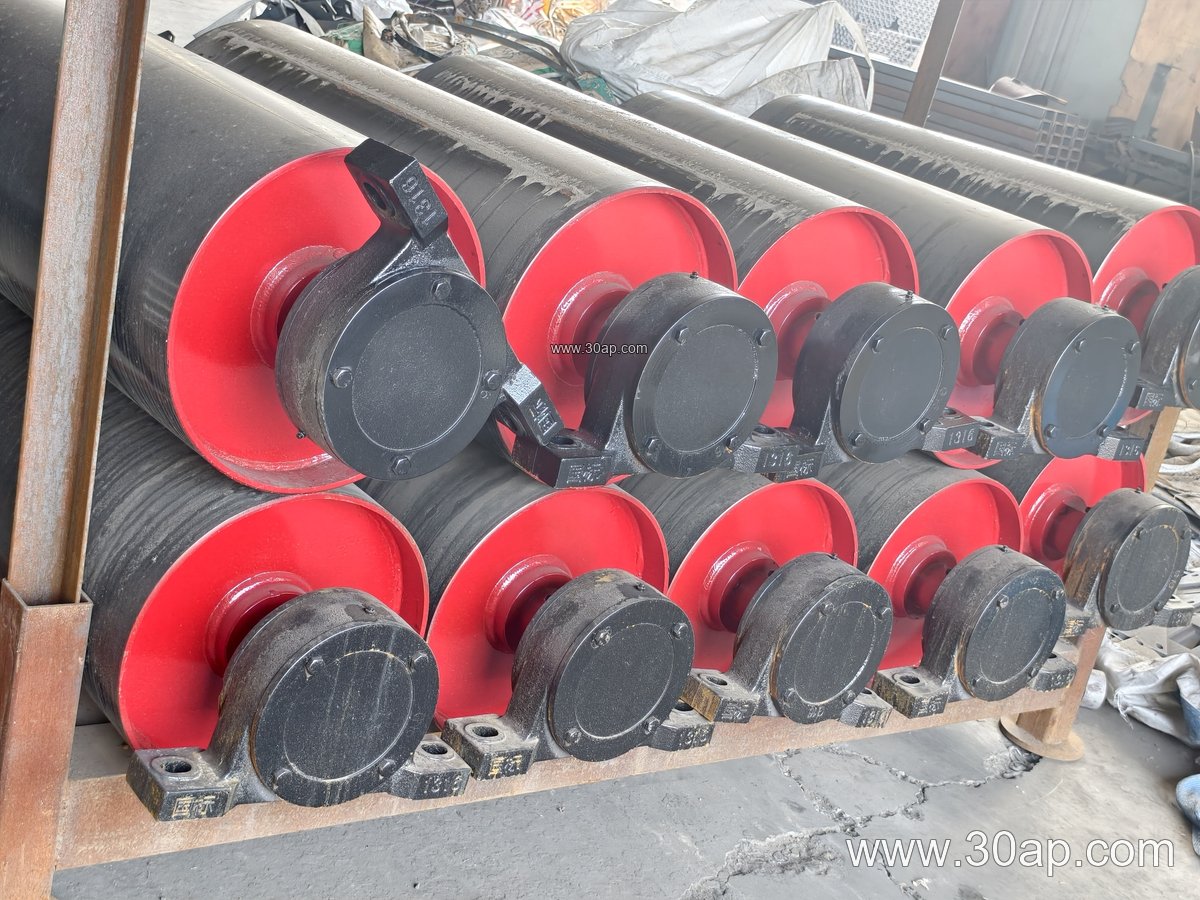
The shaft diameter is determined by the actual torque and bearing load, not by belt width alone. Common shaft sizes include Ø50, Ø80, Ø120, and Ø160, but final selection depends on the conveyor’s power and tension calculations. The pulley face width is usually wider than the belt to allow for misalignment; for example, a B800 belt might use a pulley face of about 950 mm, while a B1200 belt could use roughly 1400 mm.
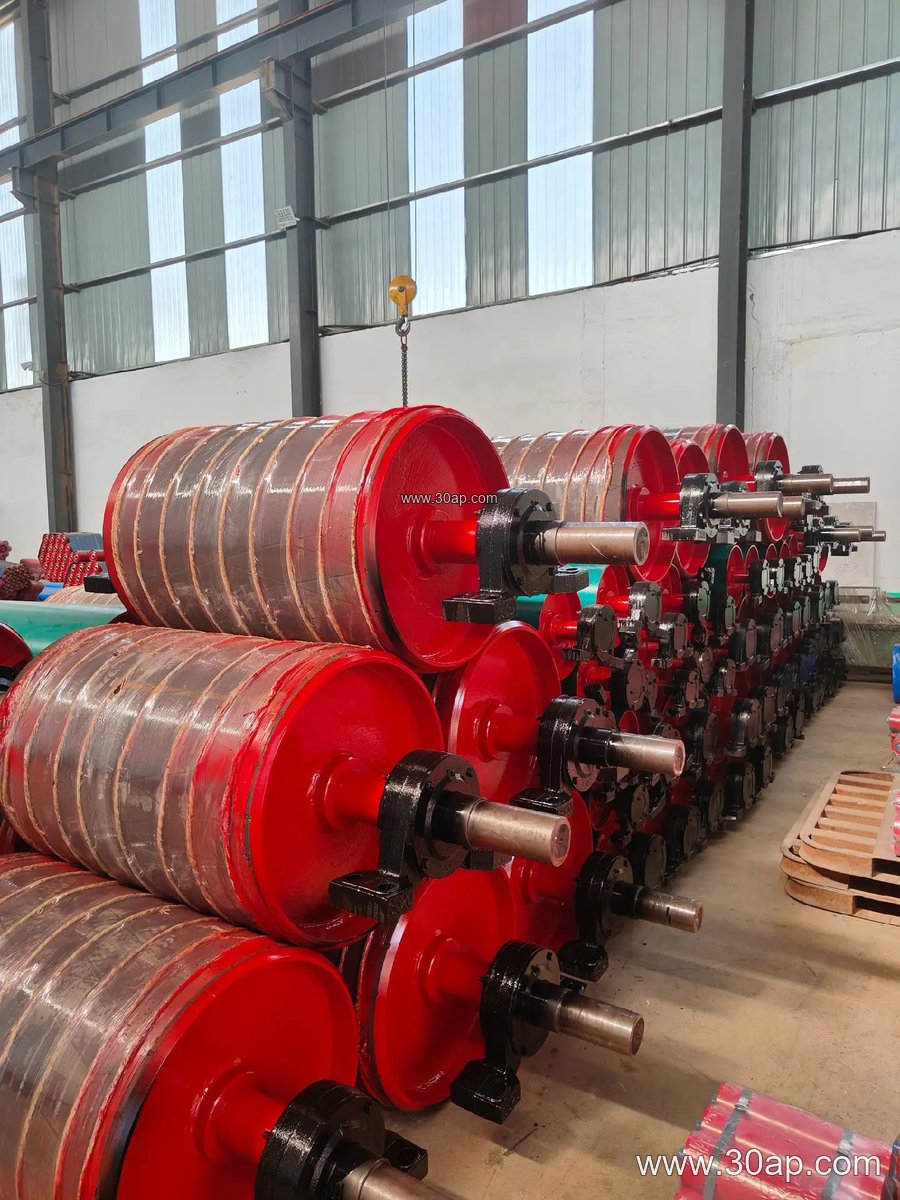
Where It Fits in the Conveyor Layout
Bend pulleys are found in a wide range of bulk handling operations. In a quarry or aggregate line, they help route the belt around screening stations or transfer points. In a coal washing plant or power plant coal yard, ceramic lagging resists the abrasive coal dust and reduces belt slippage on the return side. Cement plants use them in clinker and raw meal circuits, where fine dust and high temperatures can challenge standard rubber lagging. The ceramic surface also performs well in iron ore and copper ore handling, where sharp particles would quickly wear plain rubber.
Because the bend pulley does not drive the belt, its lagging primarily serves to maintain belt alignment and reduce wear from sliding contact. This is different from a drive pulley, where lagging must transmit high torque without slipping. A tail pulley, on the other hand, often uses plain or rubber lagging to maintain tension without the need for extreme abrasion resistance.
Specification Examples and Selection Notes
Ceramic lagged bend pulleys are available in a range of diameters and belt widths. The table below lists common combinations—these are reference examples, not mandatory matches. A given belt width can work with several pulley diameters depending on the conveyor design and belt tension.
| Belt Width (mm) | Typical Pulley Diameter (mm) | Common Face Width (mm) | Lagging Thickness (mm) |
|---|---|---|---|
| B500 | Ø250 – Ø400 | 600 | 10 – 12 |
| B800 | Ø400 – Ø630 | 950 | 10 – 15 |
| B1000 | Ø500 – Ø800 | 1150 | 12 – 15 |
| B1200 | Ø630 – Ø1000 | 1400 | 12 – 20 |
| B1400 | Ø800 – Ø1250 | 1600 | 15 – 20 |
When selecting a ceramic lagged bend pulley, consider the belt type and load. A heavy-duty mining conveyor belt or steel cord conveyor belt may require a larger diameter to reduce bending stress. Abrasion resistant conveyor belts used in quarry and ore applications benefit from ceramic lagging’s long service life. In coal mining, flame retardant conveyor belts are common, and the pulley lagging should be compatible with the belt’s antistatic properties. For food or clean applications, ceramic lagging is rarely needed, but rubber or plain pulleys may be preferred.
Buyer Checklist
- Confirm the pulley’s position (bend, not drive or tail) and the required shaft load.
- Check belt width and pulley face width—face width is usually 100–200 mm wider than the belt.
- Specify lagging thickness and ceramic pattern based on material abrasiveness.
- Verify shaft diameter from torque calculations, not from belt width alone.
- Ensure the pulley bracket and bearing housing match the conveyor structure.
For more information on conveyor pulleys, idler rollers, and conveyor brackets, or to discuss how a ceramic lagged bend pulley fits your system, please visit our product pages. Our team can help you match the right pulley to your belt specifications and operating environment.