What an NN200 Conveyor Belt Is
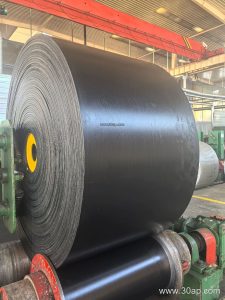
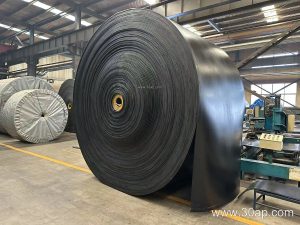
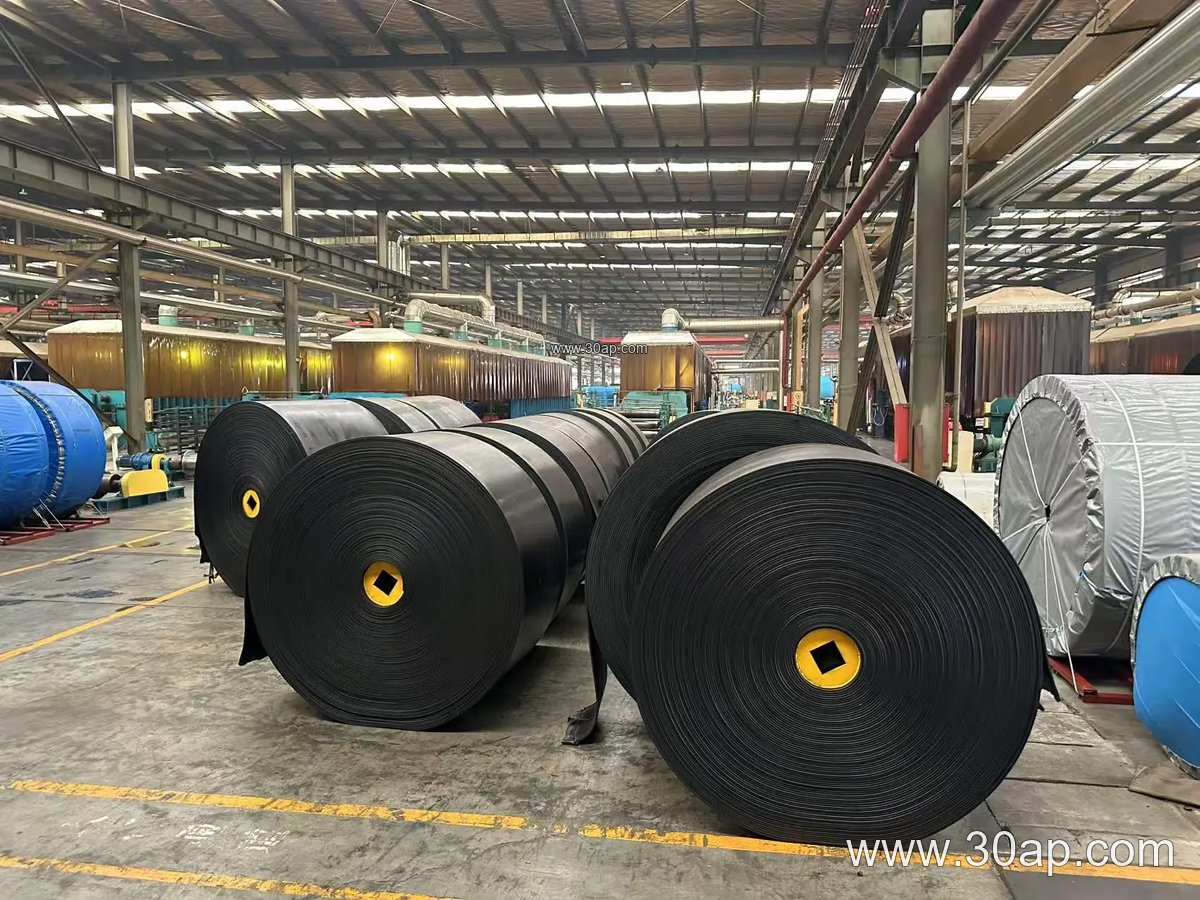
An NN200 Conveyor Belt is a fabric-core rubber belt built on nylon (NN) canvas plies. In this naming convention, the number refers to the nominal tensile strength of the carcass, so the belt is designed for tension levels around 200 N/mm per ply in common references. It belongs to the wider family of fabric core conveyor belts, which sit between light-duty cotton or polyester-cotton belts and high-capacity steel cord conveyor belt constructions. Buyers often meet it under the equivalent name nylon conveyor belt or NN conveyor belt, and both expressions point to the same product.
The nylon carcass is the defining feature. Nylon fibers offer high strength, good fatigue resistance and a useful ability to absorb shock loads. That makes the NN200 conveyor belt a practical choice where material arrives in lumps, where the conveyor starts and stops under load, or where the line runs long distances with many pulleys. The belt is not a substitute for a steel cord conveyor belt on very high-tension trunk conveyors, but it covers a large middle ground in mining, cement, power and aggregate duty.
How the Belt Is Built
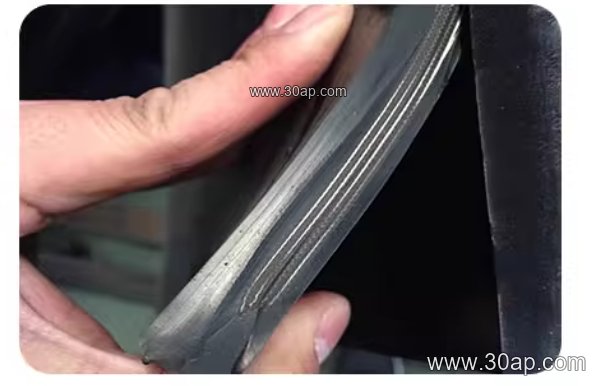
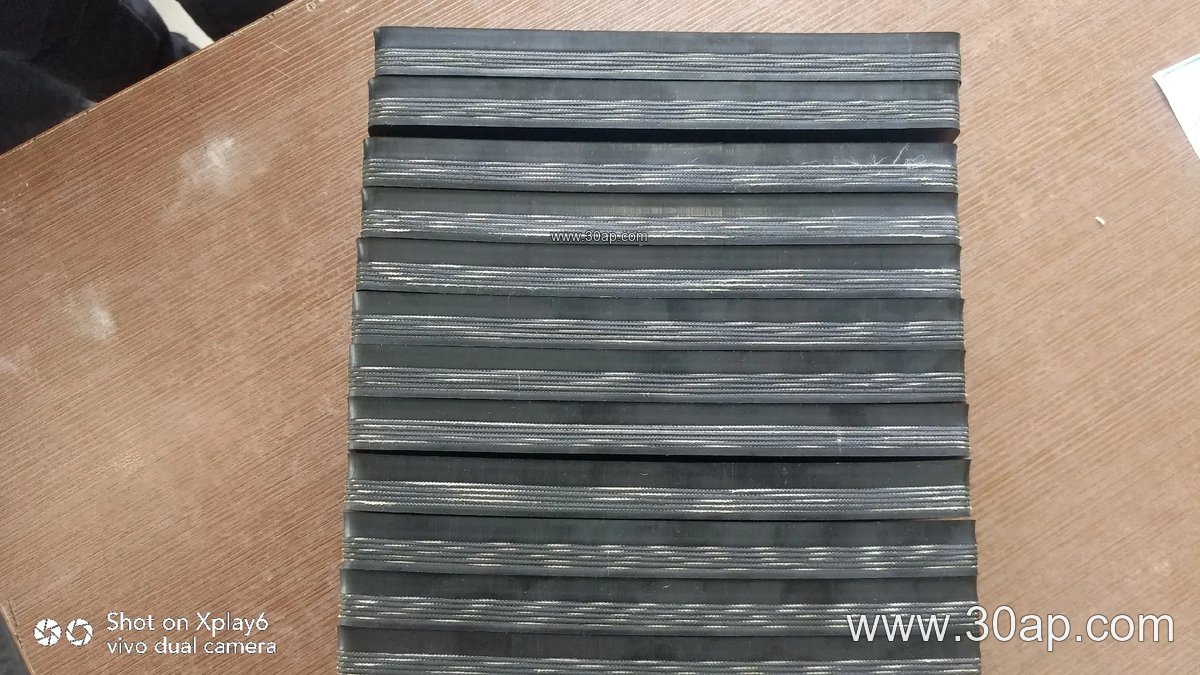
A typical construction stacks several nylon fabric plies, bonds them with rubber skim compound, and adds top and bottom cover rubber. Cover thickness is usually specified as a pair of figures such as 4+2 mm or 6+2 mm, meaning top cover plus bottom cover. Common carcass builds range from two to six plies depending on the required strength and the pulley arrangement. The rubber covers protect the carcass from abrasion, moisture and impact, while the fabric layers carry the working tension.
For harsh service, the cover compound can be adjusted. A high abrasion resistant conveyor belt grade suits sharp rock and ore, a heat resistant conveyor belt cover suits clinker or sinter, and a flame retardant conveyor belt or fire resistant conveyor belt cover is specified for underground coal mining conveyor systems. Anti-static properties are frequently requested alongside flame resistance in coal mining conveyor belt applications. These are cover and compound choices; the NN200 carcass remains the load-bearing structure.
Where NN200 Belts Are Used
The belt fits bulk material conveyor belt duty across many industries. In a quarry conveyor belt line it moves crushed stone from the crusher conveyor belt discharge to screening stations. In a cement plant conveyor belt it carries limestone, clinker and gypsum. Power plant conveyor belt systems use it for coal and ash, while a coal conveyor belt in a preparation plant benefits from its impact tolerance. Sand making plant conveyor belt circuits, port conveyor belt loading lines and recycling conveyor belt sorting halls also use this construction where moderate tension and good flexibility are needed.
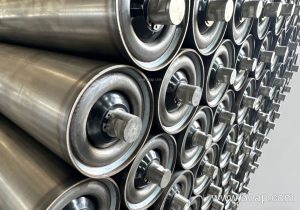
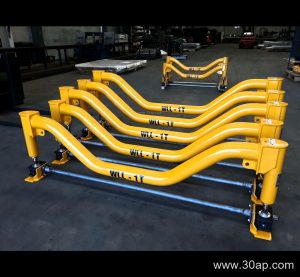
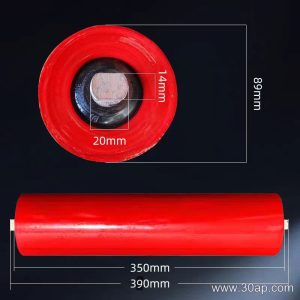
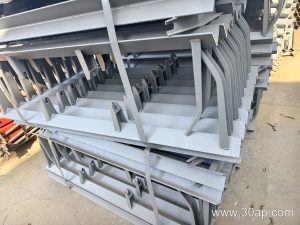
Because the carcass is flexible, the belt trains well around drive pulleys, tail pulleys and bend pulleys, and it tolerates relatively small pulley diameters compared with stiff steel cord belts. Conveyor pulley selection, idler roller spacing and conveyor bracket layout should still be checked against the belt’s recommended minimum pulley diameter and troughability. On inclined sections, a chevron conveyor belt or a corrugated sidewall conveyor belt may be preferred to prevent material rollback, but these are different belt types and not replacements for the NN200 product itself.
Common Reference Specifications
The values below are typical reference data, not fixed universal specifications. Actual construction is confirmed by design and by the manufacturer’s data sheet.
| Parameter | Common reference range |
|---|---|
| Carcass type | NN nylon fabric, multi-ply |
| Nominal strength grade | NN200 (related grades NN100, NN300, NN400) |
| Belt width | B500, B650, B800, B1000, B1200, B1400, B1600, B1800, B2000 |
| Cover thickness | 3+1.5, 4+2, 5+2, 6+2, 8+3 mm |
| Number of plies | Usually 2 to 6 |
| Cover options | Abrasion resistant, heat resistant, oil resistant, flame retardant, anti-static, cold resistant |
Width and strength are chosen together with the conveyor design, not in isolation. A wider belt does not automatically dictate one pulley diameter, and shaft sizing follows the pulley manufacturer’s calculation rather than belt width alone.
Selection and Maintenance Notes
- Confirm the calculated working tension and safety factor before fixing the ply count and grade.
- Match the cover compound to the material: abrasive ore, hot clinker, oily scrap or food-grade duty each needs a different cover.
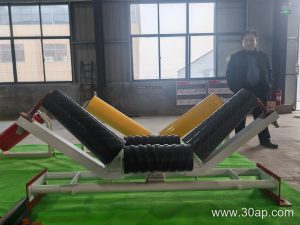
- Check minimum pulley diameters for drive, tail and bend pulleys, and verify idler roller trough angles.
- Keep loading points centered and use impact idlers where lump size is large, so the carcass is not damaged.
- Inspect splice quality, edge wear and cover gouges regularly; fabric core belts often fail at the splice first.
- Store belts away from sunlight, ozone sources and sharp objects, and support coils to avoid ply distortion.
For a buyer comparing options, the NN200 conveyor belt is a balanced choice for medium-to-high tension fabric belt duty. When tension demands climb beyond the practical fabric range, a steel cord conveyor belt becomes the relevant comparison. When the requirement is oil resistance, heat resistance or flame safety, the same nylon carcass can be paired with the appropriate cover grade. Matching belt, pulley and idler roller choices to the actual duty keeps the conveyor reliable in mines, cement works, power stations and aggregate plants.