What a Mining Conveyor Pulley Does
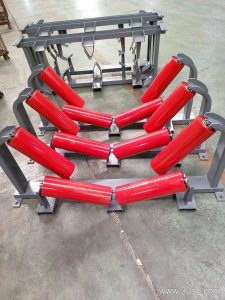
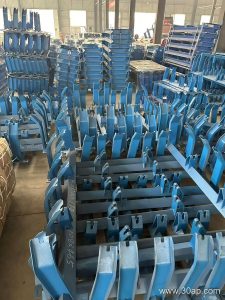
A mining conveyor pulley is the rotating drum that carries and drives the belt on a bulk material handling conveyor. In a quarry, limestone mine, or aggregate crushing line, the pulley transfers motion to the conveyor belt through friction on its lagged surface, while also supporting the belt at the head, tail, and intermediate turning points. It is a core component alongside the idler roller, conveyor bracket, and belt itself, and it is built to survive dust, grit, moisture, and continuous load.
The same assembly is often called a conveyor drum or belt pulley in plant drawings. In this article, the term mining conveyor pulley refers to the complete drum assembly, not to idlers or rollers.
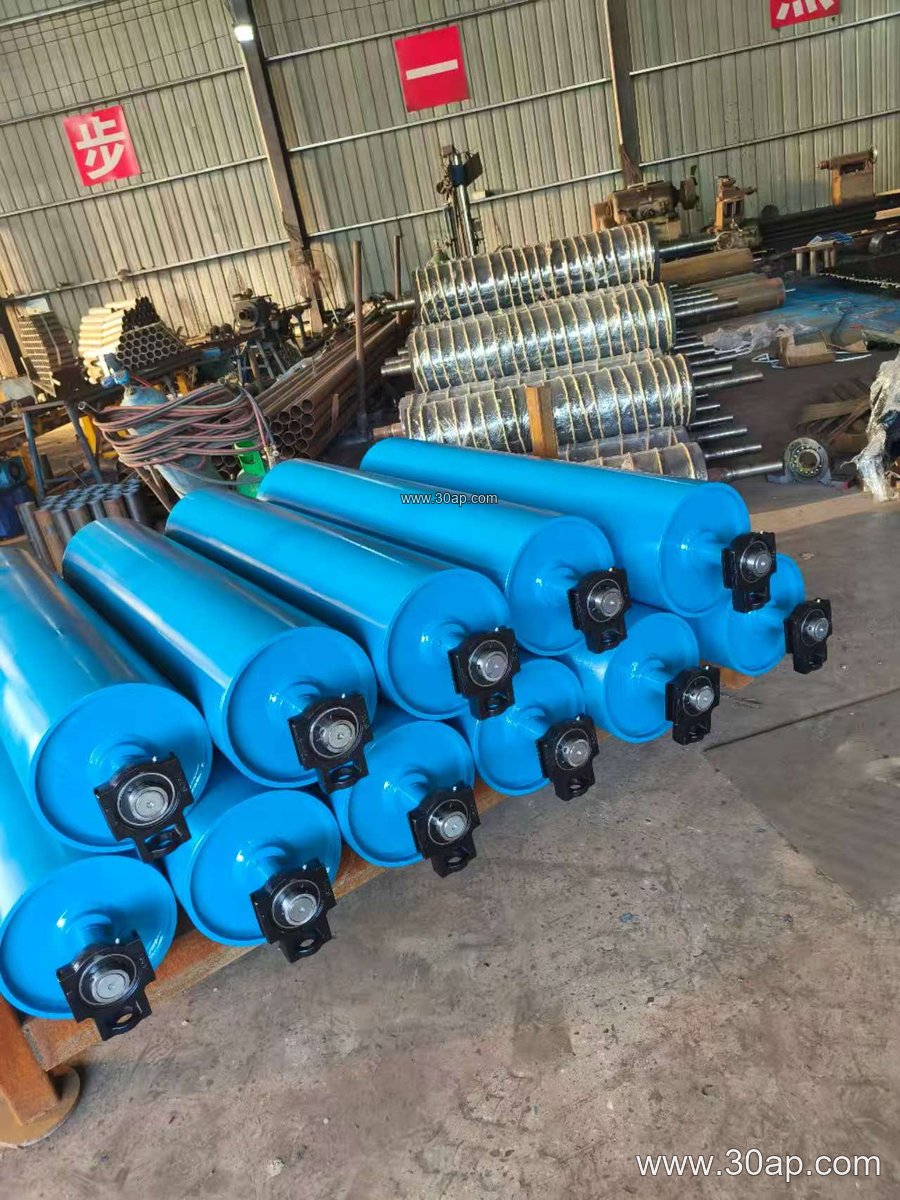
How the Drum Is Built
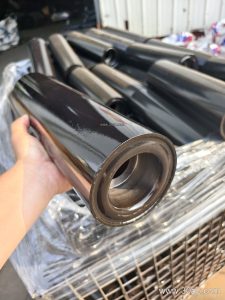
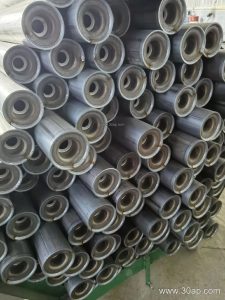
A typical unit combines a cylindrical shell, two end discs, a shaft, and bearing housings. The shell is usually rolled steel, machined for balance, and fitted with lagging where grip or wear protection is needed. Shaft ends are keyed or shrink-fitted to the end discs, and the bearings sit in sealed housings that resist contamination.
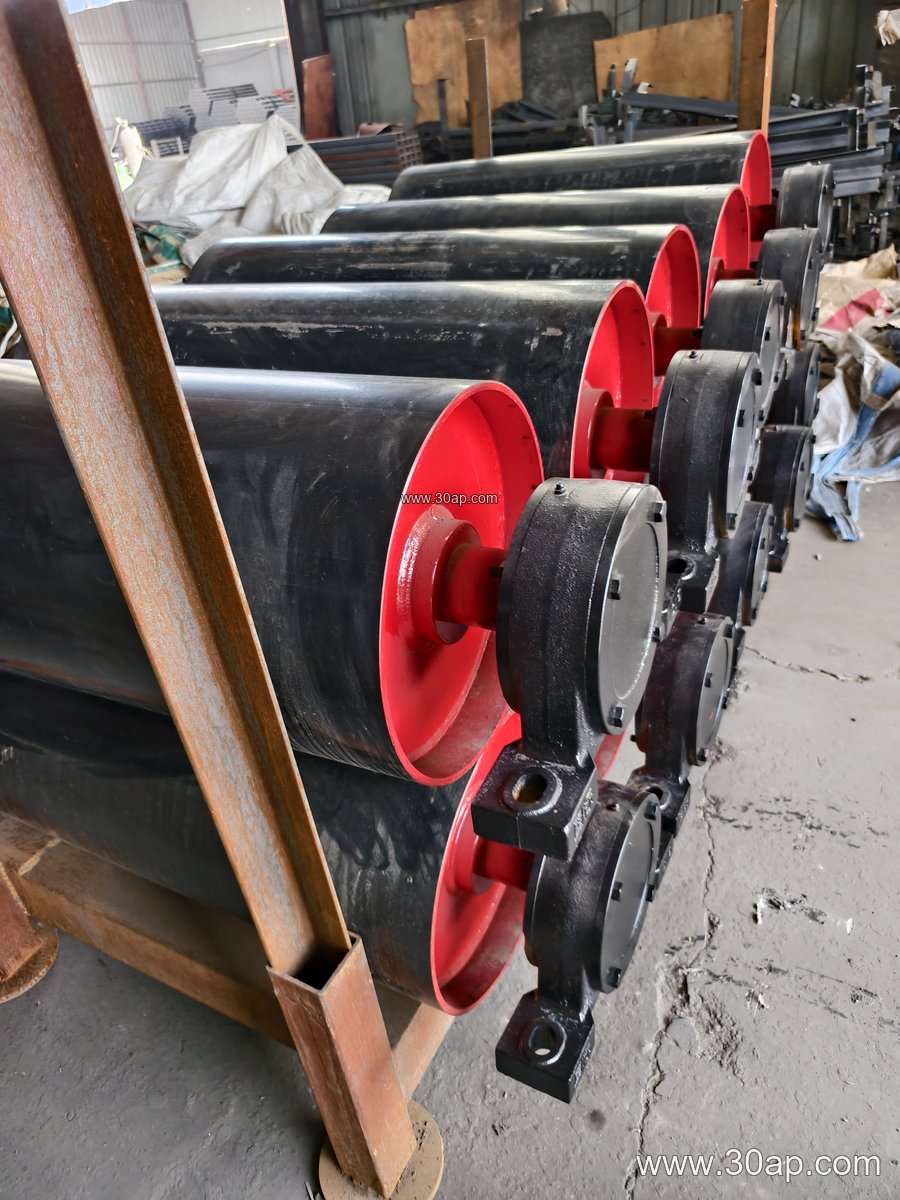
Surface form matters in mining work. Plain, cast rubber, cold-bonded rubber, hot-vulcanized rubber, diamond, herringbone, and ceramic lagging each serve a different duty. Lagging thickness commonly ranges from 8 mm to 20 mm, depending on the abrasive load and the required friction.
| Parameter | Common reference values |
|---|---|
| Belt width | B400 to B2400 |
| Pulley diameter | Ø200 to Ø1800 |
| Shaft diameter | Ø50 to Ø200 |
| Lagging thickness | 8, 10, 12, 15, 20 mm |
These figures are reference data, not fixed pairings. A B1200 belt, for example, might run on a Ø1000 head drum in one plant and a larger diameter in another, and shaft size is set by torque and load rather than by belt width alone.
Drive, Tail, and Bend Positions Are Not Interchangeable
Position changes the job. A drive pulley, also called the head or discharge pulley, transmits power and usually carries the heaviest lagging and the largest shaft. A tail pulley at the loading end tensions and guides the belt. A bend pulley changes belt direction without driving, and a take-up pulley maintains tension. Each is sized and specified for its own duty, so they cannot be swapped by name.
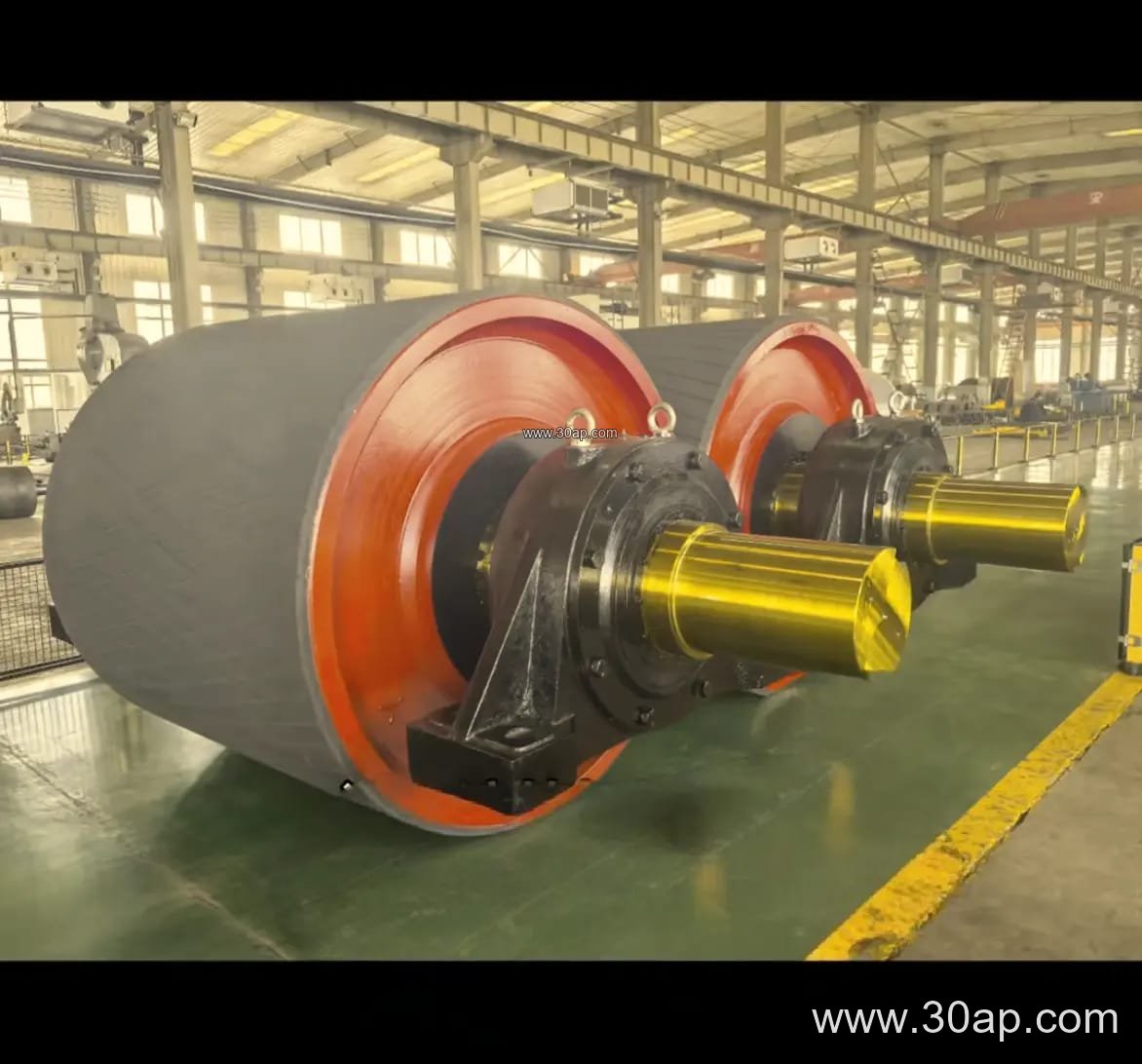
For comparison, a wing pulley is sometimes used at the tail to shed sticky material, but it does not replace a standard tail drum in most mining layouts.
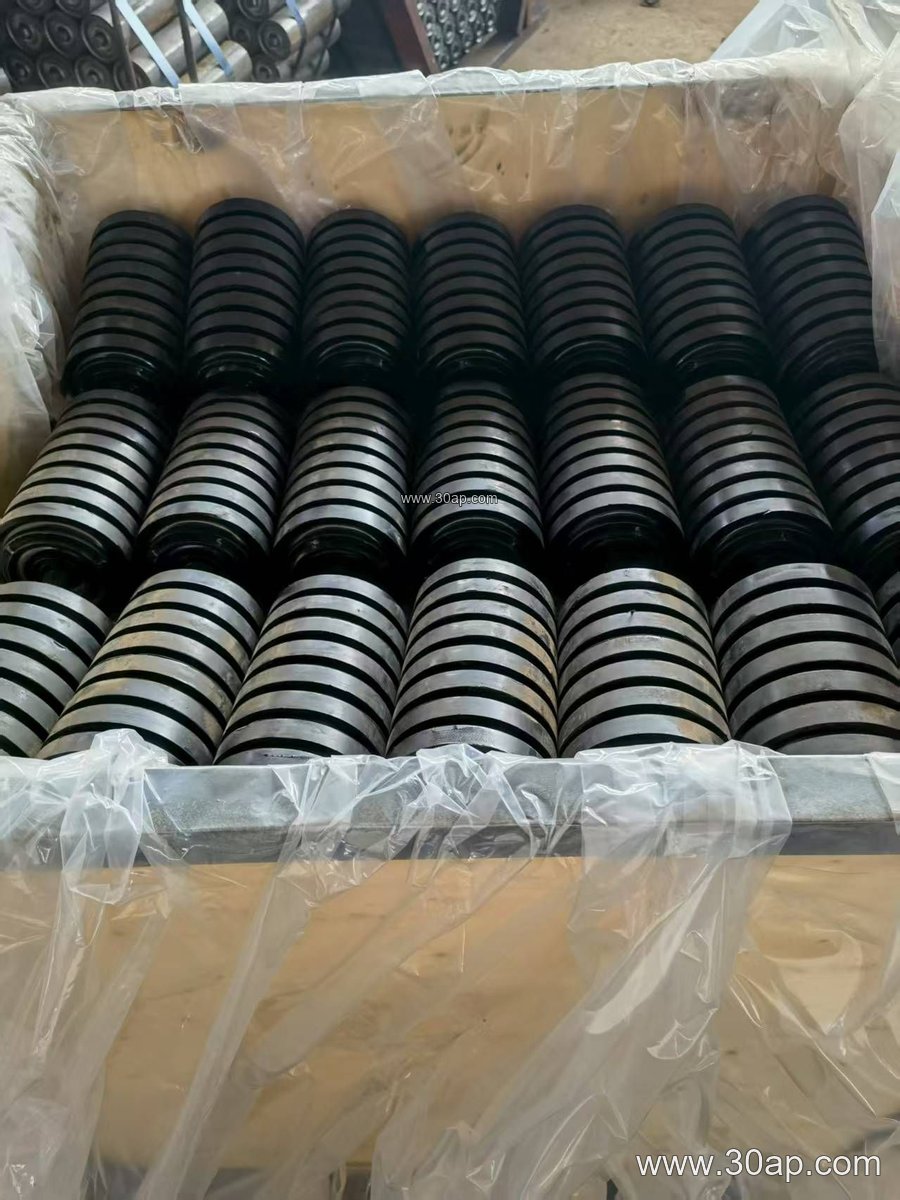
Where Mining Conveyor Pulleys Are Used
These drums appear in coal washing plants, power station coal handling, cement clinker lines, iron ore and copper ore concentrators, and port bulk terminals. They work with abrasion resistant conveyor belt, flame retardant conveyor belt in underground coal mining conveyor belt systems, and heat resistant conveyor belt near kilns and sinter plants. A heavy-duty mining conveyor belt under high tension places extra demand on the pulley shell and lagging.
Matching the drum to the belt matters. A steel cord conveyor belt needs a carefully machined shell and stable lagging, while an EP conveyor belt or NN conveyor belt generally tolerates a wider range of diameters. In dusty stone crushing and sand making plant conveyor belt lines, ceramic or diamond lagging helps maintain grip when fines coat the surface.
What a Buyer Should Check
- Confirm the belt width, pulley diameter, and shaft diameter from the conveyor design, not from a single rule of thumb.
- State the duty: drive, tail, bend, or take-up, and the belt tension involved.
- Choose lagging by material: abrasive ore calls for wear-resistant rubber or ceramic, while wet sticky feed may need a grooved pattern.
- Check bearing type, sealing, and lubrication access for the site conditions.
- Ask for balance and runout tolerances, since vibration shortens belt and bearing life.
- Plan inspection of lagging wear, shell cracks, and bearing temperature as part of routine maintenance.
A well-specified mining conveyor pulley keeps the belt tracking true and the whole conveying line running. Buyers who match drum, lagging, and shaft to the actual load get longer service from the pulley and the conveyor belt alike.