What Is a Parallel Idler Bracket
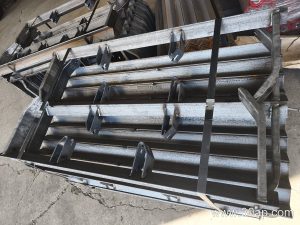
A parallel idler bracket is a structural component that holds conveyor idler rollers in a parallel configuration, typically used on the carrying side of a conveyor to support the belt and maintain a flat or slightly troughed profile. Also known as a flat idler bracket or parallel roller bracket, this mount is distinct from troughed, transition, and return brackets, each of which serves a different position and function on the conveyor frame. The parallel bracket is often selected where a flat belt path is required, such as in certain screening or transfer sections, or where the belt needs to run with minimal edge tension.
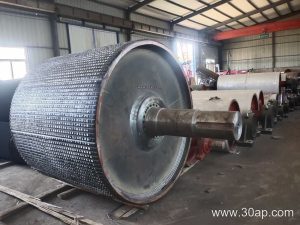
In bulk material handling, the bracket works together with the conveyor belt and idler roller to keep the belt aligned and supported. Unlike a drive pulley or tail pulley, which transmit motion and tension, the parallel idler bracket is a passive support element. Its design focuses on rigidity, easy roller replacement, and compatibility with the conveyor structure.
Construction and Mounting
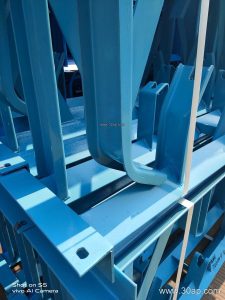
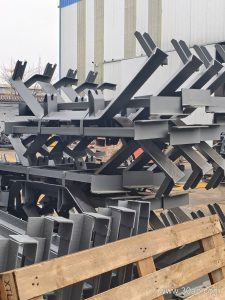
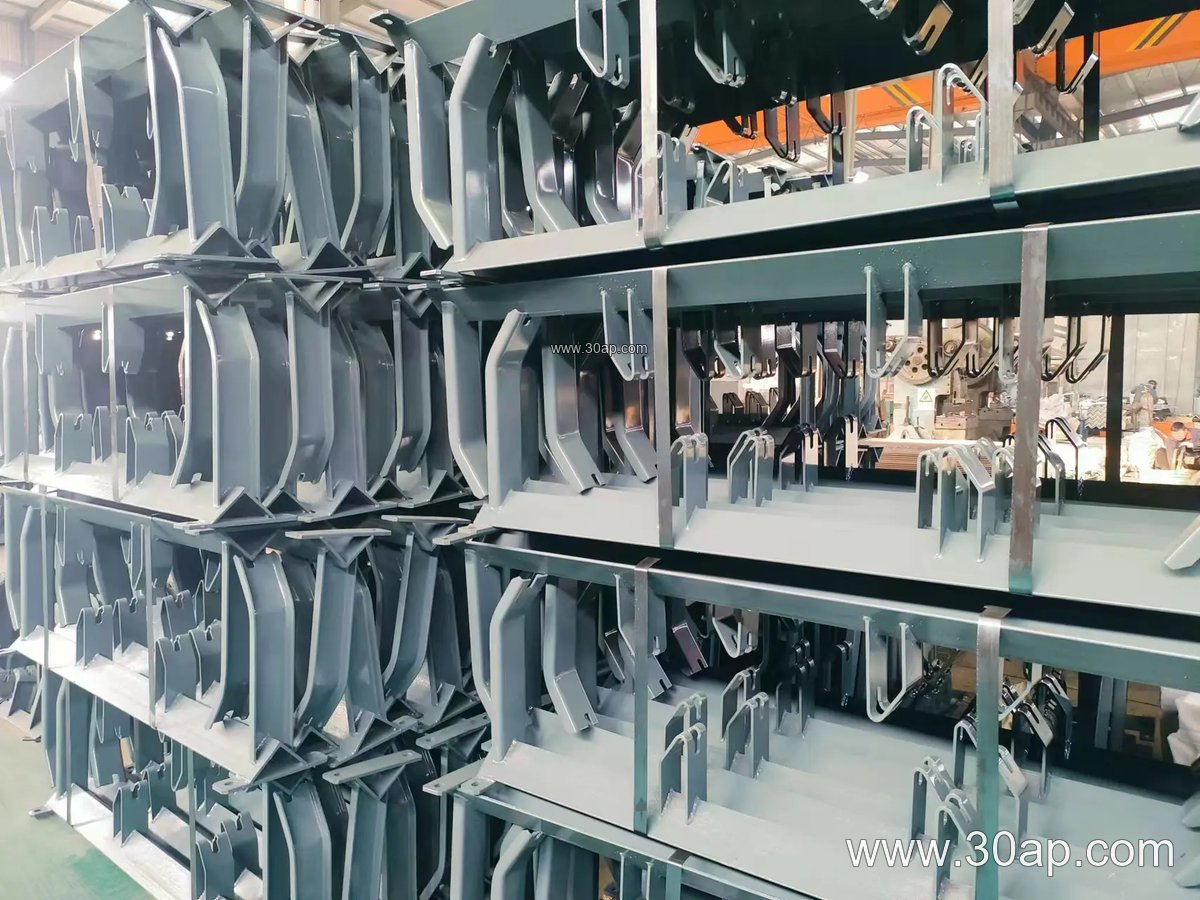
Most parallel idler brackets are fabricated from angle steel, channel steel, or folded steel plate. The choice of material depends on the load and environmental conditions. For example, in a quarry or limestone mine, brackets may be made from heavier channel sections to resist vibration and impact from large rock loads. In a coal washing plant or power plant coal handling system, folded plate brackets with powder coating or galvanizing are common to manage moisture and fine dust.
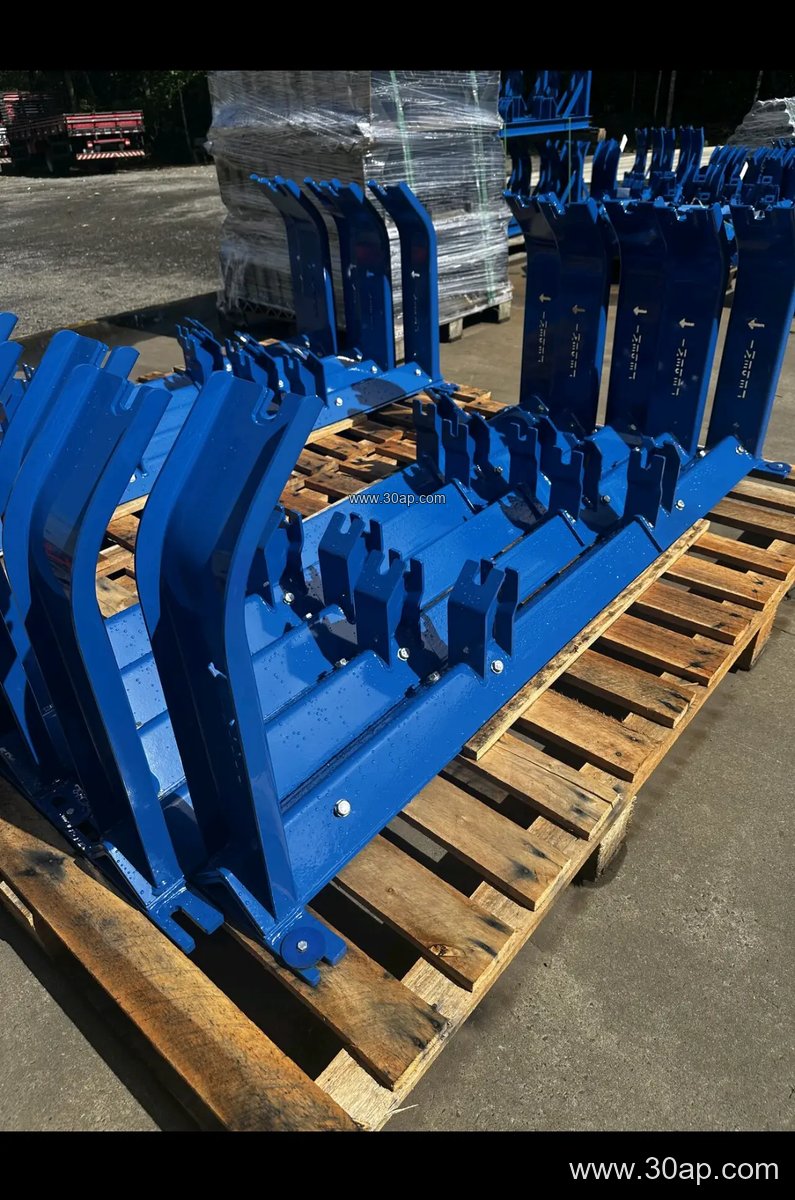
The bracket typically includes slots or holes for height adjustment and roller shaft seating. Installation holes are spaced according to the belt width and the specific roller diameter; these dimensions are determined by design and are not fixed across all conveyors. A parallel bracket may be fixed or adjustable, and some designs allow minor changes in roller position to fine-tune belt contact.
Where It Is Used
Parallel idler brackets appear in a range of industries where a flat or nearly flat belt run is needed. In a sand and gravel line, they may support the belt at a transfer point before the material enters a screen. In a cement plant, they can be found on the return side or in sections where a flat profile reduces spillage. The bracket is also used in tunnel muck removal and in fertilizer or grain silo conveyor systems where gentle belt support is important.
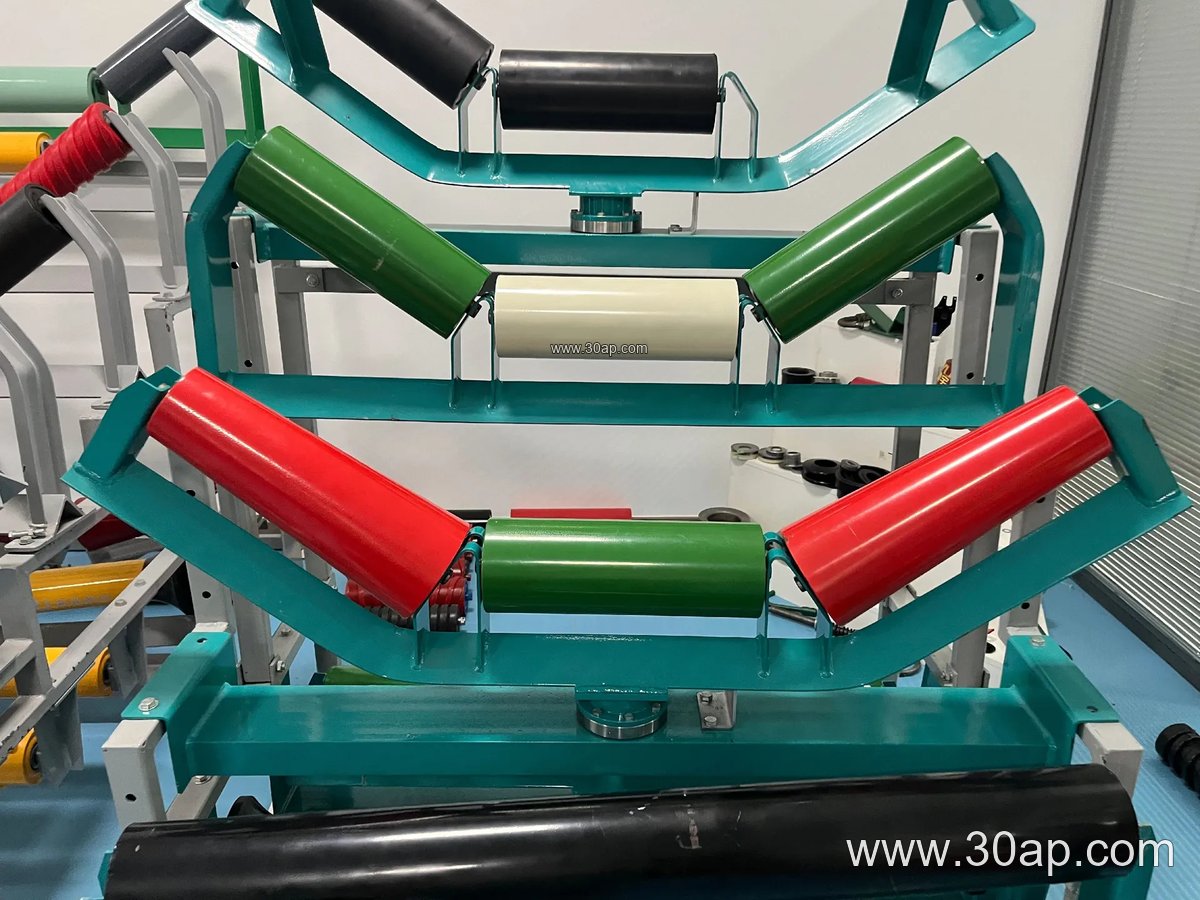
It is important to note that a parallel bracket is not a substitute for a troughed bracket or a V-return bracket. Each type has a specific role in belt support and alignment. For instance, a V-return bracket helps center the belt on the return run, while a parallel bracket provides a flat support surface on the carrying side or in special flat-run applications.
Key Parameters and Selection
When selecting a parallel idler bracket, buyers should consider belt width, roller diameter, and the required mounting height. Common belt widths include B500, B650, B800, B1000, B1200, B1400, B1600, and B1800. Roller diameters often range from Ø89 to Ø194, with Ø108 and Ø133 being frequent choices for medium-duty conveyors. The bracket must match the roller shaft size and the frame hole pattern, which are determined by the conveyor design.
Below is a reference table of typical combinations; these are examples and not universal specifications:
| Belt Width | Typical Roller Diameter | Common Bracket Material |
|---|---|---|
| B500 | Ø89 | Angle steel |
| B650 | Ø89 / Ø108 | Angle steel or folded plate |
| B800 | Ø108 | Channel steel |
| B1000 | Ø108 / Ø133 | Channel steel |
| B1200 | Ø133 | Channel steel or folded plate |
| B1400 | Ø133 / Ø159 | Channel steel |
| B1600 | Ø159 | Heavy channel steel |
| B1800 | Ø159 / Ø194 | Heavy channel steel |
These values are for reference only. The actual bracket dimensions, hole spacing, and beam length should be confirmed with the conveyor manufacturer. A bracket for a 1200mm wide conveyor belt will not necessarily fit a 1000mm frame without verification.
Buyer Checklist
Before ordering parallel idler brackets, check the following:
- Confirm the belt width and the required flat or troughed profile. For troughed sections, a different bracket type is needed.
- Verify the roller diameter and shaft end size to ensure proper fit.
- Check the mounting hole pattern on the existing conveyor frame.
- Consider the environment: dusty, wet, or corrosive conditions may require galvanized or painted brackets.
- Decide between fixed and adjustable brackets based on alignment needs.
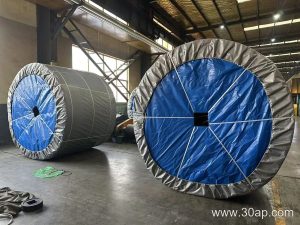
For conveyors using a rubber conveyor belt or an EP conveyor belt, the parallel bracket helps maintain a stable belt path and reduces edge wear. In heavy-duty mining conveyor belt applications, a robust bracket can contribute to longer roller life and fewer stoppages. Whether the conveyor handles coal, ore, aggregate, or cement, selecting the right bracket for the position is essential for reliable operation.
Always refer to the conveyor design drawings for exact dimensions. No single bracket size fits every conveyor, and the correct choice depends on the specific belt width, roller size, and loading conditions.