What a Ceramic Lagged Bend Pulley Does
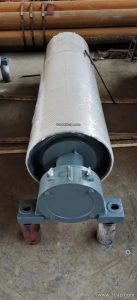
A ceramic lagged bend pulley is a direction-changing conveyor pulley whose shell is covered with ceramic tiles embedded in a rubber or epoxy matrix. It is not a drive pulley or a tail pulley; its job is to guide the conveyor belt along a different path, often increasing wrap angle on the drive or redirecting the belt run in tight spaces. In a quarry conveyor or a cement plant clinker line, this pulley keeps the belt tracking smoothly while resisting the abrasive wear that ordinary rubber lagging cannot handle.
The ceramic lagging provides a high-friction surface that reduces belt slip, even in wet or dusty conditions. Unlike a standard bend pulley with plain rubber, the ceramic tiles create a durable, textured grip that extends service life in bulk material handling. This makes it a practical choice for operations that move abrasive materials such as iron ore, copper ore, or crushed stone.
Construction and Surface Options
The pulley body is typically fabricated from steel tube or plate, with a machined face and welded end discs. The lagging consists of small ceramic tiles, often aluminum oxide, bonded to the shell. The bond may be a rubber compound applied by hot vulcanization or a cold-bonded epoxy system. Tile patterns vary: some have raised dimples or grooves to improve grip and shed water.
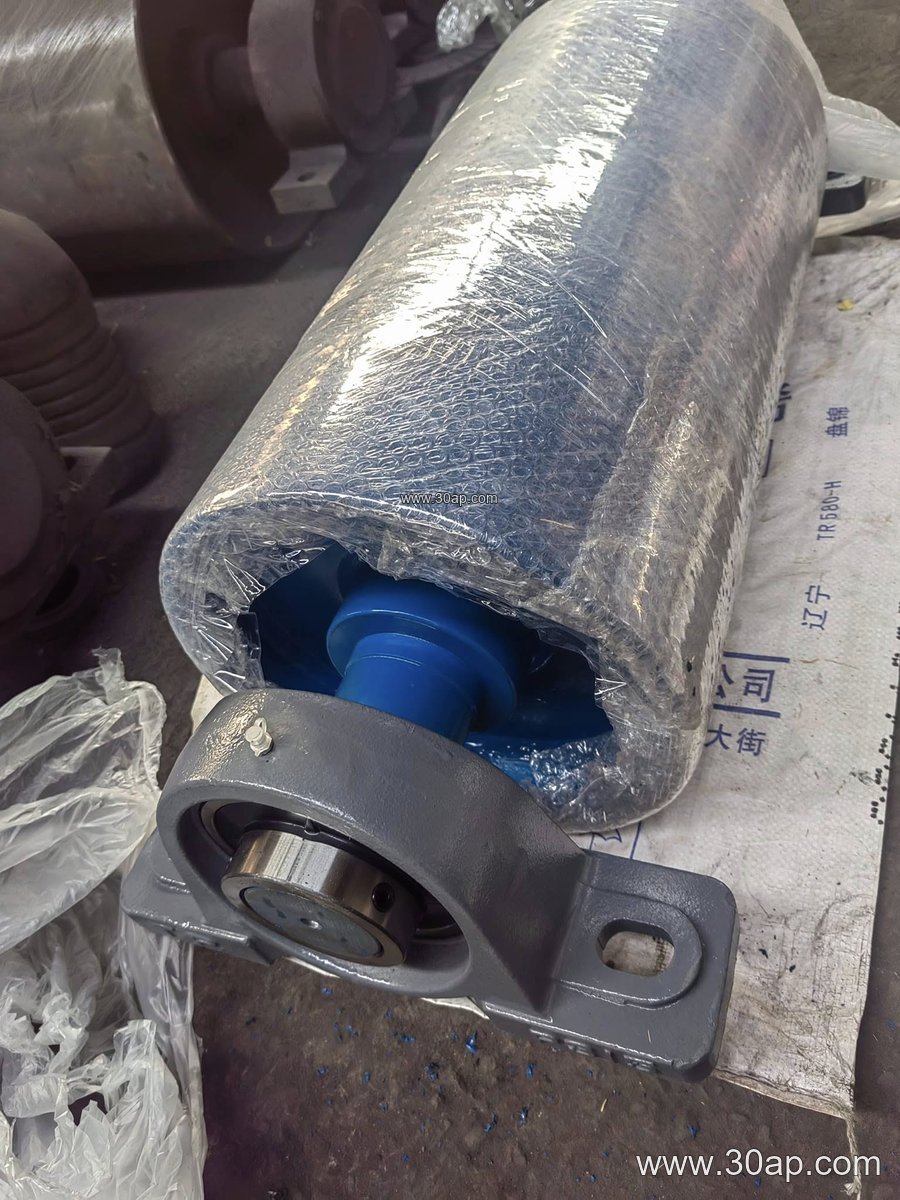
Common lagging thicknesses are 8, 10, 12, 15, and 20 mm. The pulley face width usually exceeds the belt width to ensure full contact. For example, a B800 belt might use a pulley face around 950 mm, while a B1200 belt could use about 1400 mm. Diameters range from Ø200 to Ø1800, selected according to belt tension, wrap angle, and available space. Shaft diameters are determined by torque and load, not by belt width alone, and may be Ø50 to Ø200 depending on the design.
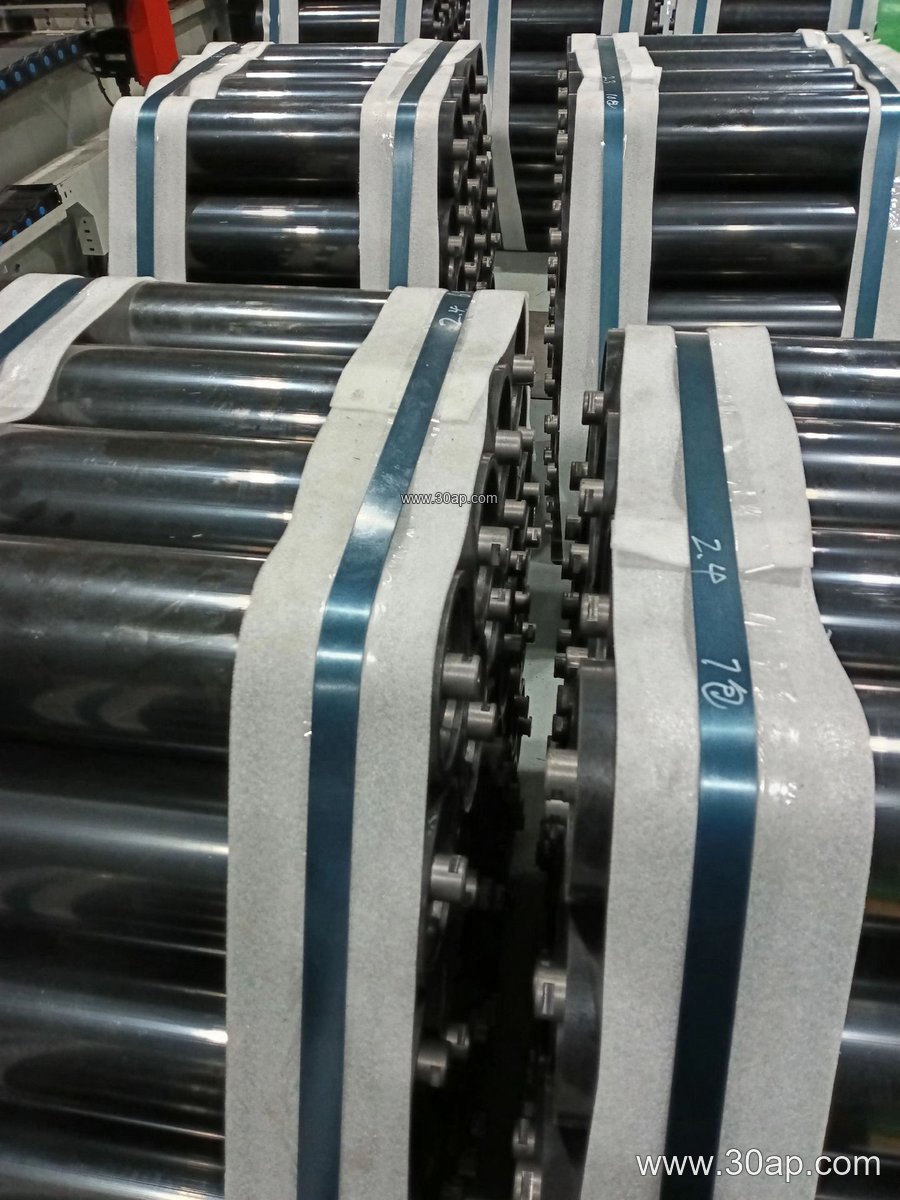
Other surface forms include plain rubber, diamond lagging, and herringbone lagging. Ceramic lagging is chosen when abrasion resistance and friction are the priority, but it is not a substitute for a drive pulley in high-traction applications.
Where It Fits in the Conveyor Layout
A ceramic lagged bend pulley is often installed at the head or tail area to change belt direction, or in a take-up system to maintain tension. In a coal mining conveyor, it may redirect the return belt before the tension pulley. In a port conveyor handling bulk material, it helps route the belt around structures without excessive wear. The pulley works with the conveyor belt, idler roller, and conveyor bracket to keep the system aligned and efficient.
Typical industries include aggregate plants, power plant coal handling, steel plant sinter lines, and fertilizer bulk handling. Because the ceramic surface resists abrasion, it is also suitable for sand making plant conveyor belts and crusher conveyor belts where fines and sharp particles are present.
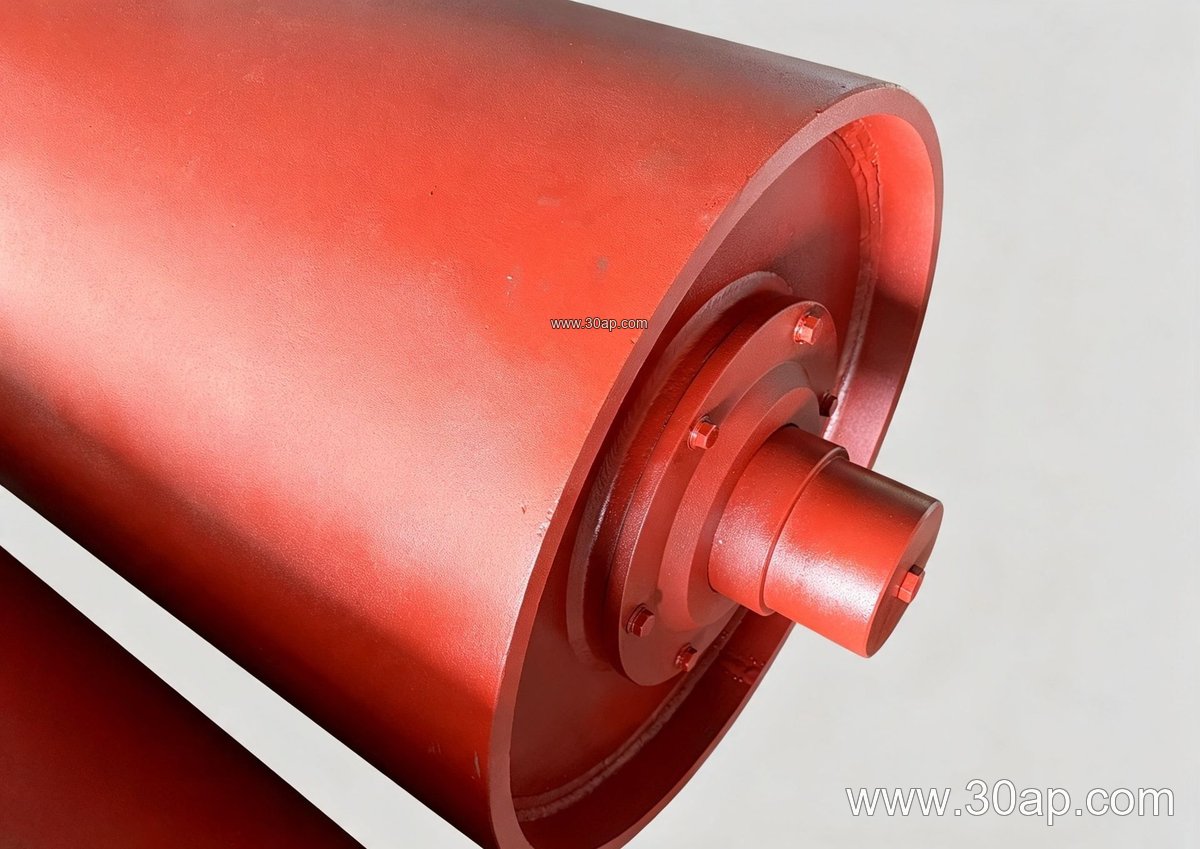
Selection and Maintenance Notes
When selecting a ceramic lagged bend pulley, consider belt width, pulley diameter, face width, lagging thickness, and shaft size. The pulley should be sized to match the conveyor belt’s tension and the required wrap angle. Avoid assuming a fixed diameter for a given belt width; for instance, a B650 belt might use Ø400 or Ø500 depending on the layout. A B1000 belt could work with Ø630 or Ø800, but the final choice depends on engineering calculations.
Maintenance involves periodic inspection of the ceramic tiles for cracks or detachment, checking the lagging bond, and ensuring the pulley rotates freely. Worn lagging can be re-coated or replaced. Keep the pulley clean and aligned to prevent belt mistracking. In dusty environments, use adequate sealing to protect bearings.
For abrasive and high-friction needs, a ceramic lagged bend pulley offers a robust solution. Pair it with quality components like an EP conveyor belt or a steel cord conveyor belt for reliable performance in tough bulk material handling.