What a 1000mm Drive Pulley Does
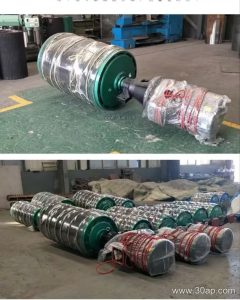
A 1000mm drive pulley is the head pulley that transmits motor torque to the conveyor belt in a bulk material handling system. With a nominal diameter of 1000 mm, this conveyor pulley is typically selected for high-tension applications where belt wrap and traction are critical. It is not a tail pulley or a bend pulley; those serve different positions and functions along the conveyor frame. The drive pulley grips the belt on the carrying side and pulls the entire circuit, so its design must match the belt width, tension, and environmental conditions of the site.
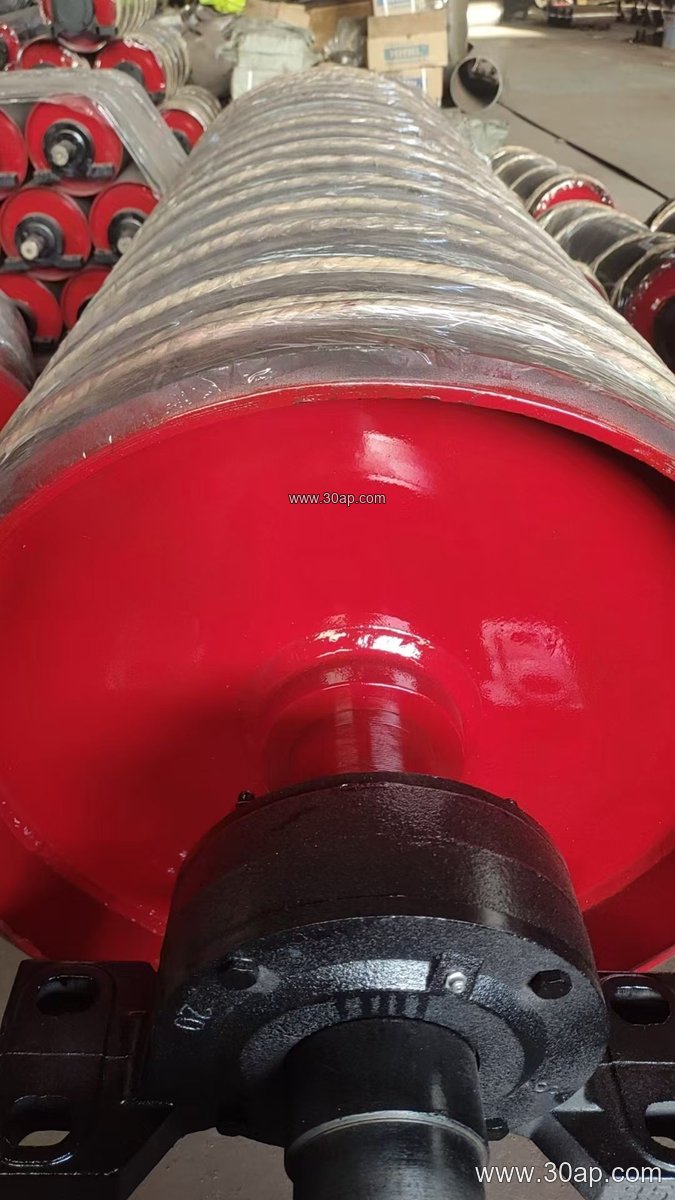
Construction and Surface Options
The 1000mm drive pulley usually consists of a welded steel drum, a shaft, hubs, and bearing housings. The drum face may be plain or covered with rubber, ceramic, or diamond-pattern lagging to improve friction. Common lagging thicknesses are 8, 10, 12, 15, and 20 mm. For a 1000mm drive pulley, hot-sulfurized rubber lagging or cold-bonded rubber is often used in abrasive conditions such as a quarry or a cement plant. Ceramic lagging may be chosen where wet or oily conditions reduce grip. The pulley face width is normally wider than the belt; for a B1000 conveyor belt, the pulley face is often around 1150 mm, but this is a reference value, not a fixed rule. Shaft diameter is determined by torque and load, with common sizes ranging from Ø100 to Ø200 mm, and should never be guessed from belt width alone.
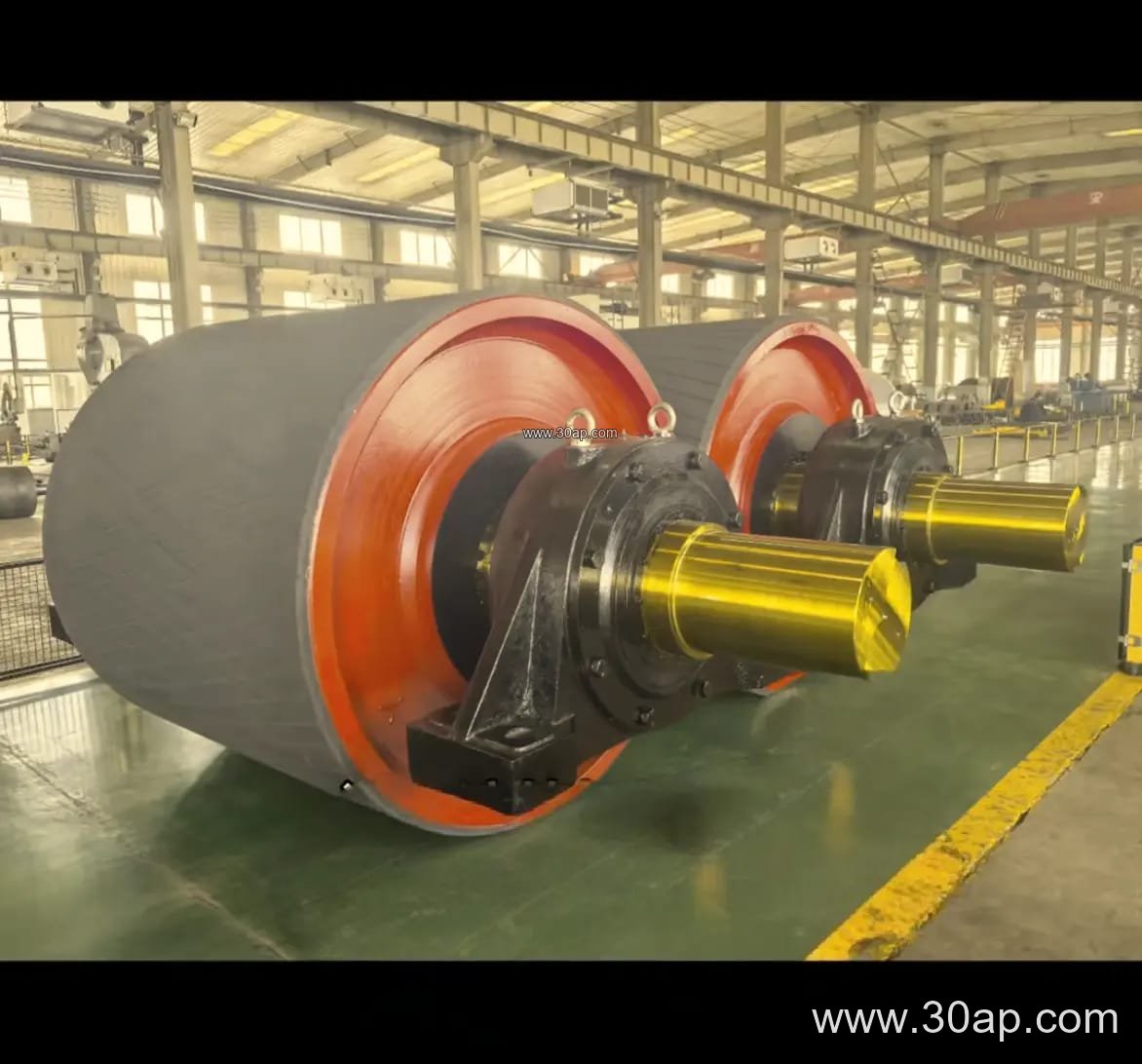
Where It Fits in the Conveyor
This drive pulley is installed at the head end of a conveyor, often above the discharge point. In a coal mining conveyor or a power plant coal handling line, the 1000mm drive pulley works with a heavy-duty conveyor belt such as an EP200 or Steel Cord Conveyor Belt to move large tonnages. In an iron ore or copper ore operation, the pulley may be paired with an Abrasion Resistant Conveyor Belt to withstand sharp material. The drive pulley is not interchangeable with a tail pulley or a bend pulley; each has a distinct role in belt tracking and tension. A bend pulley, for example, changes belt direction without driving, while the drive pulley provides the power.
Key Dimensions and Compatibility
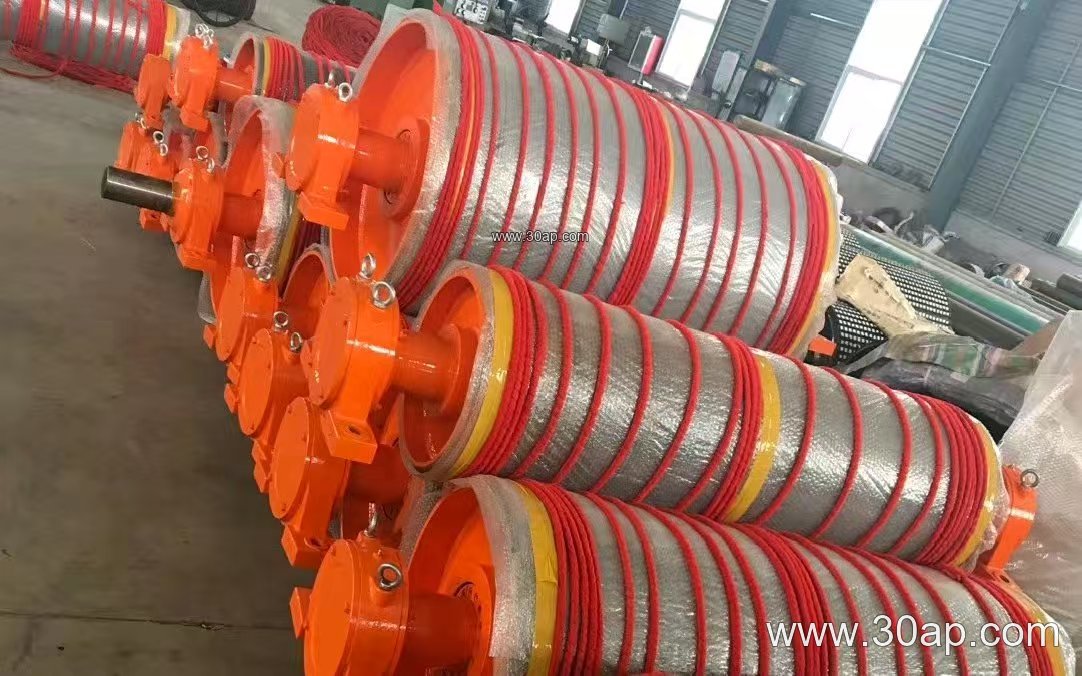
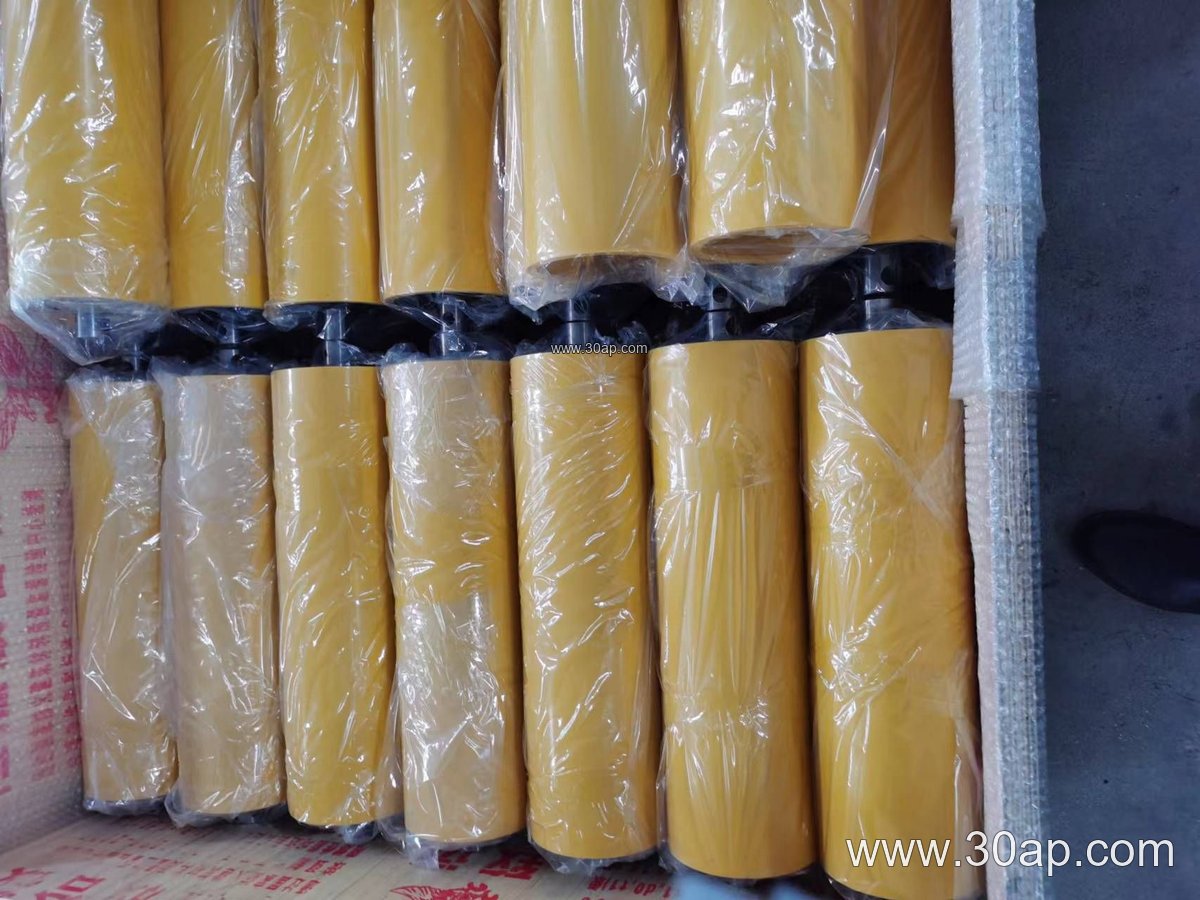
When specifying a 1000mm drive pulley, buyers should confirm the belt width, pulley face width, shaft size, bearing type, and lagging. A common combination is B1000 × Ø1000, but other belt widths may also use a 1000 mm diameter depending on tension requirements. The table below shows reference dimensions for different belt widths that might be used with a 1000mm drive pulley; these are examples only and not universal specifications.
| Belt Width | Typical Pulley Face Width | Common Shaft Diameter Range |
|---|---|---|
| B800 | ≈950 mm | Ø80–Ø140 mm |
| B1000 | ≈1150 mm | Ø100–Ø160 mm |
| B1200 | ≈1400 mm | Ø120–Ø180 mm |
Note that a 1000mm drive pulley can be used with a B800 or B1200 belt if the conveyor design requires it; there is no fixed one-to-one match between belt width and pulley diameter. The shaft diameter must be calculated from the actual torque and radial load, not copied from a table.
Buyer Checklist
- Confirm the belt width and the required pulley face width.
- Specify the lagging type and thickness based on material and environment.
- Provide the maximum belt tension and motor power so the shaft and bearings can be sized correctly.
- Check compatibility with the conveyor bracket and bearing housing.
- Consider the conveyor belt type, such as EP Conveyor Belt or Flame Retardant Conveyor Belt, because different belts have different friction and tracking characteristics.
For a reliable 1000mm drive pulley, work with an engineering team that can review the entire conveyor layout, including idler roller spacing and belt speed. A properly selected drive pulley will reduce slippage and extend belt life in demanding industries such as mining, cement, and power generation.