What a 2200mm Conveyor Belt Is
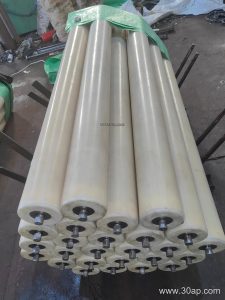
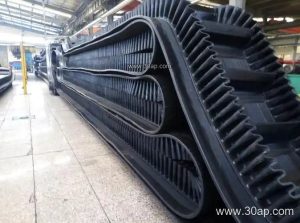
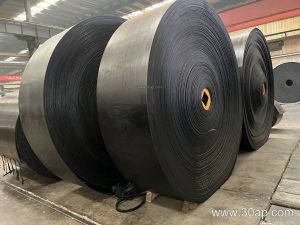
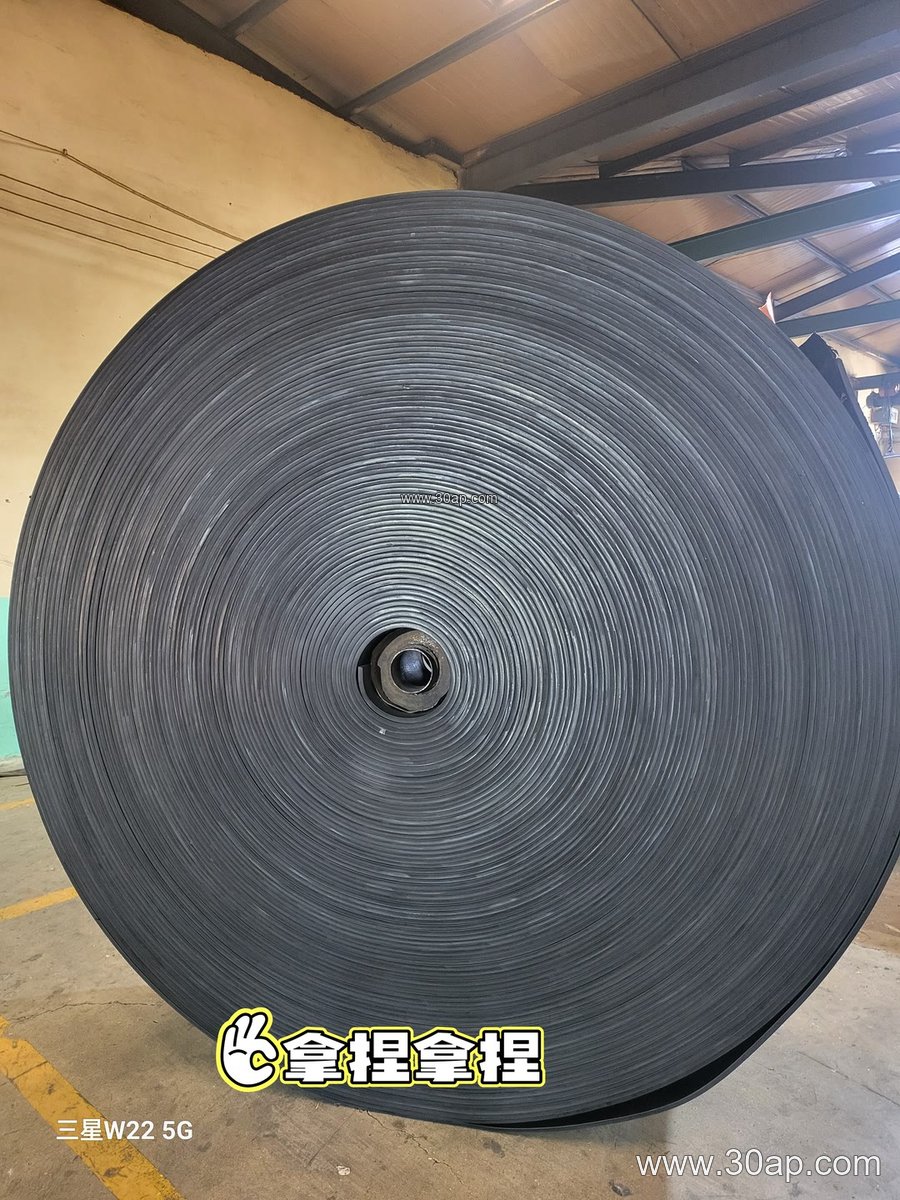
A 2200mm conveyor belt is an extra-wide heavy-duty belt designed for high-volume bulk material transport. At 2.2 meters across, it is typically specified where a single conveyor must carry large tonnages without excessive belt speed, or where the material load is wide and difficult to center on narrower belts. This width is common in large mining, port, and cement operations, and it is often paired with robust conveyor pulleys and idler rollers to handle the load and tension.
Construction and Available Types
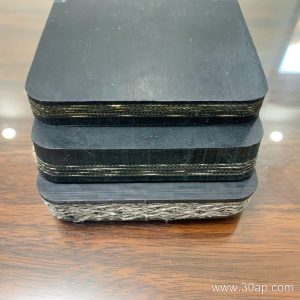
The 2200mm width can be manufactured in several carcass constructions to suit different duty levels. Common options include:
- Multi-ply fabric core – EP or NN fabric plies for general bulk handling; strength grades such as EP200 to EP1000 are typical for this width.
- Steel cord – for very high tension and long conveying distances; ST1000 to ST2500 are representative grades.
- Specialty covers – abrasion resistant, heat resistant, flame retardant, oil resistant, and anti-static versions for specific environments.
Cover rubber thickness is usually specified as top x bottom, for example 6+2 mm or 8+3 mm, depending on impact and abrasion severity. The carcass may have 2 to 6 plies in fabric constructions. For dusty or underground applications, a flame retardant conveyor belt or anti-static belt is often required. In coal mining, PVG conveyor belts are frequently used for their fire resistance and antistatic properties.
Where It Is Used
This extra-wide belt is found in industries that move large volumes of bulk material:
- Open-pit and underground mining for ore, coal, and waste rock
- Cement plants for clinker, limestone, and additives
- Power plants for coal and biomass
- Ports and ship loading facilities for grain, fertilizer, and minerals
- Quarries and aggregate plants for crushed stone and sand
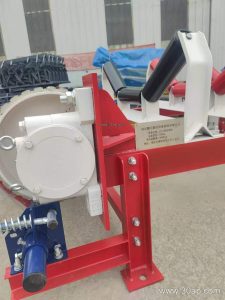
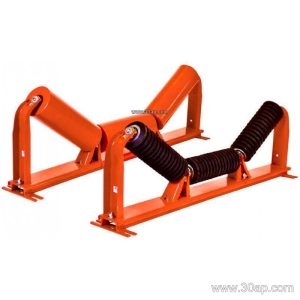
At 2200mm, the belt can handle high capacities while reducing the number of transfer points and conveyors required. It is often used with heavy-duty idler rollers and large conveyor pulleys to support the belt and maintain alignment. Proper conveyor brackets and frame design are critical to keep such a wide belt tracking correctly.
Key Selection Considerations
Buyers should define the material, lump size, capacity, and operating environment before choosing a 2200mm belt. Important factors include:
- Tension and power – the belt strength class (EP or ST) must match the calculated tension; wider belts distribute load but also add weight.
- Cover grade – abrasion resistant for sharp rock, heat resistant for clinker or sinter, oil resistant for recycled materials, and flame retardant for underground coal.
- Impact resistance – at transfer points, impact idlers and adequate cover thickness help prevent carcass damage.
- Tracking and support – a 2200mm belt requires carefully aligned pulleys, idlers, and brackets; training idlers are often used.
For harsh mining conditions, a heavy-duty mining conveyor belt with reinforced edges may be specified. In cold climates, a cold resistant conveyor belt can prevent cracking. For food or clean applications, food grade belts are available, though 2200mm is less common in those sectors.
Maintenance and Handling Notes
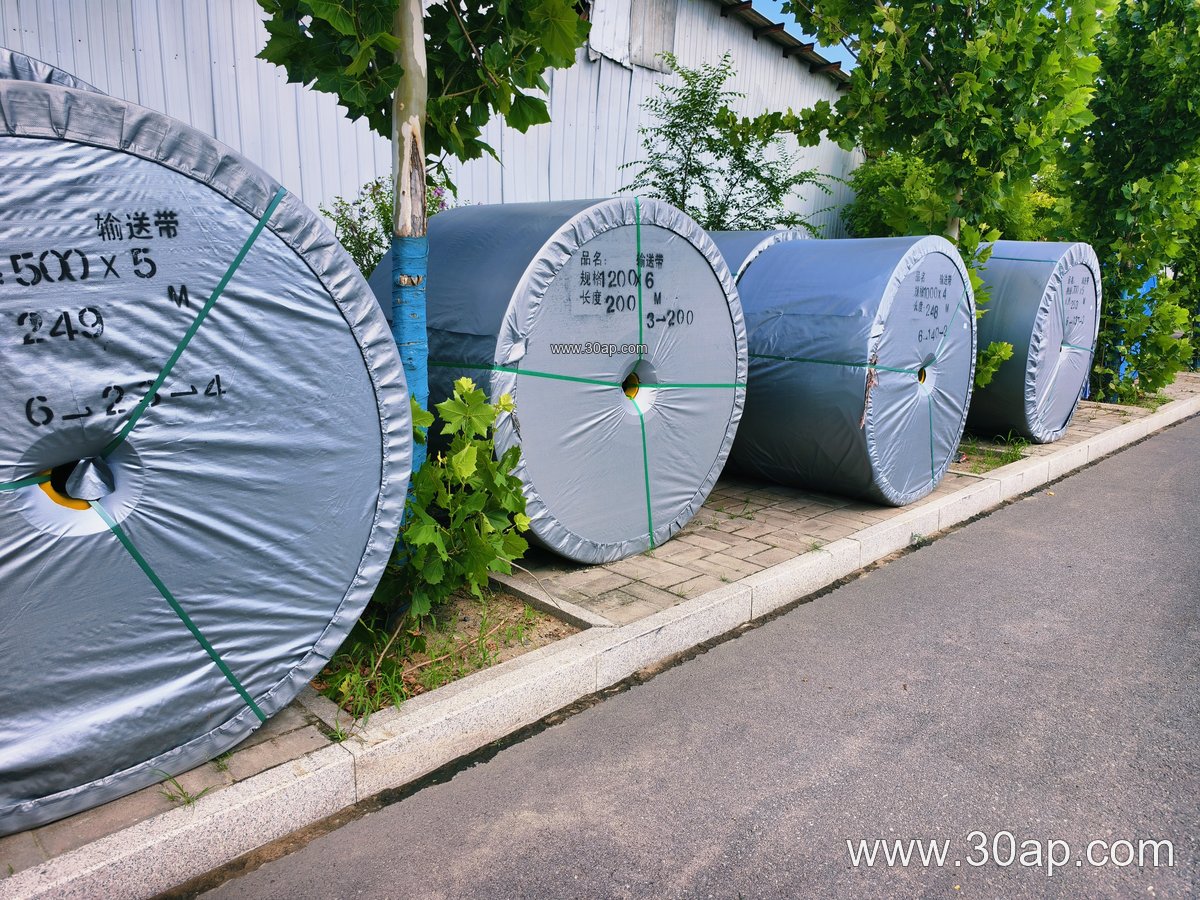
Wide belts demand attention to splice quality and alignment. Check idler rollers for seizure and replace worn ones promptly to avoid edge damage. Keep pulleys clean and lagged for grip. Inspect the belt surface for cuts, gouges, and cover wear, especially at loading points. Store spare belts on a suitable core and avoid sharp bends. When replacing a 2200mm belt, verify pulley diameters and take-up travel to accommodate the belt’s length and thickness.
For more information on wide conveyor belts, idler rollers, and pulleys, visit our site at www.example.com/2200mm-conveyor-belt.