What an EP Fabric Core Conveyor Belt Is
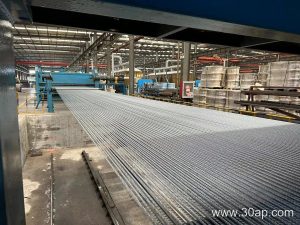
An EP Fabric Core Conveyor Belt is a multi-ply rubber belt whose load-bearing carcass is built from polyester warp yarns and polyamide weft yarns, commonly shortened to EP. The carcass gives the belt its tensile strength and resistance to elongation under load, while the rubber covers protect the fabric from abrasion, moisture, heat, oils, and flames depending on the compound selected. This fabric core construction sits between light-duty cotton or NN carcasses and very high-tension steel cord designs, which makes it a practical choice for many bulk handling circuits.
Buyers often search for this product as an EP Conveyor Belt or EP Rubber Conveyor Belt, and the same item may be described simply as a Fabric Core Conveyor Belt. Those names refer to the same polyester-polyamide carcass family; they do not indicate a different belt type.
How the Carcass and Covers Are Built
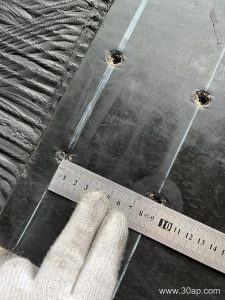
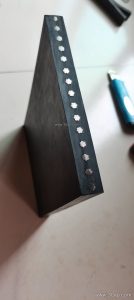
The carcass usually contains two to six plies of EP fabric, with the ply count and fabric weight chosen to reach the required tensile grade. Cover rubber is applied to the top and bottom, and the cover thickness is normally expressed as a pair of figures such as 4+2 mm or 6+2 mm, meaning top cover plus bottom cover. Edge construction, skim coats between plies, and the vulcanized splice design all influence how the belt performs on a given conveyor.
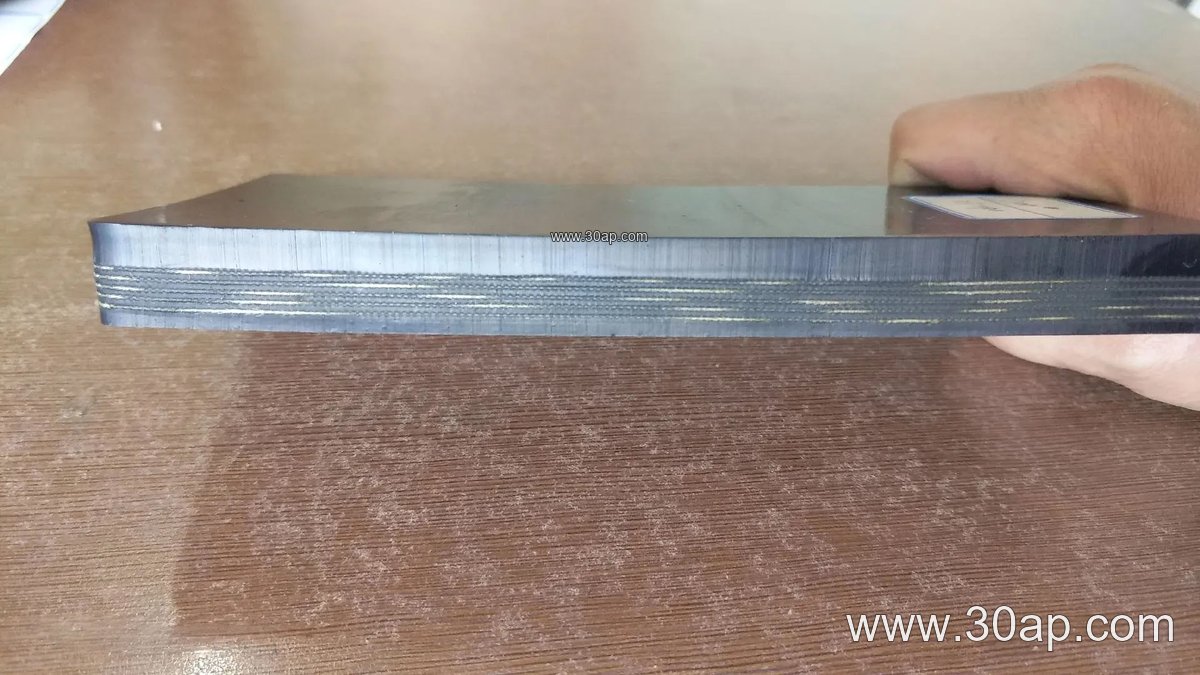
- Carcass: polyester warp and polyamide weft, 2 to 6 plies typical
- Tensile grades: EP200, EP315, EP400, EP500, EP630, EP800, EP1000, EP1250, EP1600 and EP2000 are common reference grades
- Cover thickness: 3+1.5 mm, 4+2 mm, 5+2 mm, 6+2 mm and 8+3 mm are typical combinations
- Widths: B500, B650, B800, B1000, B1200, B1400, B1600, B1800 and B2000 are frequently requested
Reference Data for Early Planning
The table below is a planning reference only. Actual values are confirmed by the belt manufacturer and by the conveyor design, and the figures should not be treated as fixed supply promises.
| Item | Reference range | Notes |
|---|---|---|
| Tensile grade | EP200 to EP2000 | Higher grades suit longer or more heavily loaded conveyors |
| Number of plies | 2 to 6 | Selected with the grade and pulley diameter |
| Belt width | B500 to B2000 | Matched to lump size, capacity and troughing |
| Top cover | 3 to 8 mm typical | Thicker covers for abrasive rock and ore |
| Bottom cover | 1.5 to 3 mm typical | Depends on pulley side wear |
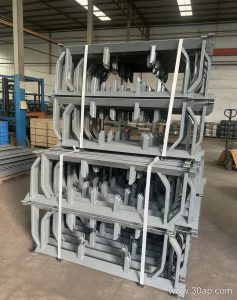
No single belt width dictates one pulley diameter; the conveyor pulley, idler roller set and conveyor bracket layout are engineered together with the belt grade and ply count.
Where It Fits in Bulk Handling
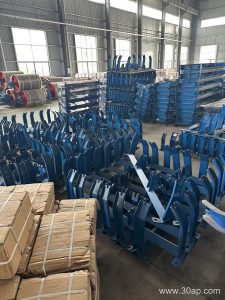
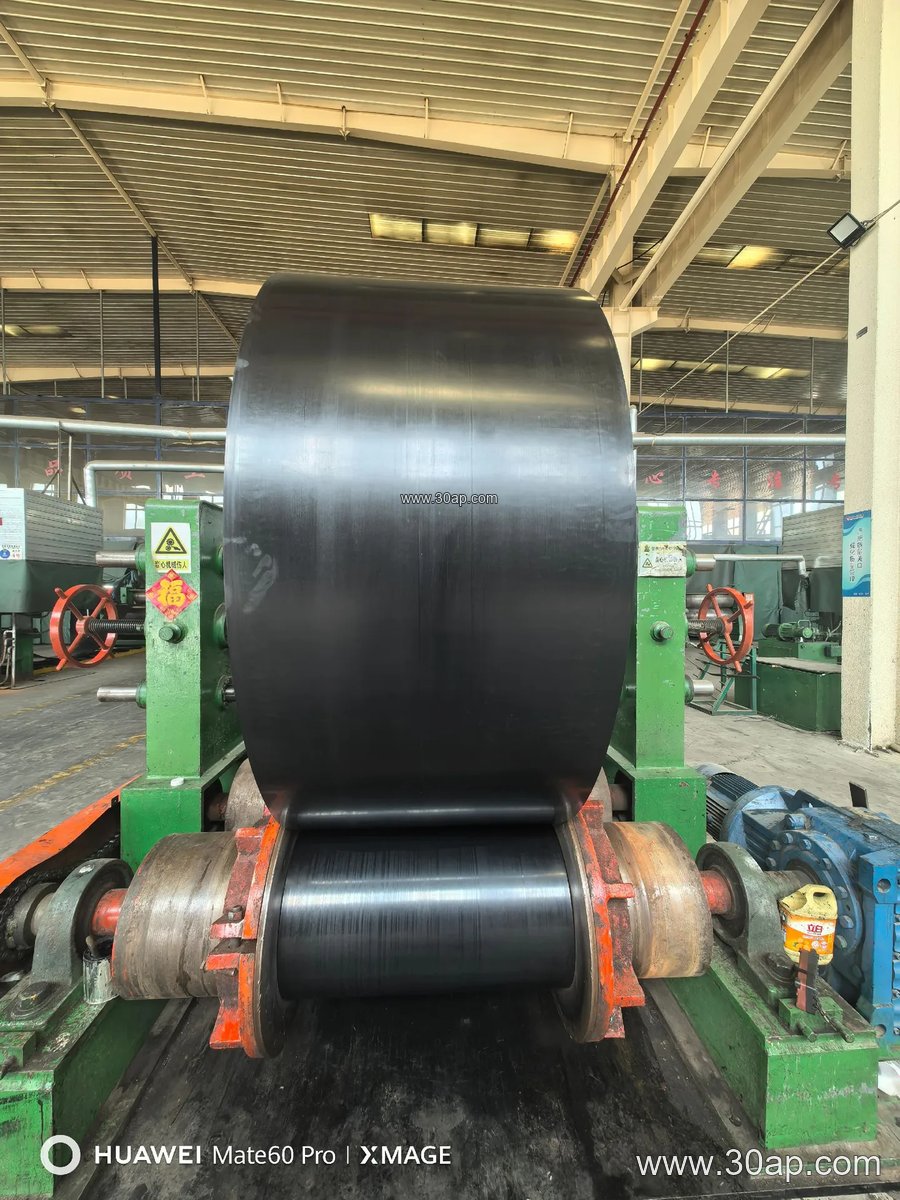
EP carcass belts are widely used in mining conveyor lines, coal mining conveyors, quarry and aggregate plants, cement works, power stations, steel plants, ports and ship loading systems. They carry crushed rock, ore, clinker, sand, gravel, fertilizer and similar bulk materials. In a typical circuit the belt runs over idler rollers on the carrying side, wraps the drive and tail pulleys, and is supported by conveyor brackets and frames along the structure.
For abrasive stone and iron ore duties, an Abrasion Resistant Conveyor Belt grade with a thicker top cover is often specified. In cement kiln areas or hot clinker service, a Heat Resistant Conveyor Belt compound may be needed. Underground coal mining conveyors usually call for a Flame Retardant Conveyor Belt or Fire Resistant Conveyor Belt cover, sometimes combined with Anti-Static Conveyor Belt properties. Cold climates may justify a Cold Resistant Conveyor Belt, while grain and food handling may use a Food Grade Conveyor Belt.
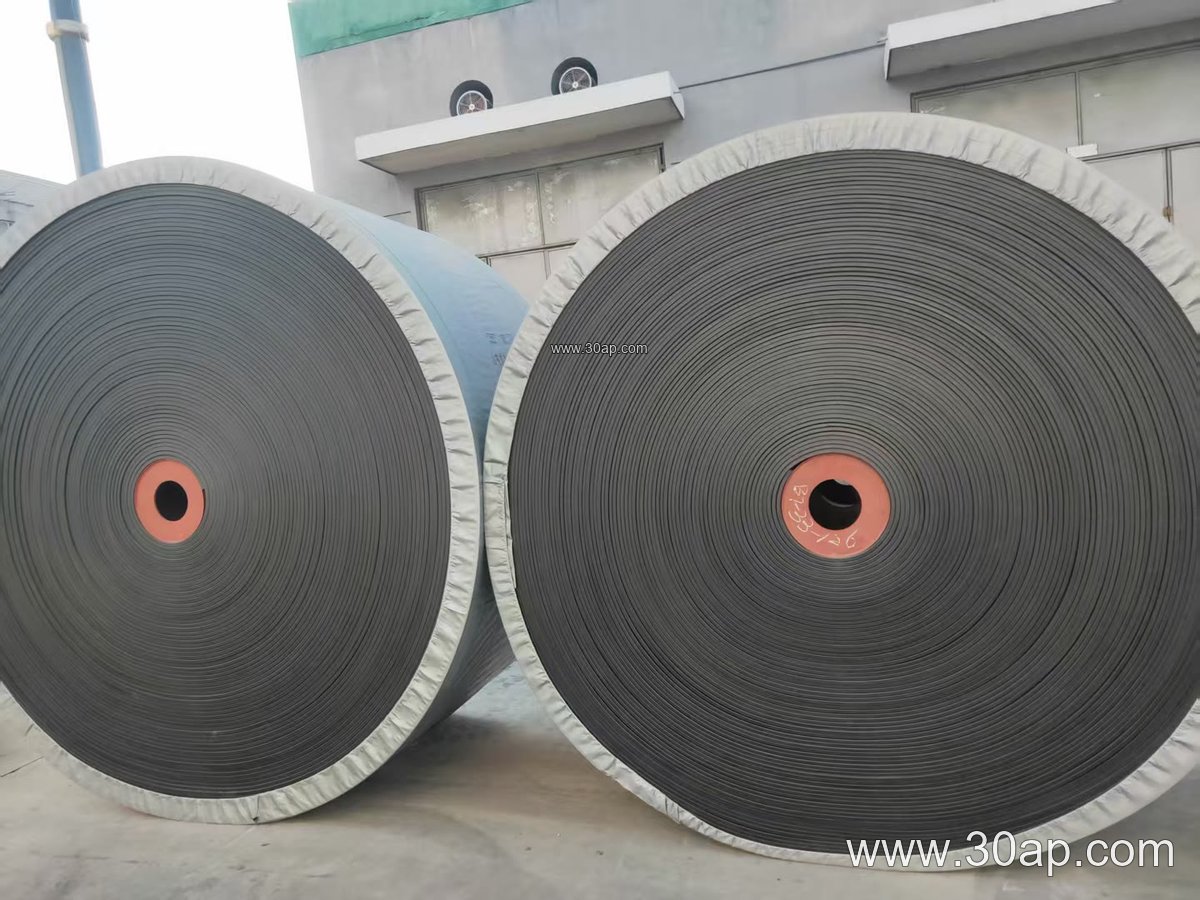
Other carcass options appear in the same plants. An NN Conveyor Belt uses nylon in both warp and weft, and a Steel Cord Conveyor Belt is chosen where very high tension and long center distances exceed practical fabric limits. Those are separate constructions, not substitutes for the EP carcass described here.
Selection and Care Points for Buyers
Start with the duty: material, lump size, capacity, trough angle, incline, pulley diameters, ambient temperature and any fire, oil or chemical exposure. Then match the tensile grade and ply count so the belt operates with adequate safety factor at the drive pulley. Confirm cover thickness against wear life expectations, and check whether a Chevron Conveyor Belt, Corrugated Sidewall Conveyor Belt or Skirted Conveyor Belt profile is required for steep or contained conveying.
- Verify splice method and take-up travel before ordering
- Check pulley and idler roller alignment to limit edge damage
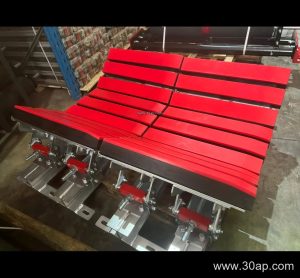
- Keep impact zones supported so the carcass is not cut by sharp lumps
- Store belts away from sunlight, ozone sources and standing water
- Track cover wear and edge condition during routine inspections
For a reliable quotation, provide the conveyor layout, material data, requested grade, width and cover combination. A well-specified EP Fabric Core Conveyor Belt, matched to its pulleys, idlers and frame, gives long, predictable service in demanding mining, cement and power plant duty.