What a Port Belt Conveyor Pulley Does
A port belt conveyor pulley is the cylindrical rotating component that drives, redirects, or tensions the belt on a bulk terminal conveyor. Ship unloaders, stockyard stackers, and quay-side transfer lines rely on these pulleys to keep material moving from vessel hold to silo, train, or truck. In a port, salt air, fine dust, and continuous shifts make pulley reliability more important than on a short in-plant line.
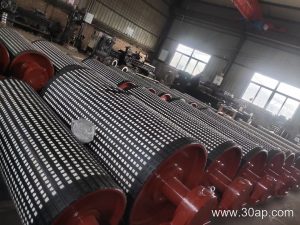
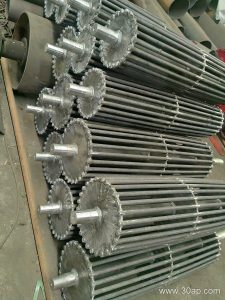
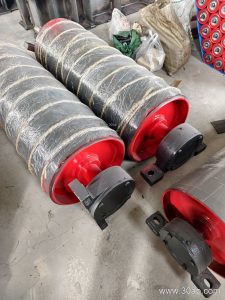
In practice, the assembly is often called a conveyor pulley or belt conveyor drum. Drive pulleys transmit torque to the belt, while return-side pulleys simply guide it. A port belt conveyor pulley is usually built from a welded steel shell, end discs, a shaft, bearing housings, and a lagging surface. Shell thickness, weld quality, and dynamic balance matter because these pulleys can run for many hours a day.
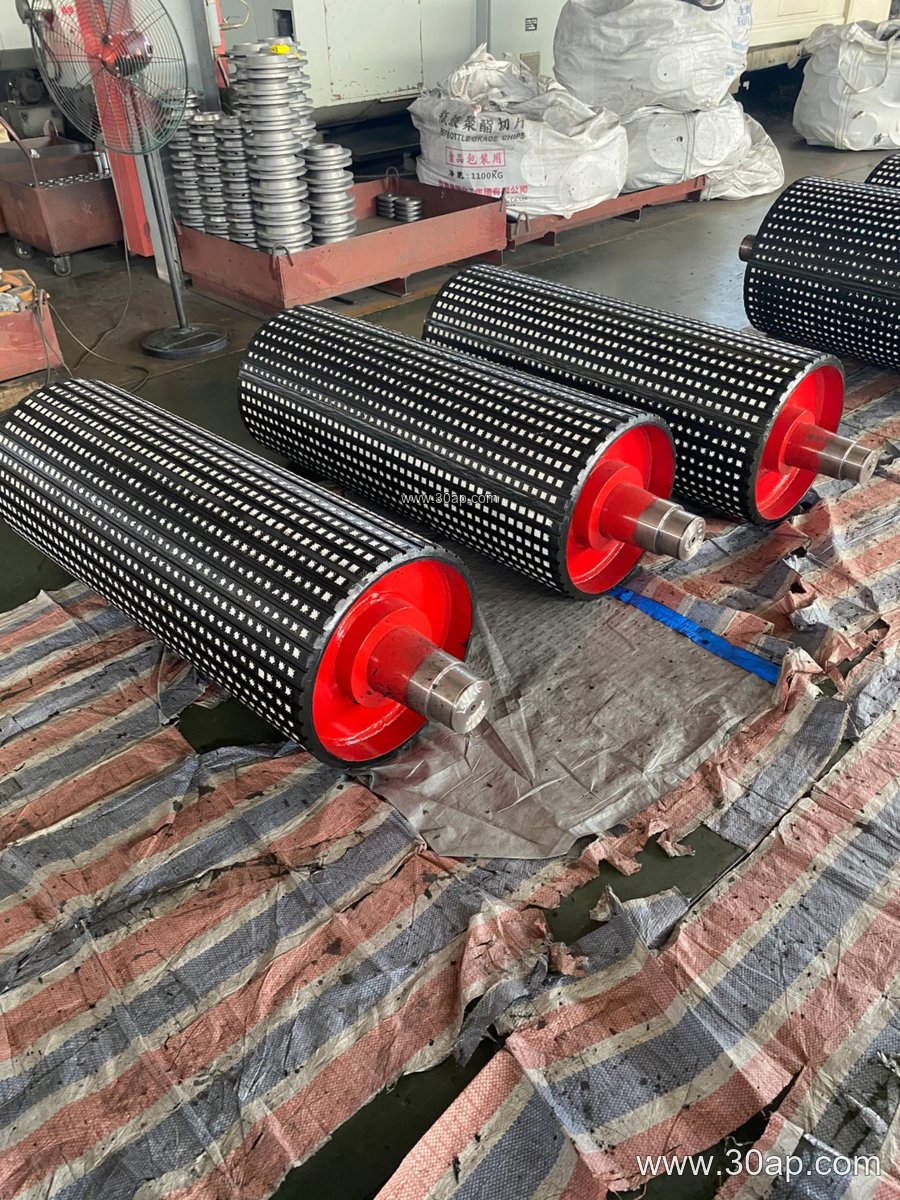
Construction Details That Affect Service Life
The shell is commonly machined or rolled steel, with the shaft keyed or shrink-fitted to the end discs. Bearings sit in split housings on a sturdy conveyor bracket so the pulley can be serviced without cutting the belt. Lagging protects the shell and improves grip; common surfaces include plain, cold-bonded rubber, hot-vulcanized rubber, diamond grooving, herringbone grooving, and ceramic tiles. Lagging thickness is often 8, 10, 12, 15, or 20 mm depending on duty.
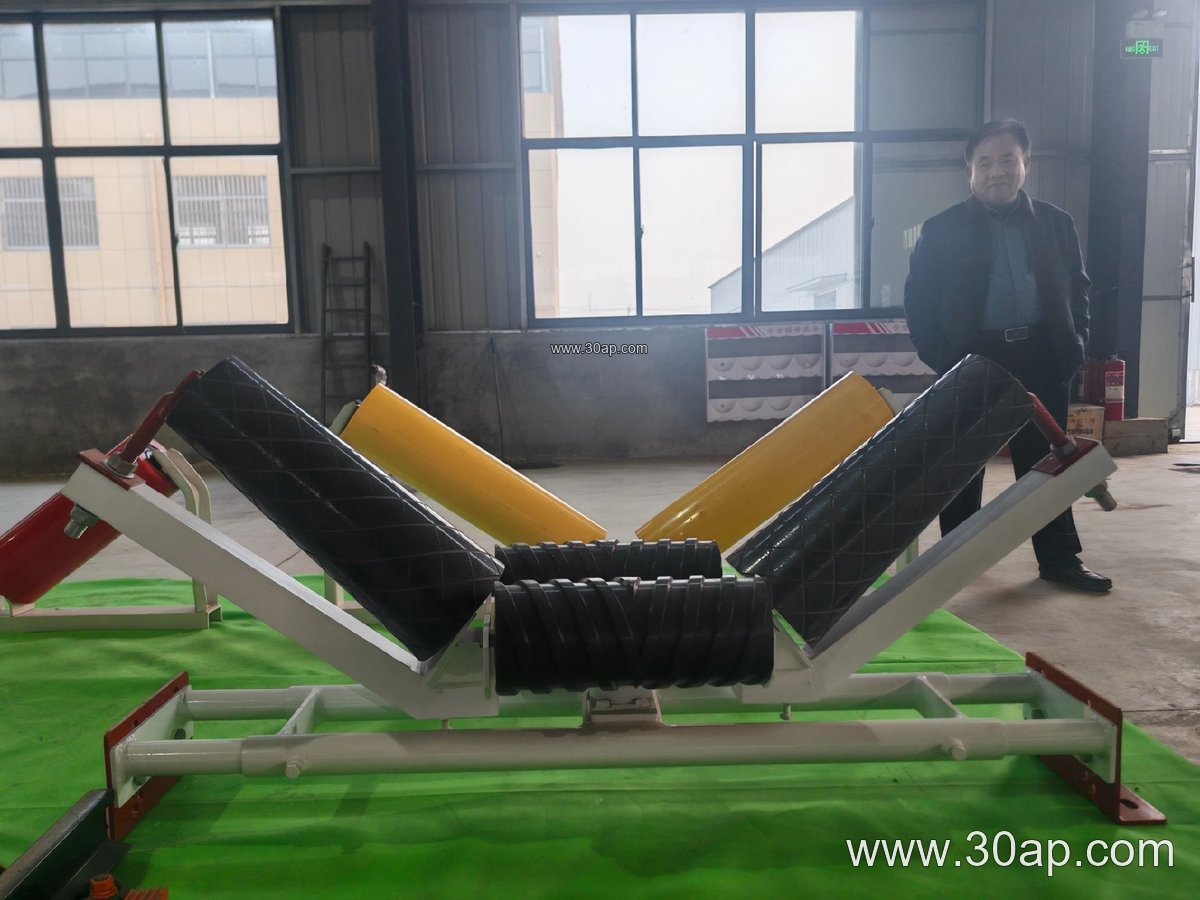
- Diamond lagging helps shed water and fines in wet berth conditions.
- Ceramic lagging suits high-torque drive positions where slip is a risk.
- Plain shells are common on light return positions.
The belt side also matters. A Rubber Conveyor Belt or an EP Conveyor Belt grips differently from a steel cord belt, so lagging choice should follow the belt cover compound and the load. Port terminals handling iron ore, coal, or fertilizer often pair abrasion-resistant covers with robust lagging.
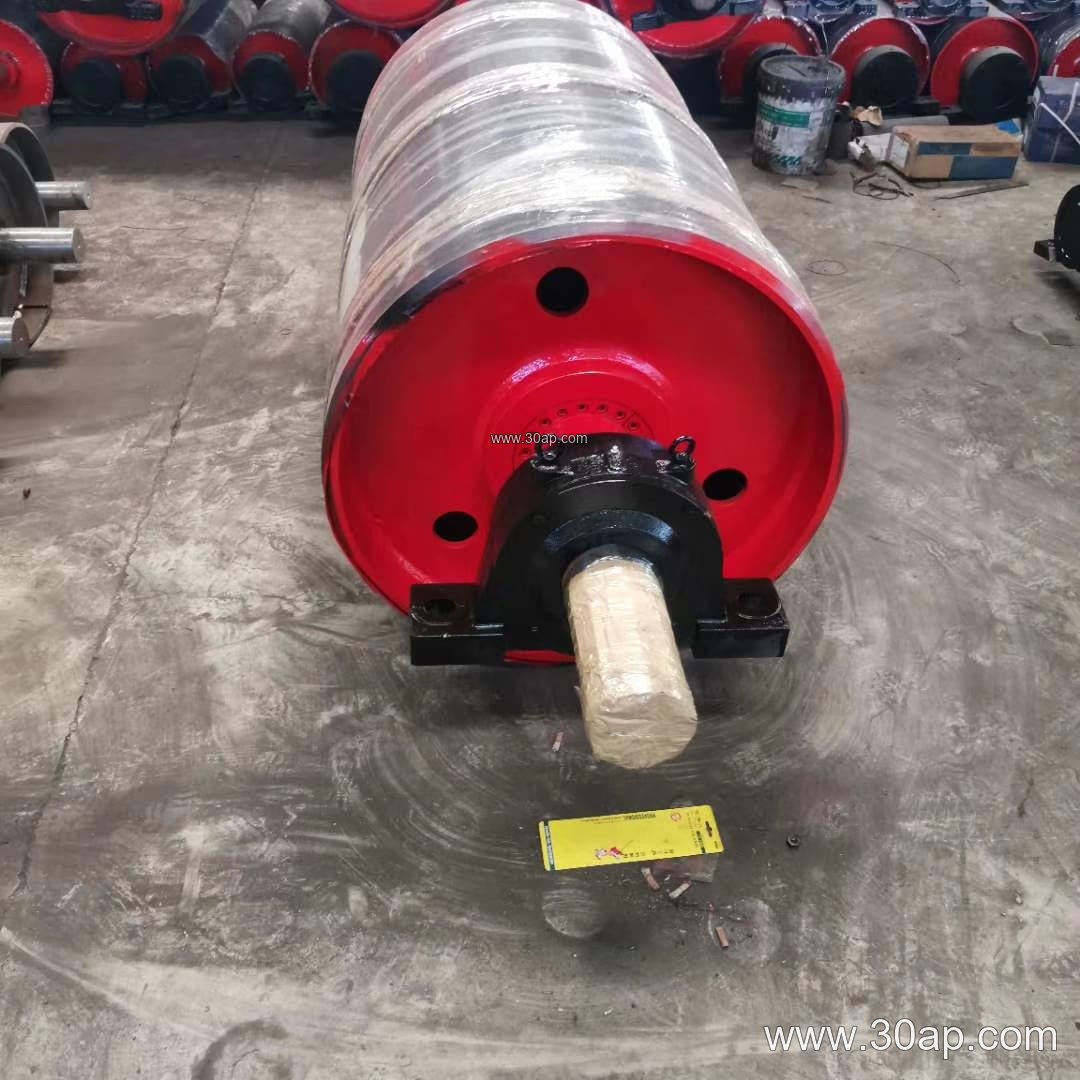
Matching Pulley Diameter to Belt Width
Buyers often ask how to size a pulley. Diameter is not fixed by belt width alone; it follows belt tension, layer count, shaft torque, and the required wrap angle. Still, reference combinations are useful starting points. Shell face width is normally a little wider than the belt, as shown below.
| Belt width | Typical shell face width | Example pulley combination |
|---|---|---|
| B500 | about 600 mm | B500 x Ø400 |
| B800 | about 950 mm | B800 x Ø500 |
| B1000 | about 1150 mm | B1000 x Ø630 |
| B1200 | about 1400 mm | B1200 x Ø1000 |
| B1400 | about 1600 mm | B1400 x Ø800 |
| B1800 | about 2000 mm | B1800 x Ø1250 |
These are common references, not mandatory pairs. A wide belt may run a smaller diameter at low tension, and a narrow belt at high tension may need a larger drum. Shaft diameter is determined by torque and load, not by belt width; common shaft sizes range from Ø50 to Ø200 mm.
Where It Fits on a Port Conveyor
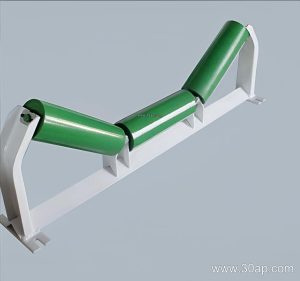
On a ship loader or stacker, the drive or head pulley pulls the loaded belt, while a tail pulley at the loading point turns it back. Bend pulleys change direction around tensioning stations, and take-up pulleys maintain belt slack. The drive, tail, and bend positions are not interchangeable: each sees a different wrap angle, tension, and dust exposure. A drive pulley usually carries the highest torque and the thickest lagging, while a tail pulley may use a plain or lightly lagged shell.
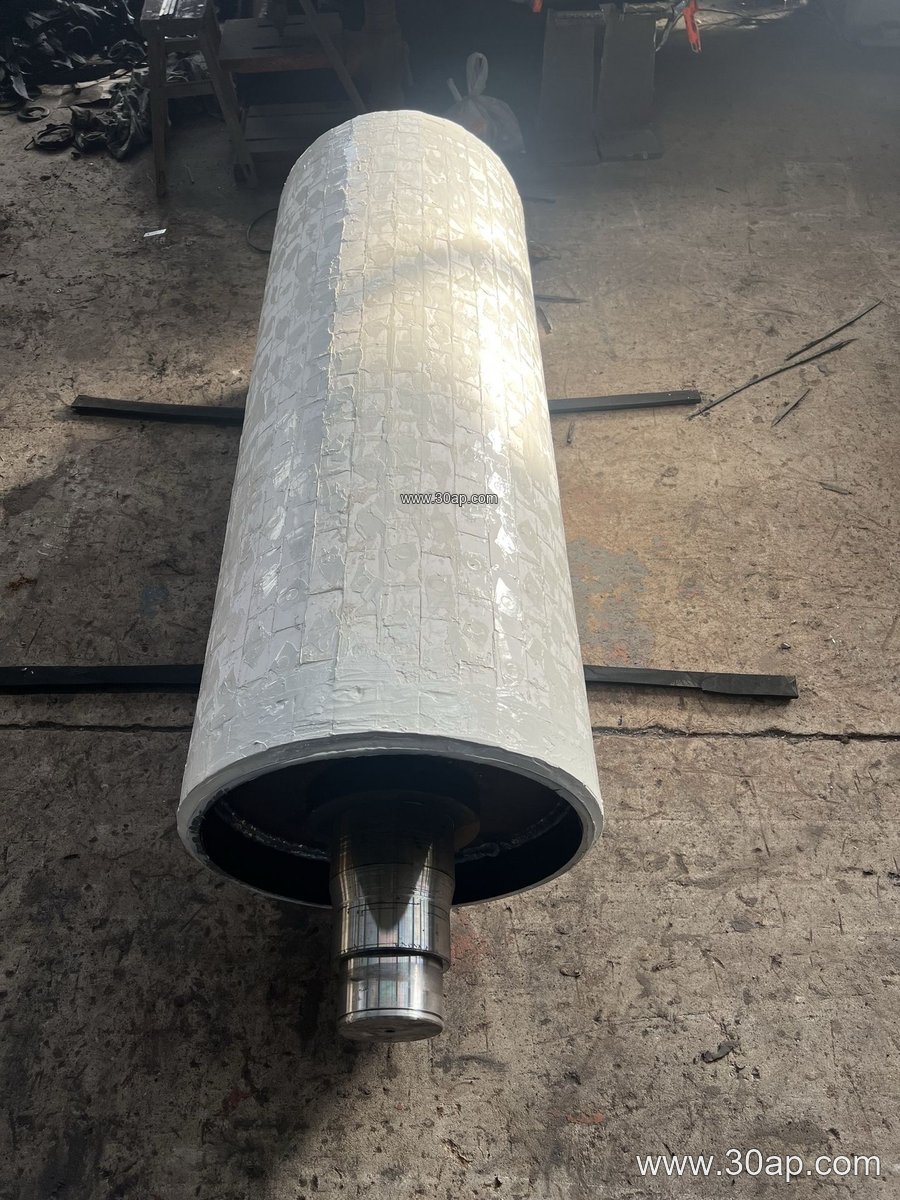
Port conveyors often handle Bulk Material Conveyor Belt loads with sharp edges and moisture. In coal or ore terminals, a Flame Retardant Conveyor Belt may be specified for enclosed galleries, and a Steel Cord Conveyor Belt may be used on long, high-tension runs. The pulley must match that belt’s tension profile, so share the belt specification with the pulley supplier.
Buyer Checklist
- Confirm belt width, belt type, and maximum operating tension.
- State the position: drive, tail, bend, take-up, or snub.
- Specify lagging surface and thickness for the local climate and material.
- Provide shaft size, bearing type, and bracket interface dimensions.
- Ask for balancing and inspection records, without assuming a certification.
- Plan lifting points and access for maintenance in the port structure.
For spare-part planning, keep a record of each conveyor pulley position, its shell face width, diameter, and lagging type. A port belt conveyor pulley that is correctly matched to the belt and the duty will run cooler, last longer, and reduce unplanned stoppages at the berth.